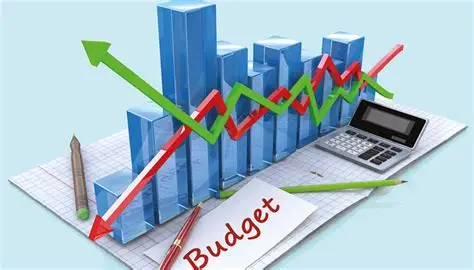
The 2026 Budget Statement and Economic policy allocated just about 2.18 percent of the government’s total expenditure in 2026 to agriculture, of which stakeholders in the sector are protesting about its inadequacy.
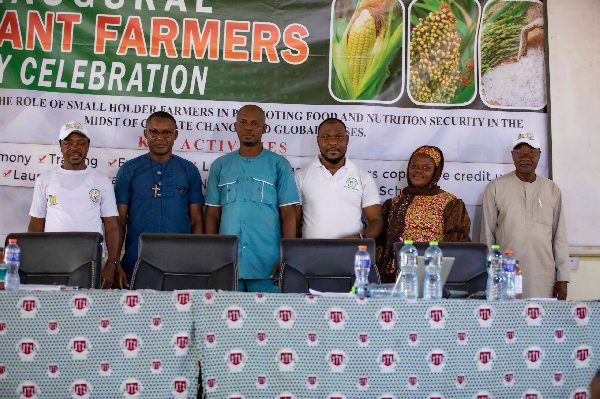
The decision to protest against the government emanates from the government’s shortfall in achieving the 10 percent minimum allocation of the national Budget to the agriculture sector, as internationally committed and recognized under the Maputo Declaration. The stakeholders in the sector described it as inadequate funding to meet the heavily challenged sector.
The agriculture sector was one of the main contributors to GDP with a robust performance of 6.0 percent in the first half of 2025 compared to the previous year of 2.9 percent growth. With this performance, the sector players believe a higher allocation than 2.18 percent will yield higher returns and impact on the total GDP.
Though they recognize that the 2026 allocation is a marginal improvement in previous budgetary allocations, they still believe it will be unable to bridge the gap towards local sector initiatives support and exports, food security, reducing further food inflation, job creation, rural prosperity, and national growth anchor.
According to the Peasant Farmers Association of Ghana (PFAG), agriculture was a key driver in the 2025 macroeconomic turnaround, hence calls for wide-ranging policy action, financial commitment, and legal backing for local food procurement in schools and public institutions.
The Maputo Declaration
During the Second Ordinary Session of the African Union (AU) Assembly in Maputo, Mozambique, the Maputo Declaration on Agriculture and Food Security in Africa (2023) was established to prioritize agricultural development and food security. Members agreed to allocate at least 10 percent of the national budget to the sector and achieve a minimum of 6.0 percent annual growth in the sector’s productivity.
The Comprehensive Africa Agriculture Development Program (CAADP) was also agreed upon as a framework for the agricultural transformation on the continent. African Union members, of which Ghana is part, are committed to implementing policy reforms that will develop agriculture and policy-target smallholder farmers.
The purpose of this initiative is to utilize the natural resources the continent has to self-develop, like an abundance of fertile land, suitable weather conditions, fairly good rainfall and temperature, and a youthful population. Also, the initiative will create jobs for women and youth, address food security issues, improve nutrition and nourishment, and rejuvenate the agriculture sector for economic growth and poverty alleviation.
The Maputo Declaration was followed by the 2014 Malabo Declaration to renew the commitment to CAADP and set ambitious goals for 2025. In January 2025, the Extraordinary AU Summit on Post-Malabo CAADP, held in Kampala, Uganda (the Kampala Declaration), was made to chart a new path for Africa’s food systems. This is to take effect on January 1, 2026.
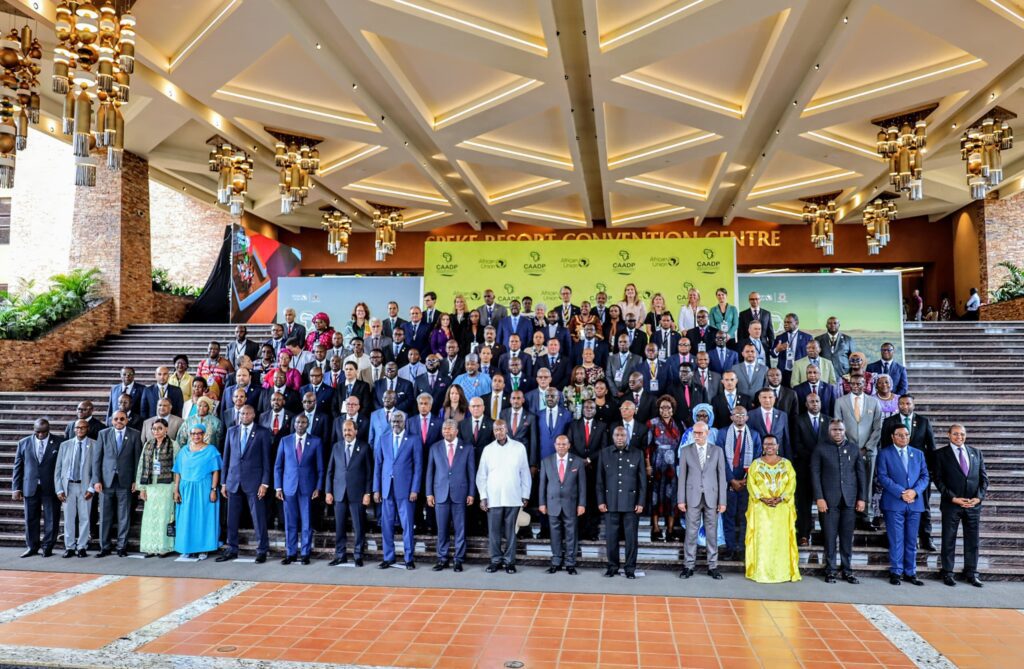
According to the findings of the 2024 State of Food Security and Nutrition in the World report (SOFI, 2024), as of 2023, no AU Member State was on track to meet the Malabo Declaration targets by 2025.
The governments’ investment in agriculture has been below expectations. A few countries are on track to meet the goal of annually allocating 10 % of public expenditure to agriculture, as agreed in Maputo in 2003. Ghana appears to have fallen short as well.
Ghana Gov’t’s Agric Drive for Growth and Jobs in 2026
In the first half of 2025, crop production expanded by 6.2 percent, livestock by 5.8 percent, and fishing by 7.7 percent. Cocoa production grew by 2.8 percent in the same period, as against a sharp contraction of 21.4 percent in the first half of 2024. This performance reflects the potential of the sector to anchor economic growth and job creation.
As part of the productive sectors, the government aims to attract new investment and expand the sector through a Public-Private Partnership, for which an Act is being prepared in Parliament.
According to the 2026 Budget, the government, through the “Ministry of Food and Agriculture (MoFA), is making agriculture the anchor of the economy under the Agriculture for Economic Transformation Agenda.” The clear goal, as spelt out by the government, is to secure food, tame food inflation, cut the import bills, and grow exports through productivity and value addition.
According to the 2026 Budget, the government, through the 24-Hour Economy Program and the Economic Transformation Agenda, seeks to modernize “agriculture, agribusiness, and value addition to transform raw materials into finished products for both domestic use and export.”
The government anchors this goal around the various initiatives, like the Feed Ghana Program. The government believes it will create more jobs, strengthen the Ghana Cedi through increased exports and higher export earnings, and establish Ghana as a trade and production center.

The 2026 Budget also reveals that the “agriculture sector is a priority of the government to create fiscal space for development by prioritizing growth-enhancing capital investment in the sector.” Women and young people are the main target of the sector initiatives and all its value chains.
Agriculture is one of the fronts to benefit from the investment secured by President John Dramani Mahama on his visit to Singapore, which includes OLAM’s US$200 million agro-processing facility. There are other investments the government has made and is making in the agriculture sector.
According to the government, due to constrained spending to ensure fiscal discipline, it requires less than expected allocations to the various sectors of the economy. However, assures Ghanaians that the productive sectors, of which agriculture is key, will receive the government’s attention.
The government calls on the agriculture sector stakeholders and all Ghanaians to support its policy initiatives to drive the needed growth to ensure that budgetary allocations in the near future meet the expectations of all.
READ MORE: Regional DFIs Unite Under AfDB Initiative to Maximize Investment Impact Across Africa