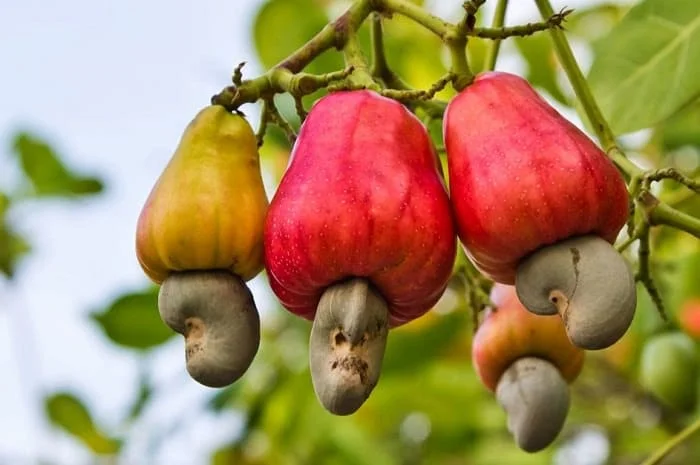
Ghana’s cashew industry is facing a deepening crisis as weak local processing capacity, unstable farm-gate prices and continued dependence on raw nut exports threaten the future of one of the country’s most promising agricultural sectors.
Despite producing hundreds of thousands of tonnes of cashew nuts annually, Ghana remains trapped in a raw commodity export model that allows other countries to capture the biggest share of value from its produce.
A recent independent study has revealed that Ghana processed only about 15,000 metric tonnes of raw cashew nuts in 2025, representing less than six percent of the country’s estimated annual production of 262,000 metric tonnes.
The figures have sparked fresh concerns among industry players who warn that without urgent policy intervention, Ghana risks losing jobs, revenue and industrial opportunities to major processing countries such as Vietnam and India.
Farmers Hit by Severe Price Collapse
The crisis has also exposed the vulnerability of thousands of cashew farmers who depend on the crop as a major source of income.
According to the report, Ghana Cashew Processing Sector and Roadmap for a Supportive Cashew Public Policy, farm-gate prices experienced a dramatic decline in 2025.
Prices reportedly started the year at about GH¢16 per kilogramme in January before rising to approximately GH¢20 per kilogramme in February. However, by May, prices had fallen sharply to around GH¢7 per kilogramme.
The sudden drop created financial pressure for farmers and raised concerns about the sustainability of cashew production.
Industry stakeholders argue that the absence of a strong domestic processing industry has left farmers exposed to international market shocks. Without local processors providing alternative demand, farmers remain heavily dependent on foreign buyers of raw nuts.
The situation mirrors previous price instability recorded in 2023, when farm-gate prices reportedly declined from GH¢11 per kilogramme in March to GH¢2.80 per kilogramme by May.
Ghana Exports Value While Others Create Jobs
The biggest challenge facing Ghana’s cashew industry is the limited ability to transform raw nuts into finished products locally.
While Ghana produces significant quantities of cashew nuts, much of the economic value is created elsewhere. The country exported approximately 444,000 tonnes of raw cashew nuts in 2025, mainly to Vietnam and India, despite producing an estimated 262,000 tonnes.
The difference is partly explained by informal imports of about 165,000 tonnes of raw cashew nuts from neighbouring countries, including Côte d’Ivoire, Mali and Burkina Faso, which are later exported through Ghana’s Tema Port.
Although Ghana has become an important trading hub for raw cashews, it continues to miss out on the benefits of processing, including manufacturing jobs, tax revenue and industrial development.
The Association of Cashew Processors of Ghana (ACPG) warned that every tonne of raw cashew exported represents an opportunity lost for local industries.
Industry leaders argue that Ghana is effectively exporting employment opportunities and allowing other countries to benefit from the transformation of Ghanaian agricultural resources.
Processing Capacity Remains Critically Low
The country’s processing infrastructure remains far behind its production potential.
The study found that Ghana currently has only one major industrial processing facility, supported by a few smaller semi-automated and artisanal processors.
Experts estimate that a modern cashew processing factory with a capacity of 20,000 metric tonnes could create at least 120 full-time jobs and approximately 500 daily employment opportunities.
With Ghana’s production capacity, the country could potentially support more than 10 factories of similar scale, creating thousands of jobs across agriculture, transport, logistics, manufacturing and related sectors.
However, high investment costs continue to discourage investors.
The report estimates that establishing a 20,000-metric-tonne processing plant in Ghana costs about US$9.2 million, compared with approximately US$5.3 million in Vietnam.
High electricity costs, expensive machinery, costly financing and limited industrial support systems have weakened Ghana’s competitiveness in the global cashew processing market.
Calls Grow for Government Action
Stakeholders are urging government to introduce urgent measures to transform cashew from a raw export commodity into a major industrial sector.
The ACPG is calling for cashew to receive priority attention under Ghana’s industrialisation agenda, arguing that the sector presents an immediate opportunity to create jobs and retain more value domestically.
The group believes Ghana already has the evidence and policy tools required to address the challenges but needs stronger implementation.
Among the recommendations is the introduction of a balanced raw cashew export levy, establishment of a Cashew Development Fund, tax incentives for processors, improved access to financing and the development of dedicated agro-industrial parks in major cashew-producing regions.
However, experts caution against imposing a complete ban on raw cashew exports, warning that such a move could negatively affect farmers and encourage informal cross-border trade.
Instead, they recommend policies that support processors while protecting farmer incomes.
A Billion-Dollar Opportunity at Risk
Beyond cashew kernels, Ghana also has opportunities to develop industries from cashew by-products.
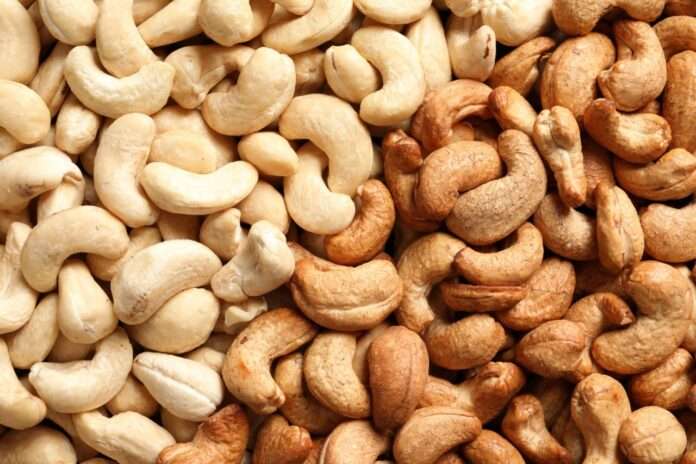
Cashew shells, which account for about 70 percent of the weight of raw nuts, can be processed into Cashew Nut Shell Liquid, biofuel, briquettes and other industrial materials.
Countries such as Vietnam and India have built additional industries around these by-products, generating more revenue from the same raw material.
For Ghana, the challenge is no longer about production capacity. The country has the raw materials, farmers and market potential.
The urgent question is whether Ghana can move beyond exporting raw cashews and build a competitive processing industry that creates jobs, strengthens farmers and supports industrial growth.
Without immediate action, the country’s cashew opportunity could continue slipping away, leaving Ghana to produce the nuts while others capture the wealth created from processing them.
READ ALSO: Asiama Cracks Down on Rising Bad Loans, Targets 10% Bad Loan Ceiling