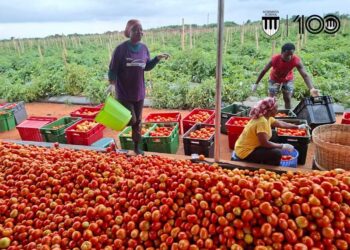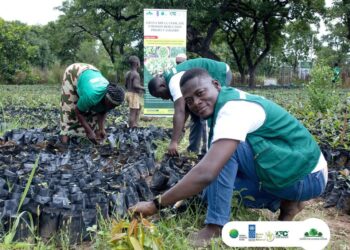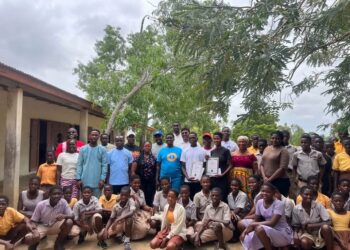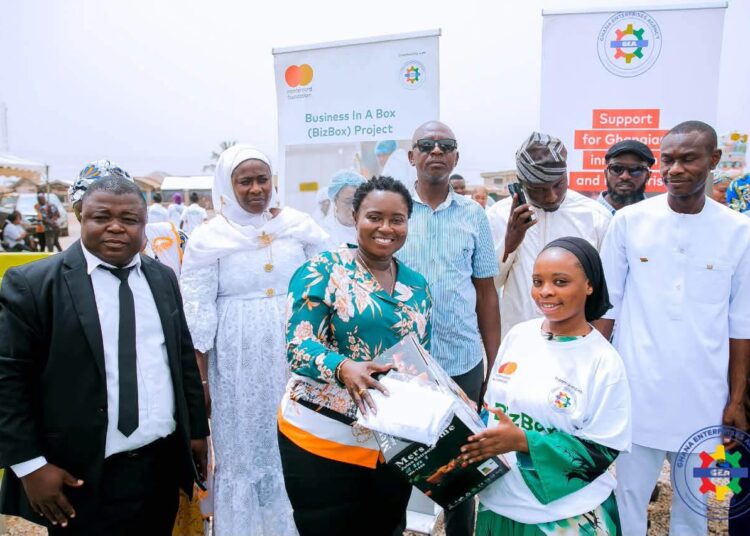
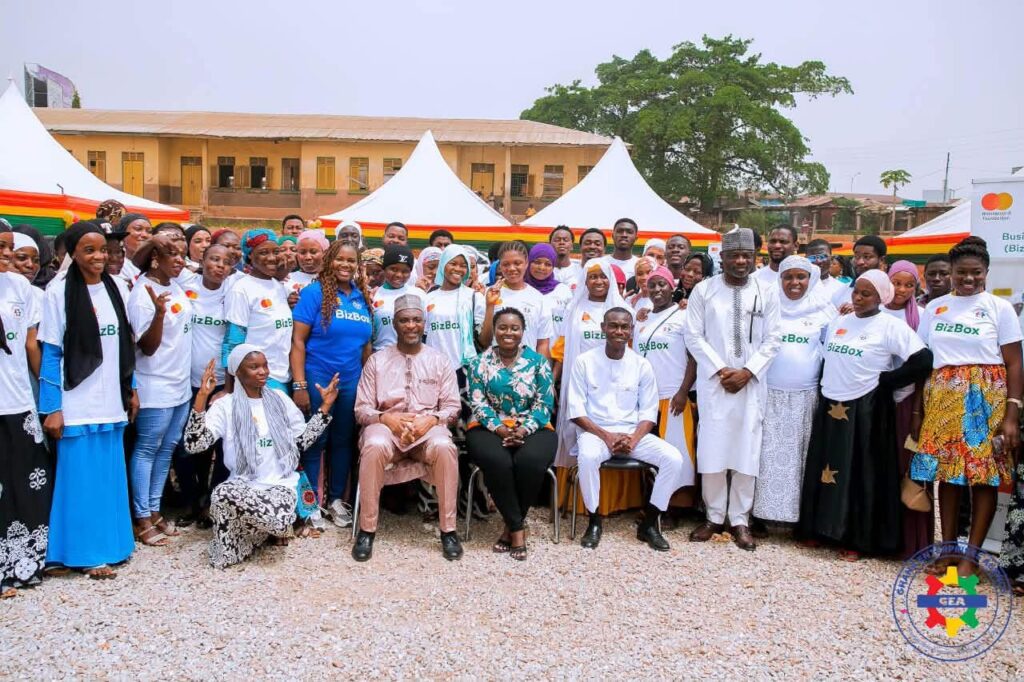
The Ghana Enterprises Agency (GEA) has graduated 242 young entrepreneurs and distributed start-up kits to them under the Agriculture and Agribusiness to Entrepreneurship (AA2E) component of the Business in a Box (BizBox) initiative at Asokore Mampong in the Ashanti Region, in a move to promote youth employment and strengthen agribusiness development.
The Chief Executive Officer of the Ghana Enterprises Agency, Madam Margaret Ansei together with Hon. Muntaka Mubarak, the Minister for Interior and Parliamentarian for Asawase Constituency in the Ashanti Region led the initiative in the Asokere Mampong.
The beneficiaries received practical training in fruit juice processing, catfish farming and livestock farming, alongside start-up kits intended to help them establish businesses, generate income and create employment opportunities.
Ms Ansei said, the initiative is being implemented by the GEA in partnership with the Mastercard Foundation to equip young people with the skills, resources and entrepreneurial capabilities required to build sustainable enterprises.
‘’The graduation and distribution ceremony underscores the growing importance of entrepreneurship focused interventions in connecting vocational and agricultural training with practical business opportunities, particularly for young people seeking alternative pathways into employment.’’
CEO of GEA, Ms Margaret Ansei
Agriculture and agribusiness remain significant drivers of job creation, enterprise growth and economic transformation in Ghana.
The GEA leadership emphasised that the intervention goes beyond skills acquisition by providing beneficiaries with practical resources to translate their knowledge into commercial activities, supporting the broader objective of expanding youth participation in productive economic sectors.
Start-Up Kits Bridge Training and Enterprise
The AA2E component is designed to equip young people with competency-based agricultural training, entrepreneurial knowledge and start-up support to enable them to establish and manage businesses.
According to the GEA, the beneficiaries’ training in fruit juice processing, catfish farming and livestock farming provides them with opportunities to pursue different segments of the agricultural value chain, from primary production to processing and value addition.
Fruit juice processing, for instance, offers opportunities to convert fresh produce into marketable products, potentially creating additional value for agricultural commodities while serving consumer demand.
Similarly, catfish farming and livestock production can provide income opportunities through the supply of fish, meat and related products to households, retailers, food vendors and other businesses.
However, the commercial success of these enterprises will depend on the beneficiaries’ ability to manage production costs, maintain product quality, identify reliable markets and reinvest earnings into their businesses.
‘’The provision of start-up kits is therefore intended to ease some of the initial barriers facing young entrepreneurs as they move from training into business operations.’’
CEO of GEA, Ms Margaret Ansei
Through initiatives such as Business in a Box, GEA is going beyond skills training to provide young people with the tools and resources they need to build successful businesses and create sustainable livelihoods.
The approach reflects the BizBox project’s broader model of combining skills development with access to start-up kits, markets and youth networks, alongside institutional strengthening and policy support.
These interventions are intended to improve the prospects of young people transitioning into dignified and fulfilling work.
BizBox Targets 250,000 Young People
The Business in a Box initiative is a four year programme implemented by the GEA in partnership with the Mastercard Foundation. Its central objective is to create dignified and fulfilling work opportunities for 250,000 young Ghanaians by 2027, targeting people aged 15 to 35.
The programme places particular emphasis on inclusion, with a target of 70 per cent female participation and 10 per cent participation by persons with disabilities. Its interventions cover youth skills development, access to markets, start-up kits, youth social networks, and institutional strengthening, including policy and regulatory support.
The initiative forms part of broader efforts to expand entrepreneurship and improve the capacity of micro, small and medium-sized enterprises (MSMEs), which are important to Ghana’s employment and economic development landscape.
Through the AA2E component, the programme seeks to make agriculture more attractive to young people by presenting it as a business opportunity rather than limiting participation to conventional farming activities.
The emphasis on processing, fisheries and livestock production also creates scope for beneficiaries to explore different business models, depending on their skills, resources and local market conditions.
For the programme to achieve lasting results, beneficiaries will need to complement the initial support with sound financial management, effective record-keeping, customer relations and consistent production standards.
Access to suitable markets and the ability to respond to changing consumer demand will also be important to the long-term survival of their businesses.
Hon. Muntaka Urges Responsible Business Management
The Minister for the Interior and Member of Parliament for Asawase, Alhaji Muntaka Mubarak, urged the beneficiaries to take good care of their start-up kits and use the equipment productively to develop their enterprises.

”The initiative is intended to help young people transform their agricultural skills into viable enterprises, build sustainable livelihoods and contribute to the President’s youth employment agenda.”
Minister for Interior, Hon. Muntaka Mubarak
He also encouraged them to embrace unity and collaboration, stressing that cooperation, commitment and responsible management were essential to entrepreneurial success and the contribution of small businesses to national development.
The beneficiaries were encouraged to protect their start-up equipment, deploy it productively and work together to strengthen their businesses and contribute to national development.
The minister’s message highlighted the importance of treating the kits as productive business assets rather than one-off benefits. Their effective use could help beneficiaries establish a foundation for business growth, provided they maintain the equipment and manage their operations responsibly.
The GEA, meanwhile, reaffirmed its commitment to supporting young entrepreneurs to turn their ambitions into thriving businesses and unlock opportunities across agriculture and agribusiness.
For the 242 graduates, the next stage will be translating their training and equipment into commercially sustainable operations. Their progress will ultimately depend on their capacity to produce goods and services that meet market needs, manage resources efficiently and build reliable customer relationships.
The initiative presents an opportunity to strengthen the connection between youth skills development, agricultural value addition and enterprise creation. I
ts long term contribution will be measured not only by the number of young people trained or equipped, but also by the businesses they establish, the livelihoods they sustain and the employment opportunities they create.
READ ALSO:Mahama Swears In Two New Electoral Commission Deputy Chairpersons