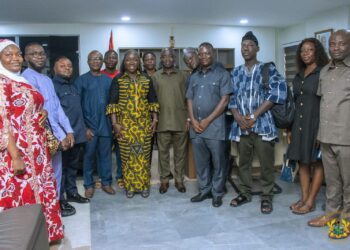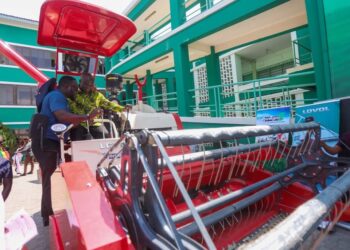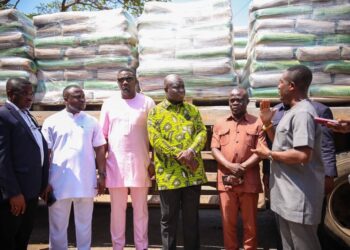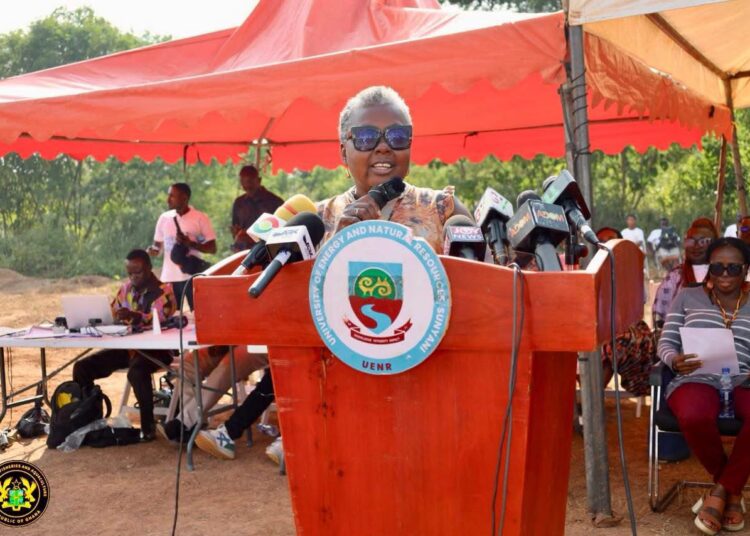
The Minister for Fisheries and Aquaculture, Hon. Emelia Arthur has officially commenced the 2026 World Fisheries Day celebrations in Sunyani with the Bono Fish Fair, bringing together fisheries stakeholders, policymakers, researchers, students and businesses to showcase local products, promote innovation and strengthen efforts towards sustainable fisheries management in Ghana.
The fair, held at the University of Energy and Natural Resources (UENR), was organised under the theme, “Sustaining Inland Fisheries for Food Security, Decent Jobs and a Resilient Blue Economy,” the importance of inland fisheries to livelihoods, nutrition, employment and economic development.
The opening event featured product exhibitions, a cooking competition among participating schools and poetry recitals, providing a platform for participants to demonstrate creativity, promote local fisheries products and raise awareness about the contributions of players across the fisheries value chain.
“Sustaining inland fisheries is critical to food security, employment generation, livelihoods and the long term resilience of Ghana’s blue economy.”
Minister for Fisheries and Aquaculture, Hon. Emelia Arthur
The Chairman, Osagyefo Ampem Anye Amoampong Tabrako III, officially declared the fair open, drawing attention to the growing threats posed by Illegal, Unreported and Unregulated (IUU) fishing and the urgent need for communities to take responsibility for protecting inland water bodies.
Protecting Inland Fisheries Resources
Inland fisheries remain an important source of food, income and employment for communities across Ghana, particularly those located along rivers, lakes, reservoirs and other freshwater bodies.
IUU fishing undermines fisheries management by contributing to the depletion of fish stocks, disrupting aquatic ecosystems and weakening the economic benefits derived from legitimate fishing activities.
The protection of inland water bodies requires effective enforcement of fisheries regulations, community participation, responsible fishing practices and increased awareness of the environmental consequences of unsustainable harvesting.
Addressing the gathering, Osagyefo Ampem Anye Amoampong Tabrako III emphasised the dangers associated with Illegal, Unreported and Unregulated fishing, urging communities and stakeholders to become actively involved in protecting inland water bodies.
“The threat posed by Illegal, Unreported and Unregulated fishing requires collective responsibility and active community participation in protecting inland water bodies.”
Osagyefo Ampem Anye Amoampong Tabrako III
The fair’s educational and recreational activities were designed to communicate these concerns to a wider audience, particularly young people, while encouraging them to appreciate the importance of fisheries conservation and responsible resource management.
Research, Investment And Innovation
The Bono Regional Minister, Hon. Joseph Addae Akwaboa Esq., encouraged participants to use the fair as an opportunity to showcase their products, exchange ideas and explore innovative approaches to strengthening the fisheries sector.
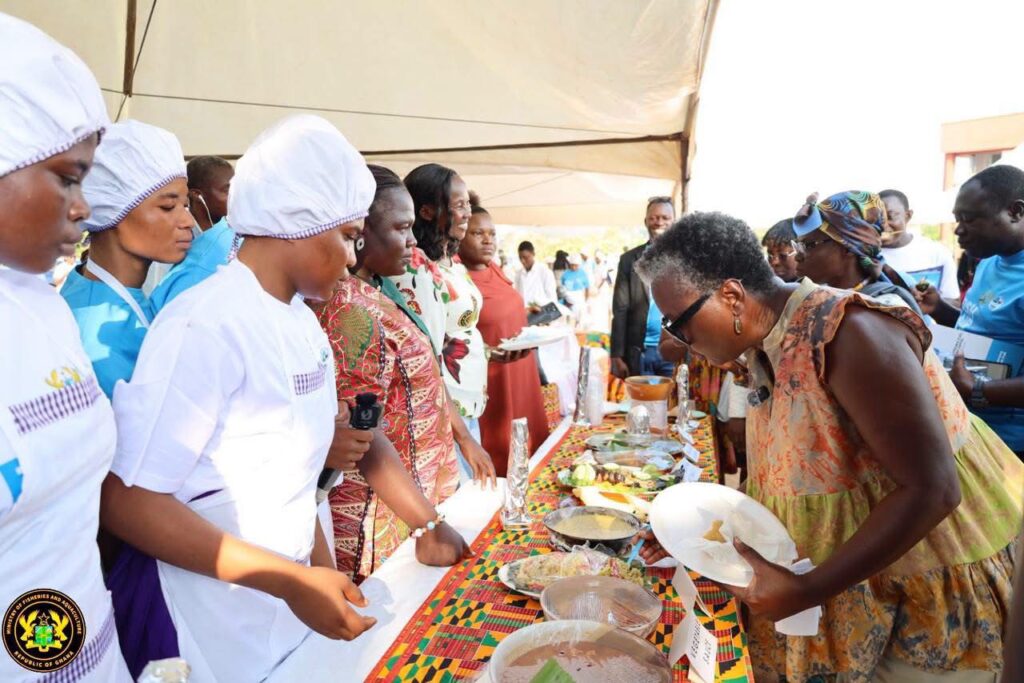
The Minister’s remarks highlighted the importance of creating an enabling environment for businesses operating within the fisheries value chain, particularly those involved in fish processing, packaging, distribution and marketing.
He stated that fish spoilage and post harvest losses remain important concerns in the fisheries sector, particularly where inadequate cold-chain facilities, poor handling practices and limited processing capacity affect the quality and shelf life of harvested fish.
Delivering the keynote address, the Minister for Fisheries and Aquaculture, Hon. Emelia Arthur, underscored the importance of strengthening collaboration with the University of Energy and Natural Resources to advance research, science and innovation in fisheries management.
“We Can’t Continue To Harvest Fish At The Expense Of Tomorrow’s Survival,” she stressed, calling for concrete action to protect the country’s fisheries resources.
The proposed collaboration between the Ministry and UENR is expected to strengthen the role of research and scientific evidence in fisheries management, particularly in addressing challenges affecting inland fisheries and developing solutions that respond to the needs of fishing communities.
Three Priorities For Fisheries Development
The Fisheries and Aquaculture Minister outlined three priority areas for advancing the sector: sustainable management, productive investment and jobs and economic opportunities.
Under sustainable management, the government is targeting the Inland Fisheries Management Plan to promote responsible resource utilisation, improve governance and create a framework for sustainable investment in inland fisheries.
The plan is expected to support the management of fisheries resources while addressing environmental and operational challenges confronting fishing communities and businesses.
The second priority, productive investment, focuses on improving landing sites, infrastructure, fish handling, processing, market access and safety throughout the fisheries value chain.
Investments in landing facilities, storage infrastructure, processing equipment and transportation systems can strengthen the quality of fisheries products, reduce losses and improve the commercial prospects of businesses.
The third priority centres on jobs and economic opportunities, recognising the fisheries sector’s potential to support employment beyond fishing itself.
Fish processing, packaging, distribution, retailing, aquaculture, equipment supply and other ancillary services offer opportunities for entrepreneurs, women, young people and communities seeking sustainable sources of income.
“Sustainable management, productive investment and employment creation are central to building a fisheries sector that supports food security and generates lasting economic opportunities.”
Minister for Food and Aquaculture, Hon. Emelia Arthur
The fair ultimately highlights the need for a fisheries sector that combines environmental sustainability with economic development, ensuring that Ghana’s aquatic resources continue to support livelihoods, provide nutritious food and create opportunities for generations to come.
READ ALSO:Mahama Calls for More Ghanaian-Owned Processing Factories Nationwide