President John Dramani Mahama has urged churches and households to strengthen mentorship, guidance and protection for young people, highlighting the pressures confronting the younger generation in a rapidly changing world.
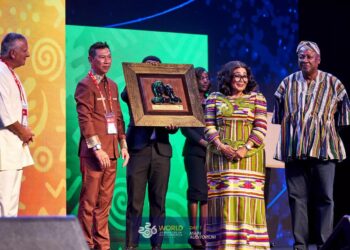
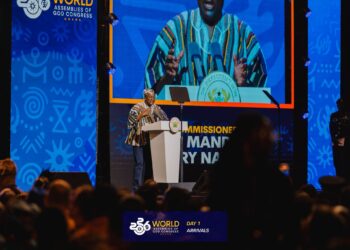
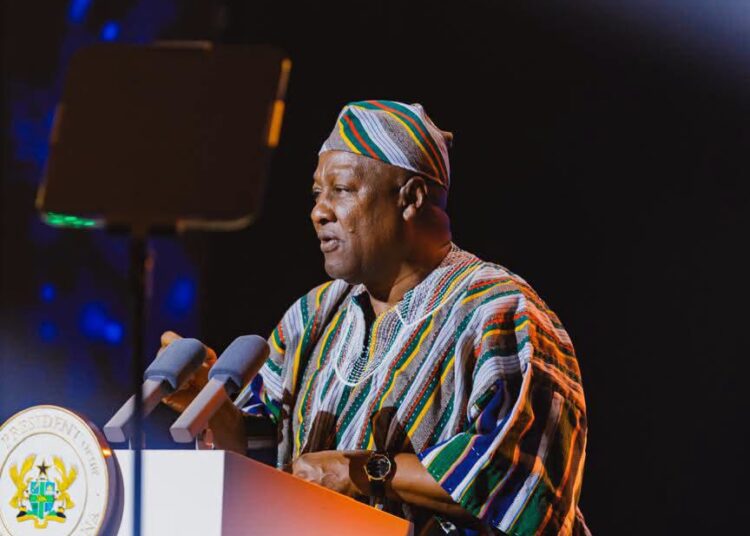
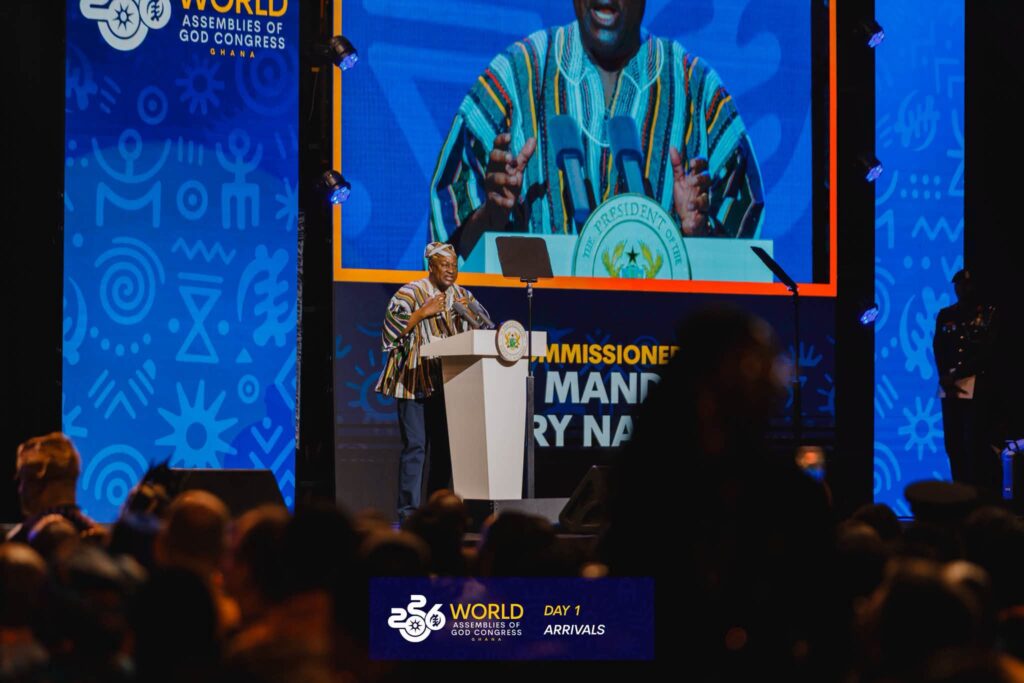
Speaking at the opening session of the 10th Triennial Congress of the World Assemblies of God Fellowship at the Accra International Conference Centre on Wednesday, October 14, 2026, President Mahama called on religious leaders and families to create supportive environments where young people can ask questions, develop their abilities and assume meaningful responsibilities.
He also urged churches to protect children and vulnerable people through responsible conduct, clear safeguards and accountability, stressing that spiritual authority carries a duty of care.
“Our young people are growing up in a world that is completely different from the world we grew in. Their world offers extraordinary possibilities, but it also brings on them intense pressures.”
President John Dramani Mahama
He noted that digital connectivity allows young people to interact across continents but also exposes them to constant comparisons, misinformation and competing expectations about who they should become.
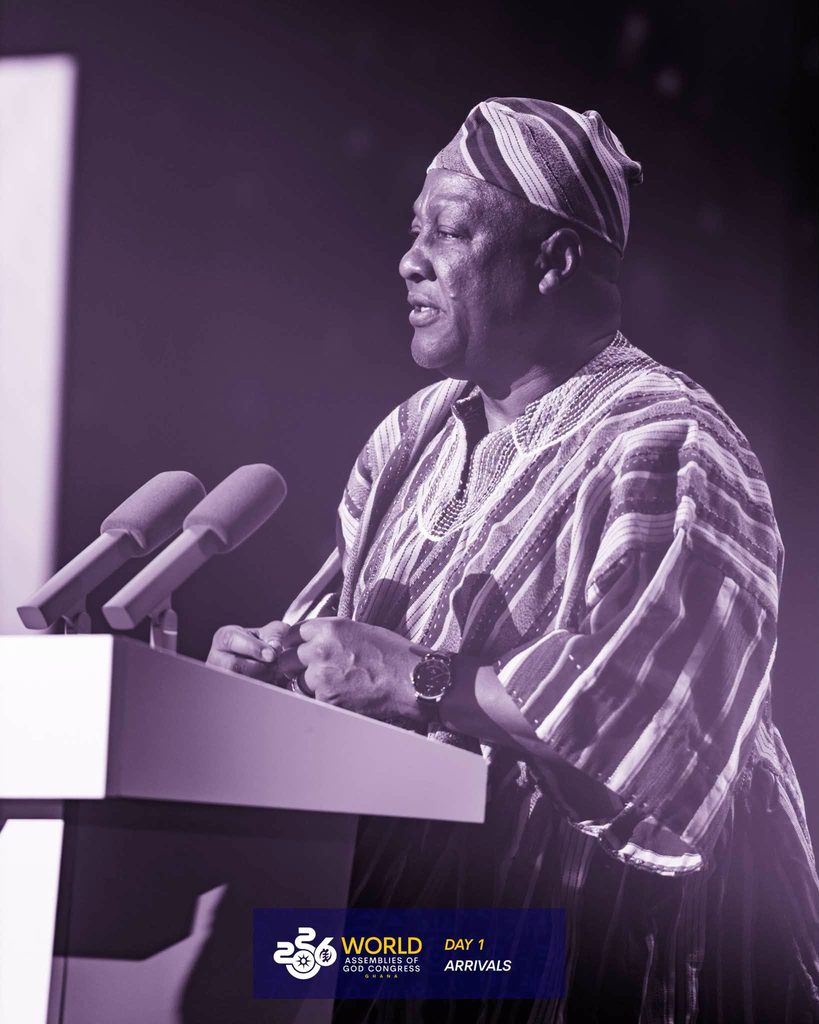
“Our young people are searching for a sense of purpose in their lives,” the President stated, adding that many carry anxieties they struggle to express. Drawing on his experience as a father who has raised children of the current generation, President Mahama said he understood some of the challenges confronting young people.
He argued that churches and households must respond by creating spaces where young people can speak openly, receive thoughtful guidance and have their abilities recognised.
The President maintained that young people should not merely participate in religious and community activities but must also be entrusted with responsibilities that allow them to contribute meaningfully.
President Urges Churches to Prioritise Mentorship
President Mahama called on religious leaders to become mentors who listen to young people, provide opportunities for service and demonstrate the values they expect the younger generation to uphold.
“And so, let us all be mentors to our younger generation,” he urged delegates attending the global gathering. He emphasised that mentorship must extend beyond verbal advice, requiring adults to set examples of integrity that young people can observe and follow.
According to the President, churches have an important role in helping young people navigate the pressures of contemporary society while discovering their purpose and developing their potential.
His appeal placed responsibility on both religious institutions and families to provide guidance and create opportunities for younger people to participate in meaningful activities.
President Mahama also encouraged the Congress to consider how its deliberations could produce practical outcomes that would benefit communities after delegates returned to their respective countries.
With more than 10,000 participants attending the Congress, he expressed hope that the gathering would strengthen partnerships between churches, support communities facing hardship and create opportunities for young people.
Mahama Calls for Stronger Child Protection Measures
Beyond mentorship, the President stressed the need for churches to establish environments where children and vulnerable people are safe. He warned that spiritual authority comes with an obligation to protect those who depend on religious institutions for guidance, support and care.
“The church should also be a safe place for children and vulnerable people,” President Mahama stated. He called for responsible conduct, clear safeguards and accountability to protect the trust placed in religious leaders and institutions.
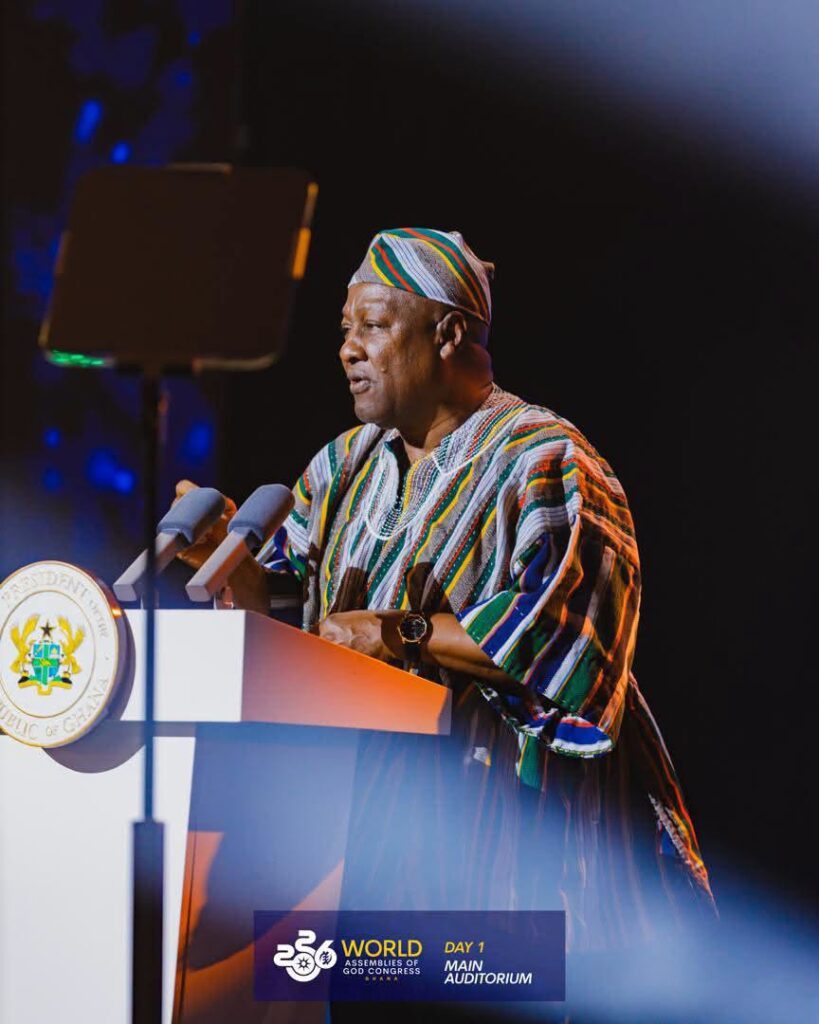
The President’s remarks highlighted the importance of ensuring that churches’ responsibilities extend beyond spiritual instruction to include the protection and welfare of people within their communities.
He did not outline specific safeguarding measures during the address but urged religious institutions to recognise the responsibilities attached to their authority.
His appeal formed part of a broader message that religious leadership must be reflected in conduct that protects others and demonstrates compassion.
Women’s Leadership Also Deserves Recognition
President Mahama also called for greater recognition of women whose work sustains church life, urging religious institutions to value their contributions, wisdom and leadership. He argued that a fellowship preparing for the future must make room for those equipped to serve, including women whose roles and abilities deserve to be heard and appreciated.
The President linked this call to the need to prepare younger generations and strengthen the institutions that support them. He encouraged delegates to translate the Congress’s discussions into practical commitments, including mentoring young people, supporting schools and helping congregations serving under difficult conditions.
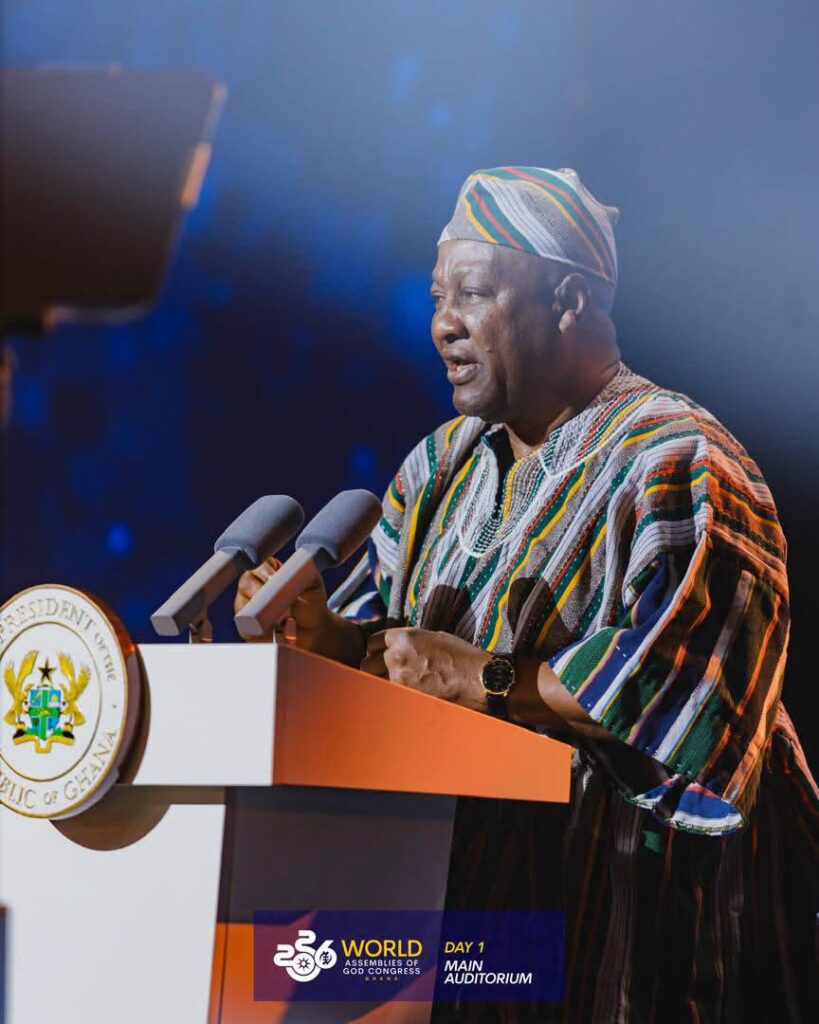
President Mahama concluded by expressing hope that participants would return to their communities with renewed purpose and establish partnerships that would continue beyond the gathering.
He maintained that the lasting impact of the Congress would be measured not simply by its deliberations but by the lives improved through the actions of those who attended. His message placed mentorship, child protection and the meaningful inclusion of women among the responsibilities religious institutions must embrace as they prepare for the future.
READ ALSO: WHO Chief Urges Stronger Healthcare Systems in Eastern Mediterranean