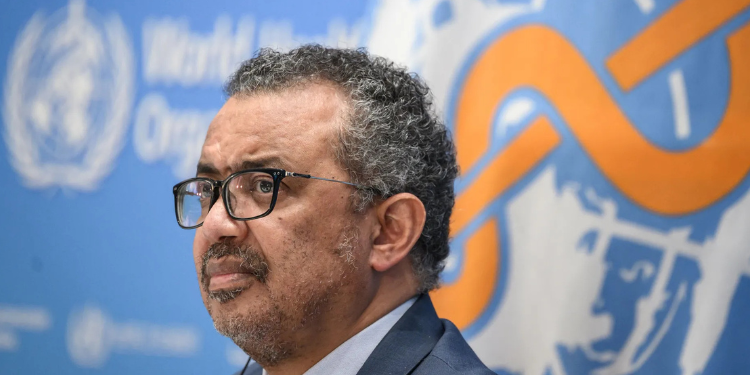
The Director-General of the World Health Organization (WHO), Tedros Adhanom Ghebreyesus, has urged governments across the Eastern Mediterranean to strengthen healthcare systems, protect health workers and increase investment in emergency preparedness as humanitarian needs continue to rise across the region.
Speaking at the WHO Regional Committee meeting in Cairo, Egypt, the WHO Chief highlighted the growing pressure on healthcare services amid conflicts, mass displacement, attacks on medical facilities and declining international funding.
The region, which spans 22 countries and territories, includes some of the world’s most severe humanitarian emergencies, particularly in Sudan, Yemen and the Occupied Palestinian Territory.
Presenting the annual regional report, the WHO Chief indicated that “over the past year, Member States have continued to advance the health and wellbeing of their people, often under the most difficult circumstances.”
Also, Tedros stressed the need to promote health, provide equitable access to healthcare and protect populations from emerging threats, urging governments to sustain investment in health systems despite mounting financial and operational constraints.
Humanitarian Crises Displace Millions
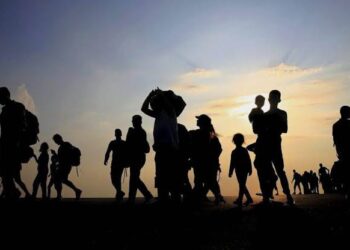
The Director-General of the World Health Organization further described the Eastern Mediterranean as the epicentre of global humanitarian need, with more than 117 million people requiring humanitarian assistance amid persistent conflicts and displacement emergencies.
Several countries and territories continue to experience humanitarian crises that have disrupted essential services and left millions struggling to access adequate medical care. Sudan, Yemen and the Occupied Palestinian Territory remain among the areas facing severe humanitarian pressures.
The WHO Chief expressed concern about attacks on healthcare facilities and personnel, which continue to undermine the delivery of essential services in already fragile health systems.
“We continue to see an appalling number of attacks on healthcare, and climate-related shocks continue to place additional pressure on already fragile health systems.”
Tedros Adhanom Ghebreyesus
Conflict-related disruptions, population displacement and climate-related emergencies are compounding existing public health challenges, making it increasingly difficult for healthcare providers to respond to growing demands.
The situation is further complicated by a sharp decline in international funding for healthcare and humanitarian operations, alongside mounting fiscal constraints facing governments across the region.
“At the very moment when needs are increasing, resources are declining,” Tedros stated.
WHO Calls for Greater Investment in Prevention and Primary Healthcare
Despite the challenges, Tedros Adhanom Ghebreyesus urged governments to maintain efforts to prevent disease and expand access to essential healthcare, particularly as noncommunicable diseases continue to account for a significant proportion of deaths across the region.
Cardiovascular disease, cancer and diabetes account for approximately two-thirds of all deaths in the Eastern Mediterranean, resulting in more than 2.8 million deaths annually.
He called for stronger measures to reduce tobacco use and other risk factors associated with noncommunicable diseases, alongside sustained efforts to ensure that every child receives recommended vaccinations.
The WHO Chief also stressed the importance of investing in equitable and resilient healthcare systems, with particular attention to primary healthcare facilities and the health workers responsible for delivering services.
“Make every primary healthcare facility a place where a woman can receive quality care during pregnancy, where every newborn and child can get a healthy start in life and where hypertension, diabetes and cancer can be detected and managed early.”
Tedros Adhanom Ghebreyesus
Strengthening primary healthcare, he indicated, would help governments address preventable illnesses, improve maternal and child health outcomes and detect serious diseases before they become more difficult and expensive to manage.
Preparedness and Resilience Identified as Priorities
Moreover, the WHO Chief called on regional governments to strengthen emergency preparedness, health security and resilience as conflicts, disease outbreaks and climate-related risks continue to evolve.
He emphasised that governments must prepare for emergencies before they occur, rather than waiting until crises overwhelm healthcare systems and humanitarian response mechanisms.
“The threats facing this region are evolving. Preparedness cannot be an afterthought. Preparedness saves lives before emergencies begin.”
Tedros Adhanom Ghebreyesus
The WHO Chief urged governments to continue investing in disease surveillance, laboratory capacity, emergency response workforces, resilient health facilities and reliable supply chains to ensure that health systems can respond effectively to future emergencies.
Such investments are particularly important for countries where conflict and displacement have weakened public services and limited the capacity of health authorities to respond to sudden increases in medical needs.
The call also reinforces the importance of maintaining essential healthcare infrastructure and ensuring that medical supplies and trained personnel remain available during emergencies.
READ ALSO: Cedi Climbs to GH¢11.65 After GoldBod’s FX Intervention