The Chamber of Aquaculture Ghana has intensified efforts to strengthen Ghana’s aquaculture value chain through an industry visit to De Heus Animal Nutrition-Ghana.
The initiative is to bring together public and private sector stakeholders to explore opportunities for improving local fish feed production, farm productivity and sustainable aquaculture development.
The engagement forms part of ongoing industry visits under the 24-Hour Economy and Accelerated Export Development initiative, which seeks to identify opportunities for expanding productive capacity, strengthening domestic value chains and creating economic opportunities through increased production and exports.
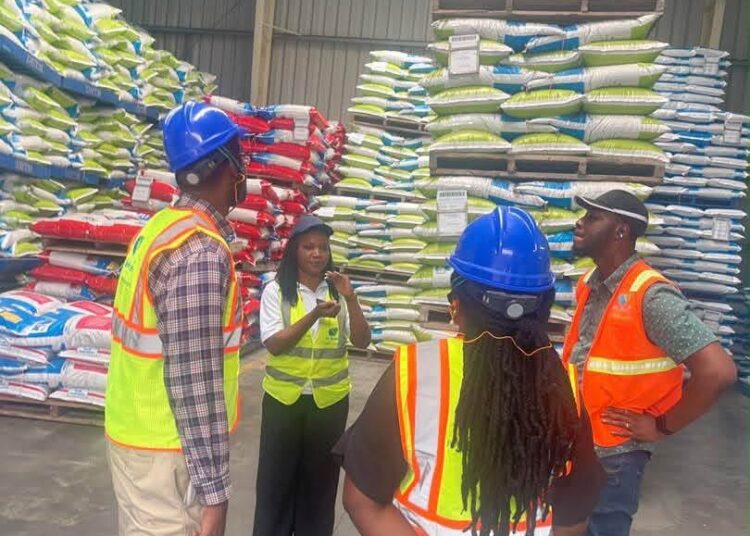
Led by Dr. Georgina Pegu, Senior Lead for Project Development and Blue Economy at the 24-Hour Economy and Accelerated Export Development, the delegation was welcomed by Samirah Saah Raji, Commercial Manager at De Heus Animal Nutrition-Ghana.
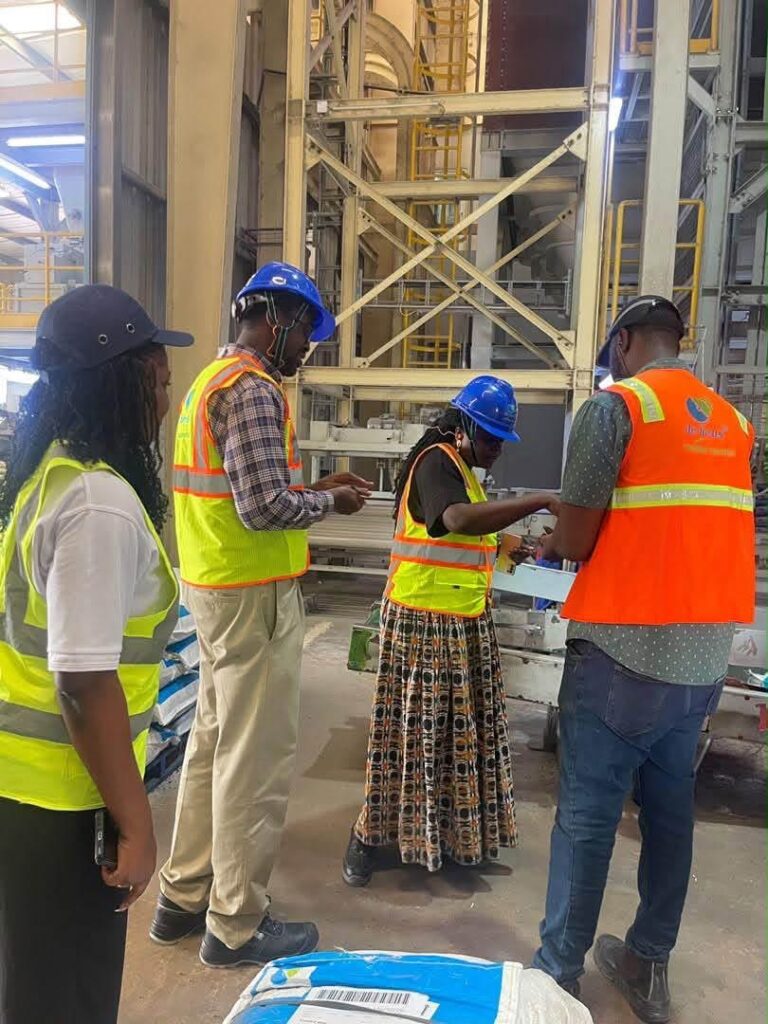
The team toured the company’s factory to gain firsthand knowledge of its operations and contribution to Ghana’s animal nutrition industry.
”The visit provided an opportunity for stakeholders to examine the role of locally produced animal feeds in supporting aquaculture businesses, improving farm performance and strengthening collaboration between government institutions and private sector operators.”
The Chamber of Aquaculture Ghana
Local Feed Production Key to Growth
The engagement comes as Ghana continues to pursue higher domestic fish production to improve food security, reduce dependence on imported fish and create employment across the fisheries and aquaculture value chain.
According to the Ministry of Fisheries and Aquaculture’s national sector development plan, Ghana’s average aquaculture production between 2015 and 2022 stood at approximately 71,186 metric tonnes annually.
The sector recorded relatively low productivity, estimated at 5.5 metric tonnes per hectare per year, while high feed costs, limited access to quality fingerlings, disease outbreaks and inadequate investment continued to constrain expansion.
More recent figures show signs of progress. Ghana’s 2024 National Annual Progress Report records aquaculture production of 121,809 metric tonnes, up from 116,108 metric tonnes in 2023.
However, production remained below the 2024 target of 145,500 metric tonnes, highlighting the need for sustained investment in productivity, technology and reliable production inputs.
Fish feed is particularly important because it directly influences production costs, growth rates, harvest sizes and the profitability of aquaculture businesses. A report published in May 2024 identified rising feed, electricity and water costs as major pressures on fish farmers, with some operators reportedly shutting down because of the financial burden.
De Heus Animal Nutrition-Ghana produces feed for poultry, aquaculture, pigs and rabbits, supplying farmers with nutrition products intended to support production performance. Its aquaculture range includes feeds formulated for tilapia and catfish at different stages of growth.
The company’s technical guidance highlights the importance of selecting appropriate feed sizes, nutritional compositions and feeding rates according to fish species, size and farming conditions. These factors can influence feed utilisation, growth uniformity and the efficient use of resources on fish farms.
‘’Strengthening the domestic feed supply chain is an important part of improving aquaculture competitiveness, particularly where production costs affect farmers’ ability to expand operations, maintain consistent output and supply affordable fish to the market.’’
The Chamber for Aquaculture Ghana
Industry Partnerships Support Investment
The factory tour also offered stakeholders an opportunity to understand how local feed manufacturing can support the broader aquaculture industry, from fish farming and input distribution to processing, marketing and employment.
The company says the investment was intended to meet growing demand for quality feed produced in Ghana while contributing to employment, improved livelihoods and knowledge sharing within the agricultural sector.
For Ghana’s aquaculture industry, the availability of locally manufactured feed can help strengthen the connection between input suppliers and fish farmers.
However, the wider benefits depend on factors including feed affordability, product quality, access to finance, efficient distribution and farmers’ ability to adopt appropriate feeding and farm management practices.
The engagement under the 24-Hour Economy and Accelerated Export Development initiative therefore provides a platform for identifying practical areas of cooperation between policymakers, feed manufacturers and aquaculture businesses.
Such collaboration could support efforts to improve production efficiency, expand investment opportunities and develop a more coordinated value chain capable of supplying domestic consumers and meeting potential export demand.
The Chamber of Aquaculture Ghana continues to facilitate engagement between public institutions and private operators as part of efforts to address industry challenges and promote sustainable growth.
Code of Good Practice Promotes Sustainability
Beyond feed production, the visit highlights the importance of responsible farming practices in building a competitive aquaculture industry. De Heus Animal Nutrition-Ghana is a lead sponsor of the Chamber of Aquaculture Ghana’s Code of Good Practice (CoGP), an industry-led initiative promoting responsible, sustainable and commercially competitive aquaculture.
The Chamber has described the CoGP as a voluntary framework designed to help aquaculture businesses improve operational practices, strengthen record-keeping and provide credible information to investors, financial institutions and buyers.
It is intended to support investment readiness and market access rather than introduce a new mandatory certification or regulation.
Effective implementation of good practices can help businesses improve farm management, maintain better production records and demonstrate responsible operations to potential commercial partners.
These measures are particularly relevant as the industry seeks to attract investment and expand production without compromising environmental sustainability.
”Building a competitive aquaculture sector requires more than increased fish production. Reliable inputs, sound farm management, responsible production practices and stronger public-private partnerships must work together to deliver sustainable commercial growth.”
The Chamber for Aquaculture Ghana
The Chamber’s engagement with De Heus reflects a broader effort to connect industry expertise with national development priorities.
The involvement of feed manufacturers, fish farmers, government institutions and research organisations can help identify practical solutions to production constraints and improve coordination across the value chain.
For Ghana, the opportunity lies in translating these engagements into measurable improvements in productivity, business performance, investment and market access.
As the industry visits continue, stronger collaboration between public institutions and private enterprises will remain important to expanding aquaculture production, supporting local businesses and positioning Ghana’s fish farming industry for sustainable growth.
READ ALSO:MoE Appeals to TUTAG, GAUA to End Strike