Deputy Minister for Lands and Natural Resources, Hon. Dr. Alhaji Yusif Sulemana (MP), has declared that Ghana’s primary objective in its mining sector is no longer merely to extract and export raw mineral resources.
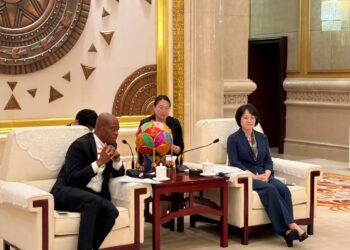
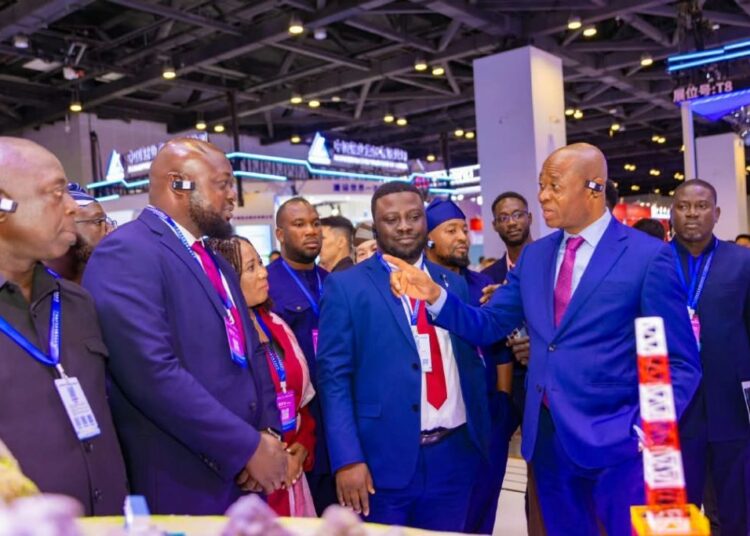
Speaking at the 2026 China (Guangxi)-ASEAN Mining Cooperation Conference held in Nanning, China, the Deputy Minister issued a direct challenge to Chinese investors and global industry executives, urging them to pivot from simple resource exploitation toward strategic partnerships centered on local processing, technology transfer, and domestic industrial development.
“Presentations were aimed at giving the international investment community a clearer picture of Ghana’s mining landscape and opening the door to meaningful business engagements and strategic partnerships.”
Hon. Dr. Alhaji Yusif Sulemana (MP),
Expanding on this position, Hon. Sulemana detailed Ghana’s overarching strategy of transforming its immense natural mineral wealth into sustainable, long-term national economic benefits.
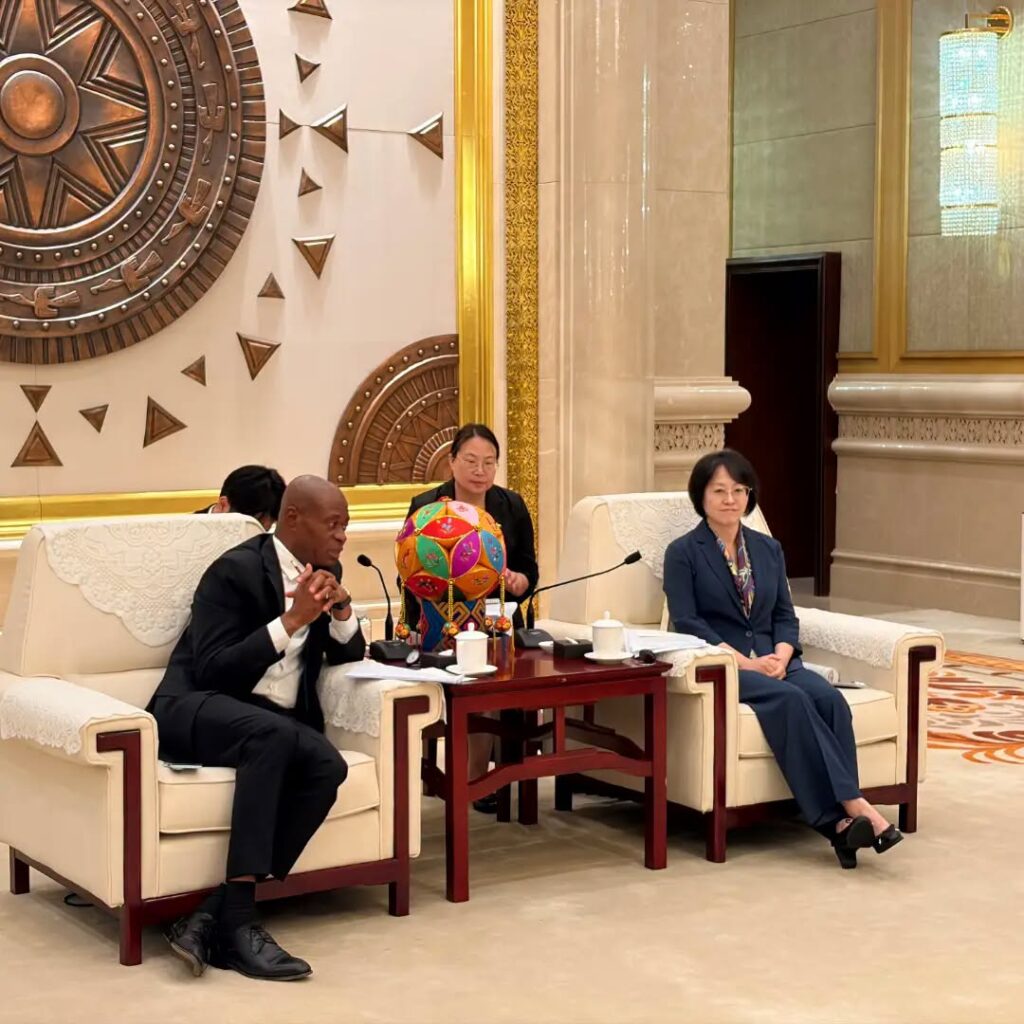
The government’s refined vision prioritizes building robust domestic capacity for mineral processing, generating sustainable employment, accelerating technical skills acquisition, and ensuring that a significantly higher share of resource value is retained within the local economy.
He emphasized that this strategic economic shift directly aligns with President Mahama’s executive directive issued at the Mining in Motion Summit, which formally sets a target to end the export of raw, unprocessed minerals by the year 2030 as a foundational pillar of the national beneficiation agenda.
Ghana’s Mineral Wealth and Institutional Readiness
Ghana currently holds a dominant position in global commodity markets as Africa’s leading gold producer and the world’s sixth-largest gold exporter, backed by massive geological reserves of gold, bauxite, iron ore, lithium, graphite, and salt.
To reassure international financiers and institutional investors, Hon. Sulemana stressed that the country’s extractive operations are firmly anchored within transparent, mature, and predictable legal and regulatory frameworks.
Institutional governance is structurally divided between the Ghana Geological Survey Authority (GGSA) which generates critical baseline geological datasets to de-risk investment and direct exploration and the Minerals Commission, which acts as the primary regulatory body overseeing sector compliance, licensing, and operational standards.
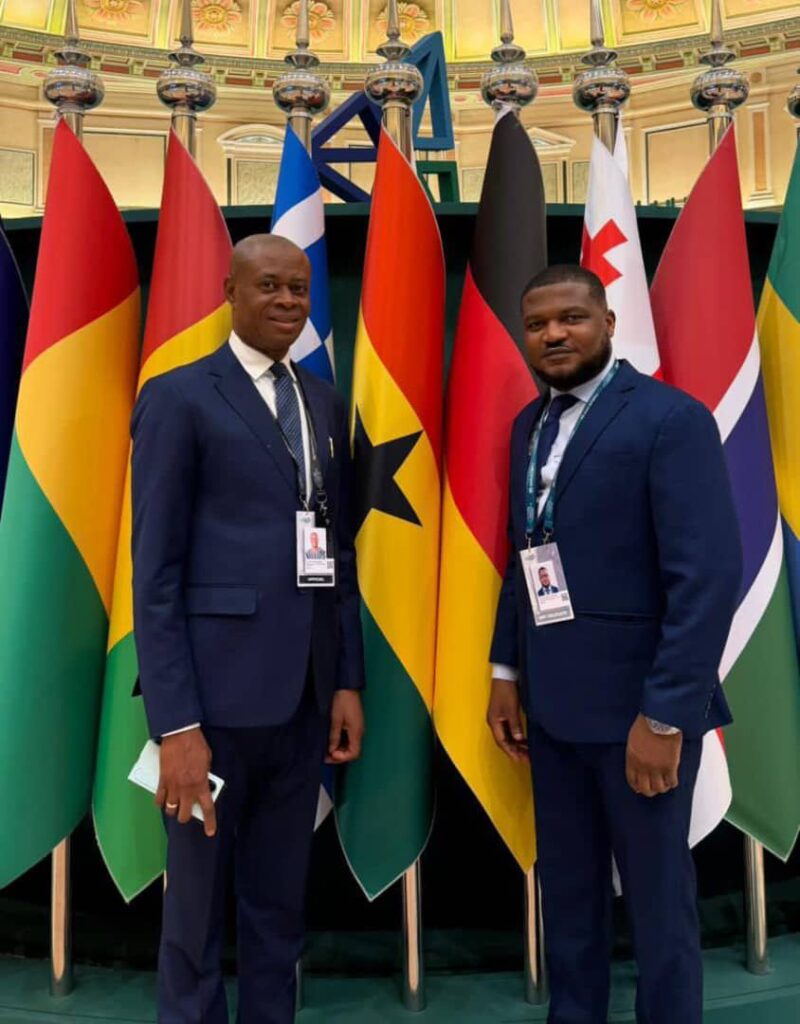
Presenting five targeted areas for international cooperation, the Deputy Minister highlighted geological exploration, digital mining integrating artificial intelligence, advanced mineral processing, institutional capacity building, and sustainable mining practices.
He called for collaborative operational technical assistance in active mine monitoring, environmental rehabilitation, pollution mitigation, and modern water and mine waste management systems.
Following the main summit, Hon. Sulemana opened the Ghana National Mining Promotion Session, where high-level state regulatory executives including Dr. Prosper Akaba of the GGSA, Mrs. Justina Nelson of the Minerals Income Investment Fund (MIIF), and Mr. Maxwell Klu of the Minerals Commission presented structured pitch decks mapping geological assets, capital deployment vehicles, and institutional support mechanisms available to prospective foreign corporate entities.
The Strategic Imperative for Domestic Mineral Beneficiation
The drive toward mandatory local value addition addresses a historical structural flaw long prevalent in African resource-rich economies: the “resource curse” of raw commodity export.
Historically, reliance on raw exports has exposed the national economy to violent external price volatility, trade deficits, and severe value leakage, where the vast majority of refining margins, secondary industrial profits, and high-tech manufacturing jobs remain locked in consuming overseas nations.

By shifting policy toward in-country refining and manufacturing particularly with industrial metals like bauxite for aluminum production, iron ore for steel, and lithium for energy storage batteries Ghana captures downstream value chains that stimulate broad-based industrialization, expand the national tax base, and safeguard domestic currency stability.
Furthermore, integrating advanced technological expertise from global industrial leaders like China is essential for modernizing traditional extractive practices.
Leveraging foreign capabilities in artificial intelligence, precise resource mapping, and heavy machinery manufacturing enables Ghana to transition toward eco-friendly processing techniques and reduced carbon intensities.
Establishing environmental monitoring, effective mine site reclamation, and stringent tailings management addresses historical ecological degradation and water pollution, creating a resilient, environmentally sustainable mining ecosystem capable of supporting long-term economic growth well into the future.
READ ALSO: Five Ghanaians Killed In USA In 2026