
Ghana’s latest effort to reduce the financial burden of its electricity sector has secured a significant concession from independent power producer Cenpower Generation Limited, but the agreement also extends the company’s commercial relationship with the state by another decade, placing renewed attention on the long-term cost of power procurement.
Under an amended and restated Power Purchase Agreement (PPA), Cenpower has agreed to reduce outstanding arrears owed by the Government of Ghana by US$66 million, from a debt that had reached approximately US$400 million at one point.
In return, the company receives a 10-year extension to its existing power supply contract and has agreed to reduce the tariff charged for electricity supplied to the national offtaker, the Electricity Company of Ghana (ECG).
The agreement, announced during a ceremony marking a decade since the commencement of construction of the Kpone Independent Power Plant, represents another attempt to address the legacy financial obligations that have weighed on Ghana’s electricity market.
For Cenpower’s Board Chairman, Samuel Nana Brew-Butler, the debt concession was a decision taken in the interest of the country.
“If you remember, I said at one stage, what was outstanding was about $400 million, but it’s our country, so that sacrifice had to be made,” he said.
The concession is substantial, but it is not a standalone debt settlement. It forms part of a renegotiated commercial arrangement in which the government secures immediate relief on its outstanding obligations while Cenpower obtains a longer period to supply electricity and a revised tariff structure.
The central question is whether the changes will deliver lasting savings for the electricity sector or simply redistribute the cost of existing obligations over a longer contractual period.
Debt Relief Comes With A Longer Contract
The amended PPA changes the financial relationship between Cenpower and the state-owned electricity buyer. Rather than relying solely on payments to clear the outstanding debt, the revised arrangement combines a reduction in arrears with changes to the duration and pricing of the supply agreement.
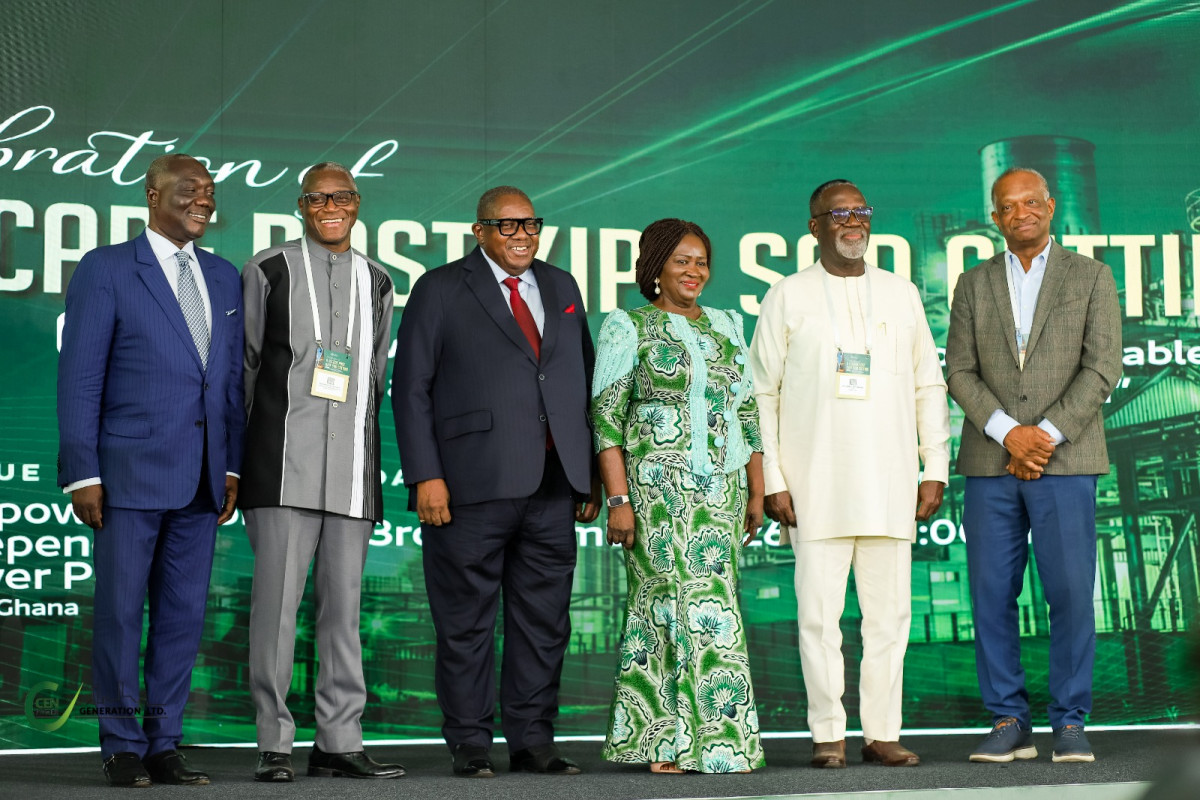
Brew-Butler described the 10-year extension as part of the concession negotiated with government.
“As a gesture, the government also decided to give us a 10-year extension of the PPA.”
He also confirmed that the agreement included “a reduction in the tariff we are giving.”
The arrangement offers immediate fiscal relief, but the longer contract means Cenpower will remain a supplier to the national offtaker for an extended period.
Its overall value will therefore depend on the revised tariff, the volume of electricity purchased, the plant’s availability and the terms governing payments throughout the extended period.
Neither the revised tariff nor the remaining balance of the government’s obligations to Cenpower was disclosed in the reports surrounding the announcement. The new expiry date of the agreement was also not made public.
These details matter because a debt concession should not be assessed only by the amount written off. The financial implications of the extended contract must also be considered, particularly where the government is seeking to reduce the cost of electricity procurement and limit the accumulation of new arrears.
Without transparent disclosure of the revised commercial terms, consumers and other sector stakeholders cannot fully determine the extent of the savings secured through the renegotiation.
Legacy Arrears Reveal The Cost Of Weak Payment Discipline
Cenpower’s concession comes against the background of a wider financial crisis in Ghana’s electricity sector, where delayed payments to power producers and fuel suppliers have repeatedly strained the operations of companies responsible for keeping electricity flowing.
The government had paid approximately US$59 million to Cenpower in 2025 as part of its programme to settle legacy debts owed to independent power producers.
However, the accumulated obligations to the company had previously reached about US$400 million, illustrating the scale of the payment difficulties that can develop when contractual commitments are not met consistently.
The broader cost of addressing the sector’s financial obligations has been considerable. Ghana spent GH¢22.67 billion in 2025 to cover energy-sector shortfalls and legacy debts.
Of that amount, GH¢4.54 billion went towards legacy obligations owed to independent power producers. The 2026 Budget also projected energy-sector shortfall financing of GH¢15.2 billion.
These figures demonstrate that the Cenpower agreement is part of a much larger challenge. Government can negotiate individual concessions and settle accumulated invoices, but the sector will remain vulnerable if the underlying problems responsible for recurring shortfalls are not addressed.
Expensive power purchase agreements, weaknesses in revenue collection and system losses have all featured in discussions about the sector’s financial difficulties.
The renegotiation of contracts may reduce some costs, but it cannot independently resolve the gap between electricity revenues and the obligations incurred by the sector.
Government Says Renegotiations Are Part Of A Wider Reset
Vice President Professor Jane Naana Opoku-Agyemang, who attended the Cenpower ceremony, linked the revised agreement to government’s broader efforts to improve the financial position of the electricity sector.
She acknowledged that the government inherited serious difficulties, including substantial debt obligations, and said efforts had been made to settle arrears owed to independent power producers and gas suppliers.
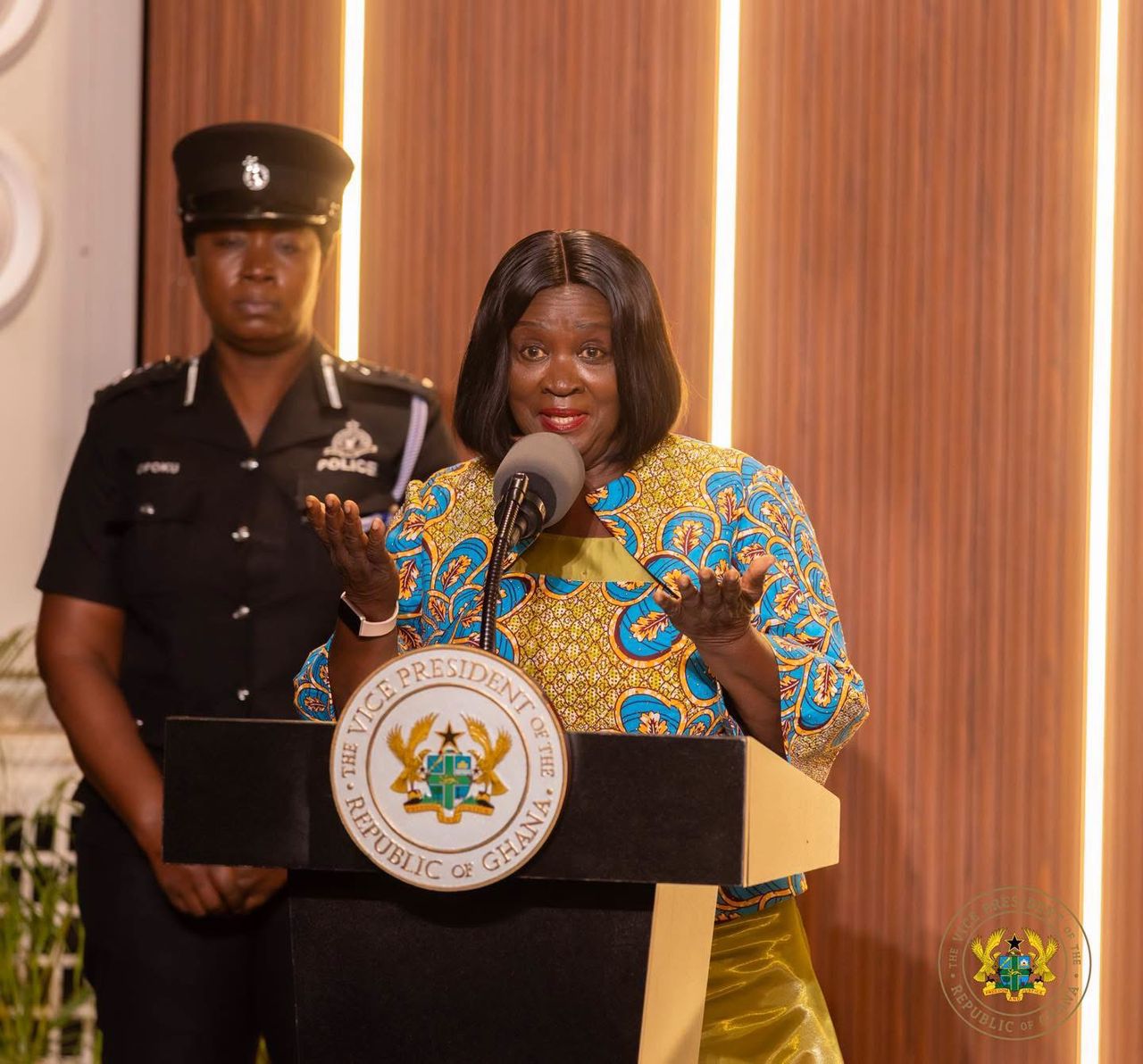
The Vice President said the government was also working to improve payment discipline and restore confidence among energy-sector investors.
“Beyond generation capacity, we are working to ensure that electricity remains reliable, affordable and accessible, particularly for underserved communities,”
Her remarks reflect the connection between the financial health of the power sector and the reliability of electricity supply. Generators require predictable payments to meet operating costs, maintain equipment and secure fuel.
Where payments are delayed, the consequences can extend beyond the balance sheets of individual companies to the reliability of the entire electricity system.
However, renegotiated contracts will only deliver sustainable improvements if government and sector institutions can maintain payment discipline after the immediate debt relief has been secured.
The Commercial And Public Interest Must Be Balanced
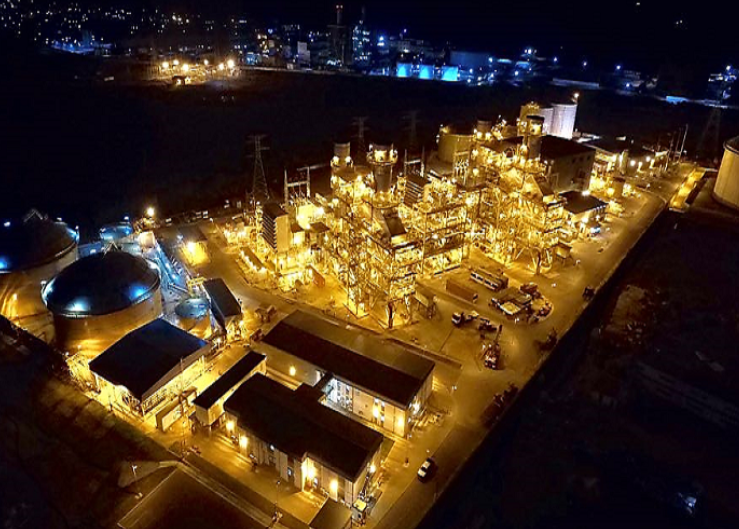
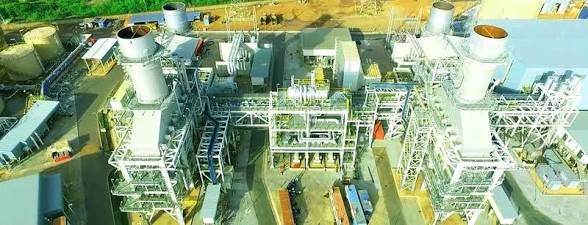
Cenpower operates the Kpone Independent Power Plant in the Tema industrial area, a facility reported to have a capacity of 375MW.
The plant supplies electricity to ECG and has become an important contributor to Ghana’s generation capacity.
Its decade of development and operations also highlights the role of private investment in expanding the country’s electricity infrastructure.
But the financial relationship between independent power producers and the state remains a critical part of determining whether such investments can be sustained without creating repeated fiscal pressures.
The Vice President also acknowledged Cenpower’s contribution beyond electricity generation, particularly its engagement with communities around the plant.
“Cenpower’s contribution extends beyond electricity generation to the communities around the plant,” she said, referring to the company’s efforts to address plastic pollution along the Sega Beach shoreline and its environmental education initiatives at Paul Methodist School.
She urged the company to maintain its engagement with surrounding communities and remain attentive to the environmental and social consequences of its operations.
The broader policy challenge, however, remains the financial sustainability of the electricity market. The state must honour contractual obligations, while power producers must operate under terms that are commercially viable and consistent with the public interest.
Cenpower’s US$66 million concession provides the government with some relief and the tariff reduction offers the prospect of lower procurement costs.
Yet the full value of the agreement will only become clear when the revised tariff, outstanding debt balance and long-term contractual implications are made public.
For Ghana, the more important test is whether this renegotiation becomes part of a lasting shift away from recurring arrears towards a power sector in which electricity purchases are matched by reliable revenues and predictable payments.
The agreement may reduce one part of the debt burden. Preventing another from accumulating will require deeper financial discipline across the entire electricity value chain.
READ MORE: GSE Ends Week on Positive Note as Market Indices Recover