
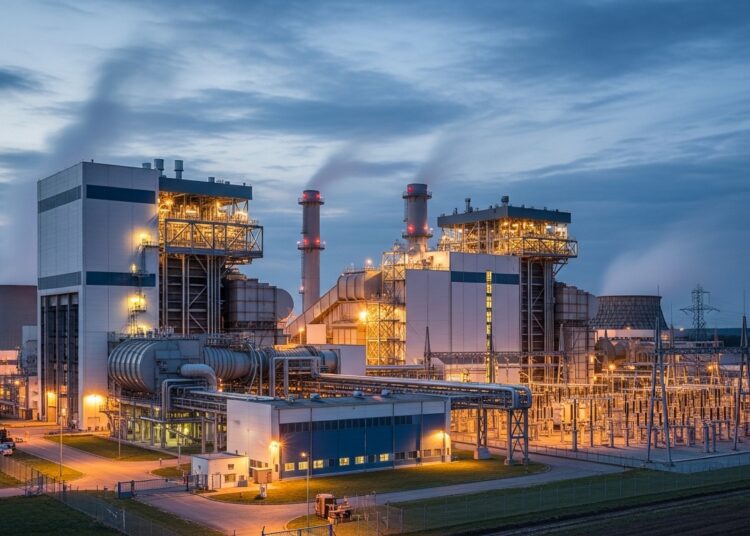
Driving at night from Tema Oil Refinery toward Kpone offers more than just a routine commute along one of Ghana’s busiest industrial corridors. It is an experience defined by steel structures, energy infrastructure and the glow of industrial ambition.
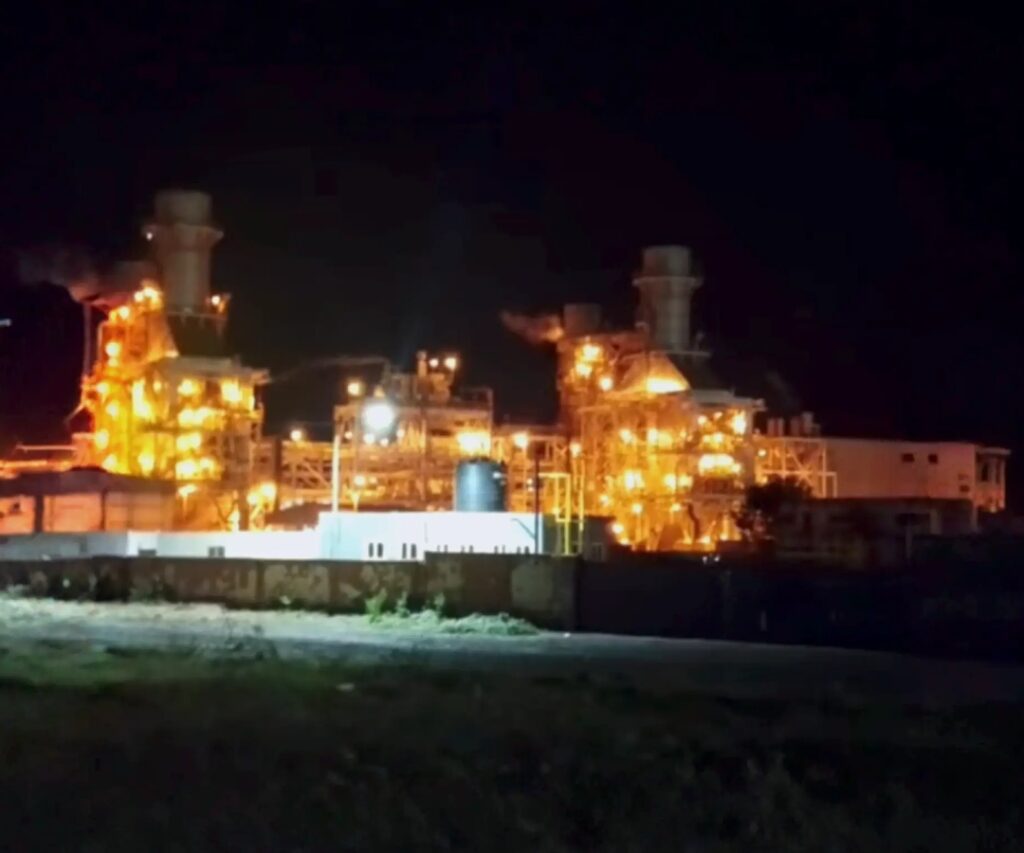
Along that stretch, one facility stands out prominently against the night sky, the 350-megawatt combined-cycle, multi-fuel power plant operated by Cenpower Generation Company Ltd. Illuminated in brilliant white and amber lights, the plant commands attention, transforming the skyline into a symbol of Ghana’s evolving energy landscape.
The Cenpower facility, strategically located between Tema and Kpone, is one of Ghana’s key thermal power plants. Its towering stacks and complex network of turbines and pipelines become even more striking after sunset, when the plant glows against the darkened coastal horizon.
Motorists and residents alike often describe the view as “captivating”. The interplay of light and industrial architecture gives the impression of a city within a city, a hub of continuous activity that never sleeps.
Energy experts note that beyond its aesthetic appeal, the plant represents critical infrastructure supporting Ghana’s power supply stability.
With a generation capacity of 350 megawatts, the combined-cycle facility is designed to operate efficiently by utilising both gas and other fuel options, ensuring reliability even when primary fuel supplies fluctuate.
Supporting a 24-Hour Economy Vision
The plant’s significance extends beyond electricity generation. Its operations align closely with the broader industrialisation agenda championed by John Dramani Mahama, particularly the vision of a 24-hour economy aimed at boosting productivity and job creation.
Stable and reliable power remains a cornerstone of that ambition. Manufacturing plants, logistics companies, refineries and small businesses operating along the Tema-Kpone industrial enclave depend heavily on uninterrupted electricity to sustain round-the-clock production.
The illumination of the Cenpower plant at night symbolises more than operational activity; it reflects the infrastructure backbone required to power continuous economic engagement.
One observer along the route remarked, “When you see the plant fully lit at night, it gives you confidence that industry is alive and working.”
While the comment captures public sentiment, the technical importance is equally compelling. Combined-cycle plants are recognised for higher efficiency compared to simple-cycle plants, as they harness waste heat from gas turbines to produce additional electricity through steam turbines.
This efficiency reduces fuel consumption per megawatt generated and enhances overall output.
Strategic Location in Ghana’s Energy Corridor
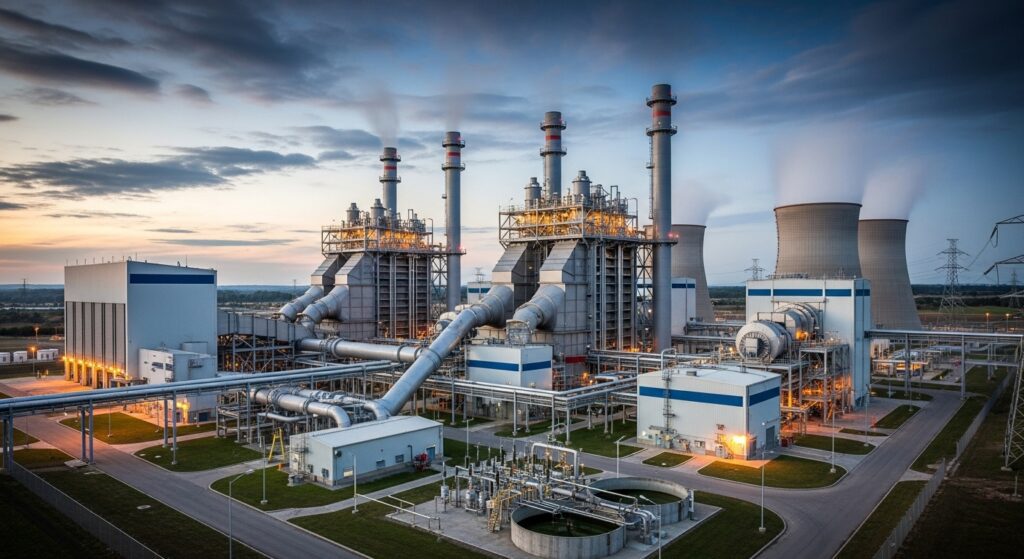
The Tema-Kpone corridor remains one of Ghana’s most industrialised zones, hosting oil refineries, storage terminals, manufacturing facilities and port operations. The proximity of the Cenpower plant to these installations strengthens the reliability of supply within the enclave.
Energy analysts point out that locating major generation assets near industrial clusters minimises transmission losses and enhances grid responsiveness.
It also ensures that critical installations such as the Tema Oil Refinery and other heavy industries have access to stable power necessary for complex operations.
At night, as vehicles move past the refinery toward Kpone, the plant’s radiance reinforces the perception of Tema as Ghana’s industrial heartbeat.
The visual spectacle has gradually become part of the identity of the stretch, attracting attention not only from commuters but also from visitors unfamiliar with the area’s industrial scale.
Reliability and Multi-Fuel Advantage
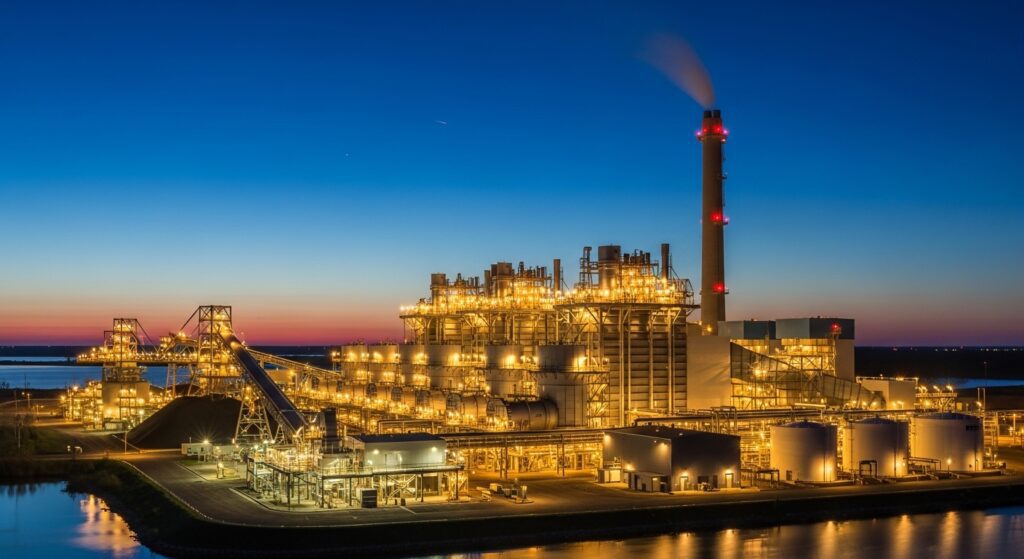
A distinguishing feature of the Cenpower 350MW power plant is its multi-fuel capability. Designed to operate primarily on natural gas, the plant can switch to alternative fuels when necessary, offering operational flexibility.
This adaptability is particularly significant in a region where gas supply disruptions can occasionally affect generation. By incorporating multiple fuel options, the facility contributes to grid resilience and reduces the risk of power shortages.
Energy sector observers argue that investments in such flexible infrastructure are essential as Ghana balances domestic gas production, imports and evolving energy transition commitments.
Thermal plants like Cenpower’s facility remain crucial in stabilising the grid while renewable energy capacity continues to expand.
Beyond its technical specifications, the Cenpower plant has become a visual emblem of Ghana’s pursuit of industrial growth.
For many commuters, the drive from Tema Oil Refinery to Kpone is no longer just a journey between two points. It is a passage through a corridor of energy assets that define the country’s development ambitions.
READ ALSO: GCB Finalises Islamic Banking Strategy