
Ghana’s ambition to strengthen domestic petroleum refining is once again bringing the future of the Tema Oil Refinery (TOR) into focus, with the company pushing for a dedicated financing arrangement to expand its capacity and supply both local consumers and markets across the Sahel.
The proposal comes amid persistent questions about Ghana’s dependence on imported refined petroleum products and the ability of domestic infrastructure to contribute more substantially to the country’s fuel supply.
Deputy Managing Director of TOR Ltd., Alhaji Mustapha Batalima Abubakar, says the refinery’s planned expansion is intended to improve product availability, increase processing capacity and make quality petroleum products more affordable.
“Our aim is to provide quality petroleum products at cheaper prices to consumers,” he said.
His remarks at the Ghana Petroleum Downstream Policy Forum in Accra, put the spotlight on a central issue for Ghana’s downstream sector: whether investment in domestic refining can move the country beyond its dependence on imported finished products and create a commercially sustainable local supply base.
For TOR, the immediate requirement is financing. Abubakar called for a dedicated funding arrangement to support the expansion, arguing that increased refining capacity would enable the refinery to respond to Ghana’s growing petroleum demand and supply neighbouring markets.
The proposal is significant because the refinery’s future is not simply a question of restoring an existing industrial asset.
It is also about determining whether Ghana can develop a competitive refining operation capable of supporting domestic consumption and regional trade.
Financing Will Determine The Scale Of TOR’s Ambition
Abubakar’s call for dedicated funding highlights the financial challenge confronting the refinery’s expansion plans.
Increasing refining capacity requires substantial investment in equipment, infrastructure, technology and operational systems.
Beyond the initial capital requirement, a refinery must also maintain sufficient working capital to purchase crude, meet operating expenses and sustain production.
A financing arrangement that addresses only construction or expansion costs may therefore be insufficient if the refinery cannot secure the resources required to operate consistently after the investment is completed.
The Deputy Managing Director’s position is that greater capacity would allow TOR to meet domestic demand while extending its reach into the Sahel region.
That ambition would place the refinery in a potentially larger market, but regional expansion would require more than additional processing capacity.
TOR would need to demonstrate that it can deliver products that meet market specifications, maintain reliable supply schedules and compete with imported alternatives.
The economic case for expansion will consequently depend on whether the refinery can operate efficiently enough to make its products commercially attractive.
For consumers, the proposed reduction in fuel prices is likely to be the most visible potential benefit. However, increased domestic production does not automatically guarantee lower pump prices.
Crude acquisition costs, financing, processing efficiency, distribution and prevailing market conditions will continue to influence the final price.
The Refinery Already Serves Critical Domestic Markets
Abubakar also drew attention to TOR’s existing contribution to Ghana’s petroleum supply chain, noting that the refinery has processed approximately five million barrels of crude.
He highlighted its role in producing premix fuel for the country’s fishing communities, supplying aviation fuel and supporting thousands of direct and indirect jobs.

The premix fuel function is particularly important because it connects the refinery’s operations to livelihoods beyond the conventional fuel market.
Fishing communities depend on access to the product to support their activities, making its availability an issue with economic and social implications.
TOR’s aviation fuel production also demonstrates the range of petroleum products associated with the refinery’s operations. Its contribution therefore extends beyond the potential supply of petrol and diesel to the domestic market.
These activities provide a basis for the argument that maintaining local refining capacity has strategic value.
A functioning refinery can support specialised domestic demand, sustain industrial employment and reduce the extent to which Ghana relies exclusively on overseas suppliers for finished products.
However, the refinery’s existing contributions should not obscure the operational and financial requirements of a larger facility.
Producing selected petroleum products and expanding into a more competitive, higher-volume refining operation are different challenges.
The proposed expansion must be supported by reliable crude supply, effective maintenance, skilled personnel and a financing model that can sustain operations over the long term.
Full Operations Could Create Technical Jobs
The employment implications also featured in Abubakar’s remarks. He argued that restoring TOR to full operational capacity would create additional opportunities, particularly for young engineers and technical graduates.
This is an important dimension of the proposal because a stronger refining industry could support the development of specialised technical skills in Ghana.

A more active refinery would require expertise in engineering, plant operations, equipment maintenance, process control and safety management.
These functions could create opportunities for graduates and technicians while strengthening the country’s industrial workforce.
But the scale of these benefits will depend on the actual investment programme and the workforce requirements of the expanded facility.
Employment projections should therefore be linked to clearly defined operational plans rather than assumed from the announcement of an expansion project.
Abubakar urged government, regulators and civil society organisations to continue supporting efforts to restore the refinery to full operational capacity.
His appeal places the proposed expansion within a broader discussion about the role of public institutions and industry stakeholders in rebuilding Ghana’s downstream petroleum infrastructure.
Support Must Be Matched By Operational Accountability
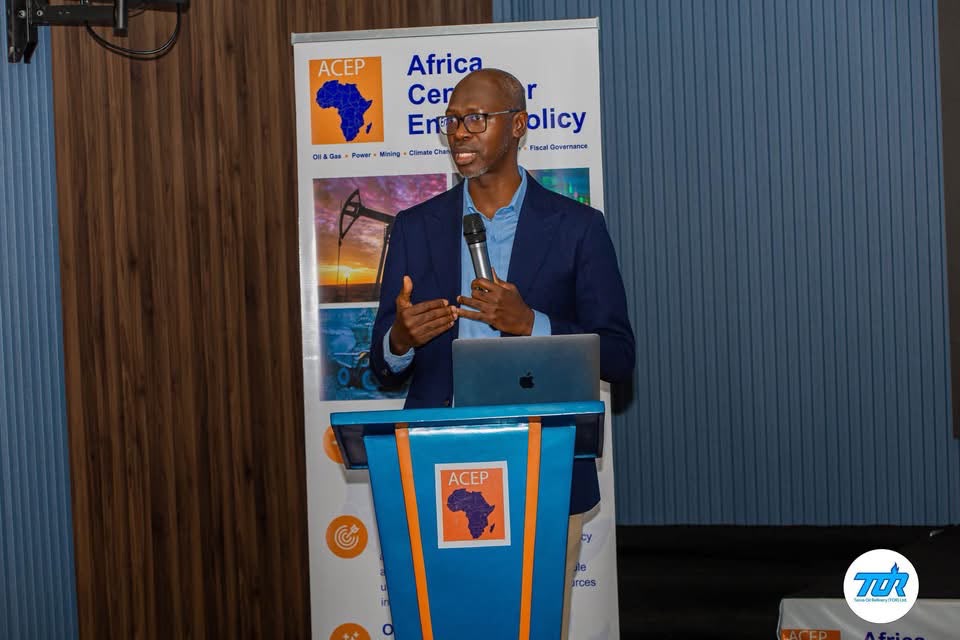
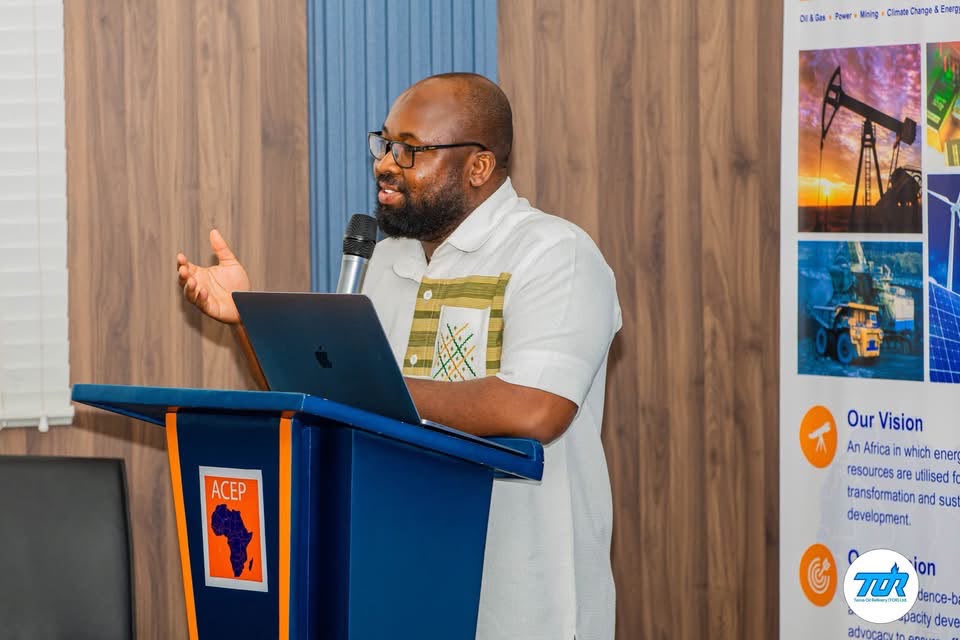
The Ghana Petroleum Downstream Policy Forum, organised by the Africa Centre for Energy Policy (ACEP), brought together policymakers, regulators, industry players and civil society organisations to examine the policy conditions required to strengthen the sector.
Its discussions covered regulatory reforms, fiscal arrangements and measures to support downstream industry growth.
TOR’s expansion proposal raises a practical question for those discussions: what combination of financing, regulation and commercial discipline would allow domestic refining to operate sustainably?
Government support could help address the capital constraints facing the refinery, but such support should be accompanied by clear performance expectations.
These could include production targets, operational reliability, financial reporting, maintenance standards and evidence that additional capacity is improving the competitiveness of locally refined products.
Regulators, meanwhile, have an important role in ensuring that expanded operations meet safety, environmental and product-quality requirements.
Civil society organisations can contribute by monitoring the use of public resources and assessing whether the expected benefits are being delivered.
The objective should be to move beyond repeated calls for the refinery’s revival towards a credible plan for sustained commercial operations.
TOR’s proposed expansion offers an opportunity to strengthen Ghana’s domestic refining capacity and potentially develop a regional supply business.
Yet the promise of cheaper fuel, greater product availability and additional technical employment will depend on whether the refinery can translate its ambitions into reliable production and commercially competitive operations.
The central test is not simply whether TOR can process more crude, but whether it can do so efficiently, consistently and at a cost that benefits the wider economy.