
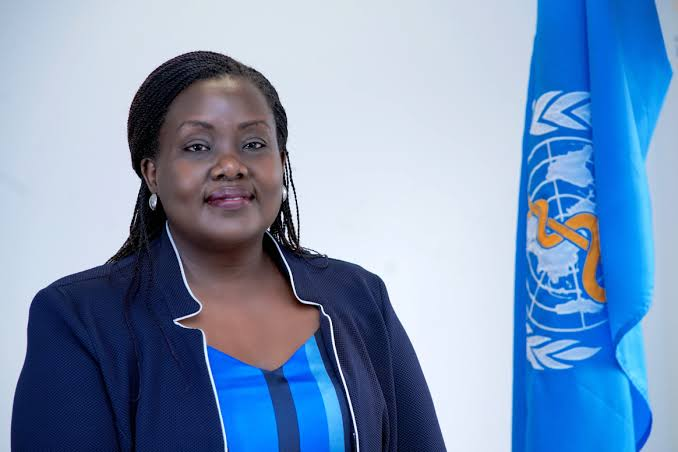
World Health Organisation (WHO) Country Representative Dr Fiona Braka has called for practical reforms to Ghana’s emergency healthcare system, urging stronger referrals, improved patient flow and greater accountability to address challenges associated with the no-bed syndrome.
She made the appeal at the Ghana Medical Association’s 68th Annual General Conference, held under the theme, “The No-Bed Syndrome: Reimagining a Befitting Emergency Response System for Ghana.”
Braka outlined five shifts needed to make emergency care more coordinated, accessible and responsive, while emphasising that reforms must prioritise patients and strengthen the entire chain of care, from the scene of an emergency to hospital wards.
“WHO’s Emergency Care System Framework reminds us that emergency care is a chain, stretching from the roadside to the hospital ward, and a patient’s life may depend on its weakest link.”
World Health Organisation (WHO) Country Representative Dr Fiona Braka
Braka disclosed that WHO had provided technical support to the Ministry of Health, Ghana Health Service and health sector partners in developing the national referral policy, which is at an advanced stage of review and finalisation.
The policy is expected to clarify the responsibilities of healthcare providers, strengthen referral pathways, promote accountability and improve continuity of care. Its completion would provide a clearer framework for transferring patients between facilities and ensuring that referrals lead to appropriate treatment.
Five Shifts to Transform Emergency Care
She also highlighted WHO’s support for the National Healthcare Quality Strategy 2024–2030, which seeks to improve the safety, effectiveness, efficiency and equity of healthcare delivery. The strategy places people at the centre of care and seeks to advance high-quality services across the health system, including emergency and referral care.
Braka identified five practical changes Ghana must pursue to reimagine its emergency response system. The first requires a move away from bed-based restrictions towards ensuring that patients are not turned away without receiving urgent attention.
She maintained that emergency facilities must stabilise patients before arranging safe referrals. Clear protocols and protection for clinicians acting in good faith would support this approach and help ensure that bed shortages do not prevent patients from receiving immediate care.
The second shift concerns referral coordination. Rather than transferring patients through uncoordinated arrangements, she called for real-time connections through a coordination centre. This would enable health teams to confirm that a receiving facility can accept a patient before an ambulance or other transport begins the journey.
“no patient is transferred without a confirmed destination.”
World Health Organisation (WHO) Country Representative Dr Fiona Braka

The third shift, she explained, is from simply counting available beds to managing patient flow across hospitals. This requires stronger daily bed management, timely discharges and expanded step-down care so patients can move through the system without unnecessary delays.
Braka also called for a shift from prioritising buildings to investing in people. She stressed the need to expand emergency and critical care staffing while ensuring that basic emergency care skills are available at every level of the health system.
Investment and Workforce Critical to Reform
The fifth shift is from relying on individual accounts of failures to building accountability through evidence. She urged healthcare institutions to review emergency cases, deaths and refused referrals, and to measure and publish a small set of meaningful indicators.
The WHO representative emphasised that these changes would require sustained government leadership and investment. Priorities include healthcare infrastructure, critical care, emergency transport and the health workforce, supported by sustainable financing.
She underscored the role of health professionals in making reforms work, noting that infrastructure and policies alone would not guarantee better outcomes. Professionalism, teamwork, adherence to clinical standards and continuous improvement must guide the delivery of emergency services.
Patients Must Remain at the Centre
Braka maintained that patients and their families must remain the central consideration in every emergency healthcare reform. She urged policymakers and health sector leaders to assess policies and investments by whether they improve the experiences and outcomes of people who depend on the health system.

“Every policy, investment and reform should improve the experiences and outcomes of the people and families who rely on our health system.”
World Health Organisation (WHO) Country Representative Dr Fiona Braka
She reaffirmed WHO’s commitment to working with the government and other stakeholders to improve emergency care quality and accelerate progress towards universal health coverage.
The proposals place emphasis on timely decisions, clear communication and shared responsibility across the emergency care pathway.
As Ghana considers reforms to its emergency response, the central test, according to the WHO representative’s submissions, is whether the system can ensure that patients receive timely, appropriate care at every stage of an emergency.