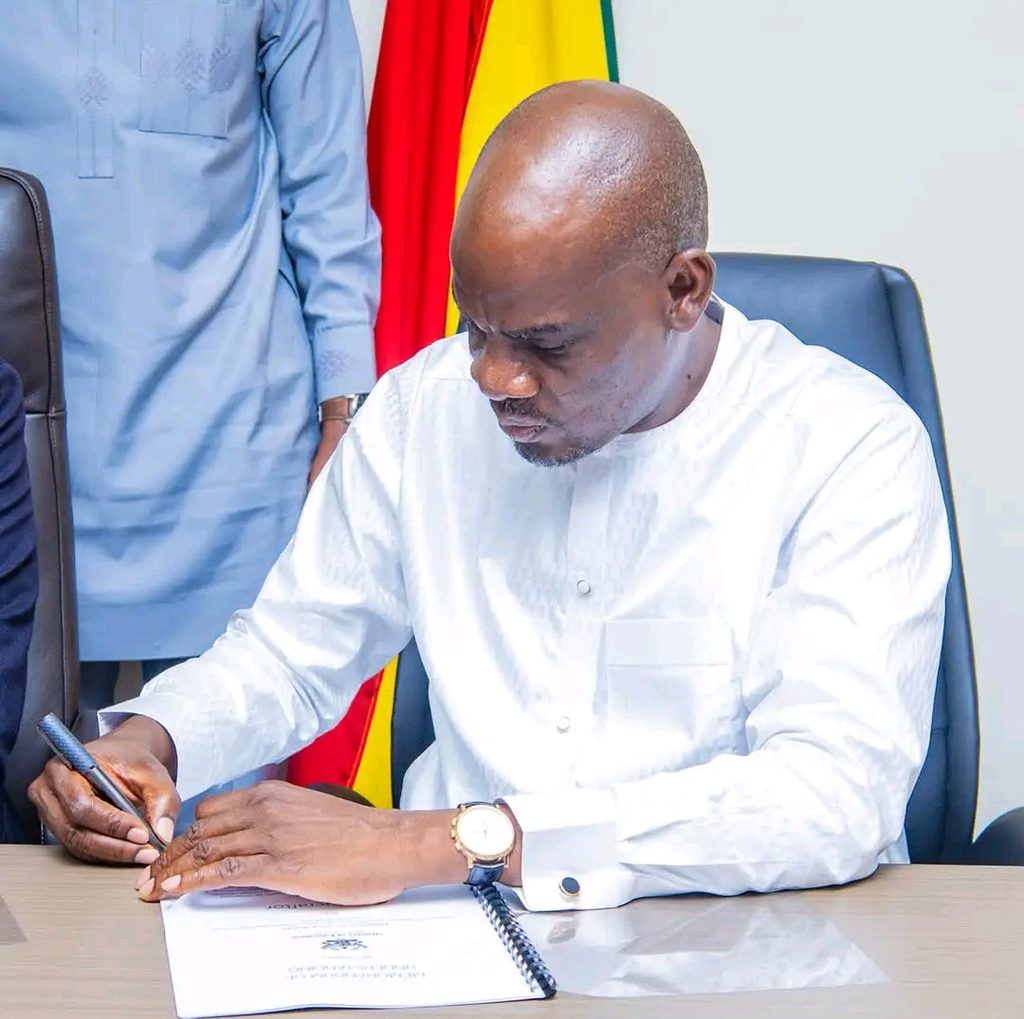
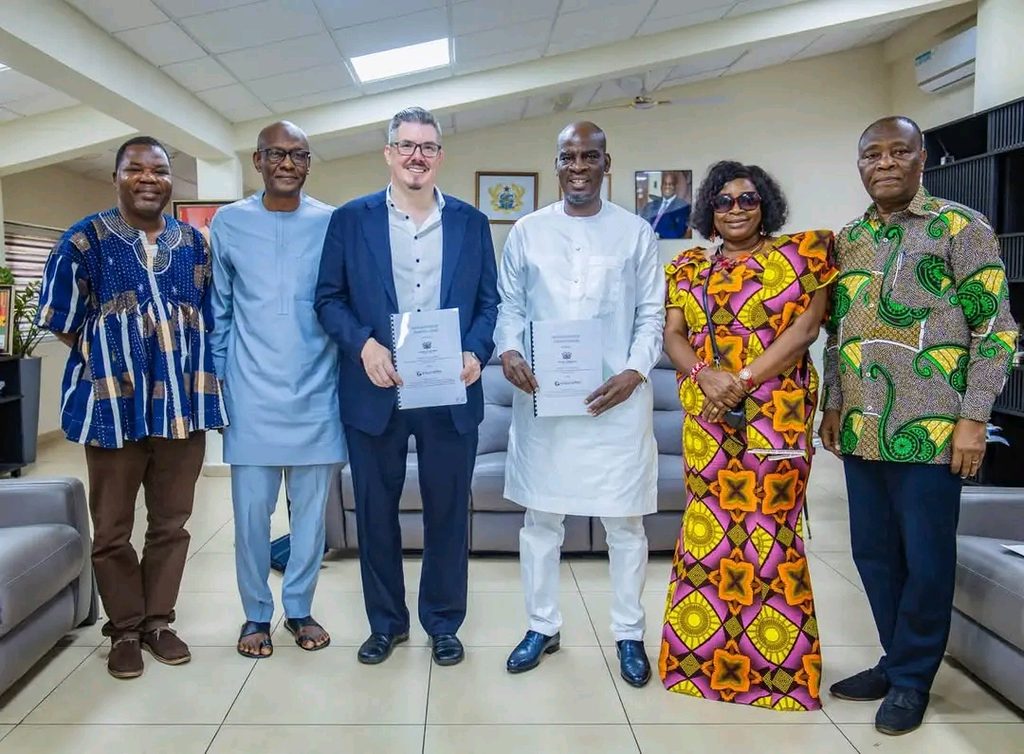
The Ministry of Education has signed a Memorandum of Understanding (MoU) with Educraftor, a Finnish education and innovation organisation, to strengthen Science, Technology, Engineering and Mathematics (STEM) education and promote innovative teaching and learning in Ghana.
The partnership is aimed at advancing the country’s education system through the adoption of international best practices, teacher professional development and the integration of innovative, technology-driven approaches into classroom instruction. It is also expected to support efforts to make teaching and learning more practical, interactive and responsive to the changing demands of education and the workplace.
Under the agreement, the two institutions will collaborate to equip teachers with modern teaching strategies, introduce interactive digital learning tools and develop curricula that meet international standards while remaining relevant to Ghana’s educational needs.
The collaboration will also promote student-centred and project-based learning approaches to enhance practical learning experiences and equip students with critical thinking, problem-solving and technical skills.
Partnership Targets Teacher Development and Innovative Learning
Educraftor is a Finnish learning and innovation organisation whose work focuses on educational development, teacher training, educational leadership and the creation of digital learning ecosystems.
According to its profile on Education Finland, the organisation works with ministries, educational agencies, universities, teacher training institutions and international organisations, including UNESCO and the European Commission. Its work includes developing innovation projects for teacher training schools and supporting educational institutions in adopting new approaches to teaching and learning.
The organisation’s involvement in the partnership is expected to provide opportunities for Ghanaian educators to engage with international expertise and explore teaching approaches that encourage creativity, collaboration and practical application of knowledge.
Teacher professional development remains an important component of the collaboration, particularly as education systems increasingly seek to equip teachers with the skills required to integrate technology into classroom instruction.
Partnership Aligns With Ghana’s Existing STEM Agenda
The agreement comes amid Ghana’s broader efforts to strengthen STEM education and improve the quality of teaching and learning across pre-tertiary institutions.The National Council for Curriculum and Assessment (NaCCA), which is responsible for developing curriculum and assessment standards for pre-tertiary education, has incorporated STEM concepts into Ghana’s curriculum.

The standards-based approach also emphasises the development of 21st-century competencies, including critical thinking, creativity, communication and problem-solving.
In December 2022, NaCCA organised a stakeholder engagement on the development of a comprehensive national STEM policy, highlighting the importance of science and technology education in achieving the country’s development objectives.
More recently, government has intensified efforts to make STEM education accessible at the basic school level. In May 2026, President John Dramani Mahama announced that more than 5,000 schools had received STEM equipment under the ongoing Basic School STEM rollout.
The initiative also includes teacher training to support the effective use of the equipment and promote practical science education. The President indicated that the programme would be expanded to reach more schools, with artificial intelligence and robotics also expected to feature in the new basic school curriculum.
Focus on Practical Skills and Future Opportunities
The collaboration with Educraftor adds an international dimension to Ghana’s ongoing education reforms, particularly in the areas of teacher development, digital learning and innovative classroom practices.
By encouraging project-based learning, the partnership seeks to move beyond approaches that rely heavily on theoretical instruction and memorisation. Students will be encouraged to engage with practical activities, explore ideas, work collaboratively and apply classroom knowledge to real-life challenges.
Such approaches can help learners develop competencies relevant to further education, employment and entrepreneurship, particularly in fields increasingly shaped by scientific and technological developments.
However, the success of the partnership will depend on how effectively its proposed interventions are implemented in schools, including the availability of appropriate teaching resources, reliable digital infrastructure and sustained professional support for teachers.
The agreement represents another step in Ghana’s efforts to improve STEM education and prepare learners with the knowledge and skills needed to participate in an increasingly technology-driven world.
READ ALSO: Memorial Park Proposes Nkrumah Photo on Ghana Banknotes