The Bank of Ghana (BoG) has pledged to guard the macroeconomic indicators to maintain economic stability and support the growth of the real sector to expand the Ghanaian economy.
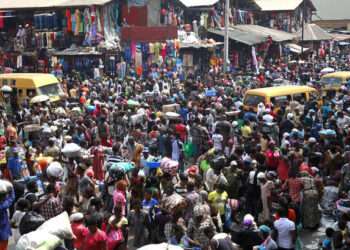
The real sector constitutes the activities and institutions that directly produce goods and services. This includes sectors like agriculture, manufacturing, construction, and services. The real sector is the foundation of every growing economy and is supported by strong indicators that radiate confidence and predictability for consumers and businesses in Ghana.
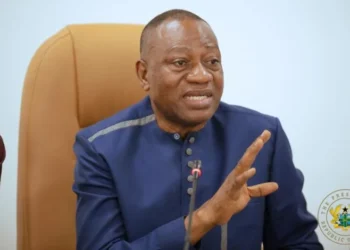
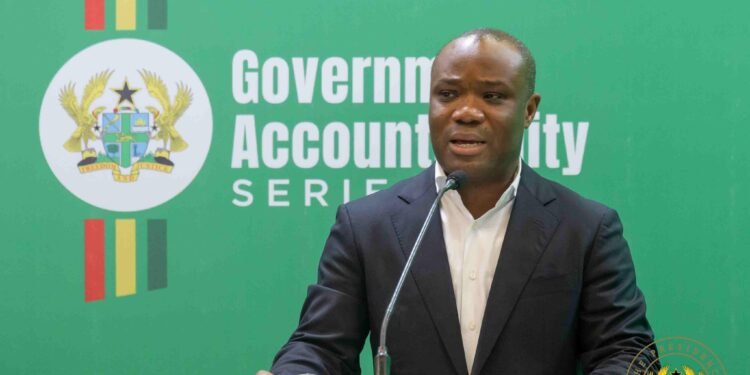
In his opening address at the 127th Monetary Policy Committee (MPC) meeting, the Governor of the Bank of Ghana, Dr Johnson Asiama, reminded the committee members that the decisions that will be made must promote the real sector and maintain economic stability.
“The task before us [MPC] this morning is to protect the stability while supporting the real sector’s recovery, and our decisions today must reinforce confidence, signal predictability, and keep the economy on its path toward higher job-rich growth.”
Dr Johnson Asiama – Governor, Bank of Ghana

‘Duaction’: Real Sector Growth and Stability
The idea of a ‘duaction’ by the MPC shows the complementary nature of the two tasks set before them. Both actions feed into each other without dragging focus in conflicting directions.
To support the expansion of the real sector and sustain the economic stability gained in 2025, the right Monetary Policy Rate (MPR) must be set.
This will, in turn, influence the lending rate by the commercial banks and determine credit for the real sector players for expansion. This ‘duaction’ of the BoG-MPC, as announced by the Governor, is a necessary reminder of the weight of the decision to be made.



The Bank of Ghana must prioritize sustainable, medium to long-term growth strategies and use temporary stabilization measures judiciously.
Policy Rate to Influence the Real Sector and Economic Stability
The Monetary Policy Committee of the Bank of Ghana does not determine and control fiscal policy directly, i.e., the Committee does not determine government spending directly. The MPC’s role is solely focused on monetary policy.
The Bank of Ghana, therefore, seeks to influence the real sector through interest rates, inflation control, and economic growth prospects.
The Committee will focus a lot on price volatility. A stable and low inflation rate stabilizes the economy and promotes growth in the real sector. With low inflation, consumers can make effective purchasing decisions while businesses and investors build more confidence and are able to predict the market to increase output yield. As of October, the inflation rate was 8.0 percent, and this will be a significant contributor to the MPC’s decision.
The MPC sets the Monetary Policy Rate (MPR). The MPR determines the rate at which the Central Bank lends to the commercial banks. Therefore, the MPR influences the borrowing cost for the government and other borrowers in the economy.
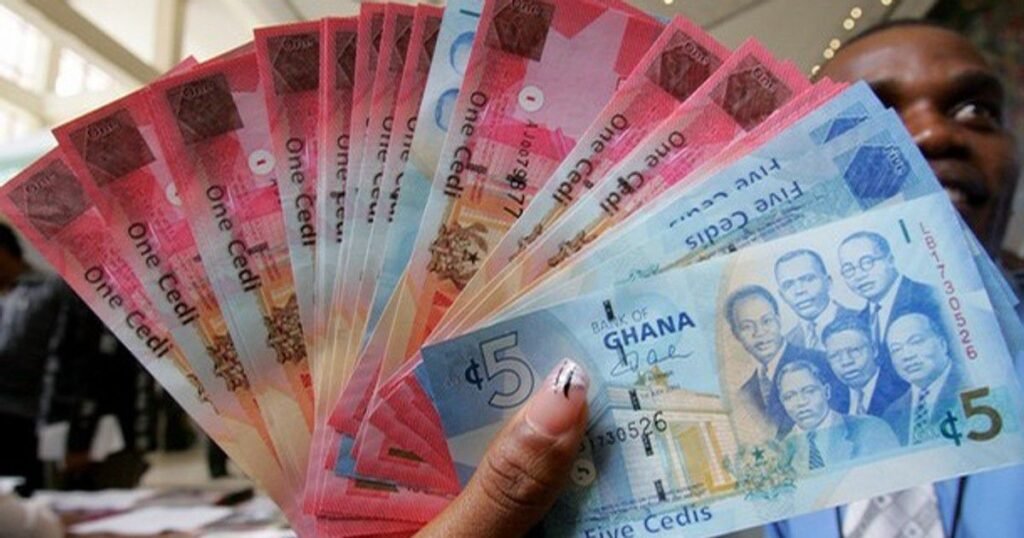
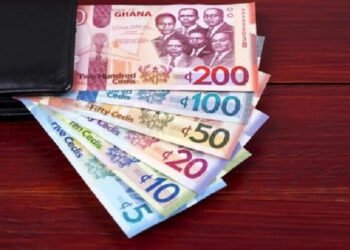
If the MPC sets the MPR at a lower rate than 21.50 percent (the current rate), then it makes borrowing cheaper, potentially increasing the government’s spending. If the government spends in the real sector, then the real sector expands. Therefore, the Bank of Ghana is an initiator, and the effect is seen in all areas of the economy, provided the government’s response is favorable.
Need for Sync in Fiscal and Monetary Policy to Realize Real Sector Growth
Experts have called for the collaboration between the government and the Central Bank to avoid one side from controlling the other. A sync is necessary for the economy to gain the best from its managers. When the monetary side creates conducive rates, the fiscal policy must be targeted at high-impact spending and investments and not on untargeted economic stimulus that can cause the inflation rate to surge.

A lowered policy rate can enhance more investment in human development and infrastructure to grow the real sector. the rate to be set can influence the transportation network upgrade, the energy sector, and progress efficiency across all sectors of the economy. It can also influence funding for education, healthcare, and skills training programs to create a more productive and adaptable workforce.
Many experts and researchers have projected a further drop in the MPR due to the single-digit inflation and the appreciated Ghana Cedi. The Governor of the Bank of Ghana also reechoed the outstanding performance of the economy in 2025. This most likely gives more confidence in the projection of a lower MPR to be set.
The Governor also reminded the Ghanaians that the current growth is “sustained through fiscal discipline, the cautious but determined monetary policy, monetary stance, and structural policy reforms, particularly the improvements in the FX operations framework, and the rebuilding of our external buffers.” He added that the “2026 Budget reinforces this discipline and places growth and job creation at the center of Ghana’s next phase of economic transformation.”

Dr Asiama emphasized the complementary role of the fiscal and monetary policy in maintaining the stability of the economy. Therefore, the MPC, through the MPR, will set the stage for the government to act effectively. If the complementary roles succeed, the real sector will grow, and economic stability will be sustained, providing more jobs for Ghanaians.
READ ALSO: Mahama Urges Africa to Assert Control Over Natural Resources