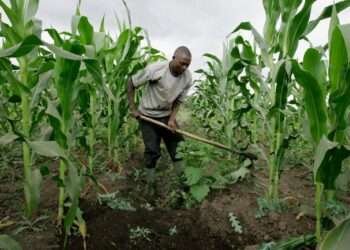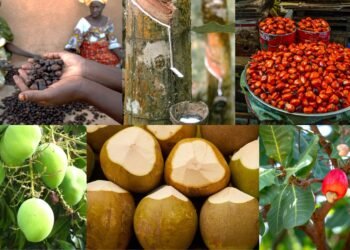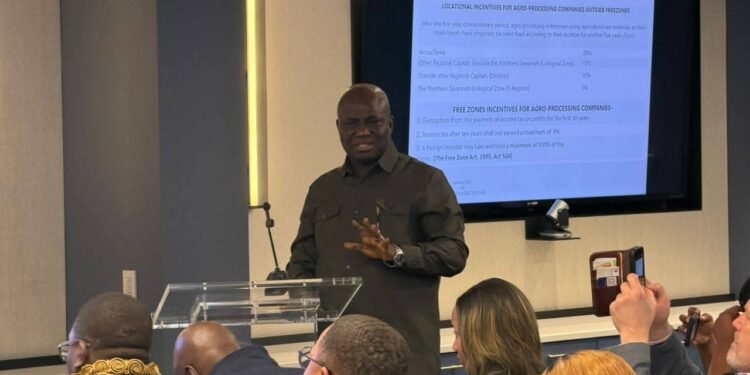
The Feed Ghana Program, a subsidiary of the Agriculture for Economic Transformation Agenda (AETA), is the government’s road map to food sovereignty and local industry support.
The Ministry of Food and Agriculture (MoFA) has presented and rolled out the framework for the Feed Ghana Program. The government’s objective is to translate the high-level goals into ground-level interventions to restore hope, revive agricultural enterprises, and reclaim Ghana’s food sovereignty.
This flagship initiative is to facilitate the agriculture sector’s modernization, drive economic growth, ensure food security, and preserve a permanent source of raw materials for local industries.
“Under the Feed Ghana Program, we [MoFA] want to achieve two major things. One, food sufficiency to be able to feed every Ghanaian here from local resources. And two, provide a constant and uninterrupted supply of raw materials for industrial operations to support the government’s broad policy of the 24-hour economy.”
MoFA
National Agriculture Interest Stimulation
One of the foundational pillars built by the government to successfully roll out the Feed Ghana Program is to awaken the national interest in the sector. Ghana, in most parts of its history, has been an agrarian economy. Farming is an instinct for the majority of the populace. The government, through MoFA, has awakened the interest of Ghanaians through awareness creation.
The past 10 months have witnessed a remarkable growth in food production and high participation in the agriculture sector. Feed Ghana has become a national movement, according to MoFA.
“The first leg of the Feed Ghana Program was a nationwide campaign to stimulate patriotism, interest, and participation in agriculture. What began as a policy intervention has now evolved to a national movement.”
MoFA
The Feed Ghana call is to every institution, youth, and community to take ownership of the agricultural environment in Ghana. The campaign has reached out to public and private institutions such as the Ghana Armed Forces, the Ghana Prison Service, the National Service Authority, 413 senior high schools, Junior High Schools, primary schools, and public universities (like University of Ghana, KNUST, UCC, and UDS).


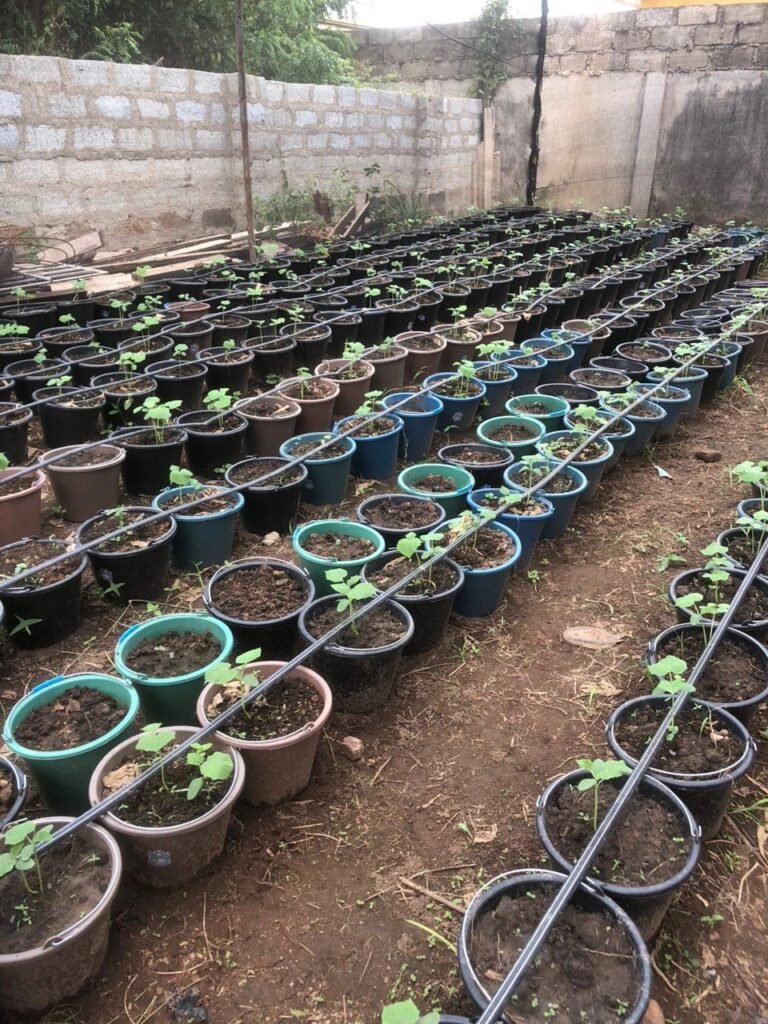
According to the Ministry, faith-based organisations, including churches and mosques, are all participating. “This growing participation is a testimony to the fact that today, the Feed Ghana Program is known to all Ghanaians,” MoFA insinuated, adding that “it has rekindled a national spirit of food independence and restored dignity to farming.”
Home Gardening Initiative
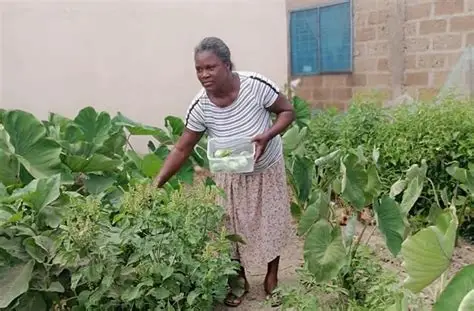
The inclusivity of the program, which has attracted institutions, groups, and individuals alike, has promoted home gardening where every suitable available space around the home is cultivated to serve the basic food needs of the household.
Consequently, the Ministry continues to engage households to join the initiative to reduce household expenditure on food, especially vegetables. According to MoFA’s assessment, the participation has been massive and incredible.
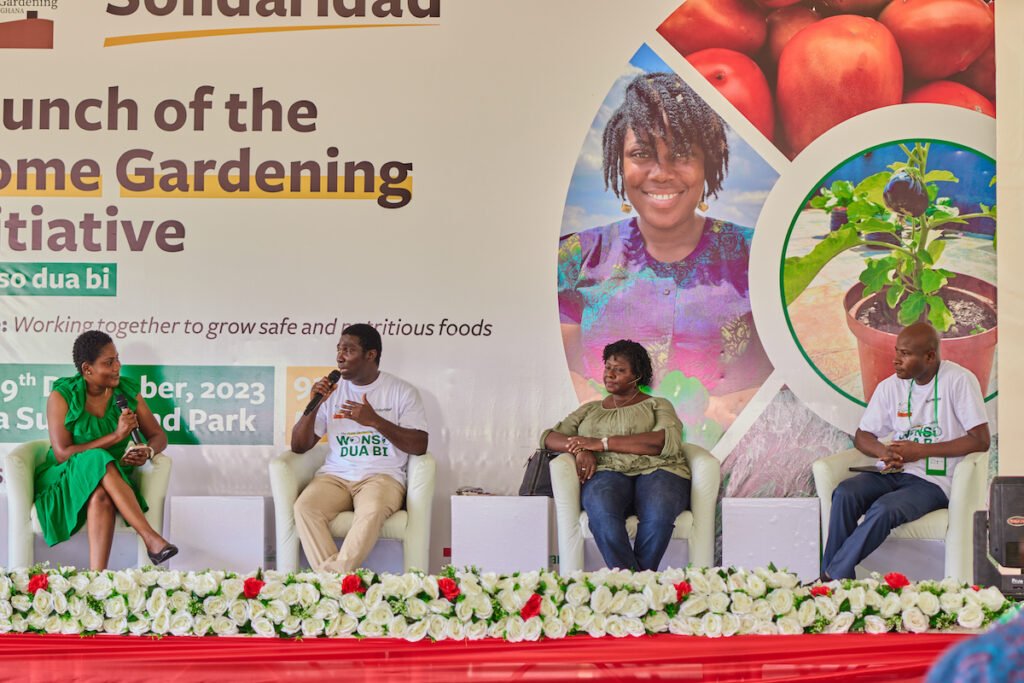
However, the objective of MoFA concerning the Feed Ghana Program has not yet been fully realized, MoFA clarified. To enhance the process, networks at the district departments of agriculture across the country have been established to improve access to the seedlings of various vegetables.
Irrigation to End Rain-Dependent Agriculture
Irrigation infrastructure is a critical enabler of the program, ensuring all year-round food production and climate resilience. MoFA to shift Ghana’s agriculture system from a rain-fed production to irrigation-based farming.
The Ministry outlined that over the past 10 months, the government has constructed 10 new small dams, rehabilitated 8 existing irrigation dams, 250 solar-powered boreholes for farming communities, and second-cycle schools across the five regions of the North and Ahafo regions. We are also rehabilitating the following irrigation schemes.
In addition, there is the rehabilitation of the irrigation schemes in Bogatanga, Weta Irrigation Scheme in Ketu North Municipality of the Volta Region, Tanoso Irrigation Scheme in Techiman Municipality, Ashaiman Irrigation Scheme in Greater Accra, and Aveyime Irrigation Scheme in the Volta Region
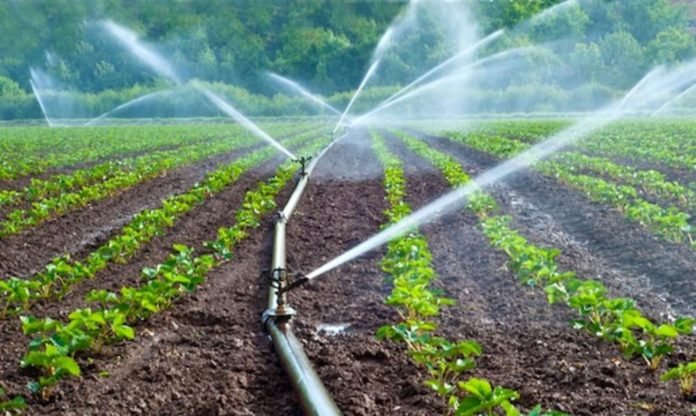
There are many other projects underway under the sector, such as solar-powered boreholes, construction of new inland valleys for rice production, and several pipeline irrigation projects. MoFA emphasized that mechanization is a fundamental requirement for modern agriculture.
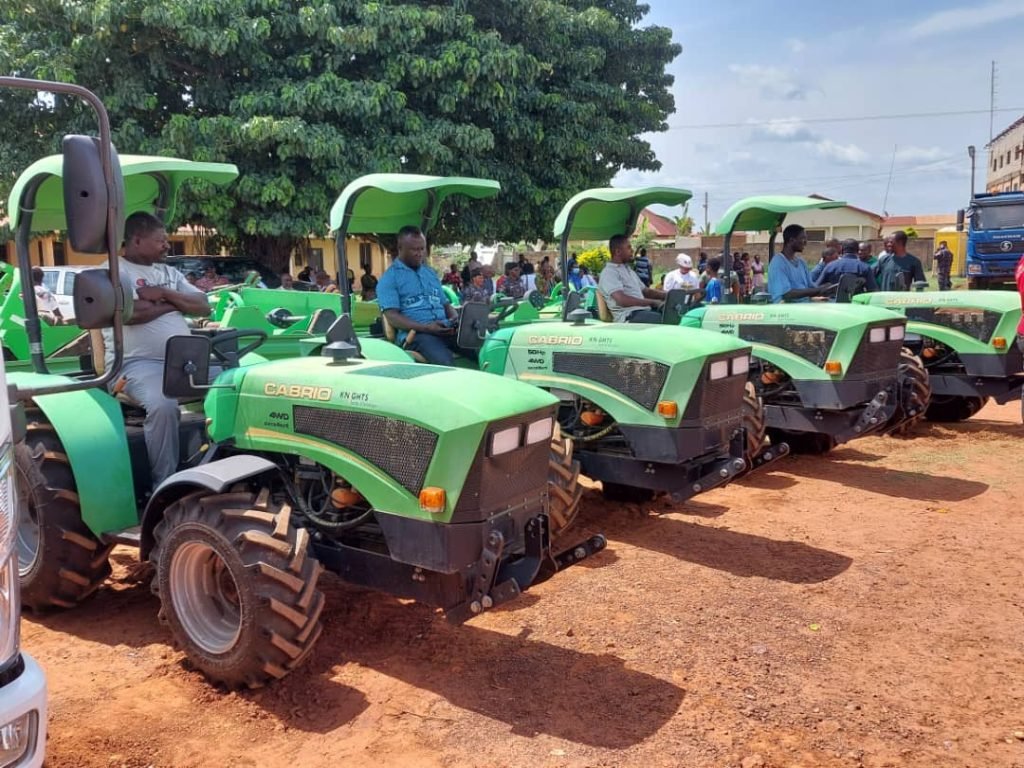
Under the Feed Ghana Program, the Ministry is establishing farming service centers across the country. Procurement processes will soon begin for the acquisition of 660 tractors, 400 combine harvesters and related equipment.
In total, over 4,000 pieces of agricultural machinery and implements are being mobilized to equip the first 50 farming service centers. These centers will provide services such as land preparation, input supply, harvesting support, storage facilities, extension advisory services, market linkage, and equipment leasing at affordable rates, especially to smallholder farmers. Agricultural Extension Offices strengthen the front line of knowledge transfer.
Other Pillars of the Feed Ghana Program
Agricultural Extension Offices (AEO) are relevant to bridge the gap between research and farming practices, bringing innovation and science to the farm gates. However, the current extension agent-to-farmer ratio in Ghana is far below the international standard. While the acceptable ratio is 1 AEO to 500 farmers in Ghana, it is 1 AEO to over 1,500 farmers. This gap constrains knowledge transfer and the adoption of modern agricultural practices. To address this, MOFA plans to procure 540 motorbikes to facilitate AEO mobility.
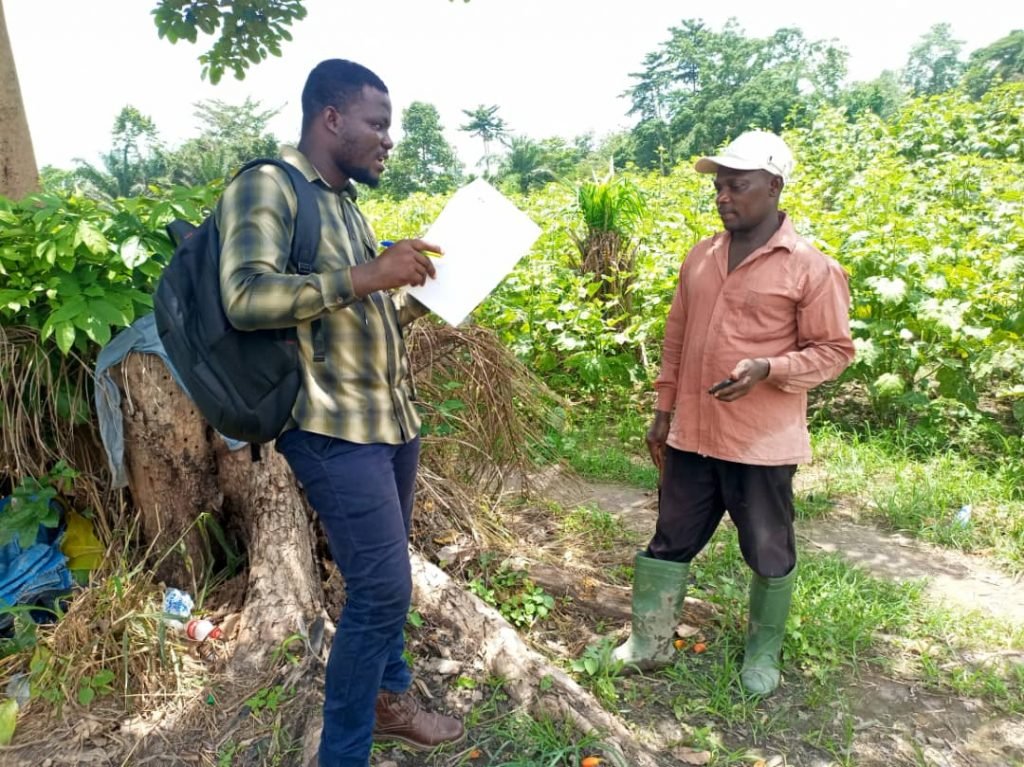
The Ministry hinted at the launch of the Ghana Food Brigade before the end of December this year. 10,000 youth are being enrolled in the National Service Scheme under a four-year program, and a portion of these youth will be retained as permanent ministry staff to augment agricultural extension delivery.
Value addition is essential for job creation, price stabilization, and export diversification. MoFA is exploring private sector investment with well-organized, community-commodity-focused farmer cooperatives and farmer service centers to ensure a reliable supply of raw materials for processing.
One of such cooperatives is A2 Agro-Allied Company, which is setting up a state-of-the-art poultry feed processing facility in Kaase, Ashanti region.
There are many other initiatives the Ministry is implementing to ensure enough is produced in Ghana to feed all Ghanaians and export what remains, and also to provide sufficient raw materials to feed the local industries.
READ ALSO: GoldBod to Trace Every Gram of Gold By 2026