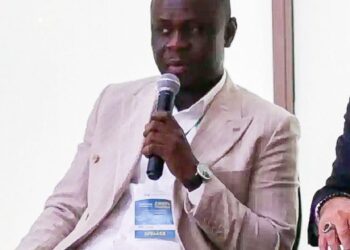
The Chief Executive Officer (CEO) of the Ghana Investment Promotion Centre (GIPC), Mr. Simon Madjie, has confirmed that Ghana is entering a new era of investment liberalization, marked by the proposed total removal of minimum capital requirements for foreign investors.
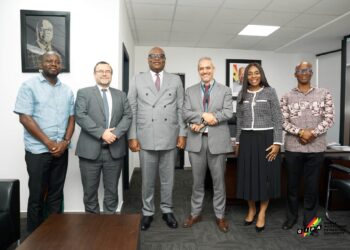
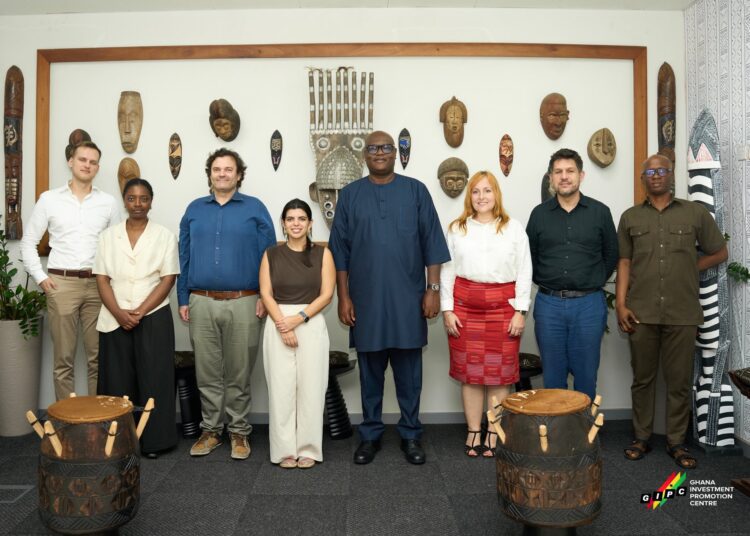
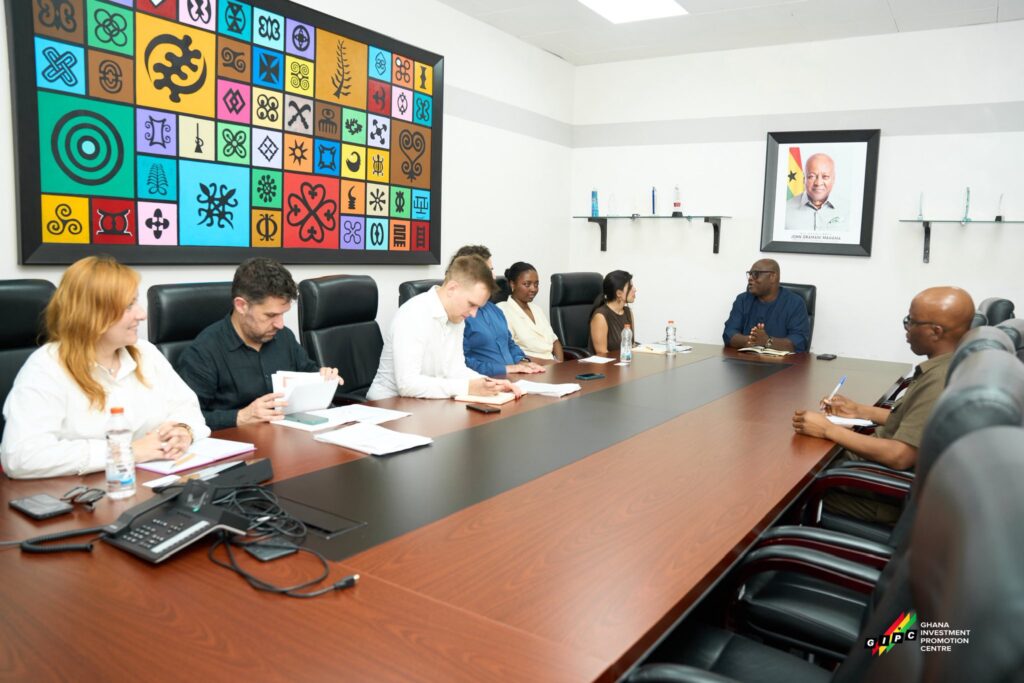
In a milestone meeting with a high-level delegation from the European Parliament led by Ms. Catarina Vieira, Mr. Madjie outlined a sweeping legislative overhaul designed to cement Ghana’s status as the definitive investment hub of West Africa.
“The review of technology transfer agreements has been reduced to just four weeks, compared to timelines of over two years previously. We have identified manufacturing, agro-processing, and technology as key investment sectors with strong potential for growth and job creation.
“These reforms align perfectly with President John Dramani Mahama’s vision for a competitive and open economy that prioritizes efficiency over bureaucracy”
Mr. Simon Madjie, CEO of GIPC
The engagement focused on the transformative Ghana Investment Promotion Authority Bill, which seeks to convert the GIPC into a more powerful, autonomous Authority. For Mr. Madjie, the core of this transition is the elimination of restrictive entry barriers that have historically “caged” foreign direct investment (FDI).
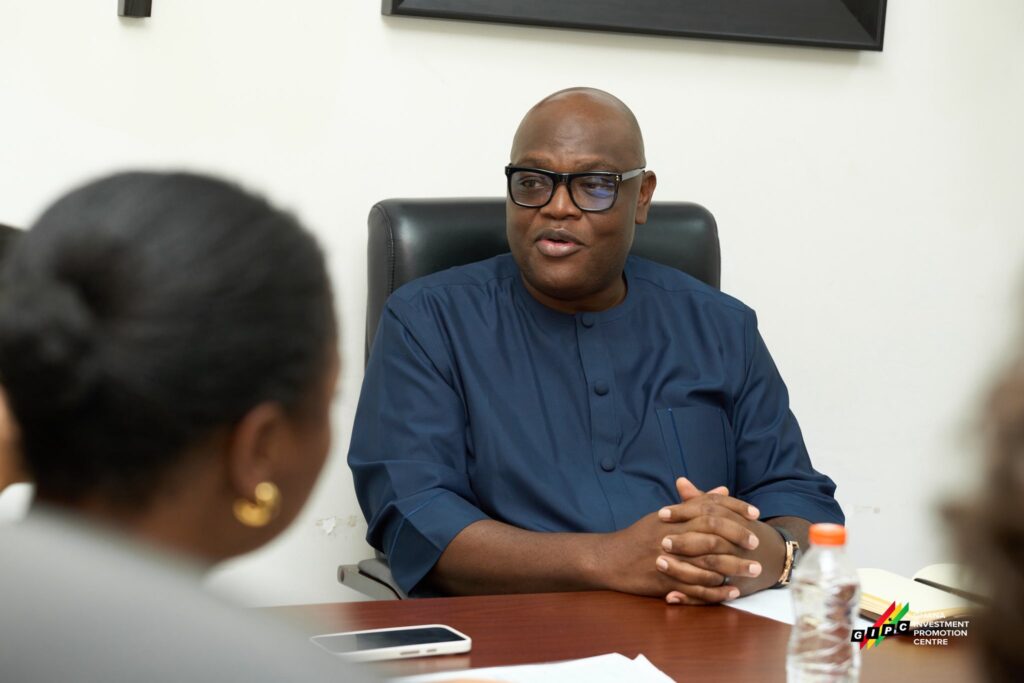
Under the current Act 865, foreign entities often face capital thresholds ranging from $200,000 to $1 million – a requirement the new Bill aims to strike out to foster an open, competitive marketplace.
Adding up to the legislative changes, the CEO highlighted a radical shift in administrative speed. The drastic reduction in the processing time for Technology Transfer Agreements (TTAs) is being cited as a “game-changer,” for European firms looking to bring specialized technical know-how into the Ghanaian economy.
The GIPC CEO noted that previously, the two-year waiting period acted as a significant deterrent for tech and manufacturing giants; now, the GIPC’s newly established TTA Department ensures that approvals are finalized within a month.
“We are an emerging regional investment hub, and it is vital that our domestic reforms align with international frameworks such as the Sustainable Investment Facilitation Agreement. This alignment creates a predictable and transparent environment that sophisticated global players demand”
Mr. Simon Madjie, CEO of GIPC
Mr. Madjie emphasized that the “reboot of the investment law is not just about bringing people in, but about keeping them here through enhanced investor aftercare.” This involves stronger legal protections against expropriation and more streamlined grievance resolution mechanisms to ensure that foreign capital feels both welcome and secure.
A Strategic Regional Powerhouse
The visiting European delegation praised the “Mahama Reset,” in the investment sector, noting that Ghana’s willingness to scrap blanket capital requirements puts it ahead of regional peers. Ms. Catarina Vieira remarked that these reforms are a clear signal that the country is ready to participate more deeply in the global value chain.
The meeting highlighted that by removing the minimum capital hurdle, Ghana is opening the door for smaller, high-growth startups and tech firms from Europe that may have been sidelined by the old million-dollar thresholds.
The GIPC lead maintained that the focus is now on quality over quantity, targeting sectors that directly contribute to the 24-hour economy initiative and youth employment.
“Manufacturing, agro-processing and technology remain our primary focuses. We are building a productive, innovation-driven workforce aligned with the needs of a modern economy. By the time this Bill passes, we will have a one-stop-shop for the promotion, facilitation, and regulation of investments that is second to none in the sub-region”
Mr. Simon Madjie, CEO of GIPC
Despite the liberalized approach, the Minister for Trade and the GIPC have assured local businesses that the new framework still includes safeguards.
While capital requirements are being lifted for most sectors, specific protections remain for trading and retail – sectors vital to Ghanaian livelihoods. According to him, this balanced approach ensures that while the country becomes a playground for global technology and manufacturing, the domestic market remains protected from unfair competition.
The engagement saw both parties committing to a deeper partnership under the EU-Ghana Sustainable Investment Facilitation Agreement.
Mr. Madjie noted that with the cedi stabilizing and inflation trending downwards, the legislative “cleaning of the house,” is the final step in making Ghana the most attractive destination for European capital in 2026.