The Minister for Education, Haruna Iddrisu, has reaffirmed the Ministry’s commitment to advancing Ghana’s national development agenda through quality education, innovation, professionalism, and effective public service delivery.
According to the Minister, education remains one of the most powerful tools for transforming Ghana’s economy and strengthening democratic governance, making it essential for public officials to approach their responsibilities with integrity, discipline, and fairness.
The Minister made the remarks during a courtesy call on him by members of the Civil Service Council, led by its Chairperson, Dr Lawrence Akanweeke Kannae, at the Ministry of Education in Accra ahead of an interaction session with ministry staff.
The visit formed part of a broader nationwide familiarisation exercise by the Council aimed at engaging ministries, understanding operational challenges, and strengthening collaboration within Ghana’s public service system.The engagement brought together ministry officials, council members, and staff of the Ministry of Education to discuss institutional efficiency, innovation, and improved service delivery within the education sector.
Education Remains Central to National Growth
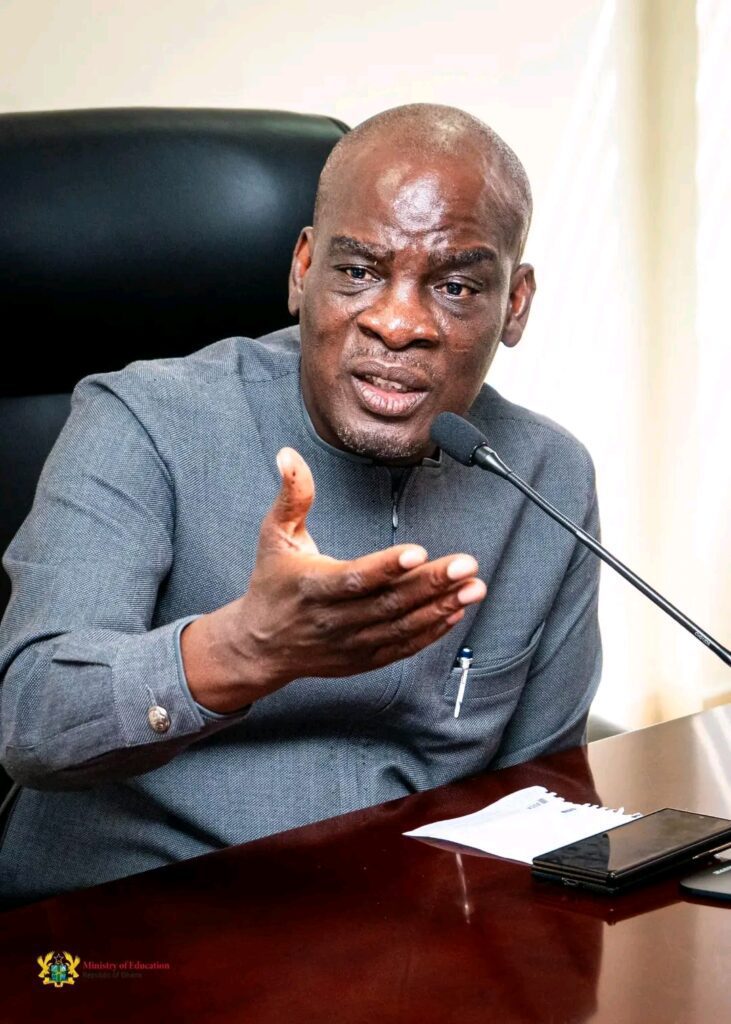
Addressing the delegation, Minister Haruna Iddrisu stressed that investment in education should be viewed as an investment in Ghana’s future prosperity.He noted that education continues to play a critical role in shaping the country’s social, economic, and political development and must therefore remain a national priority.

“Education remains central to Ghana’s social, economic and political progress.”
Hon. Haruna Iddrisu, Minister of Education.
The Education Minister further emphasized the importance of professionalism and accountability among public officials, urging workers within the public sector to maintain high standards of integrity in the discharge of their duties.
According to him, effective governance and national transformation depend heavily on the efficiency and ethical conduct of public servants.His remarks align with government’s broader emphasis on educational reforms and human capital development under the current administration.
Recent government budget allocations have also reflected increased investment in the education sector, with authorities describing education as central to sustainable national development.
Haruna Iddrisu, who assumed office as Minister for Education in January 2025, has consistently advocated reforms aimed at improving educational quality, teacher development, and institutional efficiency within Ghana’s education system.
Civil Service Council Promotes Innovation and Efficiency
Speaking during the engagement, Dr Lawrence Akanweeke Kannae explained that the Civil Service Council, which was inaugurated approximately nine months ago, has spent the past few weeks visiting ministries and public institutions to better understand operational realities and engage directly with frontline public servants.
According to him, the familiarisation exercise is intended to strengthen collaboration between the Council and public sector institutions while identifying practical ways to improve efficiency and service delivery.
Dr Kannae described the Ministry of Education as one of the country’s most critical institutions due to its direct impact on human capital development and national progress.He therefore encouraged staff of the Ministry to embrace innovation, professionalism, teamwork, and positive workplace attitudes.
The Chairperson stressed that improving institutional culture within the public service remains essential to enhancing productivity and restoring public confidence in state institutions.He also assured staff that the Civil Service Council remains committed to listening to their concerns and working collaboratively with ministries to address operational challenges.
“The council remains ready to listen to your concerns and work with the ministry to address challenges while supporting efforts to improve efficiency.”
Dr. Lawerence Akanweeke Kannae, Chairperson of the Civil Service Council.
Public sector reform and institutional efficiency have increasingly become major national discussions as Ghana seeks to strengthen governance systems and improve service delivery across ministries and state agencies. Observers say stronger collaboration between the Civil Service Council and ministries could help improve accountability, workplace culture, and performance standards within the public sector.
Focus on Institutional Collaboration and Service Delivery
The visit also featured a detailed presentation on the operational activities of the Ministry of Education, followed by discussions between staff and members of the Council.The interaction allowed ministry personnel to share insights into ongoing programmes, institutional challenges, and opportunities for improvement.
Among the key issues highlighted during the engagement were innovation in public administration, staff welfare, professional conduct, and strategies to improve institutional effectiveness. The Chairperson was accompanied by several members of the Civil Service Council, including Dr Evans Aggrey-Darkoh, Dr Esther Offei-Aboagye, Ambassador Kwame A. Tenkorang, Dr Audrey Smock Amoah, Justice Agnes M. A. Dadzie, Mr Charles Kwame Dondieu, and Dr Evans A. Dzikum.
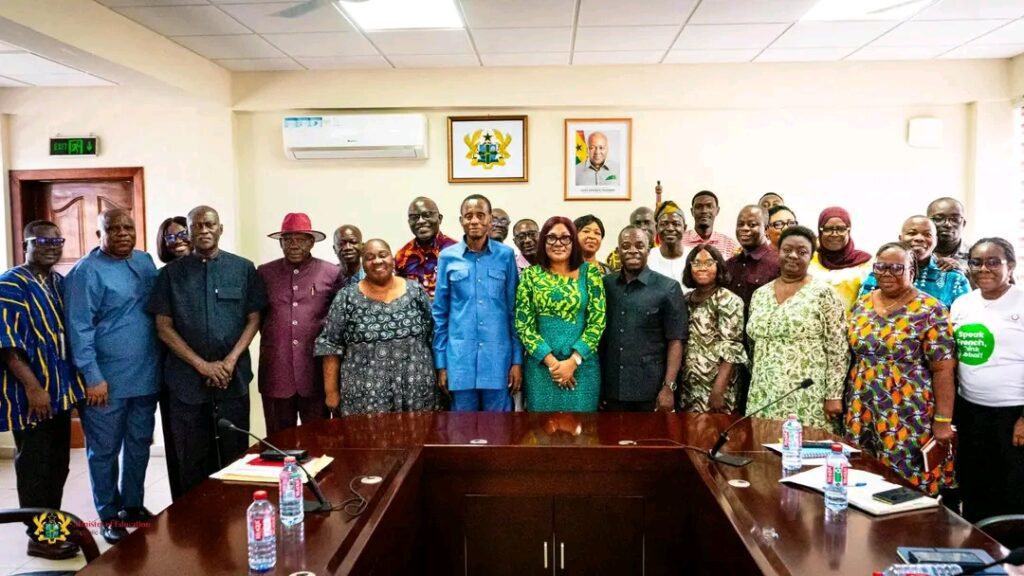
Their presence underscored the Council’s commitment to engaging directly with ministries and frontline workers as part of efforts to strengthen Ghana’s civil service system.Analysts say such engagements are important in fostering stronger communication between policymakers and public servants while promoting accountability and improved performance across government institutions.
The Ministry of Education itself remains one of the country’s largest and most strategic public institutions, overseeing agencies such as the Ghana Education Service, National Teaching Council, and Ghana Tertiary Education Commission.
With increasing national attention on educational quality, workforce development, and institutional reforms, stakeholders believe stronger professionalism and innovation within the public service will be critical to achieving long-term development goals.The meeting ended with renewed calls for dedication, ethical leadership, and collaborative efforts to strengthen Ghana’s education sector and public administration systems.
READ ALSO: Black Princesses Qualify for Eighth Straight World Cup