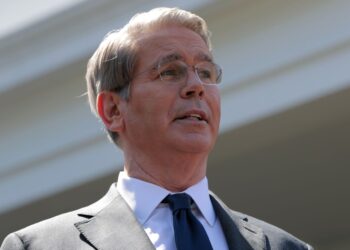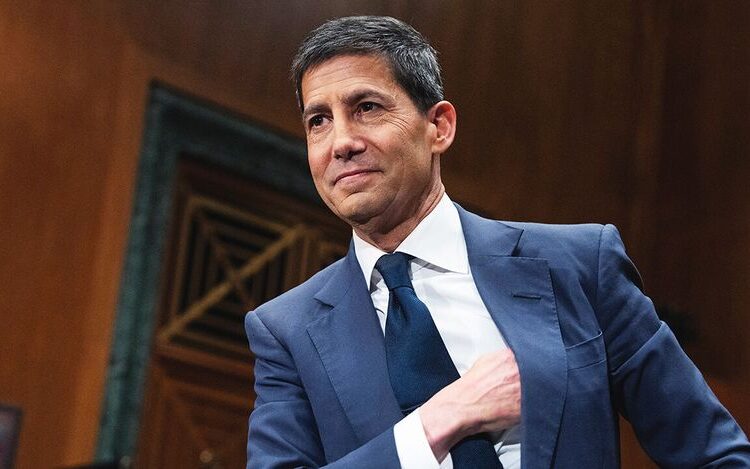
Federal Reserve Chair, Kevin Warsh has signalled that the United States Central Bank may need to raise interest rates in the coming months if inflation does not show clearer signs of returning to its 2% target, warning that recent improvements in price data have not yet convinced him that underlying inflation pressures have eased sufficiently.
Speaking at the Federal Reserve’s annual economic conference in Jackson Hole, Wyoming, Warsh said that recent inflation reports had shown some moderation but argued that the figures did not demonstrate a meaningful improvement in the broader trend.
“We must be confident that underlying inflation is moving to our objective, clearly and at sufficient speed. Otherwise, we have work to do.”
Kevin Warsh
The speech marked one of Warsh’s clearest indications yet that the Federal Reserve could consider tighter monetary policy if inflation remains stubbornly above its target. However, he stopped short of committing the central bank to a specific course of action at its next policy meeting.
Warsh, who succeeded Jerome Powell as Federal Reserve Chair three months ago, has repeatedly resisted providing detailed guidance about future interest-rate decisions. He has argued that committing in advance to rate increases, cuts or a prolonged pause could reduce the central bank’s flexibility as economic conditions change.
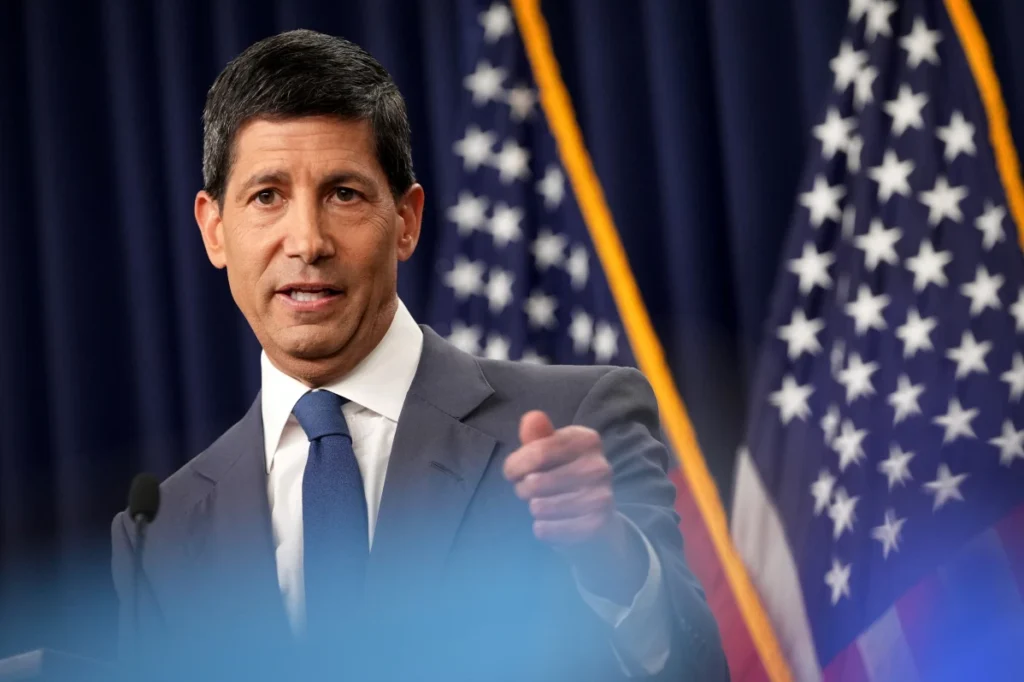
His remarks in Jackson Hole nevertheless offered a clearer assessment of how he views the current balance of risks facing the U.S. economy. Warsh suggested that interest rates may not currently be restrictive enough to slow economic activity and reduce inflationary pressures. He pointed to continued strength in consumer spending and robust business investment, particularly in artificial intelligence equipment and infrastructure.
Higher interest rates generally raise borrowing costs for households and businesses, helping to cool demand and reduce inflation. Warsh’s comments suggest he believes the current level of rates may not yet be exerting enough restraint on the economy to ensure inflation returns to the Federal Reserve’s target.
The Fed is scheduled to hold its next policy meeting on September 15 and 16. Warsh did not say whether policymakers would raise rates at that meeting, and his remarks do not necessarily indicate an immediate increase. However, his speech suggested that further tightening remains a possibility if inflation does not continue to improve.
Warsh said inflation trends were currently more concerning than conditions in the labour market, where unemployment remains relatively low. He also questioned the assumption that inflation would automatically return to the Fed’s target without further policy action.
He noted that over the past year, 54% of the goods and services tracked by the government had recorded price increases of 3% or more. Although that figure is below the levels seen during the peak of pandemic-era inflation, Warsh said it remains significantly above the average of 32% recorded during the two decades before the pandemic.
Inflation cooled in June and July after rising sharply in May, when higher gasoline prices contributed to renewed price pressures. However, inflation remains above the Federal Reserve’s 2% objective. According to the Fed’s preferred inflation measure, prices were rising at an annual rate of 3.7% in July.
Warsh’s comments at Jackson Hole are likely to attract close attention from financial markets, which have been searching for clearer signals about the future direction of U.S. monetary policy.
Warsh Iterates Sceptism About “Forward Guidance”
The Fed Chair has previously expressed scepticism about what economists describe as “forward guidance,” in which Central Banks communicate their likely future policy decisions to shape expectations among investors, businesses and consumers.
He reiterated that position today, maintaining that the Federal Reserve should avoid unnecessarily restricting its options by signalling future rate decisions too far in advance. At the same time, Warsh sought to clarify comments he made during a July 29 news conference, emphasising that short-term interest rates remain the Federal Reserve’s principal tool for bringing inflation under control.
That clarification comes as policymakers continue to weigh the risks of acting too aggressively against the danger of allowing inflation to remain elevated for too long. Previous Federal Reserve Chair have frequently used the Jackson Hole conference to outline their views on major economic challenges or signal potential shifts in monetary policy. In 2022, when inflation reached 9.1%, Warsh’s predecessor, Jerome Powell, used his Jackson Hole speech to signal that the Fed would continue raising interest rates aggressively to contain rising prices.
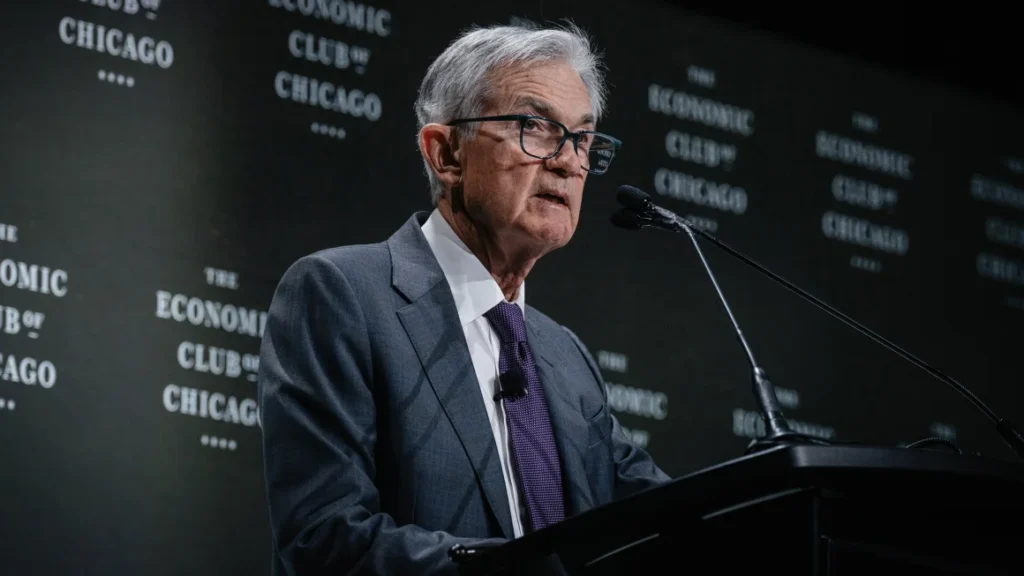
Powell acknowledged at that time that tighter monetary policy would bring economic “pain” to households and businesses but argued that failing to control inflation would carry even greater costs.
READ ALSO: Nepal Ministers Donate Salaries To Flood Relief Fund