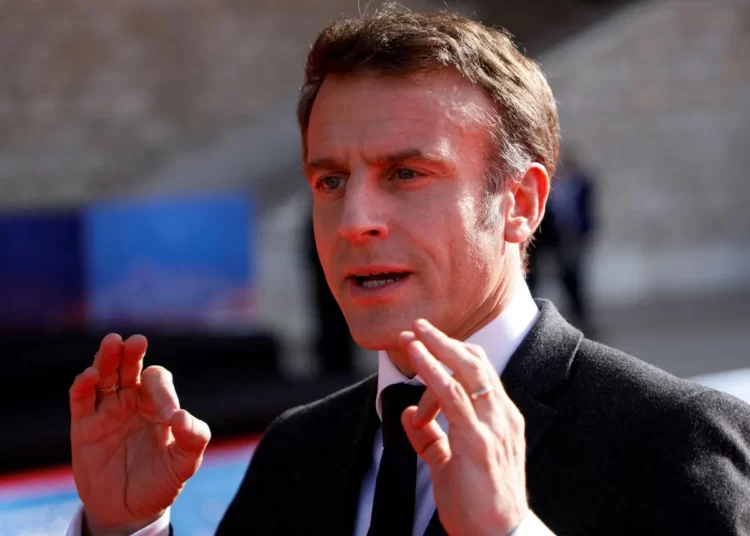
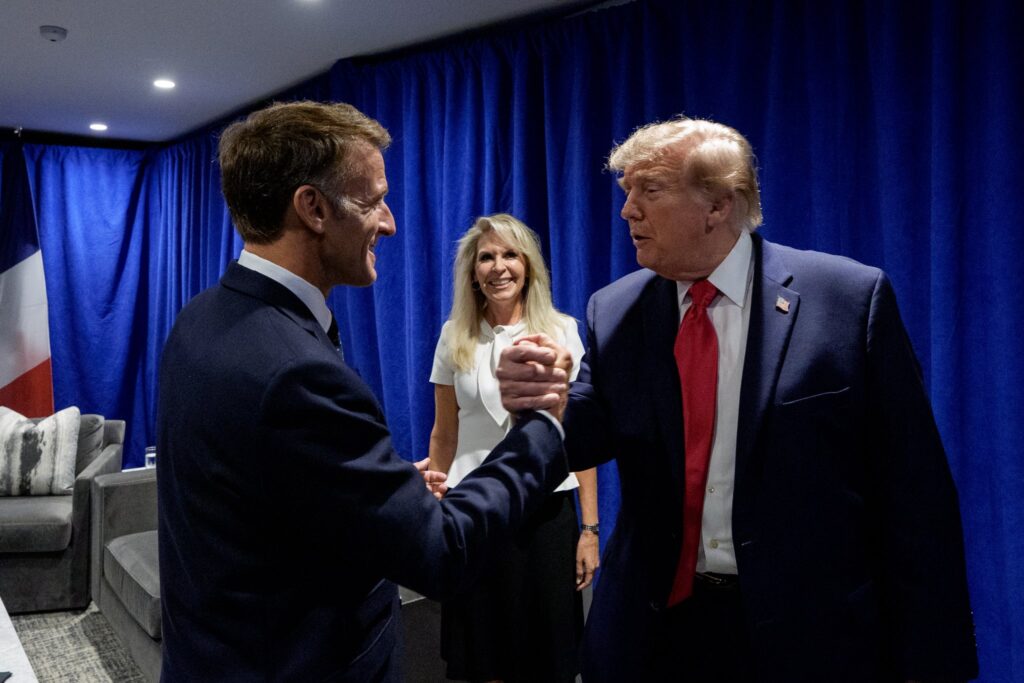
French President, Emmanuel Macron has announced that he and US President, Donald Trump agreed to work together to ease pressure on global energy markets and protect critical infrastructure, following talks in New York.
Macron said that the discussions focused on regional and international challenges, including the impact of the conflicts in the Middle East and Ukraine on energy supplies and shipping.
In a post on X, Macron disclosed that he met Trump shortly after arriving in New York to coordinate their response to the developments. “We decided to act together to ease tensions in the energy markets, by protecting critical infrastructure in the Middle East and freedom of navigation in the Strait of Hormuz,” Macron said.
The Strait of Hormuz is a major route for global energy shipments, and disruptions to navigation through the waterway have raised concerns over supplies and contributed to volatility in international oil markets.
Macron stated that the two leaders also planned to coordinate efforts to secure a moratorium on attacks against energy infrastructure and civilian infrastructure in Ukraine. “Civilian populations must be protected, and we must initiate as soon as possible a serious negotiation on the conditions for peace between Russia and Ukraine,” he said.
The comments come as governments continue to deal with the effects of prolonged conflicts on energy markets and consumers. Restrictions or disruptions affecting major energy routes can increase transportation and fuel costs, adding to wider cost-of-living pressures.
Macron has increasingly called for diplomatic efforts to address the conflicts while also seeking measures to protect energy supplies and critical infrastructure. His discussions with Trump therefore combined immediate efforts to stabilise energy markets with broader diplomatic concerns surrounding the conflicts in the Middle East and Ukraine.
The two leaders’ focus on the Strait of Hormuz reflects the importance of maintaining freedom of navigation through one of the world’s most important energy corridors.

At the same time, Macron’s call for a moratorium on attacks against energy and civilian infrastructure in Ukraine points to efforts to reduce the economic and humanitarian consequences of the Russia-Ukraine conflict.
Oil Prices Tick Up as Markets Monitor Diplomacy
Oil prices edged higher as markets stabilised following several sessions of declines, with investors monitoring possible diplomatic developments between the United States and Iran during the United Nations General Assembly.
Brent crude futures for November rose 22 cents, or 0.22%, to $100.57 a barrel as of 00:21 GMT, according to a news agency.
US West Texas Intermediate crude futures for October, which expire on Tuesday, increased by 2 cents, or 0.02%, to $95.80 a barrel.
The more actively traded November WTI contract gained 13 cents, or 0.14%, to $92.49 a barrel.
The modest increases came as traders assessed the potential implications of diplomatic contacts for energy supplies and shipping routes.
Oil markets have remained sensitive to developments around the Middle East, particularly the security of the Strait of Hormuz, where disruption could affect the movement of crude and other energy products.
The market is also watching diplomatic activity involving Washington and Tehran for signs that tensions could ease.
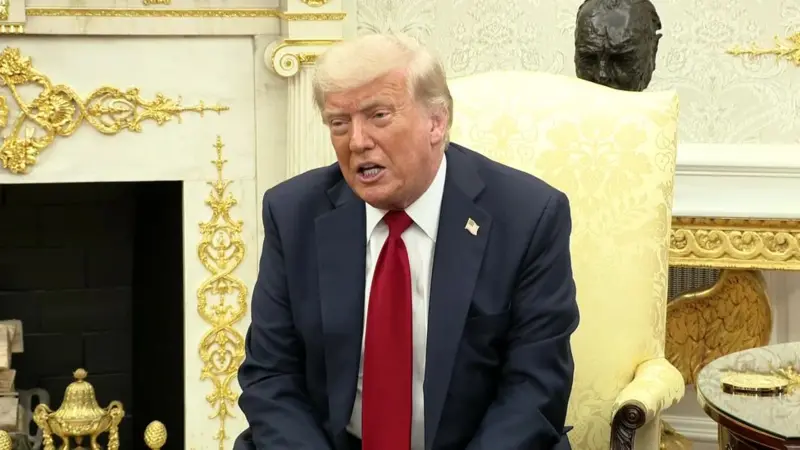
Macron’s meeting with Trump adds to the broader diplomatic activity taking place during the UN General Assembly, where world leaders are addressing conflicts, energy security and other international challenges.
Protecting energy supplies remains an important domestic concern for France as higher fuel costs place pressure on households and businesses. For the United States and other major economies, maintaining stable energy markets is also closely connected to economic conditions and inflation.
The discussions between Macron and Trump indicate that energy security is being treated alongside diplomatic efforts to address the conflicts contributing to market uncertainty. Their agreement to work together on protecting critical infrastructure and freedom of navigation also highlights the connection between geopolitical stability and the functioning of global energy markets.
Macron said that the two countries would continue efforts to promote diplomatic solutions while seeking immediate measures to protect civilians and essential infrastructure.
The discussions come at a time when oil prices remain unstable, emphasizing the continuing sensitivity of energy markets to geopolitical developments.