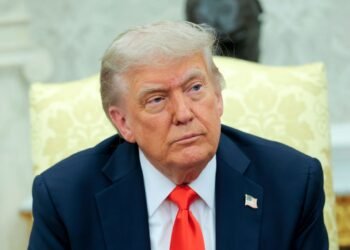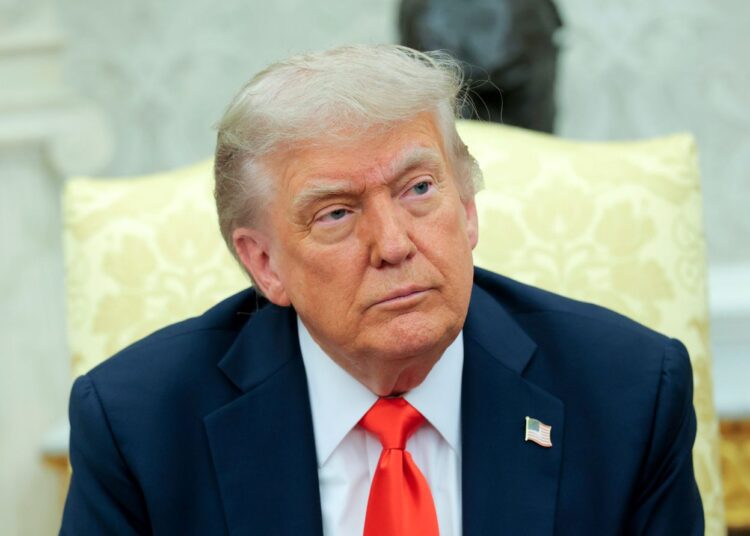
Three news outlets; CNN, MS NOW and Politico, have notified the Trump administration that they intend to file a lawsuit challenging their exclusion from the White House, arguing that the restrictions violate their First Amendment rights.
The three news organisations announced the planned legal action today, two days after reporters from the outlets were blocked from entering the White House and prevented from carrying out their reporting duties.
The outlets said that they notified the administration that they would file the lawsuit in the US District Court for the District of Columbia. They said an emergency hearing could take place as early as this week.
The dispute began on Friday, when President Donald Trump announced through social media that the three organisations would be barred from the White House. Trump characterised their reporting as “fake news” but did not identify a specific report or grievance when announcing the restrictions.
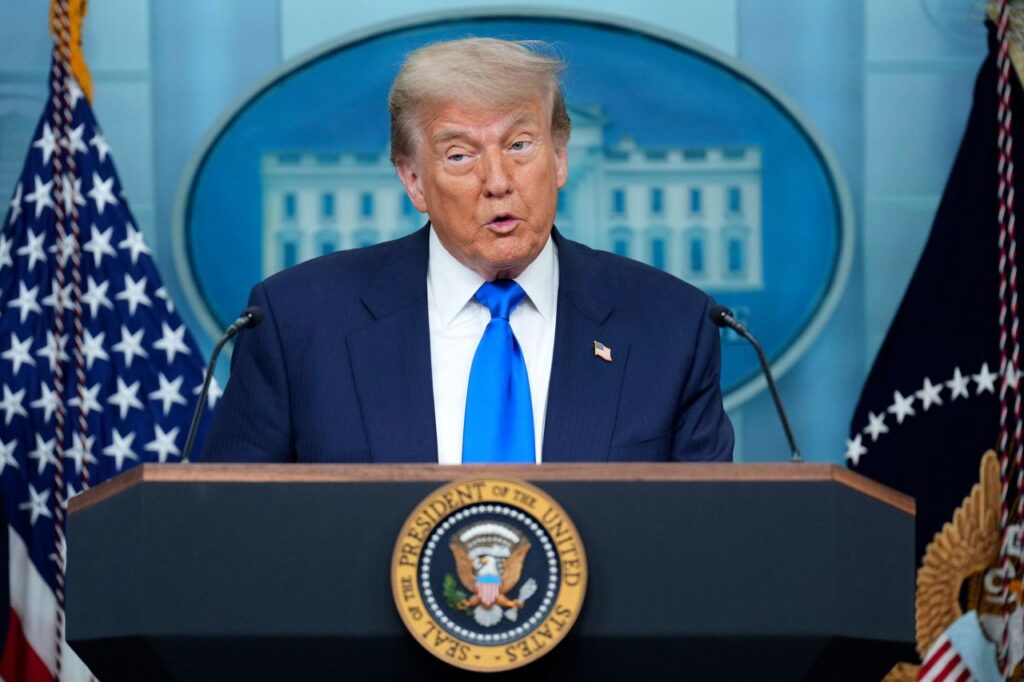
The administration subsequently prevented reporters and camera crews from the three organisations from accessing the White House. Their entry badges were disabled on Saturday, further restricting their ability to cover the administration from inside the building.
In a joint statement posted on X, the outlets stated that the administration had revoked their journalists’ credentials without providing notice or an opportunity for the organisations to respond. “Without notice or process, the White House revoked our journalists’ credentials because it objected to our reporting,” the outlets said.
They argued that allowing the restrictions to remain unchallenged would pose a broader threat to press freedom and the public’s access to independent journalism.
The organisations said their lawsuit would seek to protect their constitutional rights and challenge the principle that government officials can determine what news organisations report or publish.
The planned court action represents a new legal confrontation between the Trump administration and news organisations over access, press freedom and the limits of presidential authority.
The dispute also comes against the backdrop of Trump’s broader disagreements with media organisations and journalists whose coverage he has criticised.
Trump Defends White House Restrictions
Trump responded to the planned lawsuit, rejecting the suggestion that his administration was attacking the free press and defending the decision to exclude CNN, MS NOW and Politico from the White House.
Trump wrote on Truth Social in response to the organisations’ announcement, “The White House is not instituting an assault on the Free Press, something which I cherish.” Trump instead argued that his administration was targeting what he described as “FAKE NEWS.”
“It is instituting an assault on the FAKE NEWS, something that has grown like Cancer in our beloved United States of America. It is corrupt, purposeful, pervasive, fully coordinated, and totally out of control.”
Donald Trump
He also described what he called fake news as a threat to national security. “It is a threat to our National Security, and must be stopped, NOW!” Trump wrote.
Trump’s comments came hours after the three organisations announced their intention to challenge the administration in court.
The U.S President had first announced the ban on Friday in a surprise social media post, saying the three outlets were being barred because of what he characterised as “fake news.” He did not specify a particular report that prompted the decision.
He also indicated that similar restrictions could potentially be imposed on other news organisations in the future.
Since the announcement, reporters and camera crews working for the three organisations have been prevented from entering the White House.
The dispute now moves toward the courts, where the news organisations are expected to argue that the administration’s decision improperly restricts journalists’ access because of their reporting.
The White House’s position, as articulated by Trump, is that the restrictions are aimed at organisations he considers to be producing false or misleading coverage rather than at the press as a whole.
The legal challenge will therefore put questions surrounding press access and First Amendment protections before a federal court.
The case could also have wider implications for the relationship between the White House and news organisations that cover the presidency. At issue is not only whether the three outlets can regain access to the White House, but also how far an administration can go in controlling press access when it objects to particular coverage.
As the organisations prepare to seek emergency court action, the administration has maintained its restrictions on their reporters and production crews.
The confrontation exposes the continuing tensions between Trump and sections of the US news media, with the latest dispute shifting from public criticism and social media exchanges to a formal legal challenge.
READ ALSO: Carney Backs Canada-EU Associate Membership