A fresh disclosure that Ghana paid close to US$60 million in demurrage on imported petroleum products last year has put the efficiency of the country’s current fuel logistics reforms under scrutiny. CUTS International made the estimate on Tuesday, September 22, pointing to avoidable dollar costs in a supply chain already exposed to international product prices and foreign exchange risk.
Appiah Kusi Adomako, Director of CUTS International’s West Africa Regional Centre, said the payments arose when vessels carrying finished petroleum products were unable to discharge within the expected period. “Last year, close to about $60 million was paid as demurrage to shipping lines”, he said, attributing the cost to delays in unloading finished fuel products.
The US$60 million figure is CUTS International’s estimate rather than an audited government total, but the underlying bottleneck is independently recognised by the National Petroleum Authority. The regulator has repeatedly identified petroleum discharge and downstream efficiency as areas requiring improvement.
Demurrage Enters the Fuel Cost Structure
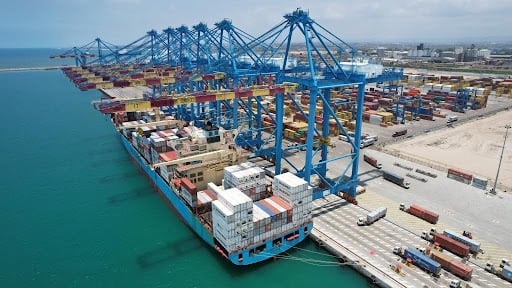
Demurrage is the charge incurred when a vessel remains beyond the agreed period for loading or unloading. In the petroleum trade, the cost can arise when an importer has secured a cargo, but the tanker must wait before gaining access to the facility needed to discharge it.
Ghana’s official petroleum pricing guidelines include a supplier premium in the build-up of ex-refinery prices. Research on Ghana’s pricing system hosted by the NPA identifies demurrage, port charges, jetty fees, financing costs and other import expenses among costs covered by the premium.
That does not mean every dollar of demurrage automatically appears at the pump on a one for one basis. Retail prices also depend on international product benchmarks, the exchange rate, taxes, levies and commercial margins. But persistent waiting costs increase the cost base facing importers and weaken the efficiency of the downstream market.
2026 Pilot Puts Downstream Efficiency Under Test
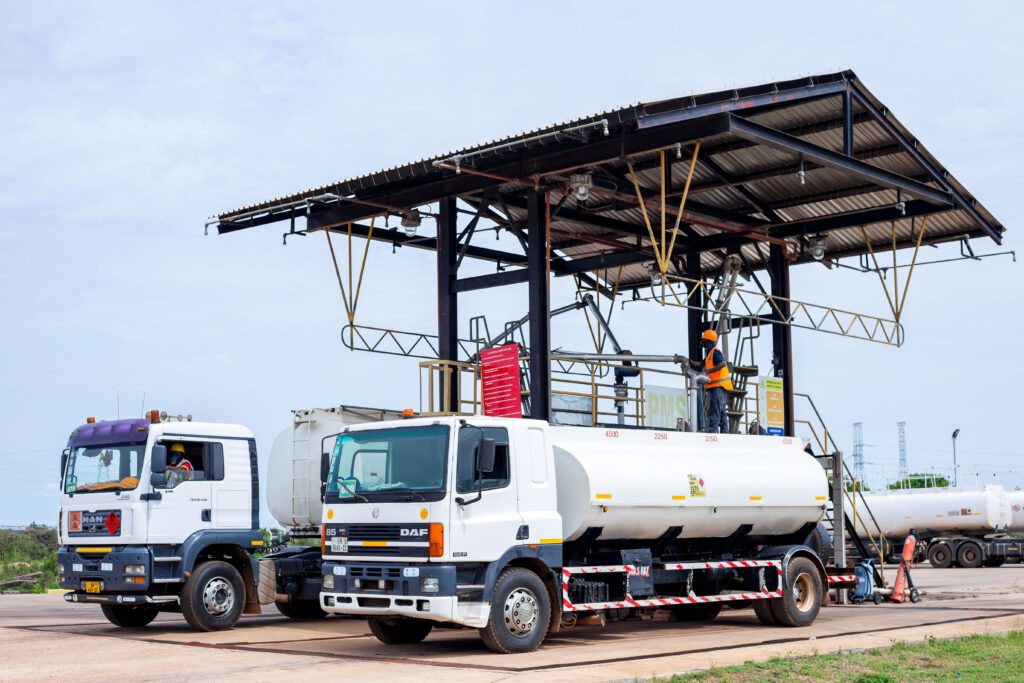
The current policy response is already being tested. In May 2026, the NPA and the 24-Hour Economy Authority launched a six-month downstream petroleum pilot covering 268 fuel stations, eight depots and two refineries across Greater Accra, Ashanti, Western and Northern Regions. The programme was designed to reduce supply bottlenecks, shorten depot-to-forecourt transit times and improve fuel availability.
By July, NPA night-time inspections in Tema found longer operating hours, expanded shifts and higher throughput. Petroleum Hub Limited was loading about 5,000 metric tonnes daily, while Tema Fuel Company said the extended schedule helped it complete daily orders and reduce delays.

In September, the NPA said Ghana had at least six weeks of fuel cover, with a significant number of cargoes already at sea. Its immediate concern had shifted towards price rather than physical availability. Ghana may therefore have adequate supply while still paying unnecessary dollar costs to move that supply through the system.
The efficiency push matters because Ghana remains heavily dependent on imported refined petroleum products. Better depot operations can reduce inland delays, but the CUTS estimate suggests that vessel discharge remains another cost centre that requires attention.
Global Oil Pressure Makes Local Waste More Expensive
The timing is particularly sensitive because Ghana is already absorbing higher external petroleum costs. Recent pressure from the global oil market has raised the cost of crude and refined products, increasing the dollar requirement for maintaining domestic fuel supplies.
Those global costs are largely outside Ghana’s control. Demurrage caused by discharge constraints is different. It represents a domestic efficiency problem that can potentially be reduced through better infrastructure, scheduling and storage coordination.
The foreign exchange dimension also matters. Demurrage paid to international shipping interests creates an external payment without adding another litre of fuel to the economy. At a time when Ghana is rebuilding reserves and trying to preserve gains from stronger exports, avoidable dollar outflows deserve closer scrutiny.
The effect can also spread beyond filling stations. Diesel remains a major input for transport, mining, construction, agriculture and backup power. Higher logistics costs in the fuel chain can therefore feed into business operating expenses and the cost of moving goods across the economy.
2026 Reforms Now Face a Measurable Test
The current 2026 efficiency programme now provides a direct test of whether operational reforms can reduce avoidable fuel logistics costs. The discharge problem itself predates the pilot. In September 2025, the NPA proposed a second Conventional Buoy Mooring facility to allow diesel and petrol vessels to berth simultaneously and reduce delays and demurrage.
The 2026 reforms should therefore be judged across the whole chain. If extended depot hours improve inland distribution but vessels still wait too long offshore, Ghana will have solved only part of the logistics problem.
The clearest test will be measurable outcomes: shorter vessel waiting times, lower annual demurrage payments, stronger throughput and more reliable supply.
CUTS International’s US$60 million estimate points to a wider efficiency problem. Ghana cannot control the international price of fuel, but it can influence how much unnecessary cost is added after a cargo reaches its shores. Reducing that leakage is one part of the fuel burden that domestic policy can actually address.
READ ALSO: Government Set to Procure Furniture to End Double Track System