
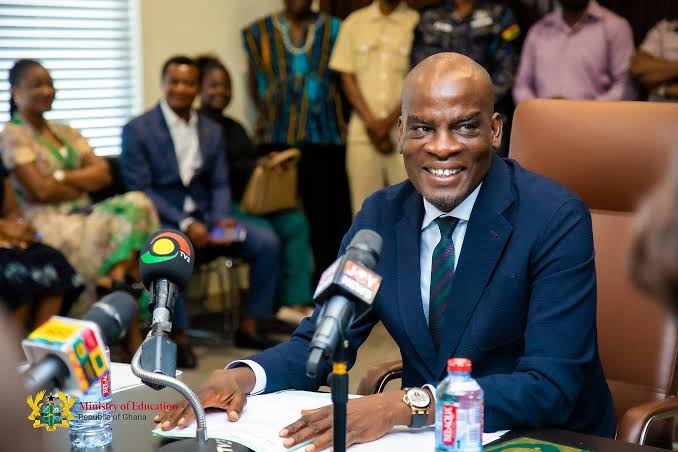
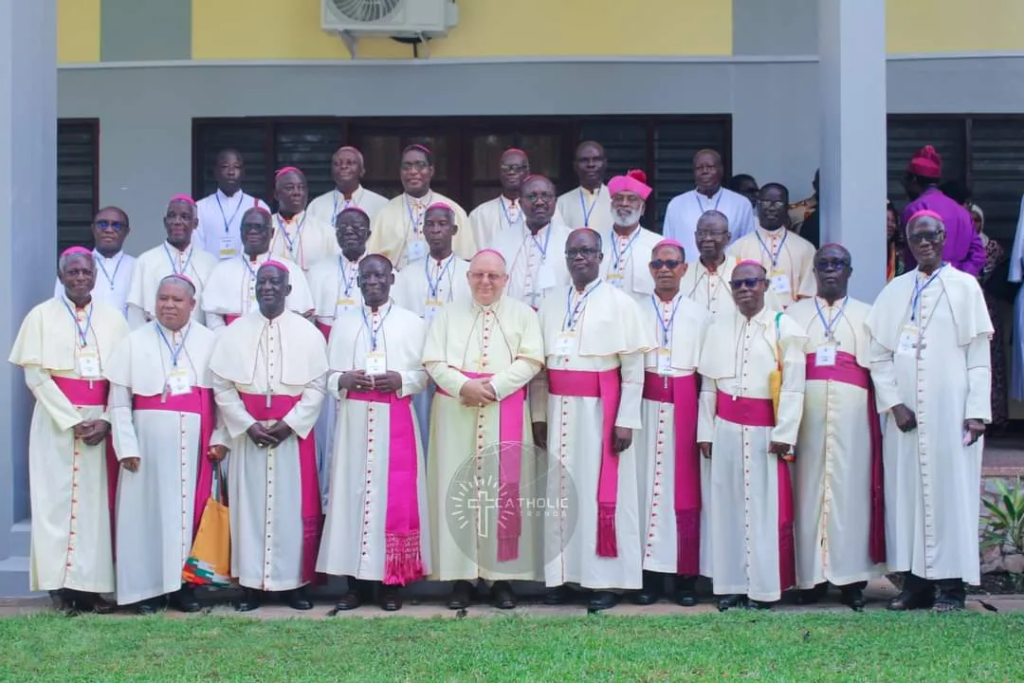
Ministry of Education has responded to concerns raised by the Ghana Catholic Bishops’ Conference over its exclusion from the Ghana Education Service (GES) Council, acknowledging the issue and committing to pursue legislative changes aimed at restoring adequate representation for faith-based organisations on the Council.
Addressing the matter, the Ministry said it has taken note of the concerns raised by the Conference and wishes to assure faith-based institutions that their longstanding contribution to the development of education in Ghana remains fully recognised.
According to the Ministry, the concerns raised are receiving due consideration as part of ongoing engagement between government and religious education stakeholders.
Explaining the root cause of the exclusion, the Ministry pointed to a discrepancy between two pieces of legislation governing education administration in Ghana. It noted that the Ghana Education Service Act, 1995 (Act 506) had originally provided for three representatives of faith-based organisations on relevant education governance structures.
However, this was significantly reduced under the Pre-Tertiary Education Act, 2020 (Act 1049), which currently allows for only one representative of faith-based organisations.
According to the Ministry, this reduction was identified as an anomaly when the current GES Council was being constituted in 2025. Rather than proceed with what it described as inadequate representation for faith-based institutions, the Ministry said it made a deliberate decision to hold off on finalising that aspect of the Council’s composition until Act 1049 could be amended to adequately reflect the role of faith-based organisations in the education sector.
The Ministry further noted that this decision was taken in the context of the government’s broader decentralisation policy on education, under which it has continued to engage various stakeholders across the sector.
Legislative Amendment Process To Begin
Addressing the path forward, the Ministry stated that it will initiate the necessary legislative process to formally amend the Pre-Tertiary Education Act, 2020 (Act 1049), with the specific aim of providing appropriate representation for all recognised faith-based organisations on the GES Council.
“Faith-based organisations have played a longstanding role in Ghana’s education system, and we are committed to addressing the representation gap through the appropriate legislative process.”
Ministry of Education
This commitment positions the amendment process as the Ministry’s primary response to the concerns raised by the Catholic Bishops’ Conference, rather than an administrative workaround within the existing legal framework.
The Ministry did not provide a specific timeline for when the amendment process would be completed, but framed the commitment as part of its broader approach to resolving the representation gap through formal legislative channels rather than through informal adjustments to Council membership.
Ministry Reaffirms Commitment To Inclusive Governance
Beyond addressing the specific concerns raised by the Catholic Bishops’ Conference, the Ministry used the statement to reaffirm its broader commitment to an inclusive, consultative and collaborative approach to education governance in Ghana.
It said it would continue to engage relevant stakeholders across the sector as part of ongoing efforts to strengthen education administration nationally.
This commitment to consultation was presented as consistent with the Ministry’s stated rationale for pausing full implementation of the faith-based representation clause in 2025, rather than proceeding with what it had identified as an inadequate allocation under the current law.
Call For Continued Partnership on Discipline in Schools
In addition to addressing the governance concern directly, the Ministry took the opportunity to appreciate the broader contribution of the Ghana Catholic Bishops’ Conference and other faith-based organisations to education in Ghana over the years.
It extended an appeal to these organisations to join government in addressing what it described as growing indiscipline within the education sector, even as both sides continue working through the process of reviewing the relevant legislation.
This appeal suggests the Ministry is seeking to keep engagement with faith-based education stakeholders active on multiple fronts, addressing both the specific governance representation issue and broader shared concerns about standards of conduct within schools, rather than treating the two matters separately.

With the Ministry now committing to a formal legislative amendment process, attention is likely to turn toward how quickly the necessary changes to Act 1049 are drafted and passed, and whether the eventual amendment restores faith-based organisations to a level of representation comparable to what existed under the earlier 1995 Act.
The Ghana Catholic Bishops’ Conference and other faith-based stakeholders are expected to continue monitoring the process closely, given the historical role these institutions have played in shaping Ghana’s education landscape.
READ MORE: Prez Mahama Cuts Sod for Flagship Airport Project