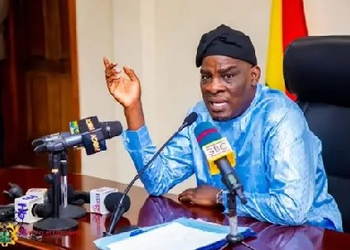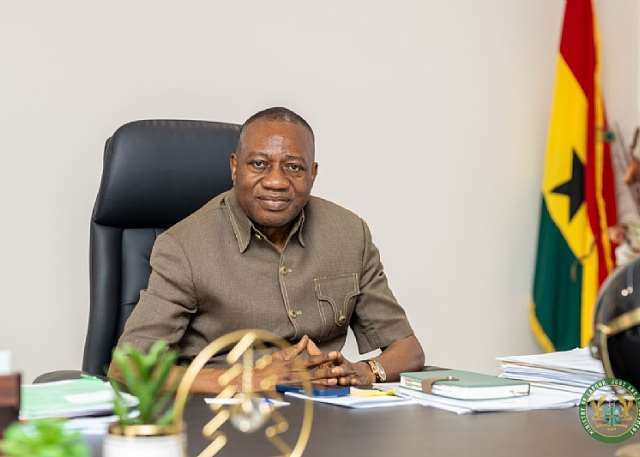
Ghana has secured a combined commitment of $132 million from German partners to support skills development and establish a dedicated skills development university in the country, Minister of State in Charge of Special Initiatives, Dr Rashid Pelpuo, announced.
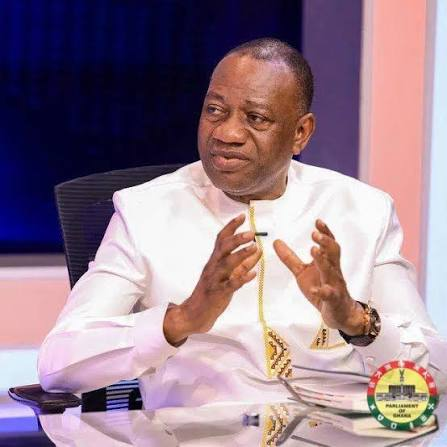
Speaking on an interview, Dr Pelpuo said the funding commitment breaks down into two distinct components, $82 million earmarked for skills development programming and an additional $50 million dedicated to the construction of the proposed university.
Detailing the arrangement, the Minister said the German partners have committed to depositing the larger portion of the funding directly into accounts already established by government for the purpose, in addition to separately financing the university’s construction.
“They have agreed to deposit $82 million in our accounts that we have opened, and they are also bringing about $50 million to construct a skills development university in this country.”
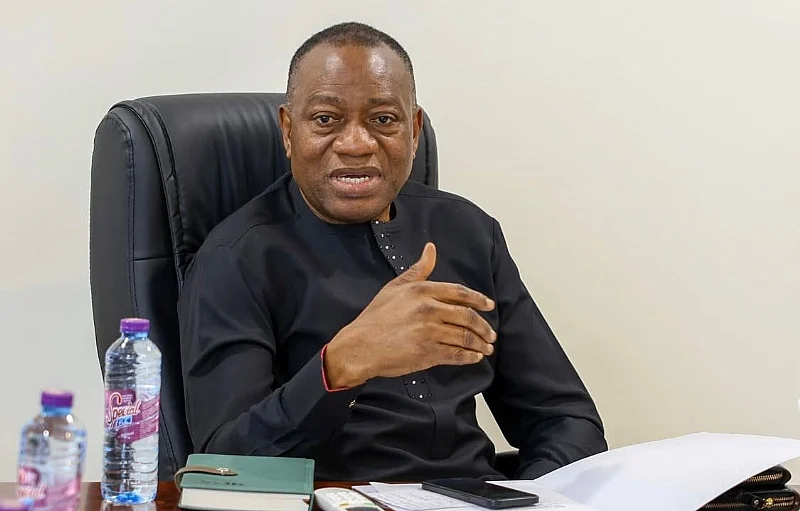
Dr Rashid Pelpuo
Dr Pelpuo, a former Minister for Employment and Labour Relations, said the partnership did not emerge from preliminary discussions alone but has already been formalised through a signed agreement, following an extended period of engagement with the German partners spanning roughly a year and a half.
University Location Still Undecided
While confirming the financial commitments, the Minister acknowledged that key implementation details remain unresolved, particularly the physical location of the proposed skills development university.
“That agreement has been signed, I signed the agreement myself, I met them several times, we’ve had a number of meetings.”
Dr Rashid Pelpuo
He said discussions are ongoing to identify a suitable site for the institution, but that no specific location within Ghana had yet been settled on.
This aspect of the announcement suggests that while the financing arrangement has reached an advanced stage, the practical groundwork for construction, including site selection, environmental and logistical assessments, and formal groundbreaking, remains at an earlier phase of planning.
Looking ahead, Dr Pelpuo indicated that representatives of the German partner organisations are expected to begin arriving in Ghana before the end of 2026 to advance planning for the project, including work toward finalising the university’s site.
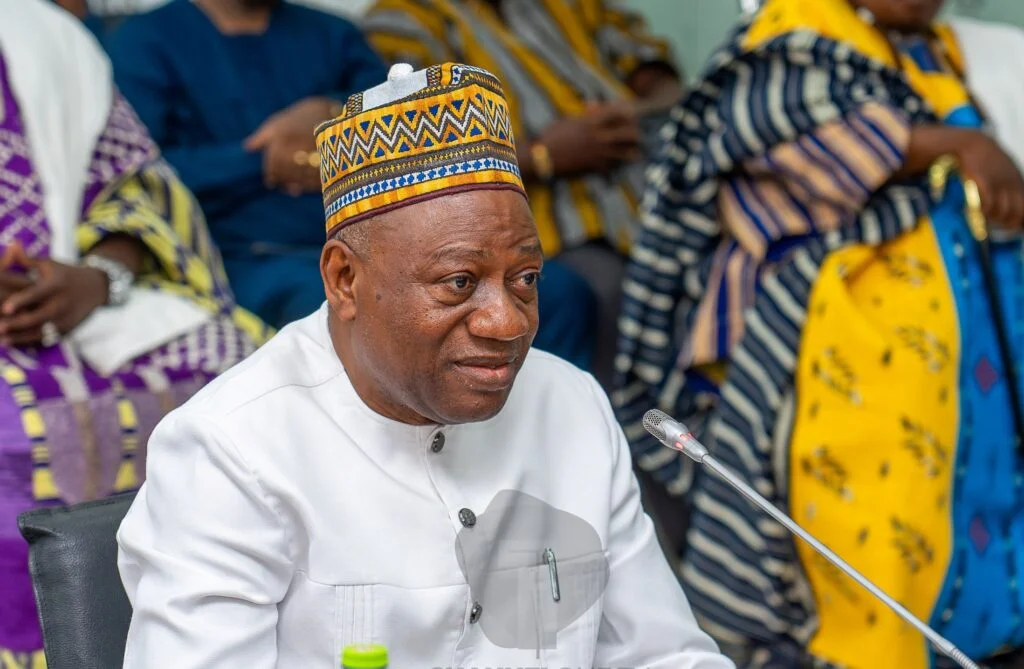
“Between now and before the end of the year, partners will begin coming to Ghana, and we would have established where we want to establish it and work to ensure that we have the skills development university happening.”
Dr Rashid Pelpuo
Part Of Broader Government Skills Agenda
Dr Pelpuo situated the German partnership within the government’s wider strategy to expand access to skills training and improve employment prospects for Ghanaians, an agenda that has featured prominently in his portfolio as Minister of State in Charge of Special Initiatives.
By combining direct financial support for skills programming with capital investment in a dedicated training university, the arrangement appears designed to address both immediate training needs and longer-term institutional capacity within Ghana’s skills development ecosystem.
Officials have not yet detailed which specific trades, sectors or curricula the planned university would prioritise, though the scale of investment suggests a facility intended to serve a broad base of trainees once operational.
The announcement adds to a long-running pattern of development cooperation between Ghana and Germany, particularly in areas tied to vocational and technical training, an area German development partners have historically supported across various African countries.
While Dr Pelpuo did not name the specific German entities involved in the agreement, his description of extended, direct engagement, including multiple in-person meetings and a formally signed accord, points to a structured government-to-government or institutional partnership rather than an informal pledge.
Outstanding Questions as Process Moves Forward
Despite the scale of the financial commitment disclosed, several implementation details remain to be clarified in the coming months, including the timeline for construction once a site is selected, the governance structure of the proposed university, and how the $82 million skills development component will be disbursed and monitored.
Dr Pelpuo’s remarks suggest that these details are expected to take shape as German partners begin arriving in Ghana later in the year.
With the financing agreement already signed and partners expected to visit before the end of 2026, attention will likely turn to how quickly government is able to identify and formalise a site for the university, and how transparently the disbursement of the $82 million skills development component is managed.
The coming months are expected to offer the first concrete signals of how this substantial funding commitment translates into actual training infrastructure and outcomes for Ghanaian jobseekers.
READ MORE: Senyo Hosi Urges Deliberate Public Policy at SYPALA 2026