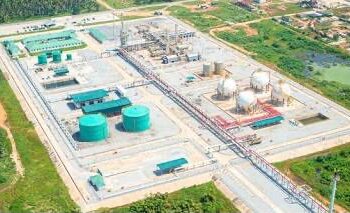
The United States International Development Finance Corporation (DFC) has accumulated more than $14 billion in investment commitments across Africa, with liquefied natural gas (LNG) infrastructure and pipelines emerging as increasingly important targets for American-backed financing.
The commitments signal Washington’s growing interest in Africa’s energy infrastructure, but discussions at African Energy Week (AEW) 2026 in Cape Town suggest that securing further investment will depend on more than the availability of capital.
Project preparation, fiscal stability, regulatory efficiency and credible government guarantees remain critical to turning proposed energy developments into bankable investments.
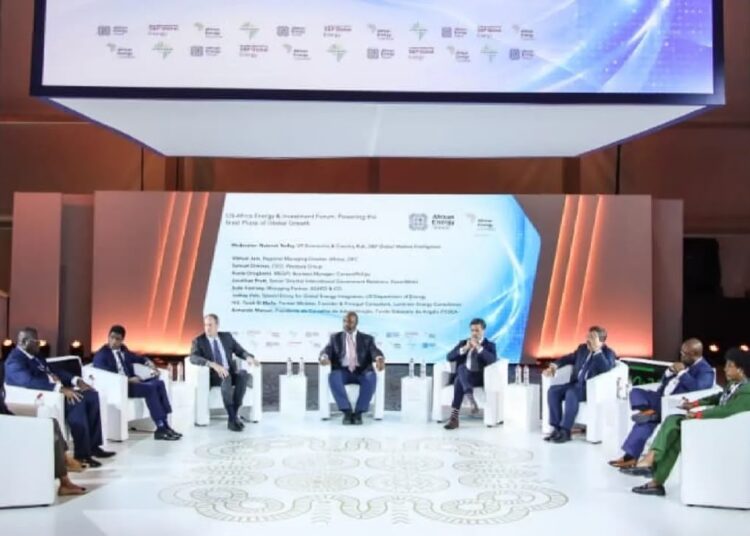
Speaking at AEW’s U.S.-Africa Energy & Investment Forum, Vibhuti Jain, DFC’s Regional Managing Director for Africa, said the institution requires projects to demonstrate feasibility, assess their potential impacts and establish financial viability before committing funding.
The approach highlights a persistent challenge across African energy markets: projects with significant commercial or developmental potential can struggle to attract financing when their preparatory work is incomplete or their revenue structures cannot support investment.
Project preparation becomes a financing priority
Jain said DFC does not finance projects without adequate feasibility studies, impact assessments and bankability analysis. However, the institution offers reimbursable grants to help project developers and their partners complete this preliminary work.
The distinction is significant because project preparation often determines whether infrastructure proposals progress beyond planning.
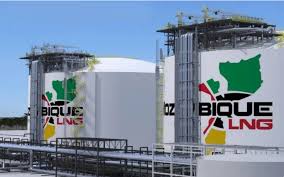
For capital-intensive developments such as LNG terminals and gas pipelines, inadequate technical assessments, uncertain revenue streams and unresolved commercial arrangements can delay financial close even when investors have expressed interest.
For interconnected gas infrastructure, Jain said host governments should provide the guarantees necessary to make individual segments bankable.
Such arrangements are particularly relevant where the commercial viability of one pipeline or facility depends on the completion and performance of another.
Government guarantees can help address these risks, but they also require careful structuring. Where public institutions assume financial obligations to support private investment, poorly designed guarantees can expose governments to liabilities if projected revenues fail to materialise.
Angola’s sovereign wealth fund, Fundo Soberano de Angola (FSDEA), is pursuing a similar approach by setting aside dedicated capital for project preparation.
Its chairman, Armando Manuel, said many African projects fail to reach financial close because they are inadequately prepared.
The fund is prioritising electricity transmission lines while also considering opportunities in midstream and downstream infrastructure and marginal oil fields.
The strategy reflects a broader investment challenge: attracting capital requires governments and project sponsors to develop commercially credible proposals before approaching financiers.
U.S. institutions expand their African exposure
DFC is not the only American institution seeking a larger role in Africa’s energy investment landscape.
Joshua Volz, Special Envoy for Global Energy Integration at the U.S. Department of Energy, said the Export-Import Bank of the United States (US EXIM) now holds 30% of its exposure in Africa.
The figure underscores the continent’s growing importance to American-backed international financing, particularly as governments and companies pursue energy infrastructure, supply-chain opportunities and new sources of strategic commodities.

“There is no future global energy architecture without Africa. Africa is not a nice-to-have, it’s a must-have,” Volz said.
However, he argued that African governments must shorten permitting timelines, warning that administrative delays can deter investment more than political risk.
The concern points to a policy dilemma for African countries seeking to accelerate infrastructure development.
Governments need to maintain environmental oversight, regulatory safeguards and public accountability, but lengthy and unpredictable approval processes can increase project costs and undermine investor confidence.
The priority, therefore, is not simply to relax regulations, but to establish transparent procedures, predictable timelines and effective coordination among permitting authorities.
Angola’s investment strategy also illustrates how African capital can complement American financing. Manuel said approximately 95% of FSDEA’s securities are invested in the United States, while identifying the Longonjo rare earths project as a model for U.S.-Angolan co-investment.
DFC has committed project-development funding to Pensana to advance refining facilities at Longonjo. FSDEA holds a 29.1% stake in Pensana through a subsidiary.
Although the project concerns critical minerals rather than petroleum, it demonstrates how development finance, sovereign investment and private-sector capital can be combined to advance infrastructure and processing capacity.
Fiscal stability remains central to investor decisions
Beyond financing and project preparation, the panel identified fiscal certainty as a decisive consideration for companies weighing long-term energy investments.
Jonathan Pratt, ExxonMobil’s Senior Director of International Government Relations, said fiscal terms and stabilisation clauses influence whether the company commits capital to projects that may operate for 30 to 40 years.
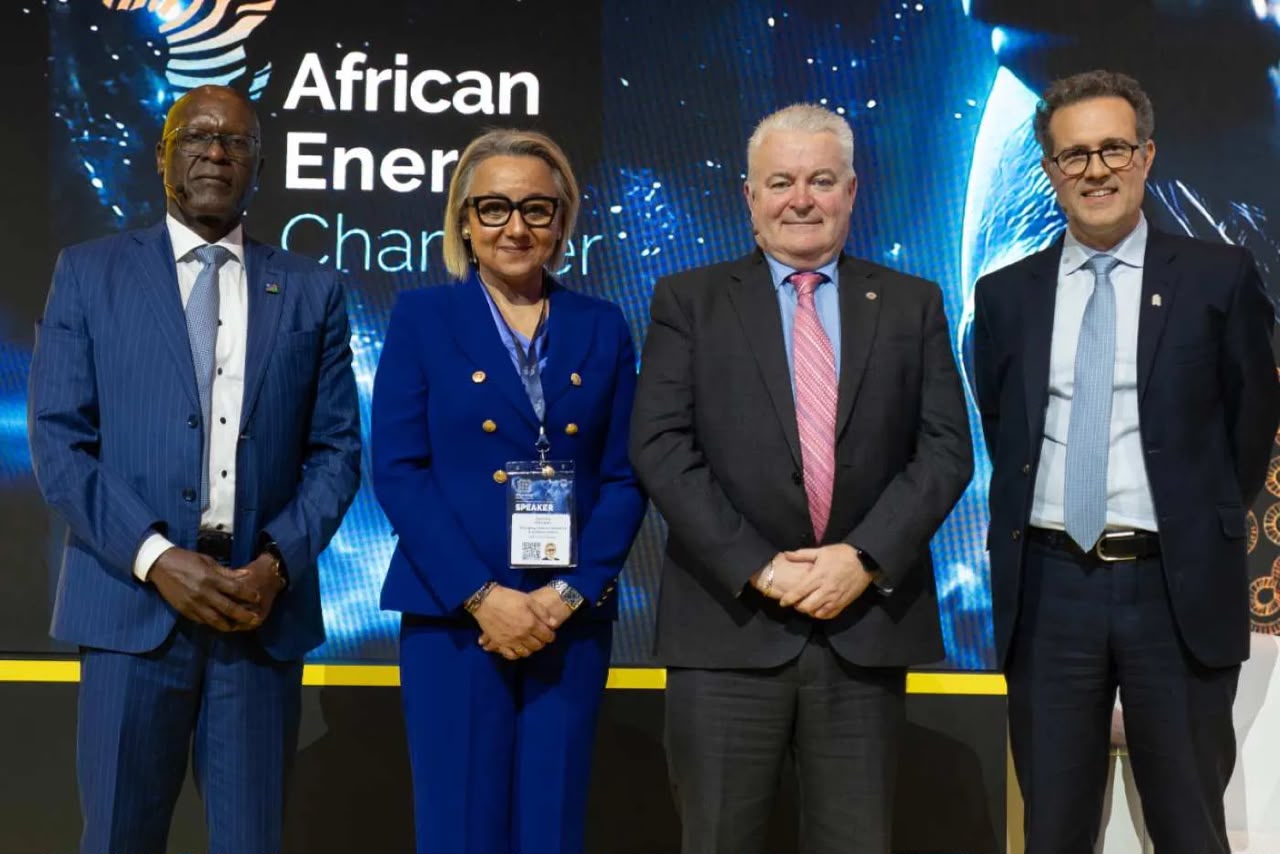
For investors, the concern is whether the commercial assumptions underpinning a project will remain sufficiently predictable over its lifetime.
Changes to taxation, royalties, contractual terms or other fiscal arrangements can alter expected returns and affect investment decisions.
Tarek El Molla, Egypt’s former Minister of Petroleum and Mineral Resources and founder of Luminant Energy Consultancy, pointed to Egypt’s use of parliamentary guarantees for fiscal stability as part of its efforts to attract major international oil companies.
He warned that informal assurances may not be sufficient to secure investor confidence.
“If you just promise things, convincing them that everything is going to be accepted, I don’t think that they will trust you,” El Molla said.
His remarks underline the importance of institutional credibility. For African governments, attracting capital requires not only offering competitive fiscal terms but also establishing clear legal frameworks that investors can assess before committing substantial resources.
Local content policies face scrutiny
The discussion also exposed tensions between local participation objectives and the commercial requirements of international investors.
Jude Kearney, Managing Partner at pan-African law firm ASAFO & CO, argued that local-content requirements can discourage investment when they require a domestic partner to hold 51% of a joint venture without contributing a corresponding share of project costs.
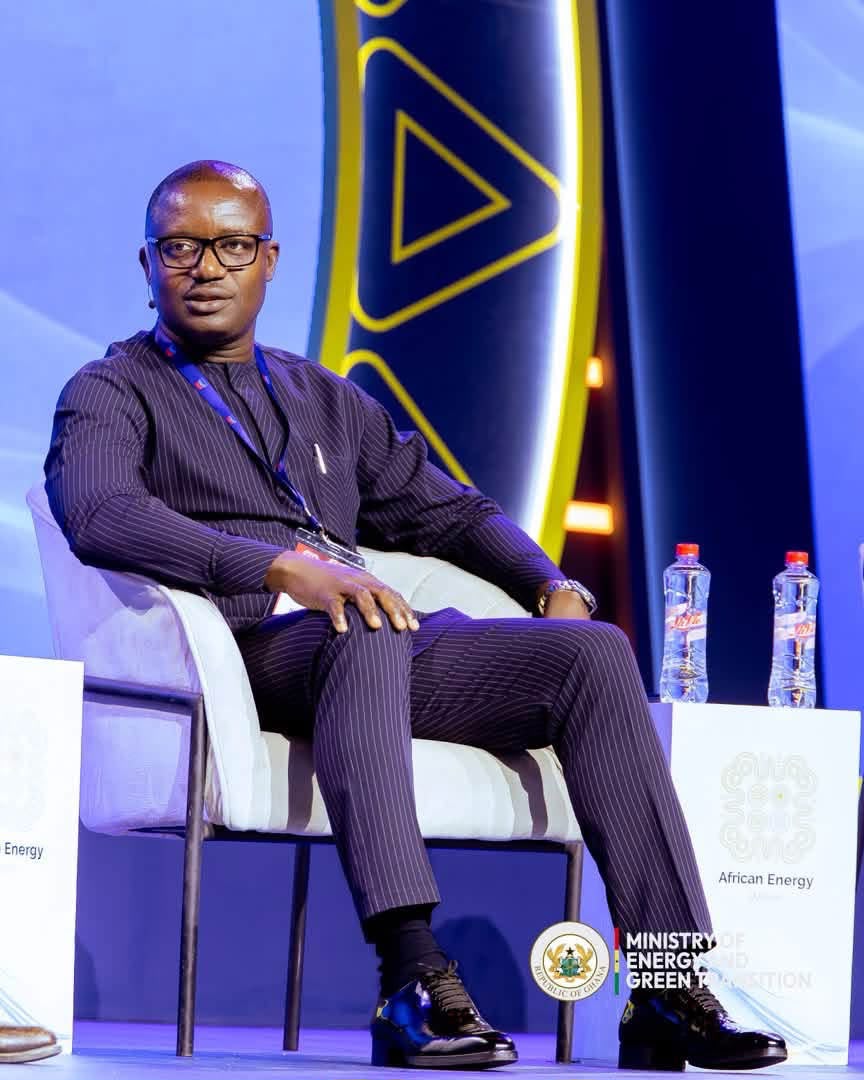
The concern centres on the allocation of financial risk. Where ownership requirements are not matched by realistic financing obligations or clearly defined commercial responsibilities, investors may view the arrangements as an additional cost rather than an effective mechanism for building domestic capacity.
Samuel Diminas, Chief Executive Officer of U.S.-African services firm Westpaq Group, also highlighted administrative barriers, saying registration of a service company can take between one and three years in many African markets, compared with approximately three days in the United States.
Such delays can restrict the entry of service providers, slow project execution and increase the cost of doing business.
For policymakers, the challenge is to design local-content frameworks that expand domestic participation, skills development and industrial capacity without creating requirements that undermine the projects intended to deliver those benefits.
Financing opportunities will depend on reforms
The emerging U.S. investment push offers African countries an opportunity to mobilise capital for gas infrastructure, electricity transmission, petroleum projects and strategic mineral processing.
But the commitments discussed at AEW 2026 also make clear that access to development finance does not automatically translate into completed infrastructure.
Projects must be technically prepared, commercially viable and supported by credible regulatory and fiscal arrangements. Governments must also ensure that guarantees and investment incentives do not create disproportionate public-sector risks.
For African energy producers, the central task is to convert growing international interest into projects that reach financial close, deliver reliable infrastructure and generate lasting domestic economic benefits.
The scale of American-backed financing may create new opportunities, but the extent to which African countries capture those opportunities will depend on the quality of their projects and the predictability of the investment environments they offer.
READ ALSO: BoG Report Reveals Cedi’s Sharp Reversal After 2025 Rally