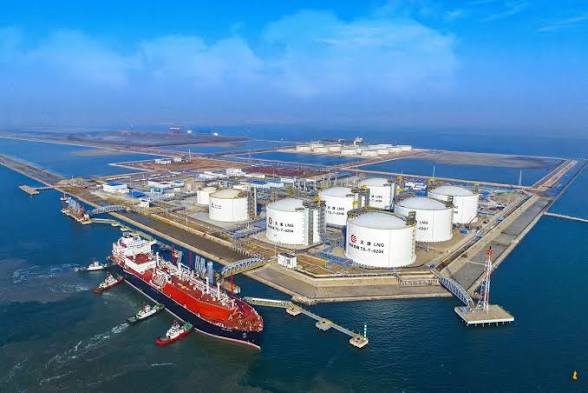
Global liquefied natural gas (LNG) markets are tightening again, and while Ghana is not a major LNG importer for its electricity sector, the renewed price pressure is increasingly being viewed as a warning signal for the country’s long-term gas security and power-sector planning.
Asian spot LNG prices have strengthened in recent weeks, while European gas markets remain under pressure as buyers compete for available cargoes.
The rebound follows a period of relative easing earlier in the year and reflects a combination of stronger demand expectations, lower storage comfort in parts of Europe and continued geopolitical uncertainty affecting energy trade routes.
Reuters has reported that Asian LNG prices have risen from recent lows and that European gas markets remain sensitive to supply and storage developments.
For Ghana, the immediate implication is not a sudden increase in LNG imports, but a reminder that global gas volatility can still shape regional gas economics, alternative fuel costs, investment decisions and the financial resilience of thermal power generation.
“The tightening LNG market is less about whether Ghana buys more LNG tomorrow and more about whether the country is building enough domestic resilience before the next global gas shock arrives.”
Global gas markets are becoming less comfortable
Recent market movements suggest that the balance between LNG supply and demand is becoming less comfortable than it was earlier in 2026.
Asian buyers have returned more actively to the market, while European utilities continue to secure cargoes ahead of the winter season.
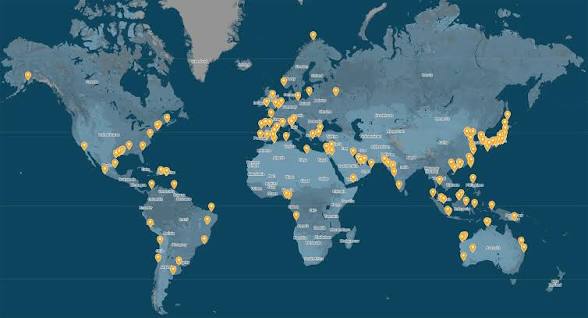
Reuters reported that Asian spot LNG prices reached a multi-month high in late July amid concerns over shipping and supply risks linked to Middle East tensions.
At the same time, Europe’s gas-storage situation remains unusually tight for this stage of the year, increasing sensitivity to any disruption in LNG flows or pipeline supply.
These developments matter because LNG has become the balancing fuel of the global gas system.
When competition for cargoes intensifies, prices tend to rise across multiple regions, and countries with weaker bargaining power or less developed gas infrastructure become more exposed.
Why Ghana still has a stake in LNG prices
Ghana’s power sector relies primarily on domestic and regional natural gas rather than large-scale LNG imports.
However, global LNG prices still influence the country indirectly through several channels.
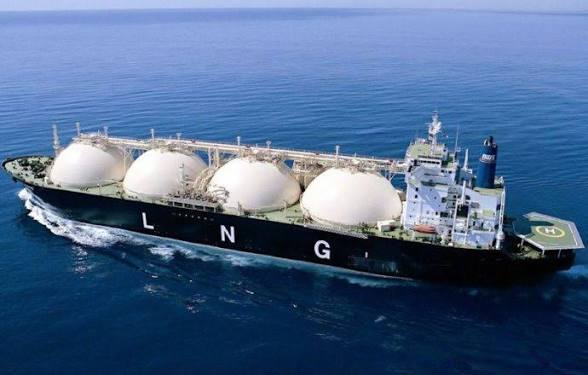
Higher international gas prices can affect the economics of regional gas trade, increase the attractiveness of exporting gas rather than supplying domestic markets, and raise the cost of liquid-fuel alternatives used when gas supply is constrained.
The effect is therefore structural rather than immediate.
“Ghana is connected to global gas markets not only through direct imports, but through pricing expectations, investment incentives and the wider economics of thermal power generation.”
Domestic gas becomes more valuable
The renewed volatility strengthens the strategic value of Ghana’s own gas resources.
Production from the Jubilee, TEN and Sankofa-Gye Nyame fields remains central to the country’s electricity system.
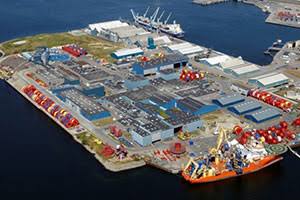
Recent operational updates from upstream operators have also pointed to efforts to optimise production and advance additional gas-related projects.
In this context, the debate is shifting from whether Ghana has gas to whether it can deliver gas reliably, collect payment for it and invest in the infrastructure needed to support future demand.
Analysts argue that domestic gas is increasingly serving three functions simultaneously: a power-generation fuel, an industrial feedstock, and a hedge against international fuel volatility.
Infrastructure may matter more than new discoveries
One of the clearest lessons from recent global gas-market disruptions is that infrastructure often matters as much as resource availability.
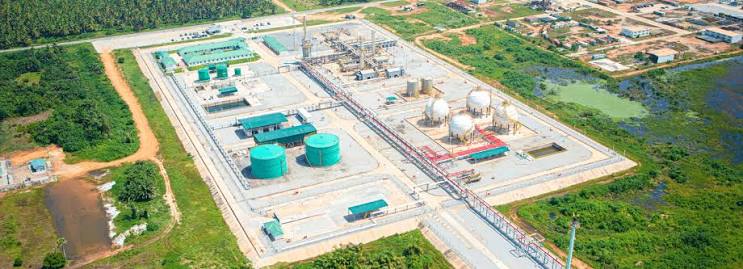
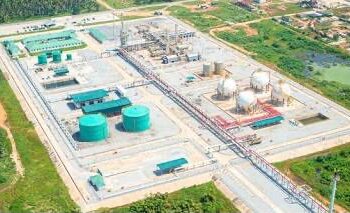
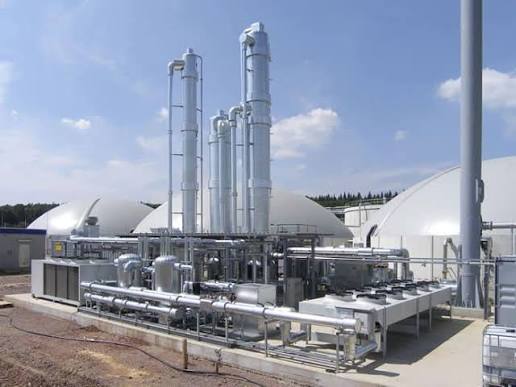
Ghana has invested in offshore production, the Atuabo Gas Processing Plant and transmission infrastructure, but bottlenecks in delivery, payment and system coordination have periodically affected supply reliability.
Projects aimed at strengthening transmission and distribution networks, including emerging discussions around additional gas-delivery infrastructure in the Tema industrial corridor, are becoming more important in this environment.
A country can have gas in the ground and still face energy-security risks if the transmission, processing and payment systems are not equally robust.
Reuters
Power-sector finances remain a hidden vulnerability
The LNG story also intersects with Ghana’s electricity-financing challenge.
Even with adequate gas supply, thermal generation depends on the financial health of utilities and off-takers.
Delayed payments, accumulated arrears and weak revenue recovery can discourage investment in upstream and midstream infrastructure.
This is why recent calls for stronger payment discipline and accountability across the energy value chain are increasingly being viewed as part of the gas-security agenda rather than a separate utility issue.
A tighter global gas market makes financing discipline more important, because external volatility leaves less room for domestic inefficiency.
Could LNG eventually play a larger role?
Ghana has explored LNG-related options in the past, and future demand growth from industry, data centres, mining and urbanisation could revive interest in additional flexible gas supply.
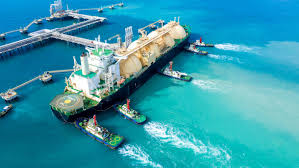
However, any larger LNG role would need to be assessed against three factors: long-term price competitiveness, foreign-exchange exposure, and compatibility with Ghana’s low-carbon transition goals.
For now, the stronger policy signal is that maximising domestic gas value appears to be the preferred strategic path.
The transition question
The renewed LNG pressure also highlights a broader energy-transition reality.
Ghana is expanding solar generation, battery storage and other renewable-energy initiatives, but thermal power remains essential for grid stability.
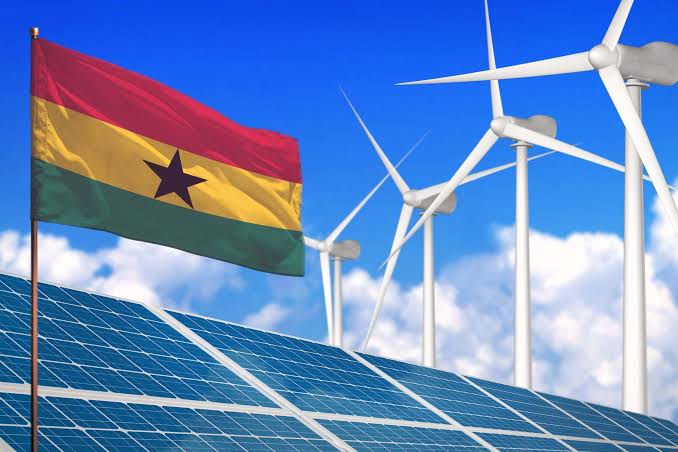
The transition is therefore not a simple replacement of gas with renewables; it is a process of combining gas, hydro, solar and storage in a more resilient system.
In that sense, global LNG volatility may actually reinforce the case for faster renewable deployment and storage investment, not because gas becomes unnecessary, but because reducing exposure to imported fuels and international price swings becomes economically attractive.
What should policymakers watch now?
The most important indicators over the next few months are unlikely to be LNG prices alone.
Attention should focus on: the reliability of domestic gas production, progress on gas-infrastructure projects, payment flows within the power sector, and the pace of renewable and storage deployment.
If global gas markets remain tight into the final quarter of 2026, countries with stronger domestic gas systems and more diversified power mixes will be better positioned to manage external shocks.
A warning, not a crisis
The current LNG rebound does not mean Ghana is facing an immediate fuel shortage or an unavoidable electricity-price surge.
What it does mean is that the country is receiving another reminder that energy security is increasingly about resilience rather than abundance.
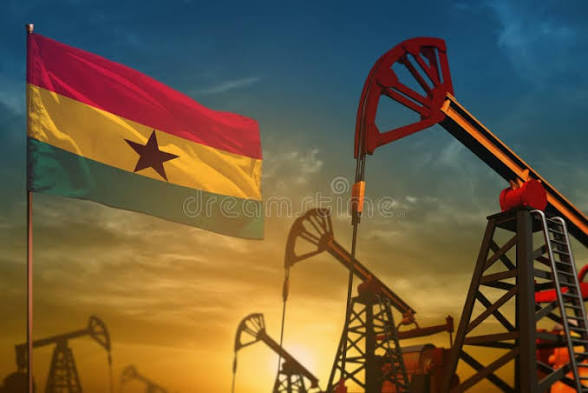
Ghana’s long-term advantage may not lie in trying to compete for expensive LNG cargoes during periods of global stress.
It may lie in building a system where domestic gas is delivered efficiently, renewables and storage reduce vulnerability, and power-sector finances are strong enough to support continuous investment.
The tightening global LNG market is therefore best understood not as a crisis for Ghana, but as a strategic warning.
The countries that emerge strongest from the next decade of energy volatility are likely to be those that treat infrastructure, governance, payment discipline and diversification as parts of the same energy-security equation, rather than as separate policy debates.
READ ALSO: Kwabena Donkor Denies Bribery Allegations In Asante Berko US Conviction