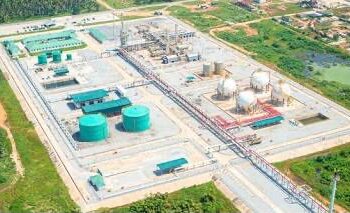
Africa will require at least $125 billion in investment across existing and planned refining projects, as well as maintenance, through 2050, according to the Organisation of the Petroleum Exporting Countries (OPEC), highlighting the scale of financing needed to expand the continent’s capacity to process crude oil and meet rising domestic demand.
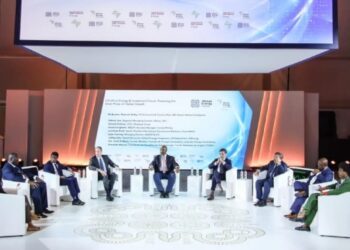
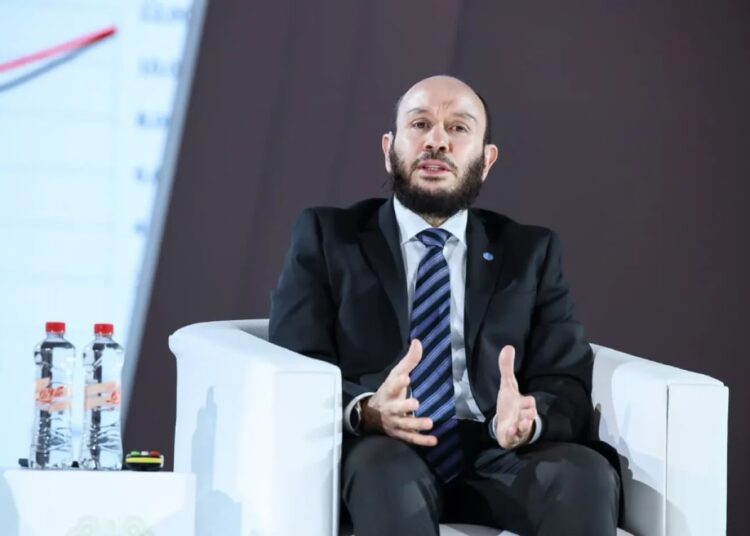
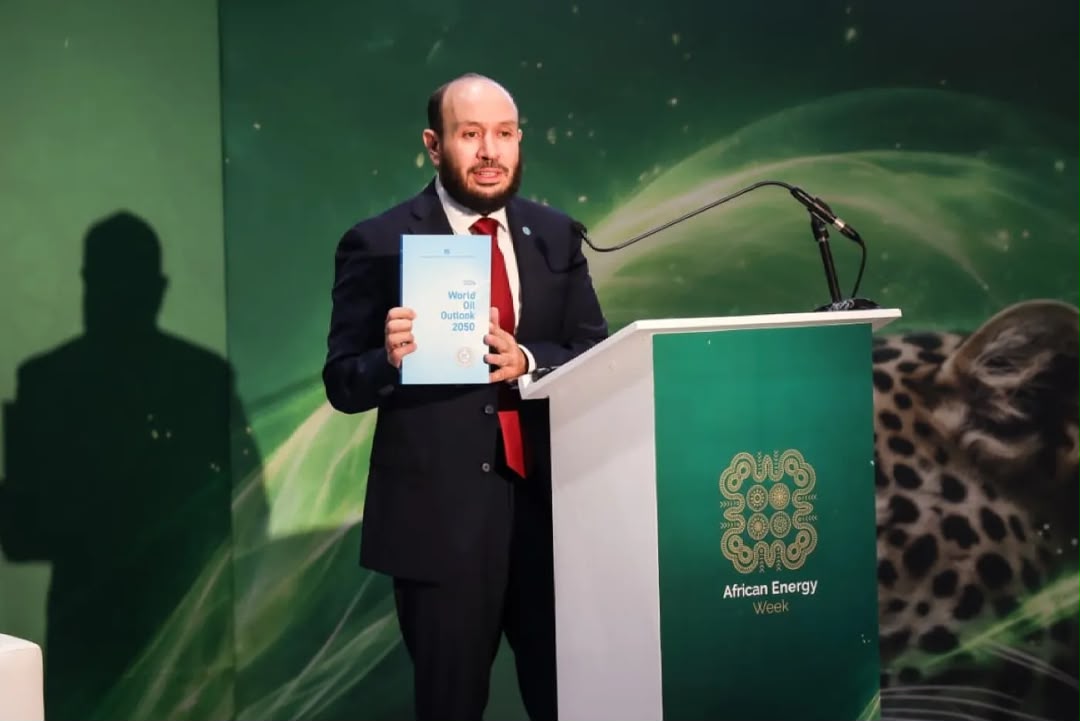
Abderrezak Benyoucef, Head of OPEC’s Energy Studies Department, disclosed the estimate during a fireside chat with Eithne Treanor, Founder and CEO of ETreanor Media, at African Energy Week (AEW) 2026 in Cape Town.
The discussion drew on OPEC’s 2026 World Oil Outlook, including a new study examining Africa’s medium- and long-term energy outlook that the organisation distributed to delegates ahead of its online publication.
The investment estimate comes as Africa’s refining industry operates well below its potential, leaving the continent dependent on additional supplies to meet petroleum demand despite its substantial crude oil resources.
OPEC projects that refining capacity will increase significantly by 2050, but the expected expansion will still fall short of the continent’s projected oil requirements.
The outlook raises a central question for African energy policymakers: whether investment in refining, alongside upstream production and other energy infrastructure, can keep pace with demand while improving energy security and expanding access to modern energy services.
Refining Capacity Must Translate Into Actual Output
Benyoucef cautioned against assessing Africa’s refining industry solely by its installed capacity, drawing attention to the importance of how much crude existing facilities actually process.
“Talking about capacity, we have also to talk about how much we get from these refineries,” he said.
African refineries currently operate at utilisation rates of approximately 55%, processing less than three million barrels per day (bpd). OPEC expects the continent’s distillation capacity to increase by 3.2 million bpd to approximately 7.9 million bpd by 2050, while utilisation rises to around 80%, bringing it closer to the global average.
The projected improvement would represent a substantial increase in refining activity. However, OPEC expects African oil demand to rise from 4.9 million bpd to 9.2 million bpd over the same period, meaning that expanded capacity would not eliminate the gap between domestic demand and available refining output.
The distinction between installed capacity and actual production is particularly important for investment decisions.
New refineries and expansion projects can increase nominal capacity, but their contribution to energy security will depend on whether facilities can operate reliably, secure crude supplies and process sufficient volumes at commercially sustainable rates.
The projected $125 billion requirement also extends beyond building new facilities. By including existing projects, future projects and maintenance, the estimate recognises that maintaining and upgrading current infrastructure will remain part of the continent’s long-term refining challenge.
Population Growth Will Increase Pressure on Energy Systems
OPEC’s investment outlook is closely linked to its projections for Africa’s population and economic growth.
OPEC Secretary-General Haitham Al Ghais said the continent’s population would increase by approximately 917 million people by 2050, while its gross domestic product would grow faster than that of any other region, at an average annual rate of 4.4%.
The organisation also estimates that Africa holds approximately 120 billion barrels of proven crude oil reserves and 18 trillion cubic metres of proven natural gas reserves.

These resources provide a substantial foundation for energy development, but their economic value will depend partly on the continent’s ability to mobilise financing, build infrastructure and convert resource production into dependable energy supplies.
Al Ghais called for improved access to financing for energy projects suited to individual countries’ circumstances, arguing that African development priorities should be considered within the wider global energy debate.
“Africa cannot and should not be expected to forgo development opportunities, energy security and poverty eradication in response to a problem which it had very little to do with the creation of,”
His remarks place energy investment within a broader development question: how African countries can expand access to reliable and affordable energy while pursuing economic growth and addressing environmental concerns.
For governments, this means investment decisions must account for differences in national energy needs, resource availability, infrastructure and financing capacity rather than assuming that a single development pathway will suit every market.
Rising Demand Will Continue to Test African Oil Supply
Benyoucef said African liquids supply currently stands at approximately 7.6 million bpd, equivalent to around 7% of global supply.
Under OPEC’s projections, liquids production from African countries outside the Declaration of Cooperation is expected to rise from 2.3 million bpd in 2025 to three million bpd by 2050. Despite that increase, the organisation expects demand to continue outpacing supply.
The outlook underscores the importance of considering upstream production and refining investment together. Increasing crude production does not automatically guarantee that domestic consumers will have access to sufficient refined petroleum products, particularly where processing capacity, infrastructure or refinery utilisation remains constrained.
Similarly, expanding refining capacity without securing reliable feedstock supplies and commercially viable operating conditions could limit the benefits of new investment.
For African policymakers and investors, the challenge is therefore to coordinate production, refining, transportation and distribution so that additional investment addresses the points of weakness across the petroleum value chain.
Clean Cooking Remains a Major Energy Access Challenge
Beyond oil production and refining, OPEC’s outlook highlights the continuing difficulty of expanding access to modern energy services.
Under its reference case, approximately 700 million Africans could still lack access to clean cooking by 2050.
The organisation’s alternative scenarios, which assume stronger economic growth and greater investment in technology, produce lower projections for the number of people without access.
The figures indicate that economic growth and energy infrastructure investment will be important determinants of future energy access.
They also show that rising petroleum demand and increased refining capacity will not, by themselves, resolve all of Africa’s energy challenges.
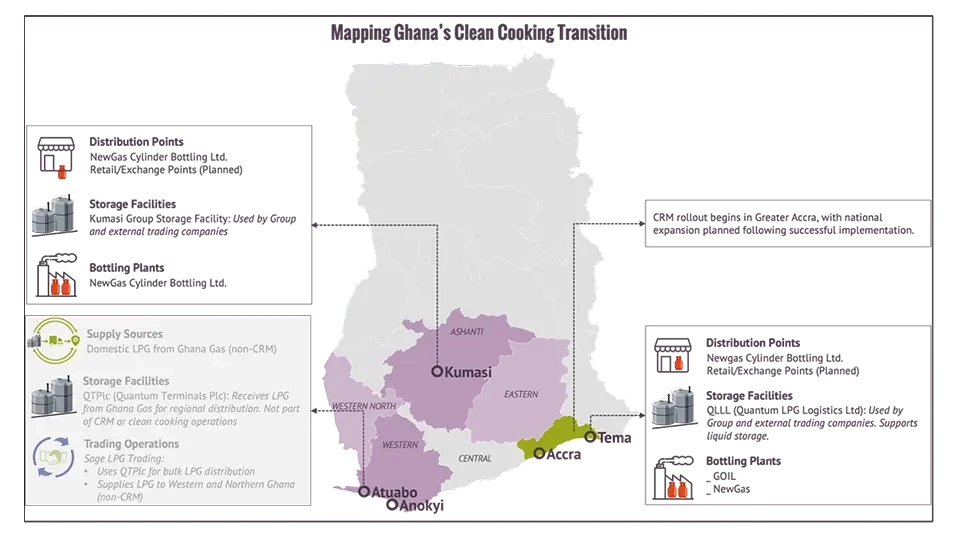
Clean cooking requires attention to the affordability and availability of suitable fuels and technologies, as well as the infrastructure and distribution systems needed to make them accessible to households.
The alternative scenarios suggest that different economic and investment outcomes could significantly affect the scale of the remaining access gap.
However, the supplied outlook does not specify the precise number of people who would gain access under each alternative scenario.
Ghana Faces the Challenge of Matching Refining Investment With Demand
For Ghana, OPEC’s projections highlight the importance of evaluating refining investment against domestic demand, operational performance and the commercial conditions required to sustain production.
The broader continental outlook suggests that additional refining capacity could help address supply constraints, but the projected increase in demand means that capacity expansion alone cannot be assumed to guarantee energy security.
Ghana’s own refining ambitions would therefore need to be assessed against the availability and cost of crude supplies, the financing required for rehabilitation or new facilities, reliable energy inputs, maintenance needs and the competitiveness of refined products.
The distinction between capacity and utilisation is especially relevant to any refinery investment decision.
A facility’s nominal processing capacity does not necessarily indicate how much product it will deliver if operational, financial or supply constraints prevent it from running consistently.
The wider investment challenge is to ensure that capital is directed towards projects capable of operating reliably and meeting identifiable market needs. That requires commercially credible investment plans and coordination between refining, crude supply, infrastructure and petroleum-product distribution.
OPEC’s $125 billion estimate is a continental projection, not a Ghana-specific financing requirement. Its significance for Ghana lies in the scale of the wider African challenge and the need to ensure that future investments contribute to reliable supply rather than simply increasing installed capacity.
OPEC Places Africa’s Energy Future on the Investment Agenda
Al Ghais concluded by inviting delegates to the 10th OPEC International Seminar, scheduled for July 7–8, 2027, at the Hofburg Palace in Vienna. He said African issues would feature prominently in the discussions.
The invitation comes as questions over energy financing, supply security and development priorities continue to shape debate about Africa’s role in global energy markets.

The outlook presented at AEW 2026 suggests that the continent will need sustained investment across refining and other parts of its energy system to respond to population growth and rising demand.
Yet the projected expansion in refining capacity, alongside continued demand growth and persistent clean-cooking gaps, illustrates that the scale of investment alone will not determine the outcome.
For Africa, the central test will be whether financing translates into functioning infrastructure, higher refinery utilisation, dependable petroleum supplies and broader access to energy.
OPEC’s $125 billion estimate places the refining investment challenge in clear financial terms. The longer-term outcome will depend on how effectively governments and investors convert that capital requirement into projects that can operate sustainably and meet the continent’s evolving energy needs.
READ ALSO: Ghana to Host Landmark UN Trade Convention