Ghana National Gas Company is considering drone technology to strengthen surveillance of its pipeline network as concerns grow over the risks posed by illegal mining activities near critical gas infrastructure.
Chief Executive Officer Judith Adjobah-Blay disclosed the plan when she appeared before Parliament’s Public Accounts Committee (PAC) alongside company officials, explaining that the company was exploring technological options to improve pipeline monitoring and prevent dangerous encroachment.
“We are exploring the technology of using drones to monitor our pipelines. We are going hi-tech,” she told the committee.
The proposal comes as Ghana Gas confronts the challenge of protecting pipelines that are largely buried underground and, in many locations, lack visible markers.
The company says the absence of identifiable features makes it difficult to distinguish pipeline routes from surrounding land, increasing the risk that excavation activities associated with illegal mining, commonly known as galamsey, could threaten the infrastructure.
The potential use of drones would add a technological dimension to existing community engagement and pipeline-marking initiatives. However, its effectiveness will depend on how the surveillance system is implemented and integrated with practical measures to prevent encroachment and respond to emerging threats.
Unmarked Pipelines Expose Critical Infrastructure to Risk
Adjobah-Blay told PAC that the underground location and lack of markings along much of the pipeline network create a particular vulnerability where illegal mining activities take place.
“Because they are not marked, illegal miners can go and dig around them and endanger their lives,” she said.
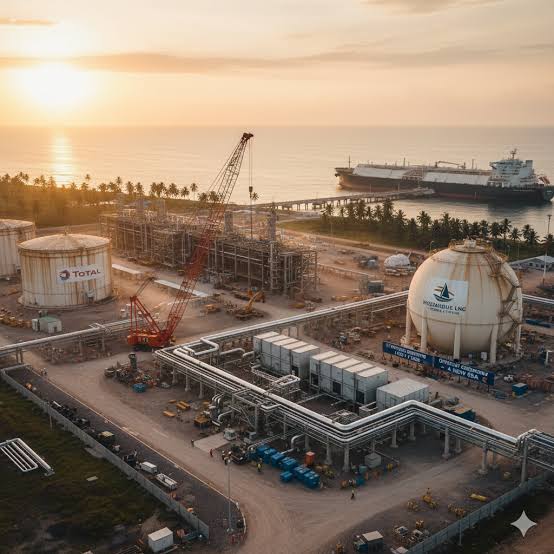
The concern extends beyond damage to physical infrastructure. Ghana Gas operates a pipeline network spanning approximately 600 kilometres and supplies natural gas for power generation, making the protection of its assets important to the reliability of the country’s energy system.

The company also meets about 40% of domestic liquefied petroleum gas (LPG) demand, according to the information presented.
Disruption to its operations could therefore have implications beyond the immediate location of an incident, depending on the infrastructure affected and the extent of any interruption.
This makes pipeline protection an operational and energy-security issue, rather than simply a matter of preventing unauthorised excavation.
The key challenge is ensuring that communities, miners and other land users can identify pipeline corridors before activities begin that could put the infrastructure or human lives at risk.
Pipeline Marking and Drones Form Part of a Wider Protection Strategy
Alongside considering drone surveillance, Ghana Gas has begun procuring a contractor to mark pipeline routes with visible indicators, including signs, trees and concrete pillars.
The initiative is intended to make the routes easier to identify and discourage excavation in areas where buried infrastructure could be damaged.
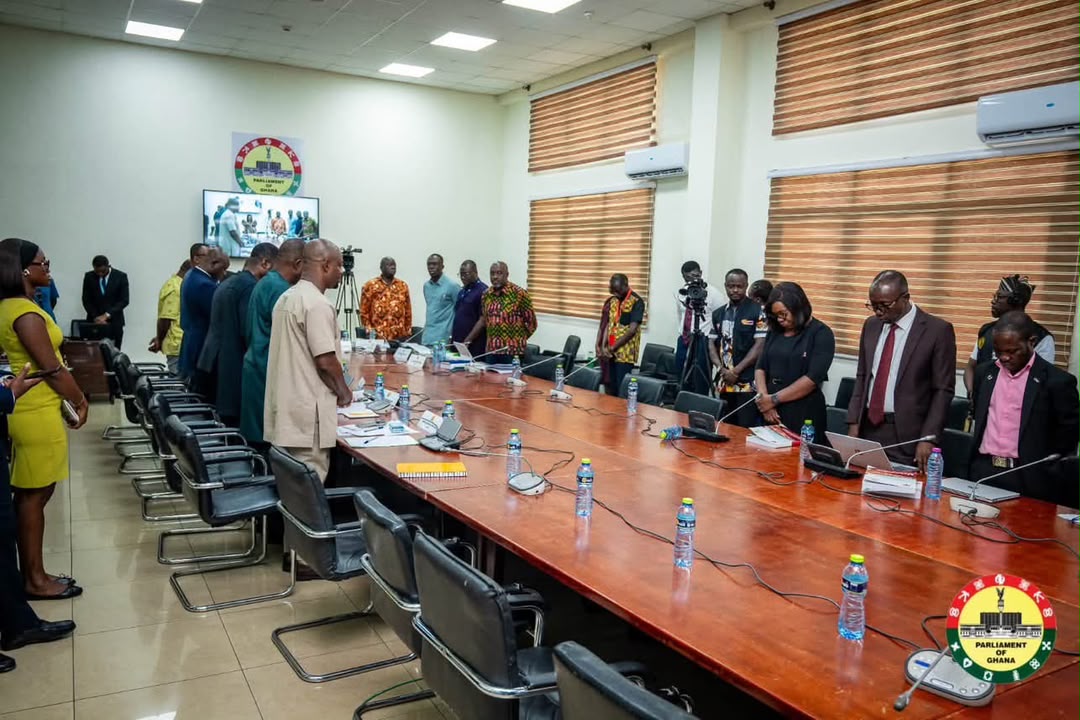
The two approaches address different aspects of the same problem. Physical markers could help alert people to the presence of pipelines before they dig, while drones could potentially assist the company in observing pipeline corridors and identifying activities requiring further investigation.
However, the source material does not establish that the drone system has been approved, procured or deployed. The company is still exploring the technology, while the contractor-selection process for pipeline marking has begun.
That distinction is important because the proposed technology should not be mistaken for an operational surveillance system already protecting the network.
The eventual value of drone monitoring will depend on factors such as the frequency of inspections, the ability to identify suspicious activity, the availability of personnel to respond and the coordination of surveillance findings with enforcement authorities.
Physical markers will also need to be maintained and placed where they can effectively alert land users to the presence of buried infrastructure.
Community Engagement Remains Central to Preventing Encroachment
Ghana Gas has stepped up engagement with communities along its pipeline routes to explain the dangers of mining and other activities near high-pressure gas infrastructure.
Adjobah-Blay also cautioned residents in the company’s operational areas against encroaching on the pipelines.
The approach recognises that protecting infrastructure requires more than technical monitoring. People living and working near pipeline corridors need to understand the potential consequences of excavation, including the danger to their own lives.

Community engagement could therefore complement physical markers and surveillance by helping residents recognise pipeline risks and avoid activities that could compromise safety.
Nevertheless, awareness campaigns must be accompanied by practical enforcement and a clear response when encroachment is detected. Without those measures, the company could identify risks without necessarily preventing them from escalating.
For Ghana Gas, the challenge is to combine public education, visible route identification and monitoring into a coordinated system that reduces the likelihood of pipeline damage.
Energy Ministry Establishes Gas Infrastructure Protection Committee
The Ministry of Energy and Green Transition is also developing a broader response to the protection of the country’s gas pipeline infrastructure.
Mark Prempeh, Director of Petroleum at the Ministry, told PAC that the ministry had established a Gas Infrastructure Protection Committee to develop a comprehensive policy for safeguarding the network, which spans more than 600 kilometres.
The committee’s work could provide a framework for coordinating the responsibilities of infrastructure operators and relevant public institutions.
However, the information presented does not specify the policy’s proposed enforcement mechanisms, implementation timetable or allocation of responsibilities.
Those details will matter in determining how the initiative complements Ghana Gas’s pipeline-marking plans, community engagement and possible drone surveillance.
A comprehensive protection policy would need to translate the general objective of safeguarding gas infrastructure into practical arrangements for monitoring, reporting, responding to encroachment and coordinating action where risks are identified.
The ministry’s initiative also places pipeline protection within a wider national energy-security framework, given the role of gas infrastructure in supplying fuel for electricity generation.
Technology Must Deliver Measurable Protection
Ghana Gas’s consideration of drones reflects an effort to explore technology as part of its response to infrastructure risks. But the proposed surveillance system will need to demonstrate that it can improve detection and support timely intervention.
The immediate priorities remain clear: identify pipeline routes more effectively, inform communities about the dangers of encroachment and establish a coordinated mechanism for protecting infrastructure across the network.
The ministry’s Gas Infrastructure Protection Committee could help provide the policy framework for those measures, while Ghana Gas’s procurement and community engagement initiatives address more immediate operational concerns.
For Ghana’s energy sector, the stakes extend beyond preventing physical damage. The pipeline network supports gas supply for power generation and contributes to the country’s domestic LPG market, making its protection relevant to the reliability of energy services.
The next test will be whether the proposed interventions move from planning to implementation and whether they produce measurable improvements in pipeline safety.
Drone surveillance may strengthen Ghana Gas’s monitoring capacity, but technology alone will not eliminate the risks posed by illegal mining.
Effective protection will require visible pipeline routes, informed communities, consistent oversight and a coordinated response to encroachment before it threatens lives or disrupts critical energy infrastructure.
READ ALSO: Minister of Education Promises to Solve 80% GAUA Grievances