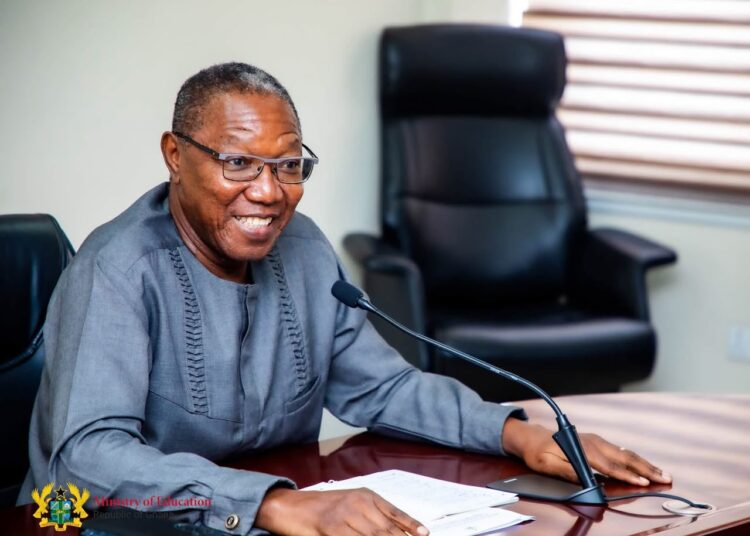
Deputy Minister for Education, Dr Clement Abas Apaak, has reaffirmed government’s commitment to transforming Ghana’s tertiary institutions into globally competitive centres of learning, calling for sustained investment in teaching infrastructure, research capacity and digital transformation as the country works to modernise its higher education system.
Speaking on government’s higher education agenda, Dr Apaak outlined a broad vision for the sector, one he said is designed to help universities respond effectively to present-day challenges while positioning them for long-term future readiness.
According to the Deputy Minister, achieving this vision requires sustained investment across several fronts, including teaching and learning infrastructure, research and innovation capacity, digital transformation, faculty development and student support systems.
He described these areas as interconnected priorities that must be pursued together rather than in isolation if Ghana’s universities are to remain competitive on the global stage.
“Our vision equips universities to respond to today’s challenges while positioning them for future readiness, and that demands sustained investment across teaching, research, digital transformation and faculty development,”
Dr Clement Abas Apaak
Reforms Since January 2025
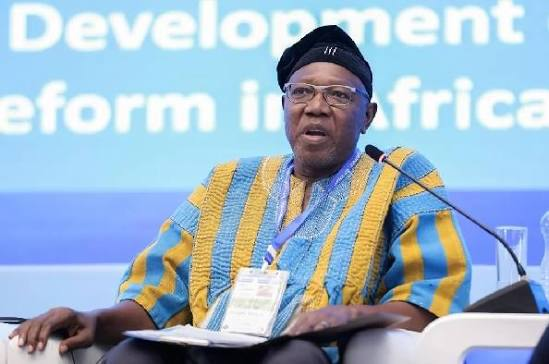
Dr Apaak traced the government’s higher education reforms back to when the administration of President John Dramani Mahama assumed office in January 2025, noting that it has since reaffirmed its commitment to strengthening higher education through initiatives designed to promote access, equity, quality, research and institutional development.
Among the flagship interventions he cited was the No-Fee-Stress initiative, introduced to ease the financial burden on first-year tertiary students, alongside an expansion of student loan support.
He further noted that government has made tertiary education entirely free for eligible students with disabilities, a policy he described as a deliberate step toward greater inclusivity within the higher education system.
He also pointed to increased investment in emerging public universities and ongoing reforms aimed at improving transparency within the national scholarship scheme, alongside efforts to strengthen technical and vocational education across the country.
Major Infrastructure and Research Investments
On physical infrastructure, the Deputy Minister highlighted government’s facilitation of major university development projects, singling out the 10,000-bed hostel facility being developed for the University of Ghana as a notable example of the scale of investment being channelled into student accommodation and campus infrastructure.
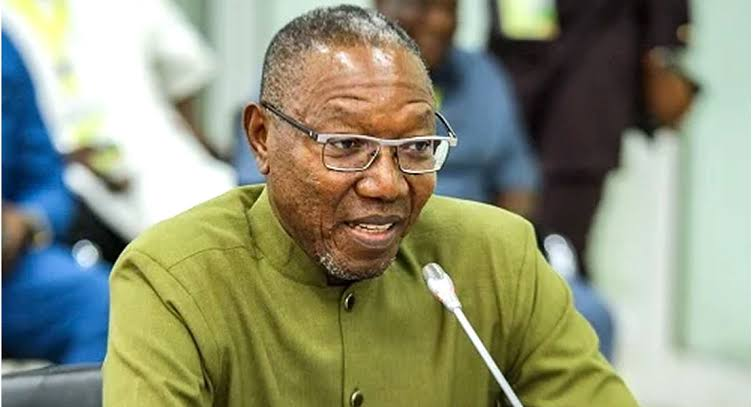
He also drew attention to the operationalisation of the Ghana National Research Fund, which he said has been backed by an initial seed amount of 100 million Ghana cedis.
According to Dr Apaak, the Fund is designed to support competitive research grants as well as doctoral and post-doctoral training programmes, positioning it as a critical tool for deepening Ghana’s research capacity at the highest levels of academic training.
“The Ghana National Research Fund, seeded with 100 million cedis, will support competitive research grants and doctoral and post-doctoral training that our academic system urgently needs,”
Dr Clement Abas Apaak
Taken together, Dr Apaak said these initiatives reflect government’s broader vision of building a higher education system that is inclusive, research-driven, resilient and globally competitive, one capable of developing human capital, driving innovation and supporting Ghana’s long-term socioeconomic transformation.
Diversified Funding Seen as Key to Sustainability
Despite the scale of government investment already committed, the Deputy Minister was candid in acknowledging that public financing alone cannot meet the growing demands of a modern higher education system.
He said there is a growing appreciation within government for stronger partnerships involving universities, industry players, development partners, philanthropists, alumni networks and the private sector.
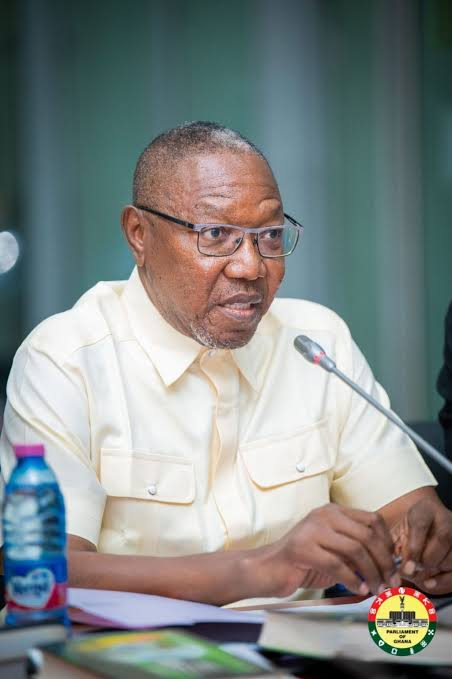
According to Dr Apaak, the long-term sustainability of Ghana’s universities will depend on the extent to which these diversified funding models are developed and embraced, models he said must be designed to promote institutional resilience while preserving the academic freedom that underpins genuine research and innovation.
With several of the initiatives Dr Apaak outlined, including the Research Fund and the No-Fee-Stress policy, still in relatively early stages of implementation, attention is likely to turn toward how effectively these interventions are scaled and sustained in the coming years, and whether government succeeds in mobilising the broader partnerships it says are necessary to secure the long-term financial future of Ghana’s tertiary education system.
READ MORE: Eduwatch Warns GETFund Imbalance Deepens Inequities Between Basic, Secondary Education