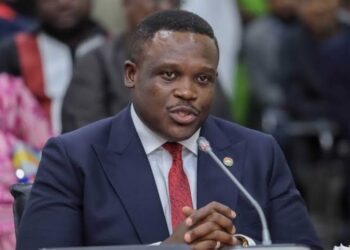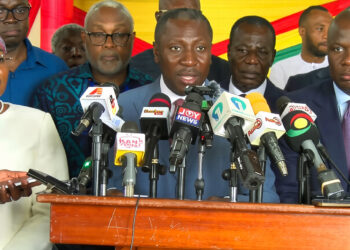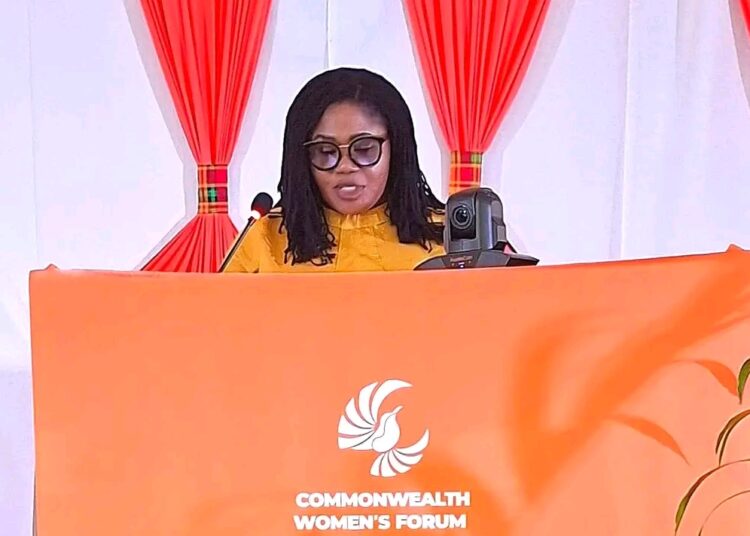
The Minister for Gender, Children and Social Protection, Hon. Dr Agnes Naa Momo Lartey, has highlighted Ghana’s policy measures and practical experiences in advancing women’s economic empowerment at the 2026 Commonwealth Women’s Forum in St. John’s, Antigua and Barbuda.
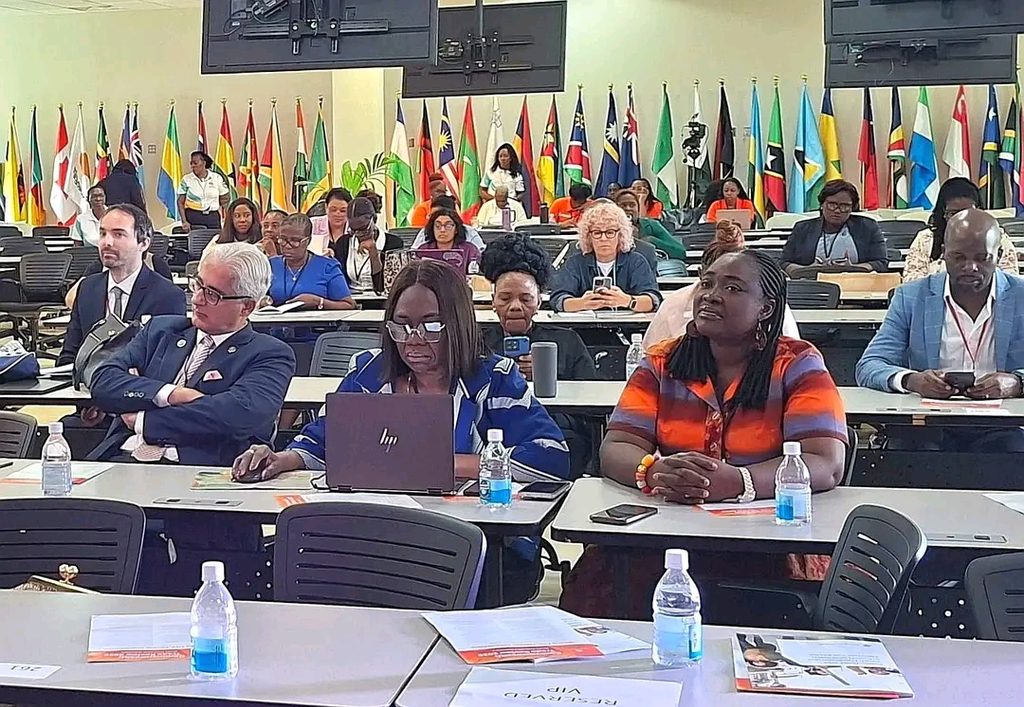
She spoke at a session on women’s economic empowerment. It brought together government representatives, private sector actors and development partners to discuss how policies and partnerships can better support women entrepreneurs and strengthen their business growth.
Minister frames empowerment as a growth condition
Dr Lartey stressed that women’s economic empowerment is not only a social development concern but also a key condition for national growth. She noted that opportunities must be created for women to take part fully in economic life, including in leadership.

“Women do not only take part in institutions, but we also lead,” she declared, reflecting on the growing role of women in leadership.The remarks placed gender policy within the wider economic debate. They suggest the Ministry wants women’s participation judged by its effect on growth, rather than treated as a welfare issue.
Minister outlines Ghana’s policy framework
The Minister set out the policies Ghana has put in place to advance women’s economic empowerment. They are: the National Gender Policy 2025–2034, the National Micro, Small and Medium Enterprises Policy, the National Financial Inclusion and Development Strategy, the National E-Commerce Strategy 2025–2029the 24-Hour Economy Policy.
She added that these initiatives are underpinned by the Affirmative Action (Gender Equity) Act, 2024, which provides a legal foundation for advancing gender equality.The report of her remarks did not state how much money has been committed to these policies or what results they have produced so far. It also did not indicate which of them is expected to have the greatest effect on women business owners.
Minister insists policies must change women’s lives
Dr Lartey cautioned that the existence of policies must translate into meaningful change in women’s lives. She pointed out that women play a significant role in Ghana’s businesses and economy, yet many continue to work in the informal sector, face limited access to finance and remain outside the networks that connect businesses to buyers and investors.
“Women are earning, but too few are owning and deciding,” she remarked. She argued that this underscored the need to address the barriers that limit women’s ability to expand their businesses and exercise greater economic control. Her point draws a line between income and control.
A woman can earn from a business without owning its assets or making its key decisions, and the Minister’s remarks suggest policy should target ownership and decision-making rather than participation alone. The report did not specify what measures she proposed for this.
Study shows networks lift women’s profits
Sharing Ghana’s experience, the Minister emphasised the importance of networks that make women entrepreneurs visible and connect them to advice, contacts and opportunities.
She cited a study in Ghana in which growth-oriented women business owners were placed in curated WhatsApp peer groups for 16 weeks. According to the Minister, the study found that their monthly profits increased by 21 per cent.The account did not name the researchers, give the number of women in the study or indicate whether the results have been published.
The finding is the Minister’s description of the study, and it has not been independently verified here. It is, however, a low-cost example. A messaging group needs no new building or major funding, which may make it attractive to policymakers working with limited budgets.
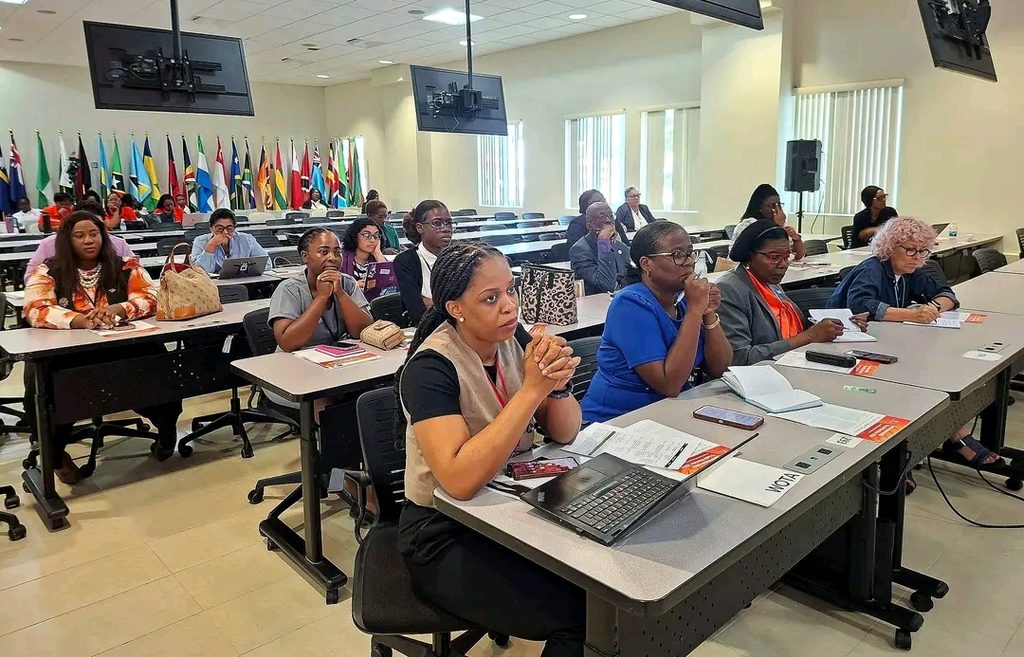
The session also looked at practical ways to create an enabling environment for women entrepreneurs. These included stronger business networks, access to markets, technology and finance, and support for women to grow their enterprises.
The Minister’s remarks reinforced the need to move beyond policy commitments to measures that let women grow their businesses, reach new markets and take greater control of their economic future. Whether other delegations take up the networking model, or whether Ghana’s own policies deliver measurable gains for women business owners, will become clearer in the coming months.
READ ALSO: Queen Maxima Challenges BoG to Measure Ghana’s Financial Health