

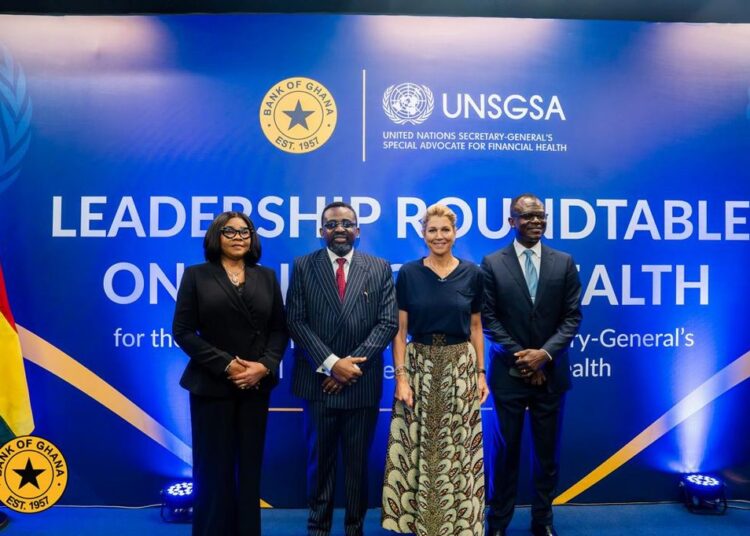
Ghana’s growing reputation as one of Africa’s leading digital finance markets has received international recognition, but a fresh challenge from the Queen of the Netherlands is pushing the country’s financial sector to look beyond the number of people accessing banking services.
Queen Maxima of the Netherlands has challenged the Bank of Ghana (BoG) to begin assessing the financial health of bank customers to determine whether the financial products and services introduced by financial institutions are genuinely improving people’s financial wellbeing.
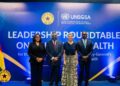
The call came during a leadership roundtable on financial health hosted by the Bank of Ghana, where the Queen joined senior financial sector stakeholders to discuss Ghana’s progress, remaining challenges and the future of financial inclusion.
Queen Maxima, who serves as the United Nations Secretary-General’s Special Advocate for Financial Health, used her visit to Ghana to draw attention to an increasingly important question in financial sector development: Is access to financial services translating into better financial lives for ordinary people?
Her intervention introduces a significant dimension to Ghana’s financial inclusion agenda, particularly as mobile money, digital payments and fintech services continue to reshape how individuals and businesses interact with the financial system.
Queen Maxima Wants BoG to Look Beyond Financial Access
While Ghana has made considerable progress in expanding access to financial services, Queen Maxima believes that measuring access alone is not enough.
She urged the Bank of Ghana to begin examining the financial health of customers and assess the actual impact of banking products on their lives.
The recommendation shifts attention towards the quality and usefulness of financial services rather than simply counting the number of people who own bank accounts, use mobile money or access digital financial platforms.
Financial health goes beyond having access to a bank account or being able to transfer money electronically. It also considers whether individuals can manage their daily financial obligations, cope with unexpected expenses, meet long-term financial goals and maintain reasonable control over their financial lives.
This distinction is particularly important as financial institutions continue introducing new products designed to attract customers and deepen participation in the formal financial system.
A customer may have access to several financial products but still struggle with debt, irregular income, inadequate savings and the inability to withstand unexpected financial shocks.
Queen Maxima’s recommendation therefore places responsibility on regulators and financial institutions to establish whether financial innovation is delivering meaningful improvements in people’s economic circumstances.
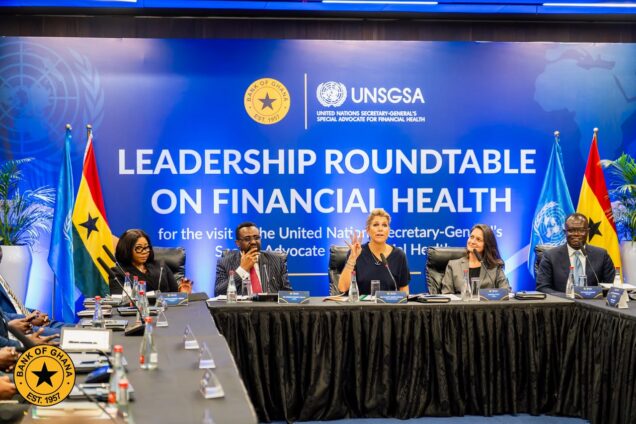
BoG Highlights Ghana’s Digital Finance Transformation
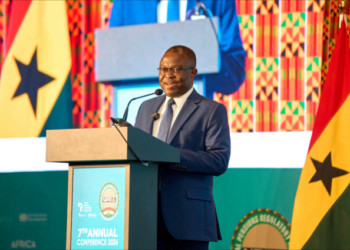
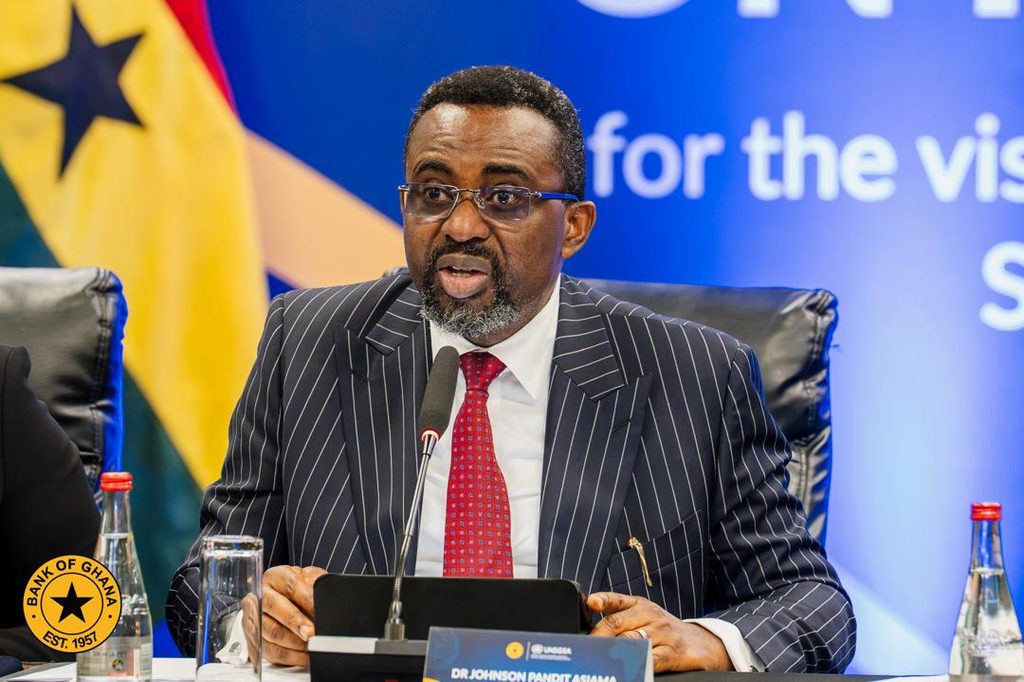
Welcoming the Queen, Bank of Ghana Governor, Dr. Johnson Pandit Asiama, highlighted the remarkable transformation Ghana’s financial sector has experienced over the past decade.
He acknowledged the contribution of innovation, collaboration and investment in digital infrastructure to the expansion of financial services across the country.
“Ghana’s financial sector has undergone a remarkable transformation over the past decade. Through innovation, collaboration and investment in digital infrastructure, financial services have become more accessible to millions of Ghanaians”.
Dr. Johnson Pandit Asiama
The Governor further pointed to the country’s position as one of Africa’s leading digital finance markets, supported by developments in payment infrastructure, mobile money and financial technology.
“Today, Ghana stands among Africa’s leading digital finance markets, supported by interoperable payment systems, mobile money, fintech innovation and a regulatory environment that has fostered both growth and trust.”
Dr. Johnson Pandit Asiama
These developments have significantly changed the financial experiences of individuals and businesses, reducing dependence on traditional banking channels and making transactions easier across different parts of the economy.
Interoperable payment systems have also strengthened the ability of customers to move money between financial service providers, while mobile money has expanded access to transactions beyond conventional banking infrastructure.
However, the Governor acknowledged that accessibility remains a challenge despite the progress achieved.
Financial Inclusion Still Faces Major Accessibility Challenges
Ghana’s digital finance expansion has not completely eliminated the barriers preventing sections of the population from benefiting from formal financial services.
Differences in income levels, digital literacy, geographical access and the availability of reliable infrastructure continue to influence how individuals interact with financial institutions.
While urban communities may enjoy relatively broad access to digital financial services, some rural communities still face difficulties accessing reliable financial infrastructure and understanding increasingly sophisticated financial products.
The challenge is not simply getting more people into the financial system. It is ensuring that the services available are affordable, appropriate and capable of addressing their financial needs.
The Bank of Ghana’s acknowledgement of these accessibility concerns adds weight to the discussion initiated by Queen Maxima.
As digital financial products become more widespread, the regulator faces the task of ensuring that innovation does not leave vulnerable customers exposed to unsuitable products, excessive financial obligations or services they struggle to understand.
A New Test for Ghana’s Banking Industry
Queen Maxima’s intervention could introduce a new dimension to how Ghana evaluates the performance of its financial sector.
Traditionally, financial inclusion discussions have focused heavily on account ownership, access to credit, mobile money penetration and the availability of banking services.
However, the growing emphasis on financial health suggests that the industry may increasingly need to demonstrate how its products improve customers’ financial resilience and long-term wellbeing.
Such assessments could help identify gaps between the services financial institutions offer and the actual needs of their customers.
Banks and other financial service providers may also need to pay closer attention to customer experiences, responsible lending, savings behaviour and the ability of households to manage financial shocks.
The roundtable hosted by the Bank of Ghana therefore comes at an important time for the country’s financial sector.
Ghana has made significant investments in digital financial infrastructure and expanded the reach of financial services. The next challenge is ensuring that these achievements translate into stronger financial security for households and businesses.
Queen Maxima’s call has placed that responsibility firmly on the financial sector’s agenda, challenging the Bank of Ghana to look beyond access and establish whether the millions of Ghanaians using financial services are actually becoming financially healthier.
READ ALSO: Ghana Inflation Hits 5.5% as Price Pressures Mount for Third Month