AngloGold Ashanti, the global mining giant, has reported a significant upsurge in gold output from its Ghanaian operations for the first quarter of 2026, anchored by a standout performance at its historic Obuasi Mine.
The company saw its production at Obuasi climb by 15% year-on-year to reach 62,000 ounces, a substantial leap from the 54,000 ounces recorded during the same period in 2025.
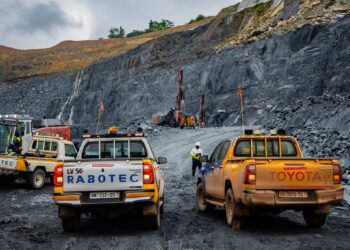
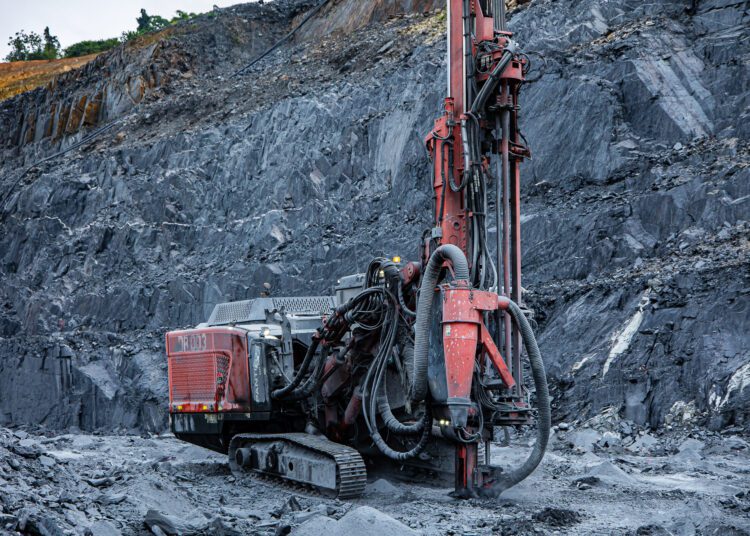
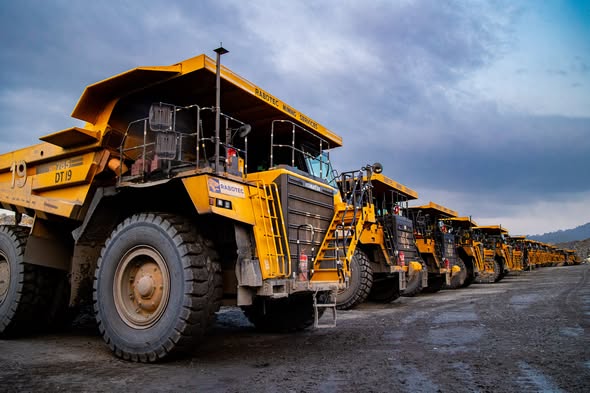
This momentum was largely fueled by a stabilization of underground operational conditions and a marked improvement in the availability of heavy equipment, signaling a robust start to the fiscal year despite broader inflationary pressures.
Expanding on these results, the company’s broader Ghana portfolio, which includes the Iduapriem Mine, showcased a collective resilience in the face of rising operational expenditures.
Iduapriem contributed 44,000 ounces to the total tally a 10% increase from the previous year’s 40,000 ounces following a recovery from the 2025 technical hurdles involving the Beposo tailings storage facility.
While higher throughput at Iduapriem helped drive these numbers, both mines grappled with escalating cash costs, which jumped to $1,492 per ounce at Obuasi and $1,736 per ounce at Iduapriem.
These financial headwinds were primarily attributed to “higher royalties linked to elevated gold prices” and a surge in the cost of labor, reagents, and mining contractors.
“Our focus remains to control what we can control—managing underlying costs and ensuring safe, predictable operating results. That has again enabled us to deliver record free cash flow and cash returns to our shareholders, while moving our organic growth projects forward.”
Anglogold Ashanti
Macro-Economic Implications and Fiscal Contributions
The surge in gold production at Obuasi and Iduapriem serves as a critical catalyst for Ghana’s national economy, particularly as the country navigates a period of fiscal consolidation.
With gold prices remaining at historic highs, the increased output directly translates into higher mineral royalty payments to the government, which are essential for narrowing the national budget deficit.
This “gold boom,” as noted in recent fiscal outlooks, provides the Treasury with much-needed liquidity to fund social infrastructure projects and stabilize the Cedi against major trading currencies.
Furthermore, the higher operational activity at the mines sustains thousands of high-value jobs for mining contractors and local technical service providers, creating a multiplier effect within the domestic supply chain.
Corporate Strategic Growth and Asset Potential
For AngloGold Ashanti, the Q1 2026 results validate the success of its “Full Asset Potential” program, which seeks to optimize plant throughput and bridge operational gaps.
The company’s ability to generate record free cash flow nearly tripling its 2025 figures is a direct byproduct of leveraging high production volumes against a favorable price environment.
Despite the 22% decline in recovered grade at Iduapriem and lower plant recoveries at Obuasi, the sheer scale of the “higher production base” has acted as a natural hedge, allowing the firm to absorb “residual operating pressures.”
This strong cash position has not only fortified the balance sheet but also paved the way for a proposed $2 billion share repurchase program, aligning AngloGold Ashanti with its top-tier North American peers.
Operational Outlook and Technical Resilience
Looking ahead, the resolution of previous disruptions, such as the seventeen-day plant shutdown at Iduapriem in early 2025, has set a new baseline for operational reliability.
The company is now benefiting from a “build-up of gold in process inventories,” which serves as a buffer for future quarters.
While technical services expenses have risen due to “revised rates” and increased power consumption, the underlying efficiency gains in underground mining at Obuasi suggest a sustainable trajectory.
By prioritizing asset integrity and equipment uptime, AngloGold Ashanti is positioning its Ghanaian mines as the cornerstone of its global portfolio, ensuring that the current production “momentum” is maintained throughout the remainder of 2026.
READ ALSO: Hon. Arthur Overhauls Inland Fisheries Governance In Bono East