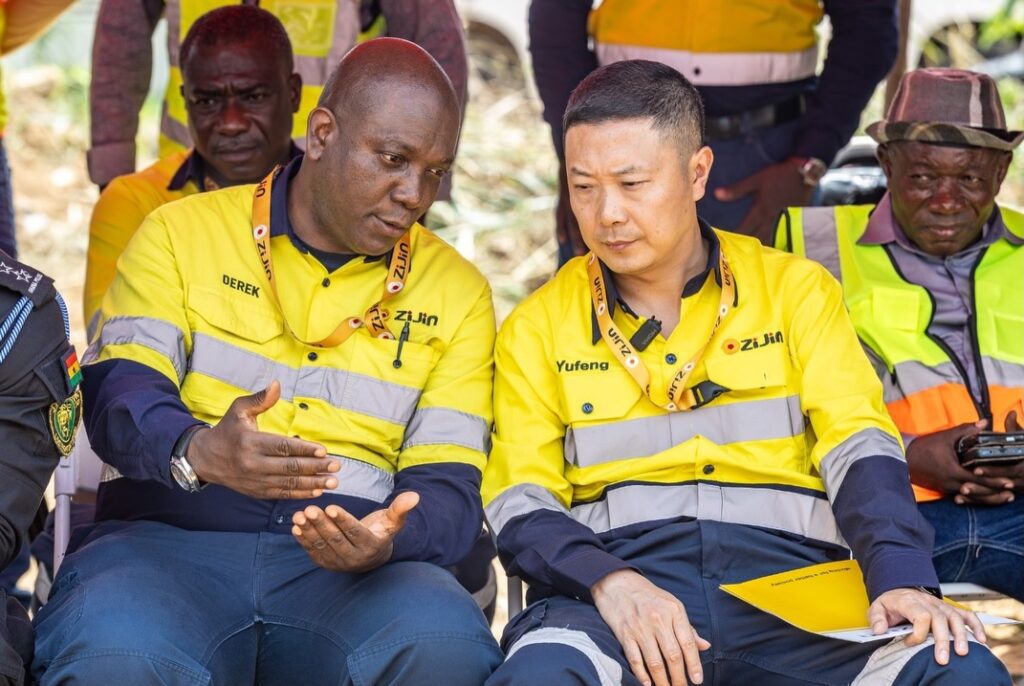
Haron Harrison-Affull, the Deputy Director of the Environmental Protection Agency (EPA) Ghana, led a multi-agency delegation to the Akyem Mine for a high-level routine compliance monitoring visit to evaluate environmental management within forest reserves.
This regulatory exercise served as a critical touchpoint for assessing the operational alignment of large-scale mining activities with national conservation goals and the stringent legal frameworks governing mineral extraction in ecologically sensitive areas.
By facilitating a transparent review of on-site practices, the mission aimed to ensure that gold production at the Akyem concession remains consistent with the highest environmental standards while fostering a culture of continuous improvement among industry players.
“We value stakeholder collaboration and remain committed to operating transparently, responsibly, and in compliance with Ghana’s regulatory framework. As we advance our operations, we prioritize the protection of the environment to support sustainable mining. Our goal is to maintain a pleasant ecological environment throughout the entire mining lifecycle.”
Zijin Golden Ridge
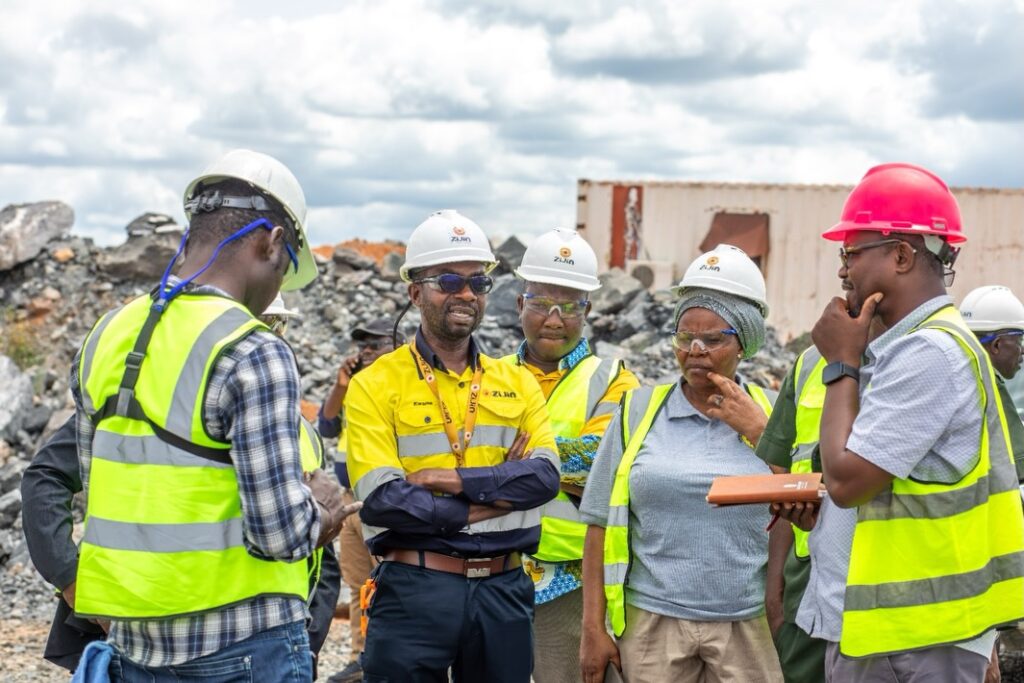
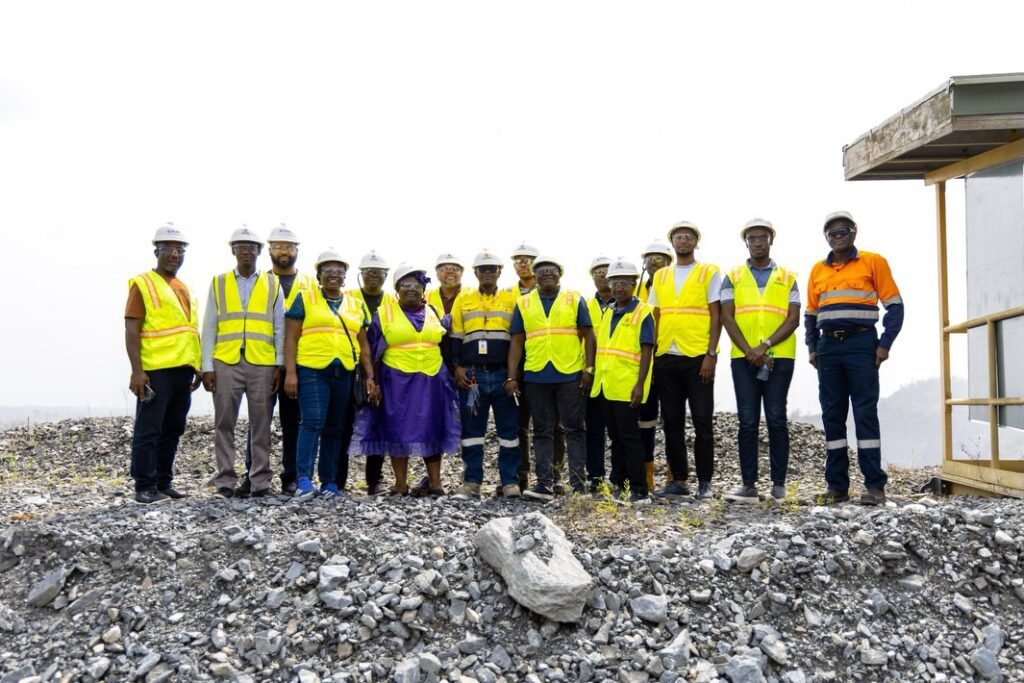
The delegation, acting under the mandate of the Liaison Group for Mining and Forest Reserves, comprised a robust assembly of technical experts from the Minerals Commission of Ghana, the Ghana Forestry Commission, and the Forest Service Division.
Further representation included specialists from the Inspectorate Division of the Minerals Commission, the Ghana Chamber of Mines, and the Ghana Geological Survey Authority, reflecting a holistic approach to state oversight.
During the inspection, Mr. Harrison-Affull observed that the current operations are in line with best practice and also in line with the legal regimes, emphasizing that the engagement offered a vital platform for constructive dialogue between the state and the private sector.
Through the sharing of technical recommendations, the visit was designed to advance the long-term commitment to responsible and sustainable mining, ensuring that the Akyem Mine’s footprint remains within the permissible bounds of its forest entry permits.
Strengthening Natural Resource Governance through Multi-Stakeholder Oversight
The collaborative nature of this compliance visit underscores a significant shift toward integrated natural resource governance in Ghana.
By bringing together the EPA, the Forestry Commission, and the Minerals Commission under the umbrella of the Liaison Group, the government effectively minimizes regulatory silos that can lead to oversight gaps in the extractive sector.
This unified front ensures that mining companies like Zijin Golden Ridge are not only meeting technical production quotas but are also adhering to the Environmental Protection (Mining in Forest Reserves) Regulations, 2022 (L.I. 2462).
This regulation specifically mandates that mineral right holders develop comprehensive emergency response plans for unexpected events such as fuel spillages or fires, which could have devastating impacts on forest biodiversity.
Such reviews serve as a proactive mechanism for risk mitigation rather than a reactive response to environmental degradation.
When regulators provide “recommendations to support continuous improvement,” they are essentially fine-tuning the operational protocols of the mine to match evolving global best practices.
For the Akyem Mine, this means refining water treatment processes, tailings management, and land reclamation strategies in real-time.
This dynamic feedback loop between the state and the operator is essential for maintaining the “social license to operate,” as it provides the public and local communities with verified assurance that industrial activity is not proceeding at the expense of Ghana’s natural heritage.

Enhancing Sustainability Through Rigorous Compliance Frameworks
Rigorous regulatory oversight is the cornerstone of Ghana’s strategy to transform the mining sector into a driver of green growth.
The presence of the Ghana Geological Survey Authority and the Inspectorate Division during these visits ensures that the geological integrity of the mining area is preserved, preventing land instability that could affect surrounding forest ecosystems.
Furthermore, these routine monitoring exercises act as a deterrent against “compliance fatigue,” where operators might otherwise become lax in their adherence to environmental management plans over long-term project lifecycles.
By maintaining a consistent schedule of inspections, the state ensures that sustainability is treated as a core operational requirement rather than a peripheral administrative task.
Beyond immediate environmental protection, these reviews enhance the global competitiveness of Ghana’s mining industry.
In an era where international investors and gold buyers increasingly prioritize Environmental, Social, and Governance (ESG) criteria, the ability of a mine to demonstrate full compliance with national legal regimes is a significant asset.
The Akyem Mine’s adherence to these standards, as verified by the EPA and its partners, signals to the global market that Ghanaian gold is produced under a regime of high accountability.
This transparency ultimately supports the “green mine” vision, where the extractive process is balanced with reforestation and ecological restoration, ensuring that forest reserves remain viable for future generations after the mine’s closure.
READ ALSO: Ghana Publishing Company Records GHS16.959m Profit