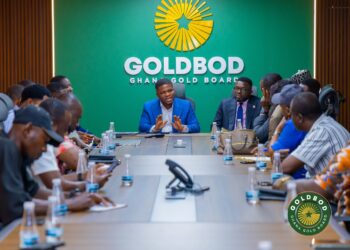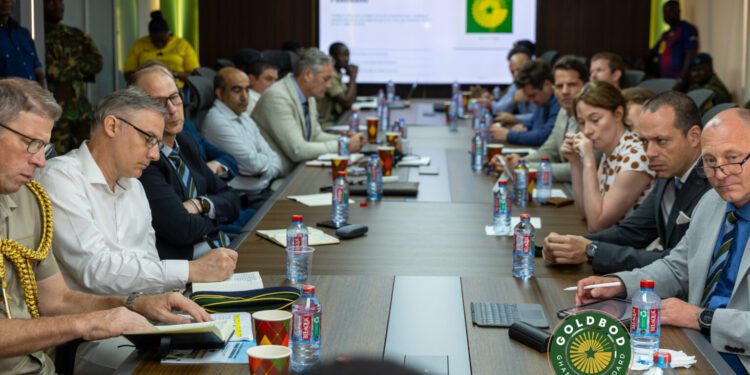
Ghana Gold Board (GoldBod) recently showcased its robust strategies for combating illicit trade and modernizing the national gold sector during a high-level study tour hosted for a delegation from the UK Royal College of Defence Studies.
This engagement served as a strategic platform to spotlight how the institution’s rigorous anti-smuggling interventions and policy reforms are effectively securing Ghana’s mineral resources and stabilizing the economic landscape.
“The multi-agency taskforce, made up of military personnel, police officers and national security operatives, has played a critical role in combating smuggling and ensuring compliance within the gold trading ecosystem, utilizing intelligence gathering and surveillance to sanitize the sector.”
Ghana Gold Board (GoldBod)
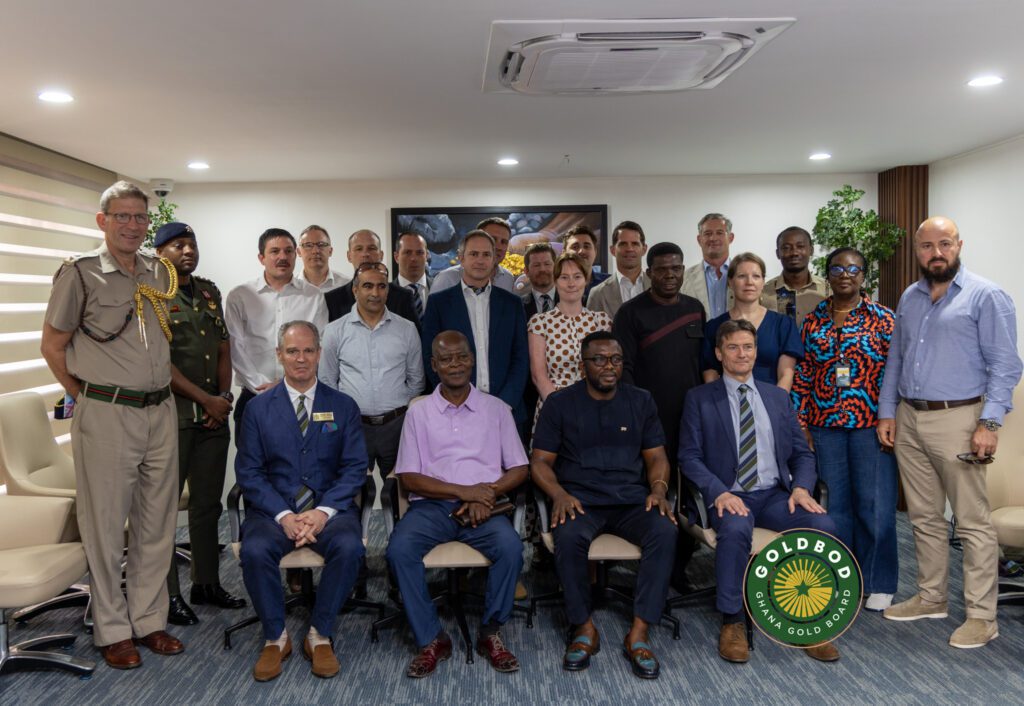
Beyond addressing smuggling, the visit provided an in-depth exploration of the regulatory framework designed to foster transparency and boost revenue mobilization.
By outlining its transition toward a formalised trading environment utilizing advanced initiatives like traceability and gold tokenization the GoldBod illustrated its commitment to replacing opaque practices with a modern, accountable architecture that aligns with international best practices.
Strengthening Bilateral Economic Ties
This collaborative exchange highlights a deepening synergy between Accra and London, promising mutual benefits that extend far beyond administrative cooperation.
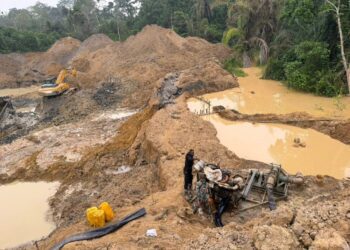
For Ghana, the partnership bolsters its capacity to curb the revenue losses associated with illegal gold trafficking, ensuring that the country extracts maximum economic value from its natural endowment.
By integrating international perspectives, the GoldBod is refining its ability to attract responsible investment while simultaneously mitigating the risks associated with the artisanal and small-scale mining (ASM) supply chain.
For the United Kingdom, engagement with the GoldBod offers critical insights into the governance of emerging gold markets in West Africa, a region of significant strategic interest.

The UK-Ghana Gold Programme, noted as a foundational pillar of this cooperation, aligns with British efforts to promote legal, ethical, and sustainable trade routes.
By assisting Ghana in formalizing its sector, the UK effectively fosters a more stable trading partner, reduces the flow of illicitly sourced bullion into global supply chains, and supports shared goals regarding anti-money laundering compliance and global financial integrity.
Operational Excellence and Institutional Growth
Deputy Chief Executive Officer Richard Nunekpeku, Esq., framed the visit as a testament to the institution’s rapid evolution, noting that GoldBod has become an “emerging pillar of Ghana’s economic transformation agenda” in just one year of operation.
The briefing delivered by Director of Finance George Baah Danquah emphasized that the institution’s long-term objectives are rooted in “ensuring that Ghana derives greater economic value from its gold resources through value addition and responsible trade systems.”
The operational successes shared with the delegation, such as the reduction of unauthorized foreign participation in local trading and the deployment of the Mining Support Programme, underscore a proactive regulatory posture.
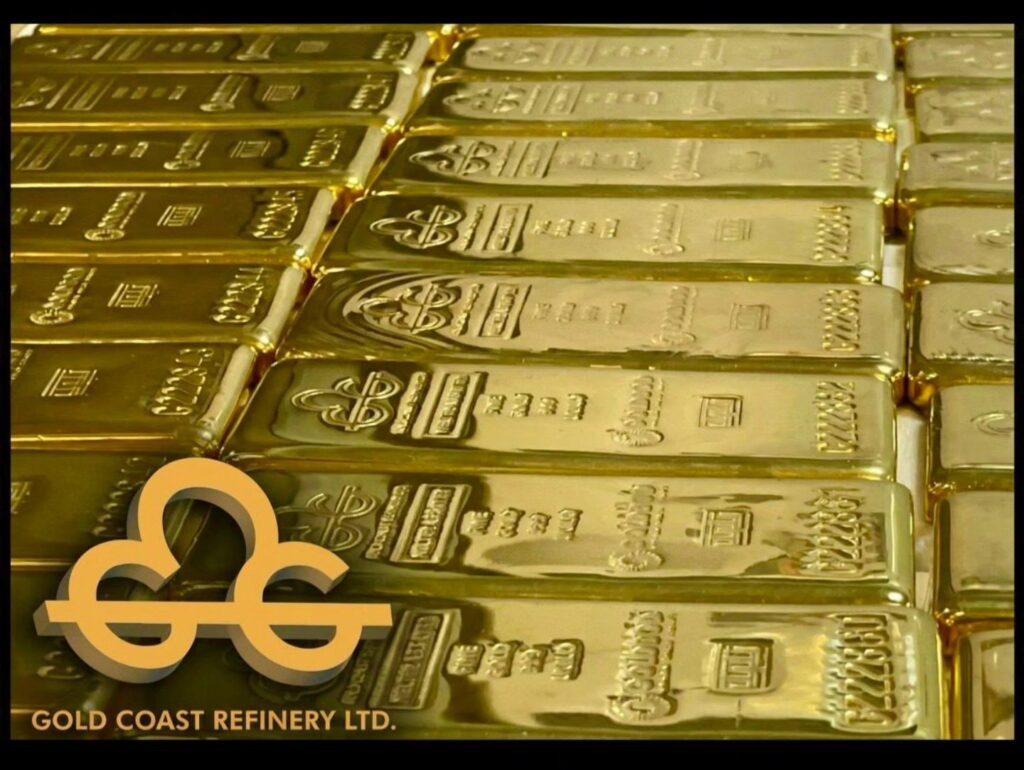
These efforts are not merely reactive to smuggling but are part of a broader, systemic shift toward “formalising Ghana’s gold trading sector,” according to Mr. Nunekpeku.
By investing in geological surveys, the GoldBod is actively fostering community mining initiatives that create sustainable livelihoods, thereby addressing the socio-economic drivers of illicit activities at the grassroots level.
A New Standard for Regional Governance
The GoldBod’s model of governance, which marries military-backed enforcement with modern digital accountability, is setting a new regional standard for resource management.
The engagement demonstrated that the taskforce’s operational cycle from intelligence to prosecution is providing the necessary pressure to secure the integrity of the supply chain.
As the institution continues to build its reputation, it serves as a beacon for other nations grappling with the complexities of managing artisanal mining while pursuing global market integration.
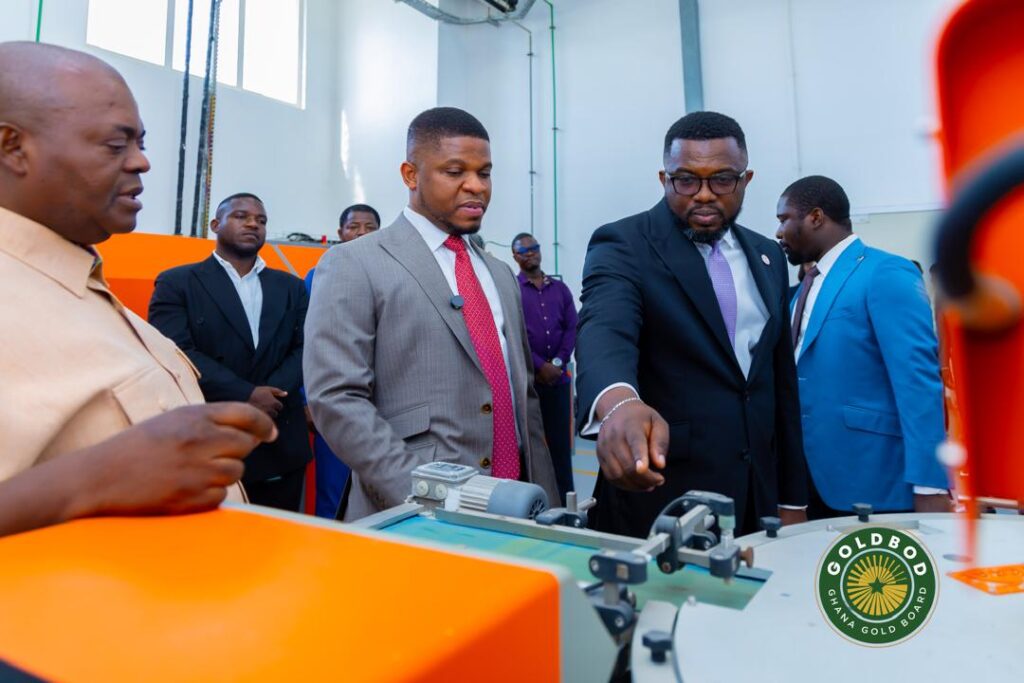
The visit by the UK Royal College of Defence Studies serves as a validation of the GoldBod’s strategic trajectory.
By inviting international scrutiny and fostering high-level diplomatic dialogue, the GoldBod is positioning itself as a transparent, reform-oriented institution.
As it continues to modernize the gold trade, the partnership with the UK remains a critical component in ensuring that Ghana’s gold resources serve as a catalyst for long-term national development rather than being lost to the shadows of the illicit market.
This dialogue not only solidifies the current regulatory successes but also paves the way for continued technological and policy-driven advancements in Ghana’s quest to lead the continent in responsible gold governance.
READ ALSO: Anthony Gordon on the Verge of Completing Barca Move