Tag: Forest reserves

  • Oppong-Fosu Calls For National Framework On Responsible Mining

    Oppong-Fosu Calls For National Framework On Responsible Mining

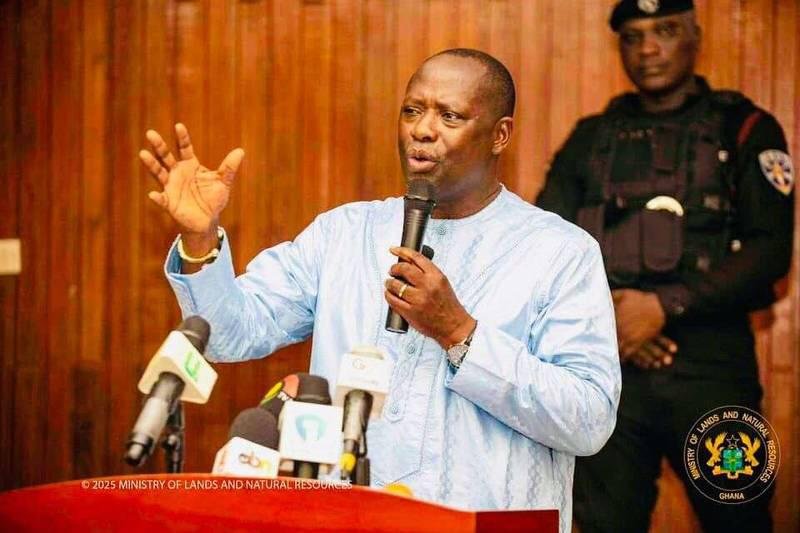
    Aspiring National Chairman of the National Democratic Congress (NDC), Akwasi Oppong-Fosu has called for a comprehensive national framework for responsible mining, urging the government to establish clear guidelines that protect the environment and ensure mining activities are properly regulated.

    The Former Amenfi East MP backed restrictions on mining in water bodies and forest reserves, as well as the proposed cooperative mining framework, describing these measures as important steps towards addressing illegal mining. He stressed, however, the need for a coordinated approach that balances enforcement with the economic realities of mining communities.

    “I think that, as a country, we need to have a serious conversation about this. It has happened in other countries before. In the United States, for instance, some states experienced gold booms and managed their resources in ways that allowed them to invest in alternative economic activities over time. We need to examine these experiences and consider how we can use our own natural resources to diversify the economy and build sustainable alternatives for the future.”

    Akwasi Oppong-Fosu

    He further emphasised the importance of developing a national policy that promotes responsible mining, strengthens environmental safeguards and provides a clear basis for regulating mining activities across the country.
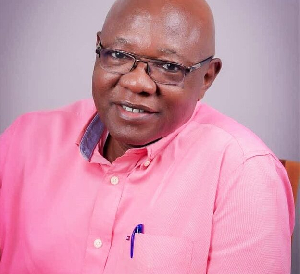
    Akwasi Oppong-Fosu

    Acknowledging that many people depend on mining to feed their families and sustain their livelihoods, the former Local Government Minister reiterated that economic survival should not come at the expense of the environment. He stressed that “mining should be permitted only within limits that prevent further harm.”

    “There should also be responsible mining within the framework that does not affect present and future generations,” he explained, setting out the principle that should guide decisions on the activity. Mr Oppong-Fosu also acknowledged that galamsey in affected communities involves widespread local participation, making the challenge more complex than simply restricting individual miners.

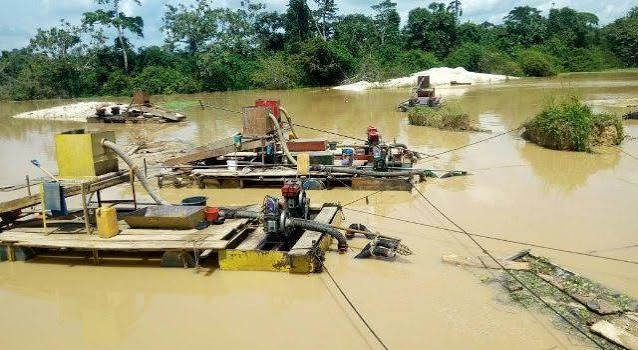
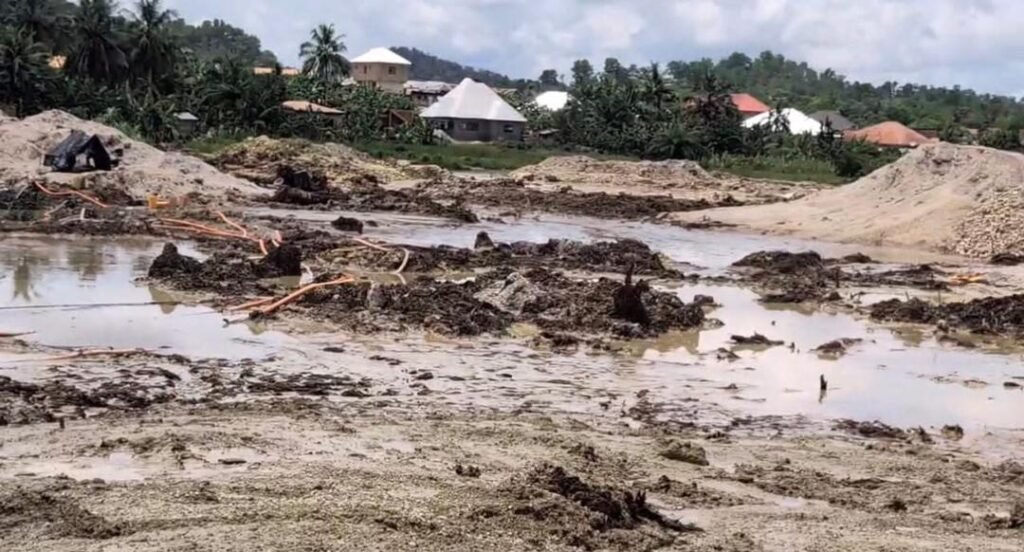
    A Galamsey site

    Owing to the high levels of unemployment confronting the country, he emphasised the need for a national conversation on comprehensive reforms to address the challenges within the employment sector. He stressed the importance of identifying and bridging existing gaps in job creation, strengthening infrastructure and developing sustainable solutions to tackle illegal mining.

    Ghana’s Decentralisation Agenda Needs Deeper Reforms

    Former Local Government Minister Akwasi Oppong-Fosu also called for deeper administrative and fiscal decentralisation, insisting that government departments operating at district level should answer directly to their respective assemblies.

    The Aspiring National Chairman of the National Democratic Congress (NDC) is of the view that local development will remain constrained unless assemblies have the authority, personnel and financial resources required to determine priorities and implement projects without excessive direction from national or regional offices.

    “What should be happening is that, under the roadmap, we should have a composite budget system in which an assembly prepares a budget that incorporates both its own resources and those of the various departments.”

    Akwasi Oppong-Fosu

     Mr Oppong-Fosu drew on his experience in local government to explain why the distribution of responsibilities between district assemblies and central government institutions matters. He referenced a roadmap for administrative and fiscal decentralisation developed during his time in the local government sector.

    Under the proposed arrangement, departments such as urban roads would operate as departments of the assemblies, with their reporting responsibilities aligned to local administrative structures. This would allow decisions about infrastructure and other essential services to reflect priorities identified within the communities concerned.

    Mr Oppong-Fosu challenged the existing practice under which some district-level departments remain answerable to authorities outside their assemblies. He stressed that the Constitution provides for certain departments to belong to the assemblies, pointing to the Environmental Protection Agency office in Asankragua as an example of an institution that should deal directly with the District Chief Executive where the relevant responsibilities fall under the assembly.
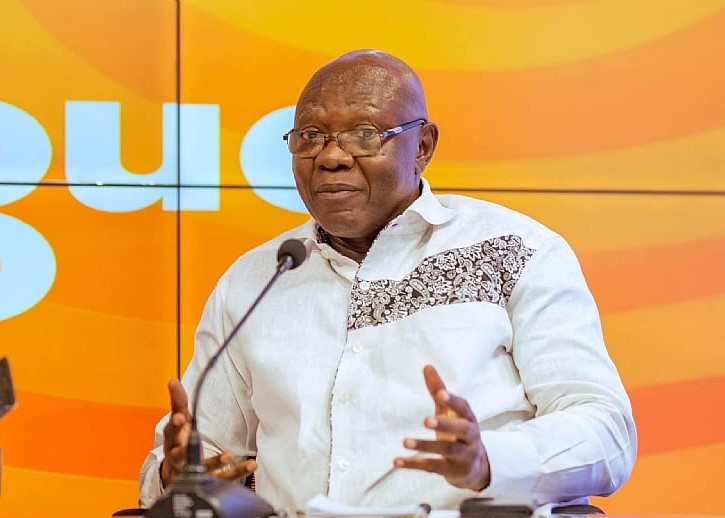
    Akwasi Oppong-Fosu. Fomer Member of Parliament for Amenfi East

    In addition to administrative authority, the Former Amenfi East MP identified funding as a critical element of effective decentralisation. His proposed composite budget system would allow funds to be directed to the district for local development activities.

    Under this model, ministries in Accra would concentrate on policymaking, while district departments would focus on implementing projects. In view of this, the Minister for Finance would release the relevant funds to the assemblies, enabling local authorities to coordinate development priorities and account for expenditure.

    Mr Oppong-Fosu also cautioned against attributing every local development failure to MPs or District Chief Executives when they may lack the authority and resources needed to deliver projects. In his assessment, decentralisation must move beyond the physical presence of government offices to the genuine transfer of responsibility, funding and decision-making power.

  • NAIMOS to Intensify Illegal Mining Operations Before Year-End

    NAIMOS to Intensify Illegal Mining Operations Before Year-End

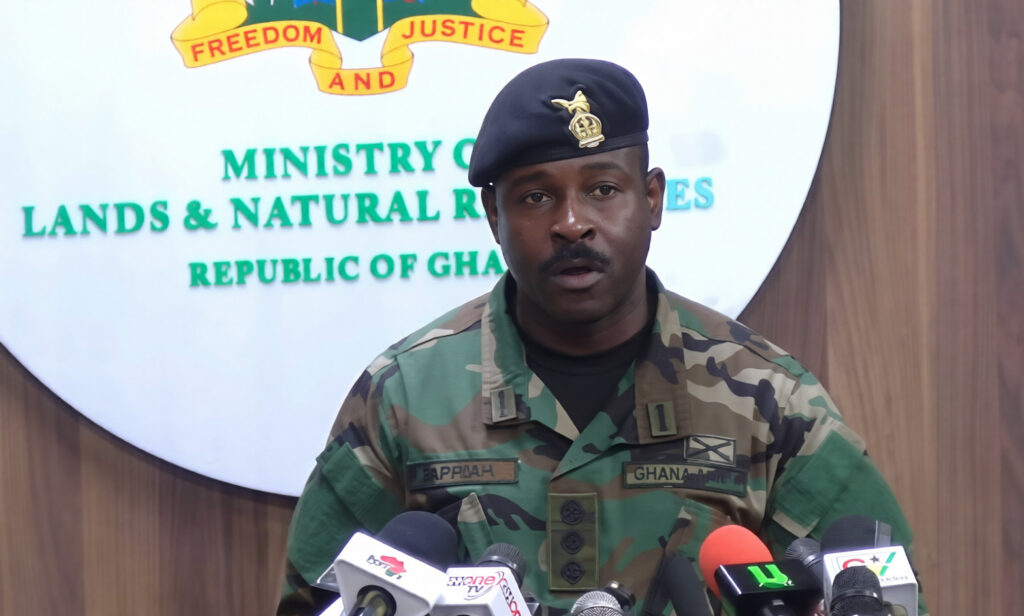
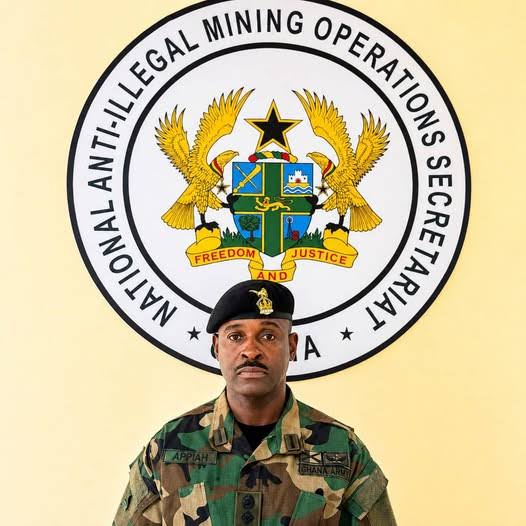
    The Director of Operations for the National Anti-Illegal Mining Operations Secretariat (NAIMOS), Colonel K.S. Appiah, has announced plans for operations against illegal mining, promising decisive action against offenders in the coming days.

    Speaking at the Progress Series, Col. Appiah revealed that the agency has secured the operational funding required to execute its planned activities, with deployments expected to intensify across affected areas as NAIMOS pursues its enforcement mandate.

    “We have a number of operations planned from now till the end of the year, and you’ll see sustained operations in various areas starting from next week.”

    Colonel K.S. Appiah
    Colonel K.S. Appiah

    The director of Operations affirmed that the agency’s approach involves carefully sequencing operations to secure lasting results instead of dispersing personnel across numerous locations without maintaining pressure on illegal mining hotspots. He explained that operational planning considers the consequences of inaction, limited intervention and comprehensive enforcement.

    Col. Appiah expressed confidence that NAIMOS is making progress in its fight against galamsey, asserting that the agency is working towards victory through deliberate deployments and sustained pressure on illegal mining activities.

    Responding to questions about enforcement against influential individuals allegedly supporting illegal mining, he explained that arrests at active mining sites provide a basis for police investigations into the networks behind the operations. He noted that intelligence agencies, including the police, national security and the Bureau of National Intelligence, collaborate to identify those involved.

    However, he cautioned that investigators require evidence admissible in court, a process that can take time. He indicated that ongoing intelligence work could yield further developments in the coming months.

    The director also addressed concerns that enforcement efforts target low-level operators while influential figures escape scrutiny. He explained that NAIMOS focuses on its operational mandate while relying on partner institutions to investigate and pursue suspected financiers and other individuals linked to illegal mining.

    NAIMOS

    Meanwhile, Col. Appiah indicated that the agency would increase media engagement through selected field operations and community visits, allowing journalists to observe its work while maintaining appropriate safety precautions.

    He also affirmed that NAIMOS would continue working with relevant institutions to strengthen enforcement and consolidate progress. The agency’s strategy prioritises sustained interventions designed to prevent illegal miners from returning to areas already targeted by security operations.

    NAIMOS Advances Green Shield And Community Mining Cooperation

    The National Anti-Illegal Mining Operations Secretariat (NAIMOS) is strengthening cooperation with traditional leaders, community groups and the Blue Water Guards as part of efforts to combat illegal mining and protect forest reserves.

    Discussing the planned Operation Green Shield and the agency’s community engagement strategy, Col. Appiah explained that sustained environmental protection requires coordination between security personnel, local leadership and institutions responsible for safeguarding natural resources.

    “Operation Green Shield will commence. It will be a sustained operation where troops will remain in the forest reserve until all the illegal miners are cleared.”

    Colonel K.S. Appiah

    The director explained that the operation would use specially trained personnel, with subsequent monitoring arrangements to support the transition towards longer-term forest protection. He indicated that the Forestry Commission would eventually be expected to provide forest guards, allowing NAIMOS personnel to withdraw and serve as a quick reaction team when required.

    In addition to forest protection, the agency is working with Blue Water Guards in the Western, Western North and Ashanti regions. Col. Appiah explained that some guards provide information and guide NAIMOS personnel to locations requiring intervention, although coordinating their contributions has posed challenges.

    To improve cooperation, the agency is planning joint training to synchronise field activities and strengthen the exchange of intelligence.

    Colonel K.S. Appiah

    Meanwhile, traditional leaders have become important partners in the campaign. Col. Appiah observed that chiefs have contacted the agency with information and requests for operations in their communities, reflecting growing local awareness of the effects of illegal mining on water supplies, agriculture and public health.

    He also emphasised the responsibility of chiefs who control land, explaining that community engagement seeks to persuade traditional authorities to prevent land from being made available for illegal mining.

    The director outlined a combined approach involving enforcement and non-enforcement measures, including dialogue with traditional leaders, miners and mining associations. He explained that engaging these groups was intended to encourage communities to recognise the damage caused by illegal mining and support efforts to prevent its continuation.

    Col. Appiah further indicated that selected operations and community engagements would include media representatives, allowing journalists to observe the work being undertaken in affected areas while respecting operational and safety requirements.

  • NAIMOS Destroys 1,970 Changfang Machines In Anti-Galamsey Operations

    NAIMOS Destroys 1,970 Changfang Machines In Anti-Galamsey Operations

    The National Anti-Illegal Mining Operations Secretariat (NAIMOS) has destroyed changfang machines as part of operations against illegal mining, according to its Director of Operations, Colonel K.S. Appiah.

    Speaking during the Progress Series, Col. Appiah outlined the agency’s enforcement activities between June 13, 2024, when he assumed office, and September 30, 2026, explaining that the operations sought to weaken the equipment and infrastructure sustaining illegal mining in environmentally sensitive areas.

    Colonel K.S. Appiah

    “Over the period, about 1,970 changfang machines and 863 makeshift structures have been destroyed, disrupting mining capacity and infrastructure that sustains it.”

    Colonel K.S. Appiah

    Beyond the destruction of mining infrastructure, the director reported that NAIMOS task forces recovered “74 firearms and 551 rounds of ammunition” during the period. The operations also resulted in the seizure of excavators, pumps, vehicles and other equipment used to facilitate illegal mining.

    Col. Appiah explained that these interventions are part of a wider enforcement strategy targeting the resources and logistical arrangements that enable illegal operators to continue working in protected areas. The operations combined “reconnaissance, mobile and riverine patrols, raids, special operations and community engagement.”

    According to the director, NAIMOS conducted 738 operational activities over the period, covering approximately 50,662 kilometres cumulatively. The deployments extended across the Western, Western North, Central, Eastern and Ashanti regions, as well as the Bono and Ahafo, Savannah and Northern operational areas.

    He explained that suspects apprehended during the exercises were handed over to the appropriate authorities for investigation and further action. Col. Appiah also underscored the importance of preserving evidence and supporting judicial processes to ensure enforcement actions can contribute to credible deterrence.

    Colonel K.S. Appiah, Director Of Operations for NAIMOS

    The operations, he indicated, are intended to restrict illegal miners’ ability to occupy sensitive locations, transport machinery freely and resume mining after security personnel have withdrawn. However, he acknowledged that disrupting illegal activity requires sustained follow-up to prevent operators from returning to previously targeted areas.

    The director’s account also placed environmental protection at the centre of NAIMOS’ operational responsibilities, particularly the safeguarding of water bodies and strategic forest reserves. He identified measurable environmental improvement as an essential indicator of long-term success.

    NAIMOS Expands Field Operations Through Forward Bases

    The National Anti-Illegal Mining Operations Secretariat (NAIMOS) is strengthening its field presence through forward operating bases and coordinated deployments to protect vulnerable river systems and forest landscapes as announced by the Director of Operations, Colonel K.S. Appiah.

    Col. Appiah explained that the agency’s operational design focuses on securing strategic watersheds from their sources to estuaries, linking protection of headwaters with enforcement along river corridors and the safeguarding of downstream communities.

    “The desired end state is substantially reduced illegal mining in priority areas, effective control of illegal miners and their heavy equipment, disrupted criminal networks, and enduring monitoring and protection arrangements in place.”

    Colonel K.S. Appiah

    The director outlined how NAIMOS combines permanent forward deployments with temporary operating bases and mobile interventions to respond to illegal mining activity across several parts of the country. He explained that the arrangement allows task forces to concentrate resources in areas requiring sustained attention while extending operations to locations without established bases.

    In the Western Region, the agency has forward operating bases at Aiyinase, Asankragwa and Agona, supported by temporary bases. These facilities support field operations and enable personnel to respond to activity in affected communities.

    NAIMOS

    For the Western North Region, Col. Appiah identified the In-chief forward operating base as a key support point, particularly for operations across the Tano and Bia river systems and adjoining forest areas.

    Meanwhile, the forward operating base in the Eastern Region supports operations along the Birim River and its tributaries, including the wider Atewa landscape. In the Ashanti Region, the Teppa and Manso Nkwanta bases help sustain enforcement and protect reclamation sites from renewed encroachment.

    Beyond these locations, NAIMOS has conducted coordinated deployments across the Central, Bono and Ahafo, Savannah and Northern operational areas. Col. Appiah explained that these exercises involve collaboration with sister security agencies, including military formations under the Central and Northern Commands and the police commands operating in those areas.

    The director indicated that the agency intends to establish additional forward operating bases next year, although he did not specify their proposed locations in the available remarks.

    He also explained that NAIMOS’ strategy addresses the interconnected nature of illegal mining, which threatens water security, agricultural livelihoods, forest ecosystems and public safety. Accordingly, the agency’s operational design seeks to disrupt the systems that enable destructive activity while supporting the recovery of affected environments.

  • Mahama: Government’s Galamsey Crackdown Seized 8,200 Mining Items

    Mahama: Government’s Galamsey Crackdown Seized 8,200 Mining Items

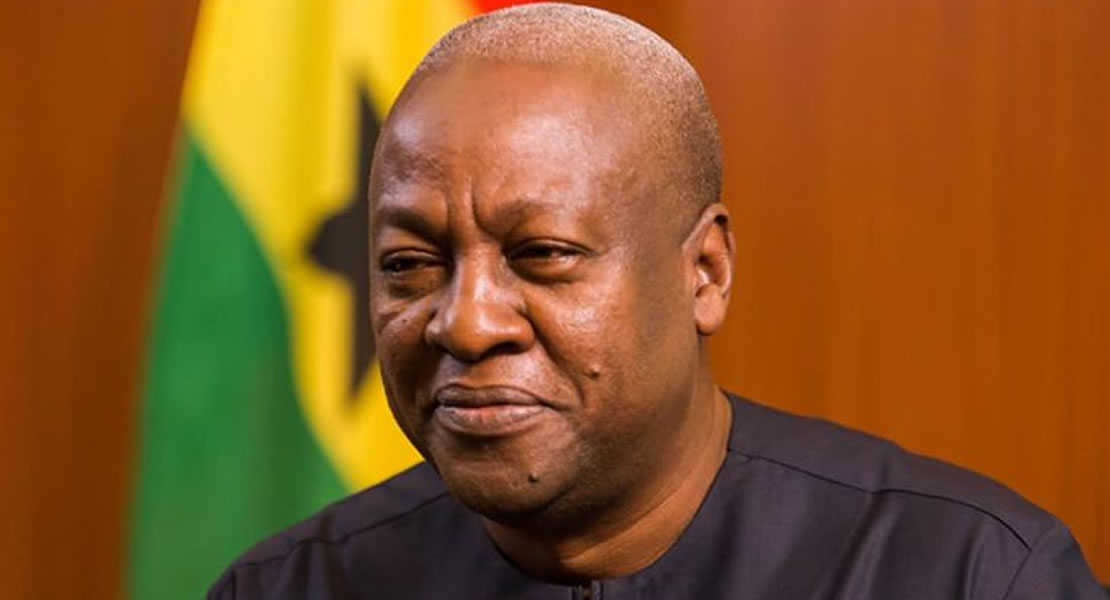
    President John Dramani Mahama has disclosed that the government has confiscated more than 8,200 items used in illegal mining and retrieved almost 200 firearms from those involved. He announced the figures at the 2026 Mining in Motion Summit at Destiny Arena in Accra on Monday, October 19, 2026.

    The seizures come from the combined work of the Ministry of Lands and Natural Resources, the Ministry of Environment, Science, Technology and Innovation, National Anti-Illegal Mining Operations Secretariat (NAIMOS) and the Blue Water Guards, whom President Mahama commended as Ghana still battles galamsey.

    He also revealed that the upcoming 2027 budget, which will be presented by the Finance Minister in November 2026, carries 200 million cedis for NAIMOS and the Blue Water Guards.

    “We have achieved some successes in the fight against illegal mining.”

    President John Dramani Mahama

    Summit Opens With an Environmental Pledge

    The summit runs from October 19 to 21 under the theme “One Continent, One Voice on Minerals.” His Majesty Otumfuo Osei Tutu II, King of the Ashanti Kingdom, convened it as patron, in partnership with the African Union and the Government of Ghana.

    President John Dramani Mahama and Otumfuo Osei Tutu II
    President John Dramani Mahama and Otumfuo Osei Tutu II

    President Mahama told delegates that “we must also commit ourselves to the process of preventing and mitigating the effects of mining on our environment.” He then turned to home, where Ghana is “still battling with the menace of illegal small-scale mining, popularly referred to as GALAMSEY.”

    The National Anti-Illegal Mining Operations Secretariat (NAIMOS) and the Blue Water Guards are separate bodies that work together under the Ministry of Lands and Natural Resources.

    NAIMOS serves as the operational centre of the campaign. It coordinates security crackdowns, manages joint task forces, and carries out enforcement actions under senior security leadership.

    The Blue Water Guards, a community-based force introduced in March 2025, patrol river corridors, conduct surveillance and gather intelligence. They feed that information to NAIMOS so that operations can respond quickly. The Lands Minister has commissioned the guards in batches to extend the force across the country.

    Equipment and Weapons Taken From Illegal Miners

    The confiscated items include chanfan machines, excavators and other equipment used in illegal mining. Among them are 135 excavators. Officials also retrieved almost 200 firearms that people involved in illegal mining carried.

    The seizures extend a campaign that has produced visible results on the ground. NAIMOS halted operations along River Ankobra in February, and the Lands Ministry has since vowed action against irresponsible mining operations.

    President John Dramani Mahama
    President John Dramani Mahama

    Armed Miners Lose Nine Red Zones

    Ghana has 288 forest reserves, and illegal miners penetrated 48 of them. Nine of those became red zones, meaning forest guards could not enter because the miners were fully armed.

    “I’m happy to note that of those 9 red zones, we have cleared all of them of illegal miners.” Officials are now preparing those reserves for reclamation, President Mahama added.

    Tracking and Training Tighten the Net

    The government has also moved against the machines themselves. Officials have registered and detained 6,060 excavators at the ports, and 2,059 of them now carry tracking devices so that authorities can locate where they operate.

    President Mahama disclosed that 11 cooperatives have been trained in new mining methods and are operational. The Gold Board is financing small-scale artisanal mining with new technology that prevents destruction of the environment, he noted, which gives licensed miners a cleaner way to work.

    Critics remain unconvinced. The Minority has accused the government of promoting illegal mining through GoldBod, and a coordinator warned in August that illegal mining thrives where authorities turn a blind eye.

    Funding and Reforestation Back the Campaign

    President Mahama had pledged in January that illegal mining would be confronted decisively. In August, he charged Zanetor to confront illegal mining and protect water bodies, and the new Environment Minister promised decisive action on mining and pollution.

    President John Dramani Mahama
    President John Dramani Mahama

    The 2027 allocation gives NAIMOS and the Blue Water Guards a dedicated budget line for their work. On the restoration side, President Mahama disclosed that the Minister of Environment, Science, Technology and Innovation and REDD Plus are beginning a major reforestation initiative in various parts of Ghana, including the savannah regions.

  • A Rocha Ghana Disputes Mahama’s Position On Galamsey Measures, Calls For Review

    A Rocha Ghana Disputes Mahama’s Position On Galamsey Measures, Calls For Review

    The Deputy National Director of A Rocha Ghana, Daryl Bosu, has acknowledged that President John Dramani Mahama is correct in saying he never personally promised to declare a state of emergency to tackle illegal mining. Mr Bosu, however, has challenged the President’s position that such a measure could result in widespread abuse of citizens’ rights.

    His comments follow President Mahama’s remarks in New York on Friday, September 25, where he dismissed claims that he had pledged to invoke emergency powers against galamsey. The President explained that a state of emergency should be considered a last resort and questioned its practicality for a problem affecting several regions of the country.

    Clarifying the history of the proposal, Mr Bosu explained that the President never made a commitment to declare an emergency during his engagements with civil society organisations. Instead, he recalled that the President indicated that the National Security Council would review the situation and determine the necessary action.

    Mr Bosu nevertheless challenged the reasoning behind linking emergency powers automatically to violations of human rights, arguing that the state remains responsible for protecting citizens even when exceptional measures are applied. He noted that the conduct of security agencies during such an intervention would depend on the safeguards established and enforced by the state.

    President John Dramani Mahama addresses the town hall meeting with the Ghanaian community in New York

    “The power and the exercise of whatever the military does during a state of emergency lies also in the power of the state and its obligation to uphold the human rights of every citizen.”

    Daryl Bosu

    Turning to the demands previously made by civil society groups, the A Rocha Ghana Deputy National Director explained that their proposal was never intended as an unrestricted nationwide deployment. He indicated that the request centred on targeted intervention in identified galamsey hotspots where illegal mining had reached serious levels.

    Mr Bosu further explained that a limited emergency arrangement could involve maintaining military teams in affected areas for a defined period to prevent illegal miners from returning after enforcement operations. He therefore argued that the effectiveness of such a measure should be assessed from the manner in which it is implemented rather than from the existence of the emergency declaration itself.

    He also rejected comparisons between the proposed response to galamsey and restrictions imposed during the COVID-19 pandemic in some countries. According to him, the circumstances differ because the civil society proposal was intended to target specific mining hotspots and strengthen existing security operations.

    For A Rocha Ghana, the central issue remains the effectiveness of state action against illegal mining in areas where enforcement challenges persist. Mr Bosu therefore called for the discussion on emergency powers to be reconsidered within the context of targeted protection, human rights safeguards and sustained security presence.

    Galamsey Fight Requires Stronger Protection For Forest Reserves

    President John Dramani Mahama also defended his decision not to declare a state of emergency over illegal mining, explaining that the measure is generally intended for isolated areas where authorities can concentrate resources before lifting the restrictions. Speaking to Ghanaians in New York, he indicated that the government already possessed sufficient powers to tackle galamsey and was using targeted operations in identified hotspots.

    The President’s remarks have drawn a further response from A Rocha Ghana Deputy National Director Daryl Bosu, who disputes aspects of the administration’s assessment of conditions in forest reserves. Mr Bosu argues that the continued pressure on Ghana’s forests requires sustained protection and stronger resourcing of the institutions responsible for conservation.

    The Deputy National Director of A Rocha Ghana, Daryl Bosu

    He particularly disagreed with the suggestion that action taken in nine forest reserves had adequately addressed the wider threat facing the country’s forest estate. “If we keep talking about the nine forests and the situation in ten forests now, it is neither here nor there,” he explained.

    According to Mr Bosu, the protection challenge extends beyond the areas where government interventions have already been undertaken. He maintained that Forestry Commission personnel are currently working to contain illegal mining activities but lack the permanent military presence he considers necessary to secure vulnerable forest reserves.

    A Rocha Ghana has recently highlighted the scale of illegal mining in forest reserves, including the Atewa Range Forest Reserve, where the organisation warned that continued activity could cause severe ecological damage. The organisation has also defended its assessment that at least 50 forest reserves face encroachment linked to illegal mining, following a public dispute over the number of affected reserves.

    Mr Bosu therefore questioned whether the President was receiving sufficiently detailed information about conditions on the ground. He called for stronger briefing of the presidency on developments within forest reserves so that policy responses can correspond with the situation observed by environmental organisations.

    Beyond military deployment, he pointed to institutional capacity as another area requiring attention in the galamsey response. In particular, he called for the Minerals Commission and Forestry Commission to receive adequate resources to protect forest reserves while communities along affected rivers are supported.

    The position also extends to the government’s Blue Water initiative, which has been presented as part of efforts to protect water bodies from illegal mining. Government’s earlier environmental programme included the deployment of Blue Water Guards alongside measures to reclaim degraded forest reserves and strengthen enforcement.

  • Regulators Review Environmental Compliance Within Akyem Gold Mining Forest Reserves

    Regulators Review Environmental Compliance Within Akyem Gold Mining Forest Reserves

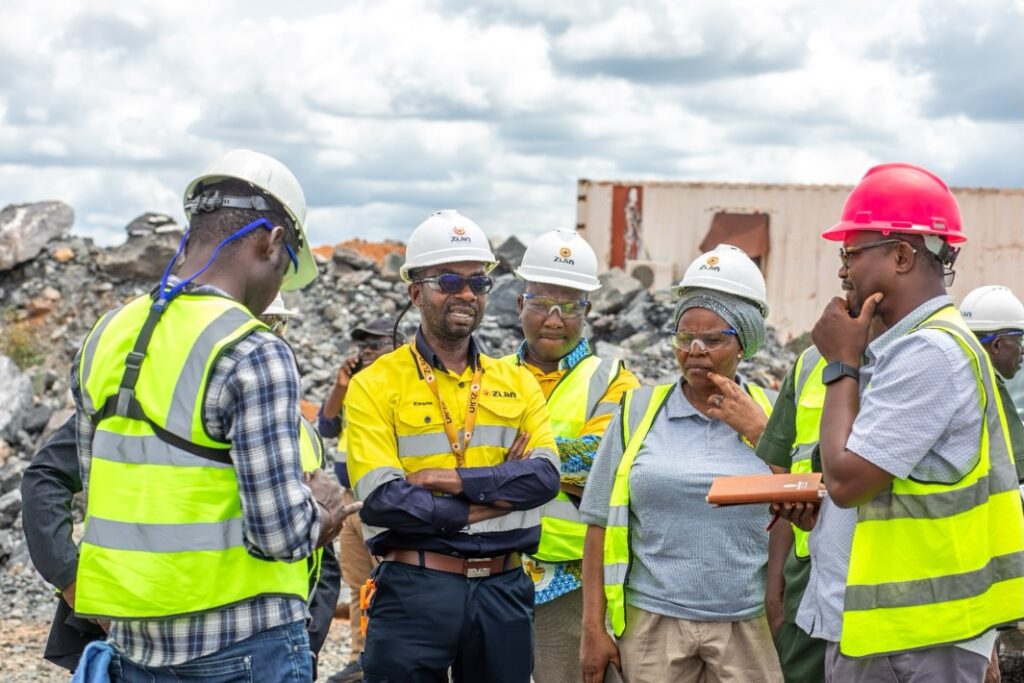
    Haron Harrison-Affull, the Deputy Director of the Environmental Protection Agency (EPA) Ghana, led a multi-agency delegation to the Akyem Mine for a high-level routine compliance monitoring visit to evaluate environmental management within forest reserves.

    This regulatory exercise served as a critical touchpoint for assessing the operational alignment of large-scale mining activities with national conservation goals and the stringent legal frameworks governing mineral extraction in ecologically sensitive areas.

    By facilitating a transparent review of on-site practices, the mission aimed to ensure that gold production at the Akyem concession remains consistent with the highest environmental standards while fostering a culture of continuous improvement among industry players.

    “We value stakeholder collaboration and remain committed to operating transparently, responsibly, and in compliance with Ghana’s regulatory framework. As we advance our operations, we prioritize the protection of the environment to support sustainable mining. Our goal is to maintain a pleasant ecological environment throughout the entire mining lifecycle.”

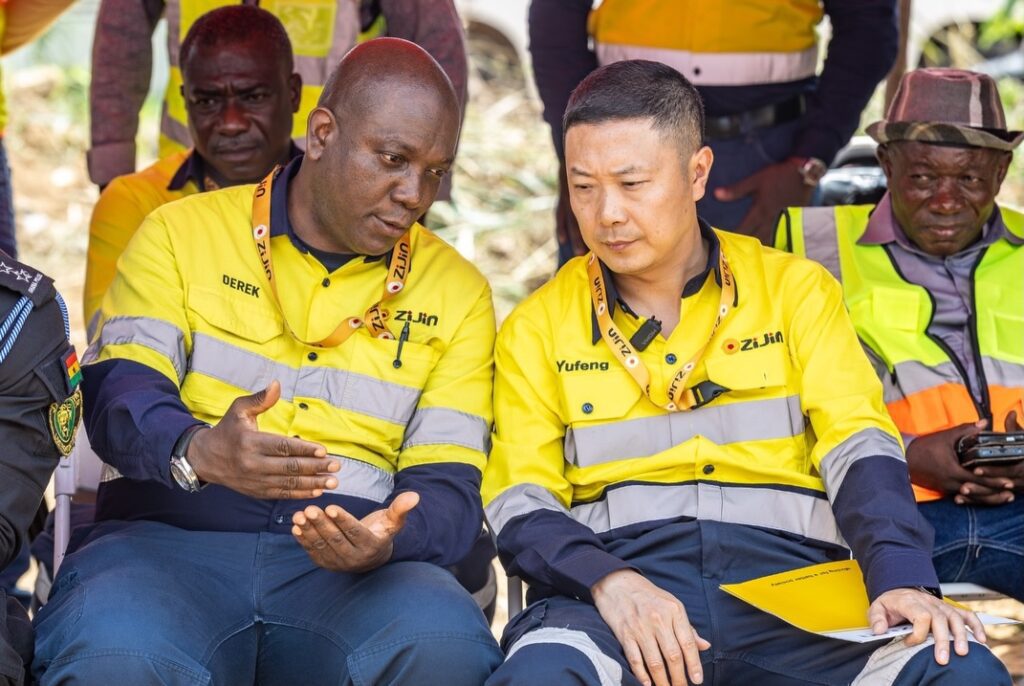
    Zijin Golden Ridge
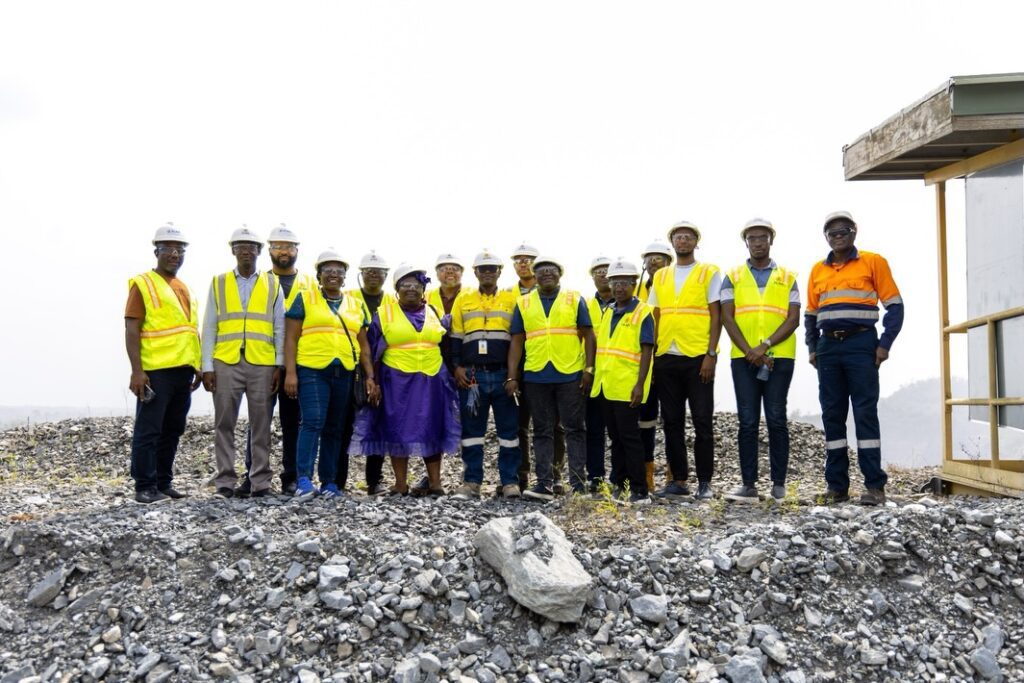
    Regulators at Zijin Golden Ridge

    The delegation, acting under the mandate of the Liaison Group for Mining and Forest Reserves, comprised a robust assembly of technical experts from the Minerals Commission of Ghana, the Ghana Forestry Commission, and the Forest Service Division.

    Further representation included specialists from the Inspectorate Division of the Minerals Commission, the Ghana Chamber of Mines, and the Ghana Geological Survey Authority, reflecting a holistic approach to state oversight.

    During the inspection, Mr. Harrison-Affull observed that the current operations are in line with best practice and also in line with the legal regimes, emphasizing that the engagement offered a vital platform for constructive dialogue between the state and the private sector.

    Through the sharing of technical recommendations, the visit was designed to advance the long-term commitment to responsible and sustainable mining, ensuring that the Akyem Mine’s footprint remains within the permissible bounds of its forest entry permits.

    Strengthening Natural Resource Governance through Multi-Stakeholder Oversight

    The collaborative nature of this compliance visit underscores a significant shift toward integrated natural resource governance in Ghana.

    Zijin Golden Ridge Stafff

    By bringing together the EPA, the Forestry Commission, and the Minerals Commission under the umbrella of the Liaison Group, the government effectively minimizes regulatory silos that can lead to oversight gaps in the extractive sector.

    This unified front ensures that mining companies like Zijin Golden Ridge are not only meeting technical production quotas but are also adhering to the Environmental Protection (Mining in Forest Reserves) Regulations, 2022 (L.I. 2462).

    This regulation specifically mandates that mineral right holders develop comprehensive emergency response plans for unexpected events such as fuel spillages or fires, which could have devastating impacts on forest biodiversity.

    Such reviews serve as a proactive mechanism for risk mitigation rather than a reactive response to environmental degradation.

    When regulators provide “recommendations to support continuous improvement,” they are essentially fine-tuning the operational protocols of the mine to match evolving global best practices.

    For the Akyem Mine, this means refining water treatment processes, tailings management, and land reclamation strategies in real-time.

    This dynamic feedback loop between the state and the operator is essential for maintaining the “social license to operate,” as it provides the public and local communities with verified assurance that industrial activity is not proceeding at the expense of Ghana’s natural heritage.

    EPA Enforcement Officers

    Enhancing Sustainability Through Rigorous Compliance Frameworks

    Rigorous regulatory oversight is the cornerstone of Ghana’s strategy to transform the mining sector into a driver of green growth.

    The presence of the Ghana Geological Survey Authority and the Inspectorate Division during these visits ensures that the geological integrity of the mining area is preserved, preventing land instability that could affect surrounding forest ecosystems.

    Furthermore, these routine monitoring exercises act as a deterrent against “compliance fatigue,” where operators might otherwise become lax in their adherence to environmental management plans over long-term project lifecycles.

    By maintaining a consistent schedule of inspections, the state ensures that sustainability is treated as a core operational requirement rather than a peripheral administrative task.

    Minerals Commission, RDF at Zijin Golden Ridge

    Beyond immediate environmental protection, these reviews enhance the global competitiveness of Ghana’s mining industry.

    In an era where international investors and gold buyers increasingly prioritize Environmental, Social, and Governance (ESG) criteria, the ability of a mine to demonstrate full compliance with national legal regimes is a significant asset.

    The Akyem Mine’s adherence to these standards, as verified by the EPA and its partners, signals to the global market that Ghanaian gold is produced under a regime of high accountability.

    This transparency ultimately supports the “green mine” vision, where the extractive process is balanced with reforestation and ecological restoration, ensuring that forest reserves remain viable for future generations after the mine’s closure.

  • MIIF Boss Outlines 2026 Returns Target, Benchmarked 2025 Achievement

    MIIF Boss Outlines 2026 Returns Target, Benchmarked 2025 Achievement

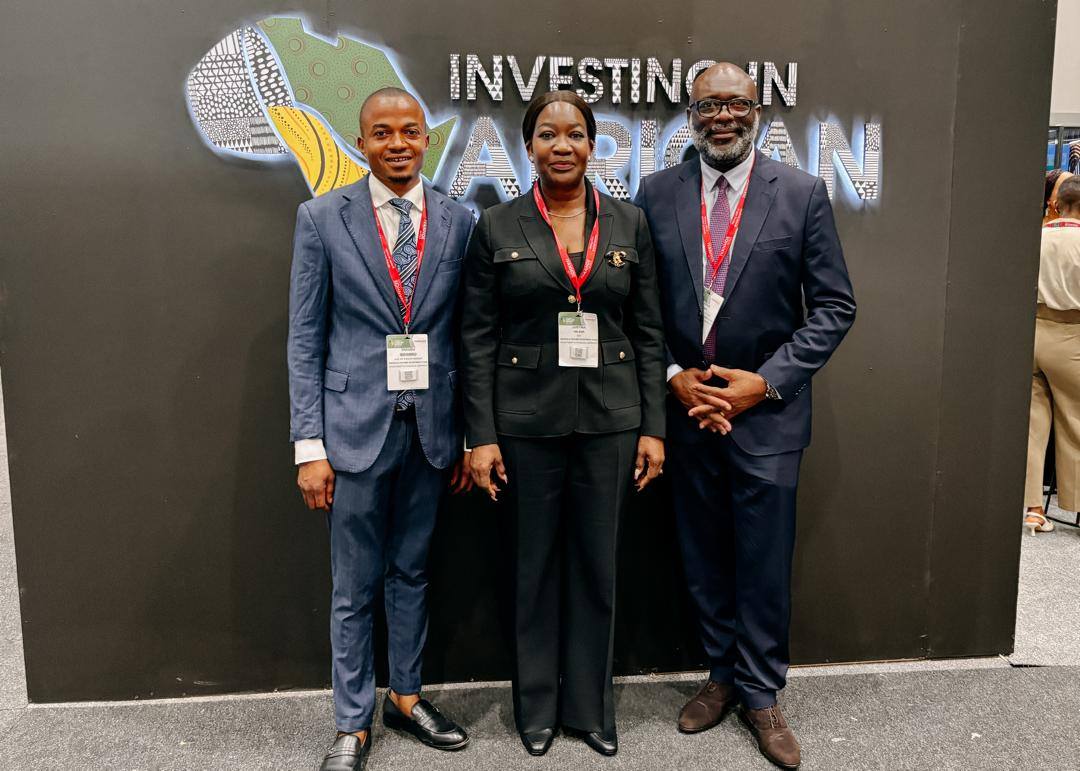
    Mrs. Justina Nelson, the Chief Executive Officer of the Minerals Income Investment Fund (MIIF), has signaled a high-growth trajectory for Ghana’s sovereign minerals fund, projecting a surge in investment returns for the 2026 fiscal year.

    This optimistic outlook is anchored on a record-breaking performance in 2025, where mineral royalty inflows experienced a monumental leap to GHc5.43 billion, representing a nearly 39% increase from the GHc3.91 billion recorded in 2024.

    The 2026 targets are not merely aspirational but are grounded in a reinforced strategic framework designed to monetize Ghana’s mineral wealth more aggressively while expanding the fund’s footprint across diversified asset classes.

    “Based on the strategies in the previous year, we are very sure of moving to higher levels this year. There is a need to clarify issues on amendments of Acts 978 and 1137, and also correct some misconceptions about mineral royalties to strengthen ties between the media and the Fund.”

    Mrs. Justina Nelson
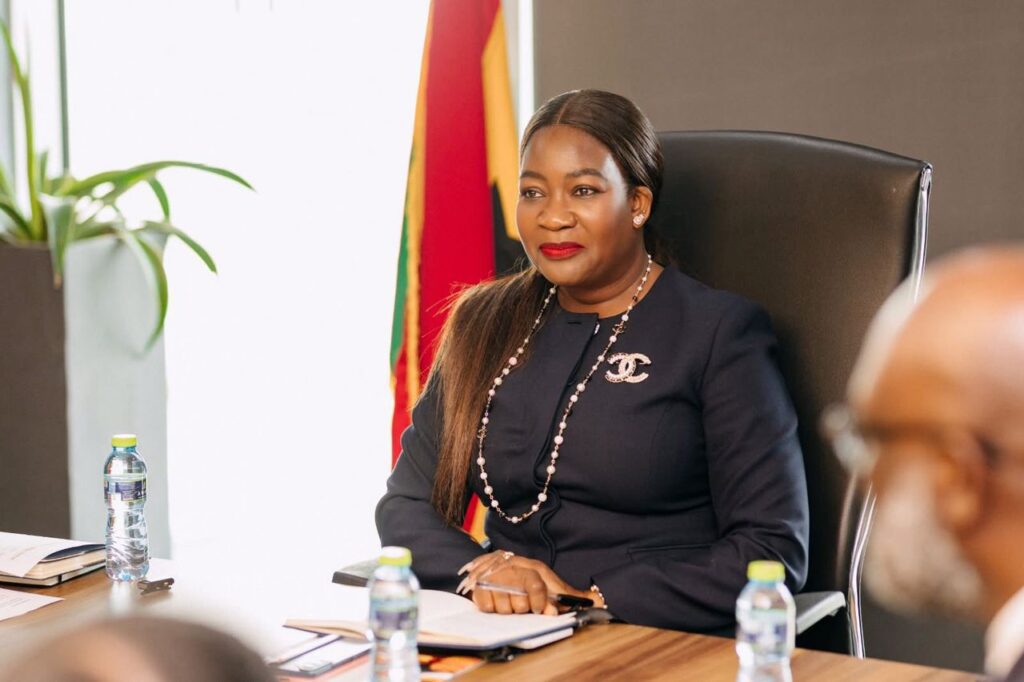
    Mrs. Justina Nelson, CEO of MIIF

    The transition from the 2025 gains to the 2026 projections is supported by the full implementation of the 2026–2028 Strategic Plan, which seeks to optimize the fund’s investment mandate under its governing laws.

    According to the fund’s management, the leap in revenue during the previous year was largely driven by heightened efficiency in the monitoring of manganese and quarry operations, which have historically been under-recovered.

    By leveraging Act 978 and its subsequent amendments under Act 1137, MIIF has strengthened its legal capacity to ensure that every ounce of mineral value extracted from Ghanaian soil contributes to the national kitty.

    This fiscal discipline has created a robust liquid base, allowing the fund to move beyond passive collection toward active, high-yield wealth creation for the state.

    Strategic Legislative Framework and Revenue Optimization

    MIIF Executives

    The operational backbone of MIIF’s recent success lies in the rigorous application of Act 978, which was further refined by Act 1137 to provide a more flexible yet airtight investment environment.

    Tuinese Edward Amuzu, Head of Legal at MIIF, highlighted that the recent uptick in royalties from non-gold sectors specifically manganese and quarrying is a direct result of “more frequent and effective monitoring” protocols.

    This shift suggests a move away from over-reliance on gold, as the fund seeks to capture the full spectrum of Ghana’s extractive potential.

    By tightening the net on royalty leakages, MIIF is essentially “de-risking” the national budget, ensuring that mineral price volatility is buffered by a steady, well-monitored stream of domestic revenue.

    The fund’s 2026–2028 strategic plan further elaborates on its dual-purpose mandate: maximizing short-term royalty collection while securing long-term capital appreciation.

    CharlesBenoni Okine, Director of Corporate Affairs and External Relations, noted that the fund is currently in a phase of “shedding light on aspects of work that are often misunderstood.”

    This transparency initiative is crucial, as the fund moves to invest in more complex financial instruments and equity stakes in mining companies.

    By clarifying the legal amendments to the public and the media, MIIF aims to build the social license required to execute bold indigenous investments, such as those seen in the lithium and salt sectors, which are expected to bear fruit in the coming year.

    Economic Implications of Realizing 2026 Return Targets

    Mrs. Justina Nelson

    Should MIIF successfully hit its 2026 return targets, the socio-economic dividends for Ghana would be transformative, particularly in the areas of infrastructure development and currency stabilization.

    Increased returns allow the fund to serve as a fiscal stabilizer; by reinvesting royalties into high-growth sectors, the government can reduce its reliance on external debt.

    Furthermore, a high-performing MIIF creates a “sovereign buffer” that can be utilized to support the Ghana Cedi.

    As the fund accumulates dividends from its international and local investments, it builds a foreign exchange reserve that provides a domestic alternative to traditional Eurobond market entries, which have become increasingly expensive.

    Beyond macro-stability, the realization of these targets facilitates the formalization of theArtisanal and Small-scale Mining (ASM) sector.

    MIIF has already indicated plans to use its capital to provide technology and financing to small-scale miners in exchange for structured royalty payments.

    If the 2026 goals are met, this program can be scaled nationally, effectively turning “illegal mining” areas into regulated, tax-paying entities.

    This does not only increase the royalty pool but also funds land reclamation and environmental restoration projects, ensuring that the “mineral wealth” described by Justina Nelson is not gained at the permanent expense of Ghana’s water bodies and forest reserves.

    Media Collaboration and Public Accountability

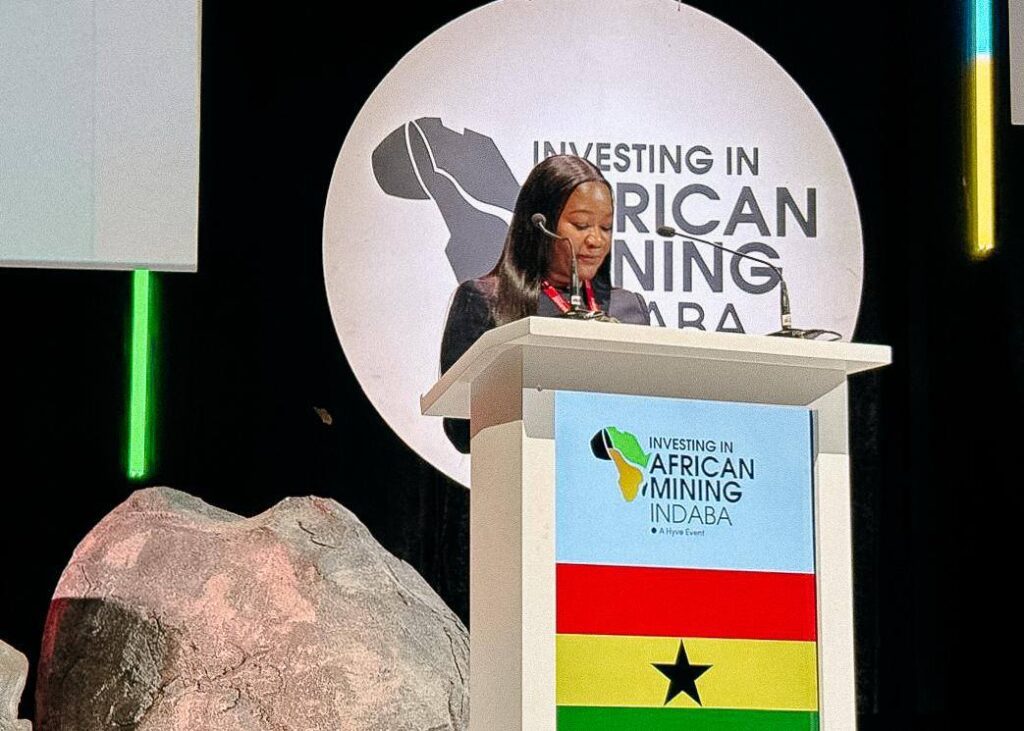
    MIIF Executives at Mining Indaba

    A central theme of MIIF’s current outlook is the “deepening of media understanding” to combat misinformation.

    During the fund’s first formal forum with editors, the leadership emphasized that the complexity of mineral royalties often leads to public misconceptions.

    By encouraging journalists to “verify information with management before publication,” the fund is attempting to create a more informed investment climate.

    This collaborative approach is vital for the success of the 2026–2028 Strategic Plan, as public trust is the currency required for sovereign wealth funds to operate effectively in democratic landscapes.

    The fund’s commitment to addressing misconceptions about Act 1137 is particularly noteworthy.

    This amendment provides the fund with the power to manage its assets with more commercial agility, a move that some critics initially viewed with caution.

    However, by showing a clear link between these legislative powers and the GHc5.43 billion revenue jump, Minerals Income Investment Fund (MIIF) is demonstrating the “proof of concept” for its governance model.

    As the fund moves into 2026, the focus remains on ensuring that the dividends of the extractive industry are not just collected, but are strategically multiplied to benefit future generations of Ghanaians.

  • Illegal Mining Will Be Confronted Decisively – Mahama Declares

    Illegal Mining Will Be Confronted Decisively – Mahama Declares

    President John Dramani Mahama has reaffirmed his government’s determination to confront illegal mining decisively, describing the protection of Ghana’s natural resources as a moral and generational obligation that must unite all citizens.

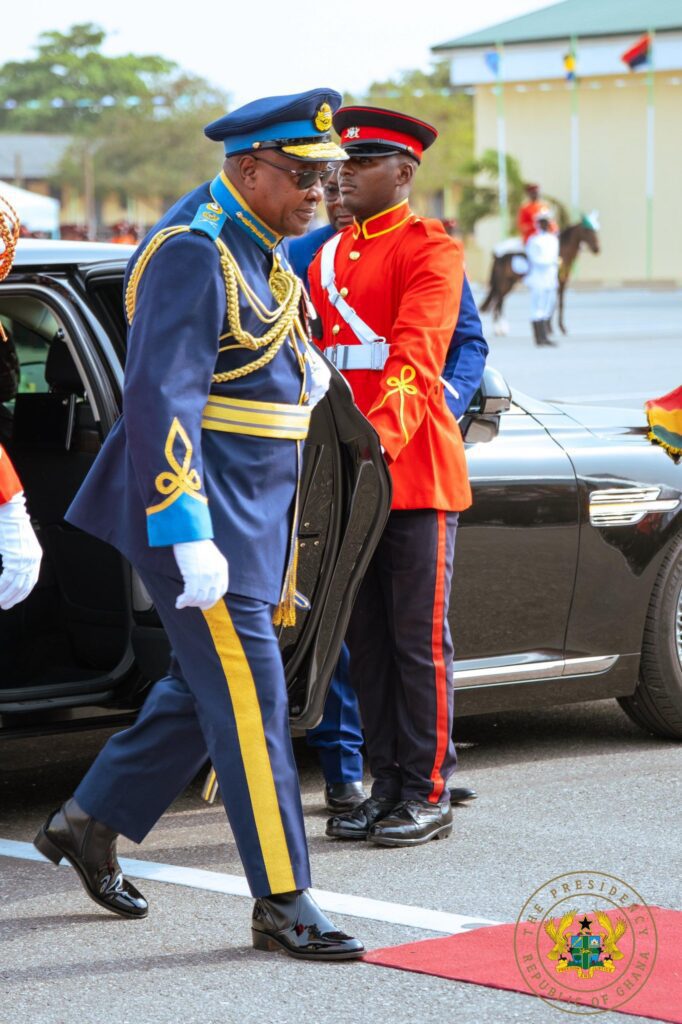
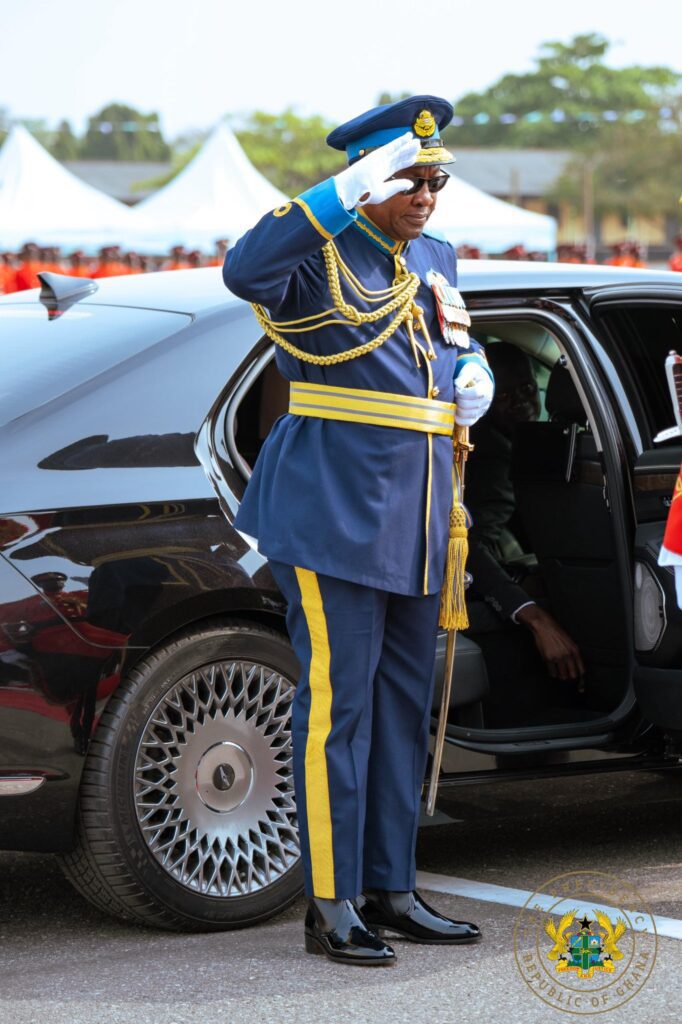
    Speaking at the commissioning of 263 officer cadets into the Ghana Armed Forces, the President said the destruction caused by illegal mining remains one of the most serious environmental and economic threats facing the country.

    Addressing the parade at the Ghana Military Academy, President Mahama reminded Ghanaians that the nation’s forests, rivers, and farmlands are a sacred trust held for present and future generations.

    He noted that years of unregulated and unlawful mining activities have inflicted severe damage on critical water bodies and forest reserves, undermining livelihoods and public health.

    According to him, the consequences of illegal mining extend beyond environmental degradation to affect food security, community stability, and long term national development.

    The President said his administration responded to the crisis with the establishment of a joint national operation against illegal mining under the National Anti Illegal Mining Operations Secretariat.

    HE John Dramani Mahama, President of the Republic and Commander in Chief of the Ghana Armed Forces

    This intervention, he explained, was not limited to enforcement alone but was designed as a comprehensive strategy combining strict law enforcement, public education, alternative livelihood programmes, technological support, and improved institutional coordination.

    He emphasized that tackling illegal mining requires a holistic approach that addresses both the criminal networks involved and the socio economic factors that drive individuals into the practice.

    “These measures are producing results. Forests and river bodies have been declared security zones. Permanent military bases have been established, and offenders have been arrested and are being prosecuted.”

    HE John Dramani Mahama, President of the Republic and Commander in Chief of the Ghana Armed Forces

    Progress of Environmental Restoration

    Highlighting progress on environmental restoration, the President said major rivers such as the Pra, Ankobra, and Offin are gradually showing signs of recovery. He attributed this to sustained enforcement actions and the disruption of illegal mining operations along their banks.

    While acknowledging that full restoration will take time, he expressed confidence that the consistent application of government policies will yield lasting results.

    The President used the occasion to stress that the fight against illegal mining will be pursued without fear or favour. He declared unequivocally that no individual or group would be shielded from accountability, regardless of their status or influence.

    GAF Graduands

    In his words, illegal mining will continue to be confronted decisively as part of a broader commitment to environmental protection and national development. However, he cautioned that government action alone would not be sufficient to win the battle.

    Calling for national unity, President Mahama urged citizens, traditional leaders, local communities, civil society organisations, and the private sector to support the campaign against illegal mining. He described the struggle as a moral and civic responsibility that demands collective resolve.

    According to him, every Ghanaian has a role to play in safeguarding the land, whether by refusing to participate in illegal activities, reporting offenders, or supporting lawful and sustainable economic alternatives.

    Protection of Ghana’s Territory

    The President linked the fight against illegal mining to the broader role of the Ghana Armed Forces in protecting the nation. He said the commissioning of the 263 officer cadets underscored the government’s resolve to maintain a disciplined and capable military that can respond to both traditional security threats and emerging challenges such as environmental crimes.

    He praised the cadets for their commitment and reminded them that their oath of service includes defending the nation’s resources and supporting civil authorities in times of need.

    President Mahama also emphasized that environmental security is inseparable from national security. He warned that unchecked environmental degradation can fuel conflict, displacement, and economic instability, particularly in vulnerable communities.

    HE John Dramani Mahama, President of the Republic and Commander in Chief of the Ghana Armed Forces

    By integrating the Armed Forces into the fight against illegal mining, he said Ghana is strengthening its capacity to protect strategic assets and maintain social cohesion.

    As the ceremony drew to a close, the President reiterated his call for solidarity in restoring Ghana’s environment. He appealed to the conscience of the nation, urging citizens to consider the legacy being left for future generations. Protecting the land, he said, is not merely a policy choice but a duty owed to children yet unborn.

    The commissioning parade, which marked the transition of the cadets from training to active service, provided a fitting backdrop for the President’s message. It reinforced the idea that discipline, sacrifice, and national service are essential values not only for the military but for all citizens committed to building a sustainable and prosperous Ghana.

  • Govt. Sets to Amend Minerals Act to Criminalize Mining in Forest Reserves – Felix Kwakye

    Govt. Sets to Amend Minerals Act to Criminalize Mining in Forest Reserves – Felix Kwakye

    Hon. Felix Ofosu Kwakye, Minister responsible for government communications has reaffirmed that Government is advancing steps in its quest to realizing environmental protection through amendment of the Minerals and Mining Act, 2006 (Act 703).

    This legislative overhaul aims to introduce a comprehensive, non-derogable ban on all forms of mineral extraction within the nation’s forest reserves, effectively closing the legal loopholes that previously allowed “sustainable” mining in sensitive ecosystems.

    By upgrading mining in these protected enclaves from a regulatory infraction to a strictly criminal offense, the state seeks to reclaim its environmental sovereignty over territories once dominated by “non-state actors, bandits, and thugs.”

    This move follows the successful repeal of Legislative Instrument (L.I.) 2462, a controversial regulation that had faced intense public backlash for granting the executive discretionary power to approve mining in forest reserves if deemed in the “national interest.”

    The proposed amendment to the parent Act is designed to provide a more permanent, “definitive” solution to the galamsey canker, ensuring that no future administration can easily bypass forest protections through subsidiary legislation.

    Beyond the total ban, the government is introducing stringent measures to curb the influx of excavators and heavy machinery, while establishing specialized courts to ensure a “much quicker way of dealing with these miscreants” who threaten the nation’s biodiversity and water security.

     “An additional step of amending the Mining and Minerals Act will be taken to make it impossible for anybody to mine, whether legal or illegally, in a forest reserve. In addition to this, additional measures have been introduced to stop the influx of excavators whose use is not too clear to the authorities.“

    Hon. Felix Ofosu Kwakye

    “Arrests have been made, and special courts will be set up shortly to ensure that we have a much quicker way of dealing with these miscreants who engage in illegal mining,” Hon. Kwakye added.

    Breaking the Siege: Reclaiming Sovereign Forest Territories

    Galamsey Affected Forest

    At the inception of the current administration, several of Ghana’s vital forest reserves had transitioned into “no-go areas” for state authorities.

    Hon. Felix Ofosu Kwakye also alleged that nine critical reserves had previously been effectively annexed by armed syndicates who provided “security” for illegal mining operations. The government’s immediate tactical response involved a systematic re-entry into these zones to restore state authority.

    While Kwakye admits the administration has “not achieved fully the objective of eradicating the calamity,” he maintains that the progress is “as government agents, who were once barred from entry, now operate freely to disrupt illegal activities.”

    Legislative Gaps and the Path to Environmental Sovereignty

    Hon. Felix Ofosu-Kwakye, Minister in Charge of Government Communications

    From an extractive industry perspective, the existing Minerals and Mining Act, 2006 (Act 703) has often been criticized for its “permissive” framework.

    Section 4 allows the Minister to reserve land from mining, but the lack of an explicit, absolute prohibition for forest reserves created a vacuum that L.I. 2462 exploited.

    By amending the Act to include a statutory ban, Ghana is shifting toward a model of “environmental sovereignty,” where the long-term health of the ecosystem takes precedence over short-term mineral gains.

    This legislative fortification is essential to protect water bodies like the Pra and Ankobra, which have suffered “considerable public concern” due to toxic pollution from persistent illegal operations.

    NAIMOS and the New Enforcement Frontier

    Hon. Emmanuel Armah-Kofi Buah, Lands Minister

    The operational arm of this renewed onslaught is the National Anti-Illegal Mining Operations Secretariat (NAIMOS), which works on a “daily basis” to dismantle galamsey sites.

    Unlike previous temporary task forces, NAIMOS is structured to provide continuous disruption, preventing miners from re-establishing camps once security forces depart.

    The Minister emphasized that while the “pace at which we are going” is aggressive, the complexity of the “canker” requires both boots on the ground and the new legal “onslaught” to be successful.

    The focus has now shifted to “definitively overcoming” the menace by cutting off the logistical supply of excavators and ensuring that the newly empowered special courts provide the deterrent needed to protect Ghana’s green heritage.

  • Ghana Not Banned Mining in Forest Reserves – Dr. Ken Bansah Insists

    Ghana Not Banned Mining in Forest Reserves – Dr. Ken Bansah Insists

    Ghanaian-US-based resource governance expert Dr. Kenneth Bansah has clarified that the recent revocation of the Environmental Protection (Mining in Forest Reserves) Regulations, 2022 (L.I. 2462), does not constitute a ban on mining within Ghana’s forest reserves.

    The mining expert noted that while the public and various media outlets have celebrated the move as a definitive end to extraction in protected areas, the legal reality remains far more complex and permits for mining are still accessible under existing primary legislation.

    “If anyone tells you that mining in forest reserves has been banned, at least for now, that claim is inaccurate. What the revocation of LI 2462 has effectively done is remove the additional environmental requirements that would have applied if mining were to take place in forest reserves. If the state intends to ban mining in forest reserves, that can only be achieved through an amendment to the Minerals and Mining Act, 2006 (Act 703).”

    Dr. Kenneth Bansah

    Dr. Bansah explained that the confusion stems from a fundamental misunderstanding of the hierarchy of Ghanaian mining laws, specifically the relationship between the Minerals and Mining Act, 2006 (Act 703), and subsidiary environmental instruments.

    He pointed out that while L.I. 2462 provided a framework for environmental requirements in forest environments, its removal does not strip away the underlying authority of the Minister responsible for Mines to grant mineral rights.

    “The revocation of L.I. 2462 does not prevent mining from taking place in forest reserves,” Dr. Bansah emphasized, noting that as long as Act 703 remains unamended, the legal pathway for forest entry permits remains open to operators who meet the primary statutory requirements.

    Legal Loophole: Act 703 vs. L.I. 2462

    The core of the expert’s argument rests on Section 18 of the Minerals and Mining Act, 2006 (Act 703), which governs forestry and environmental protection.

    According to Dr. Bansah, L.I. 2462 was never the source of mining rights; rather, it was a regulation issued by the Ministry of Environment to guide the “how” of mining in sensitive areas.

    By revoking this instrument, the government has arguably removed a layer of environmental scrutiny rather than the activity itself.

    In the absence of a specific amendment to Act 703 that explicitly prohibits mineral operations in reserves, the Ministry of lands retains its sovereign authority to issue licenses.

    This distinction is critical for industry stakeholders. Without the “additional guidance” provided by the now-revoked L.I. 2462, mining activities may revert to less stringent or more generalized environmental standards.

    Dr. Bansah warned that “the authority to grant mining permits lies with the Ministry of lands through the Minerals Commission,” and as such, any operator holding a valid Forest Entry Permit can still legally access these protected zones.

    The current narrative, he suggests, provides a false sense of security while leaving the back door to the reserves wide open.

    Forest Vulnerability and the Galamsey Threat

    Critics argued that L.I. 2462 actually exposed up to 89% of Ghana’s forest reserves to potential mining activities. However, the revocation of the law has not magically shielded these lands from the “galamsey” (illegal small-scale mining) menace.

    In fact, many environmentalists contend that the reserves remain as vulnerable as ever. The high economic stakes and deep-rooted social issues surrounding gold continue to drive illegal operators into the heart of protected forests, often regardless of which legislative instrument is in or out of force.

    Furthermore, the vulnerability of the reserves is exacerbated by the lack of a “National Forest Protection Strategy” and the continued existence of over 2,000 mining licenses already granted within these areas.

    The revocation of a subsidiary regulation does not automatically nullify existing leases or stop the violent resistance often mounted by galamsey operators.

    The Path to a Real Ban

    For a total ban to be realized, the government must move beyond the revocation of subsidiary instruments and confront the structural weaknesses of the Minerals and Mining Act.

    Dr. Bansah insists that only an amendment to Act 703, or a sovereign decision to deny all access permits, would truly safeguard the reserves.

    He cautioned the public and media to remain vigilant and accurate in their reporting, as the current legal framework still prioritizes mineral ownership by the Republic over absolute forest preservation.