The Ministry of Lands and Natural Resources has reaffirmed its commitment to prosecuting individuals engaged in illegal small-scale mining, widely known as galamsey, following recent security sweeps across the country.
Lands and Natural Resources officials issued the warning to signal an intensified national crack-down intended to eradicate illicit mineral extraction, restore degraded landscapes, and safeguard critical ecological zones.
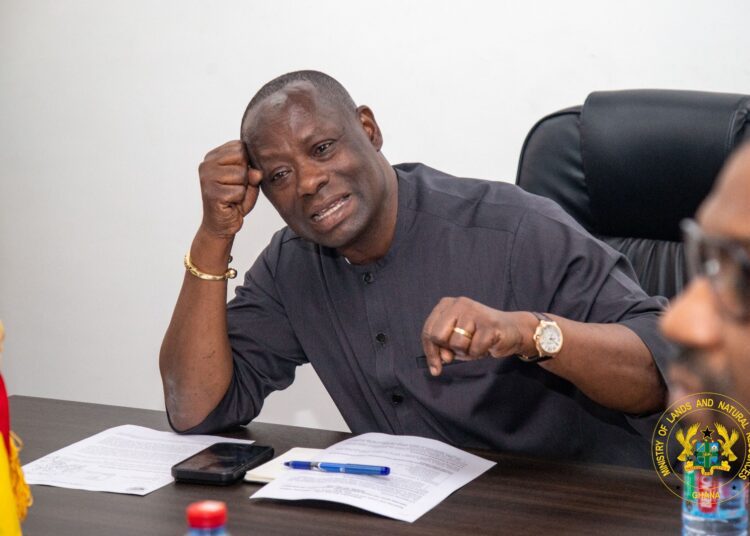
“All prosecutions are in the custody of the Attorney General, and I’m sure that in due course, the office of the AG would offer the relevant updates. The assurance to the Ghanaian people is that nobody who has been caught, fingered, or arrested in illegal mining will go scot-free. The law will take its full course, irrespective of anybody who has been involved.”
Spokesperson for the Ministry of Lands and Natural Resources, Paa Kwasi Schandof,

This policy enforcement surge was underscored by the recent arrest of 13 suspected illegal miners during a targeted field operation conducted by the National Anti-Illegal Mining Operations Secretariat (NAIMOS) at Osino, situated in the Fanteakwa South District of the Eastern Region, on Friday, September 25, 2026.
Legal dockets resulting from these operational crackdowns have been officially transferred to the Attorney General’s Office to ensure rigorous judicial processing.
Spokesperson for the Ministry of Lands and Natural Resources confirmed that state prosecutors are now actively managing these cases to enforce statutory compliance and secure meaningful convictions.
Strengthening Anti-Galamsey Enforcement and Judicial Oversight
The latest arrests at Osino highlight an operational shift by NAIMOS toward active disruption and field interception of illegal mining syndicates.
By transferring prosecutorial oversight directly to the Attorney General, the government aims to eliminate regulatory bottlenecks and administrative leniency that previously hindered anti-galamsey initiatives.
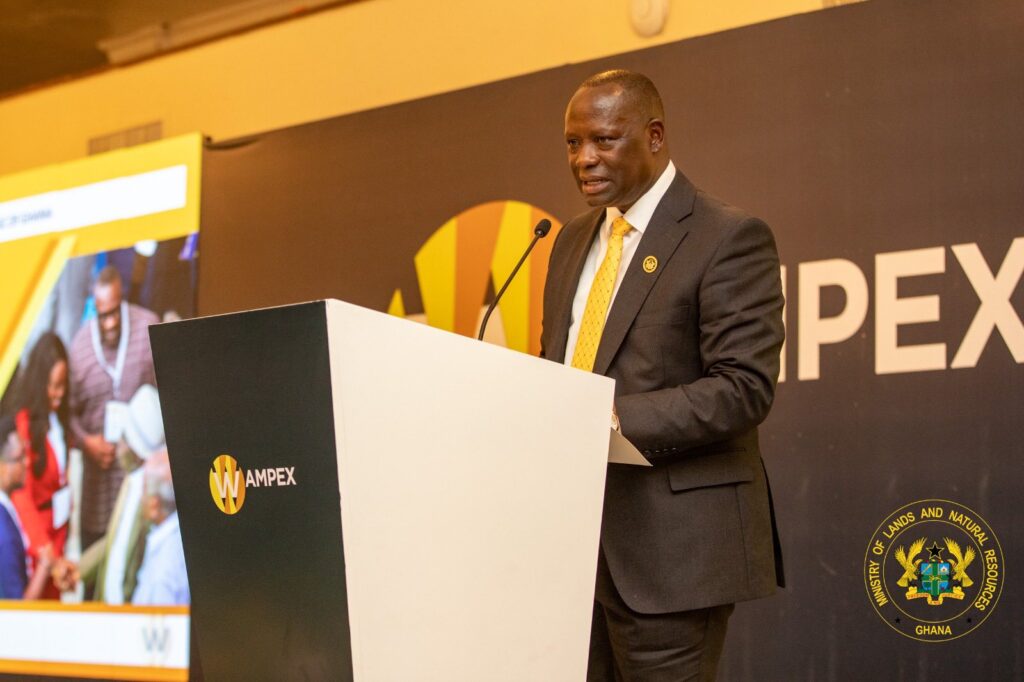
Spokesperson Paa Kwasi Schandof reiterated that “the law was applied to all persons involved in illegal mining, regardless of their identity or position,” signaling a strict approach to political and social accountability.
Environmental legal frameworks are being applied strictly to discourage future infractions within high-risk mining zones.
Government agencies are linking field arrests directly with formal courtroom proceedings to establish a reliable legal precedent.
Security operations by NAIMOS will continue across affected regions, utilizing real-time intelligence to dismantle illegal encampments, seize heavy earthmoving machinery, and detain recalcitrant operators operating without valid environmental or mineral licenses.
Environmental Degradation and the Need for Decisive Action
The urgent imperative for these rigorous anti-galamsey measures stems from decades of uncontrolled environmental damage caused by unregulated extraction techniques.
The widespread use of heavy machinery like excavators and toxic chemicals such as mercury and cyanide has severely contaminated vital river bodies including the Pra, Ankobra, Birim, and Offin rivers rendering them unsuitable for domestic consumption or agricultural irrigation.
Water treatment facilities across Ghana consistently report elevated turbidity levels, exponentially increasing the cost of municipal water treatment and threatening urban supply networks.
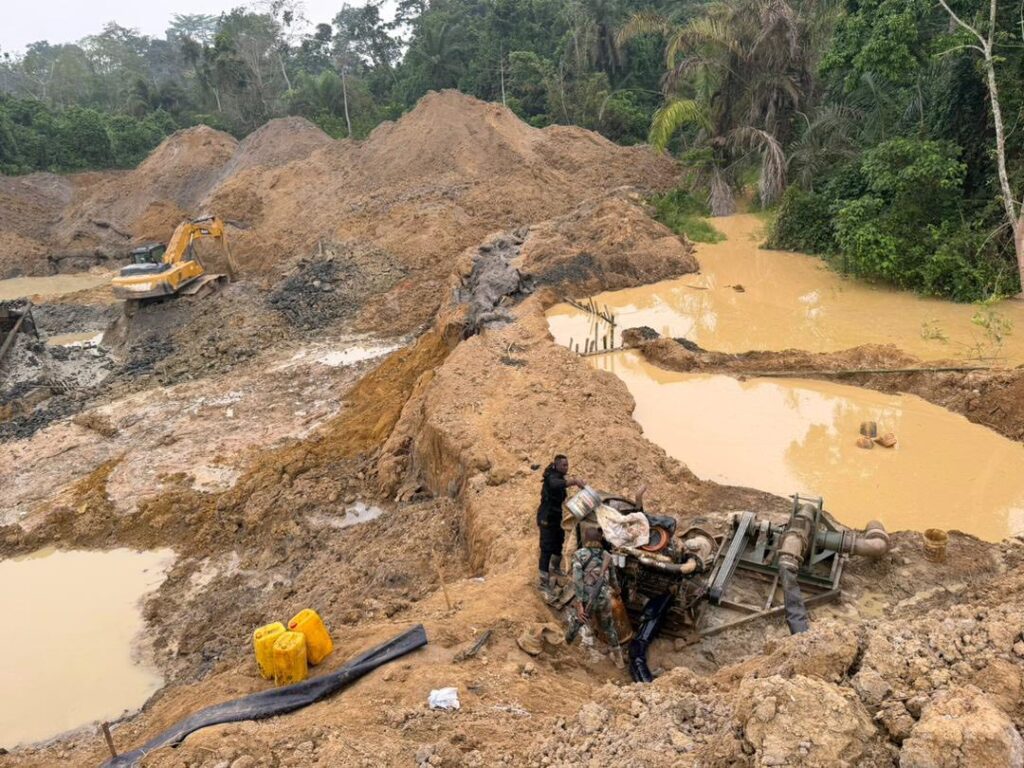
Beyond water pollution, illegal mining activities have led to extensive deforestation, habitat destruction, and severe land degradation within protected forest reserves.
Agricultural sectors, particularly cocoa production, face structural risks as fertile topsoil is stripped away and farmland is converted into unstable open pits.
These open pits pose severe public safety hazards to local rural communities, leading to tragic accidents and destabilizing local ecosystems.
The economic costs associated with land reclamation and water purification far exceed short-term mining gains, making comprehensive state intervention essential.
By combining field operations led by NAIMOS with prompt legal prosecutions overseen by the Attorney General, the state seeks to establish a sustainable framework for natural resource management, protect local livelihoods, and enforce environmental compliance nationwide.
Restoring Integrity to the Extractive Industry
Achieving long-term sustainability in Ghana’s mining sector requires balancing economic resource extraction with strict legal compliance.
While formal small-scale and large-scale mining operations contribute significantly to national revenue, GDP, and employment, unregulated galamsey threatens the legal legitimacy and operational sustainability of the entire extractive sector.
Unregulated operations evade taxes, bypass mandatory environmental impact assessments, and undermine ethical supply chains required by international mineral buyers.
To protect national interests and maintain international trade standards, regulatory institutions are strengthening monitoring protocols across all mining districts.
Institutional coordination between the Ministry of Lands and Natural Resources, NAIMOS, the Minerals Commission, and the Environmental Protection Agency (EPA) is crucial to ensuring that only fully licensed, environmentally compliant entities operate within the sector.
Moving forward, sustained enforcement must be paired with streamlined licensing procedures for responsible small-scale miners.
By clamping down on illegal operators while offering structured pathways for legal, eco-friendly mining, the government can protect finite natural resources, preserve vital ecosystems, and build a resilient extractive economy for future generations.
READ ALSO: Demand Accountability from the Right Institutions – GES Calls