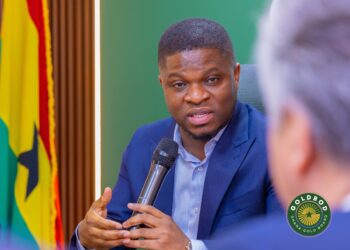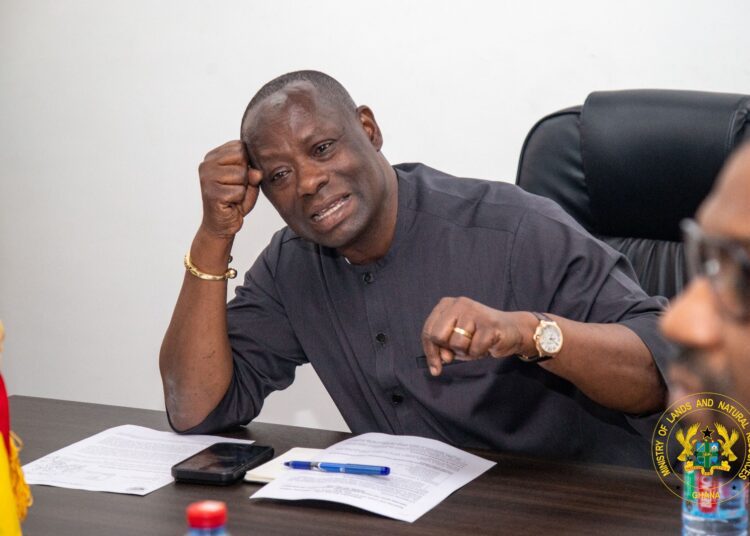
Hon. Emmanuel Armah Kofi Buah, the Minister for Lands and Natural Resources, has made a strong and explicit call on Chinese global mining conglomerate Zijin Mining Company Limited to replicate its exemplary model of environmentally responsible and sustainable mining practices in Ghana.
The Minister issued the charge during an official working visit to the company’s converted mining facilities in China, where he evaluated their state-of-the-art land reclamation, ecological engineering, and environmental conservation systems.
He emphasized that adopting these modern ecological methods within Ghana’s extractive sector is crucial to protecting forest reserves, safeguarding vital water bodies, and ensuring that host mining communities derive sustainable economic benefits from natural resource development without suffering severe ecological degradation.
“…filled all the valleys, and trees are planted as they go. I mean, look at the trees that have been planted—it is as if we are in a botanical garden. This is a mined-out area, and this is what we want them to replicate in Ghana.”
Hon. Armah Kofi Buah,
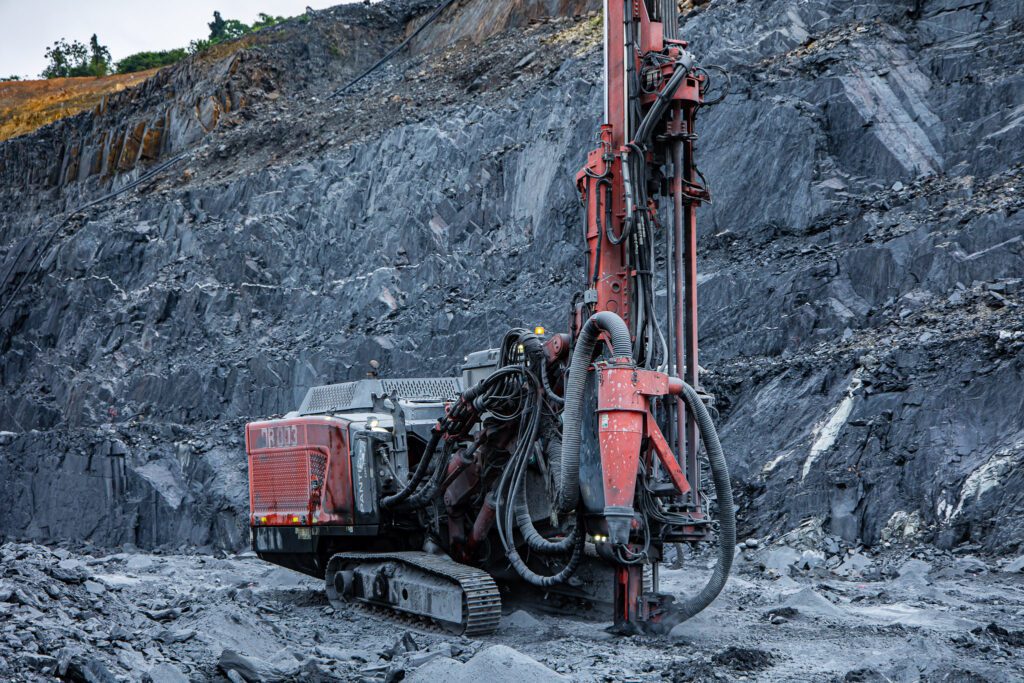
Expanding on his opening remarks, Hon. Armah Kofi Buah explained that Zijin Mining Company’s green operational model demonstrates how industrial mineral extraction can exist harmoniously with environmental preservation when backed by technical innovation, continuous investment, and strict regulatory oversight.
Following a comprehensive inspection tour of former open-pit mine sites that have been converted into vibrant, eco-friendly green landscapes, the Minister noted that Ghana’s mining sector must transition rapidly from traditional surface remediation to advanced bio-restoration standards.
Senior technical officers on the Minister’s delegation supported the call, emphasizing that implementing such systematic reclamation models across Ghana’s concessions will minimize long-term environmental liabilities, prevent topsoil erosion, and substantially improve overall corporate compliance across the nation.
Environmental Restoration Standards in Modern Extraction
The necessity for this call arises from Ghana’s urgent national imperative to address extensive environmental damage caused by historical land degradation, unregulated illegal mining activities, and insufficient post-mining land decommissioning.
The comprehensive tour of the Chinese facilities provided concrete proof that systematic pit backfilling, careful topsoil preservation, and aggressive continuous reforestation can completely reverse the severe physical scarring typical of open-cast mining.
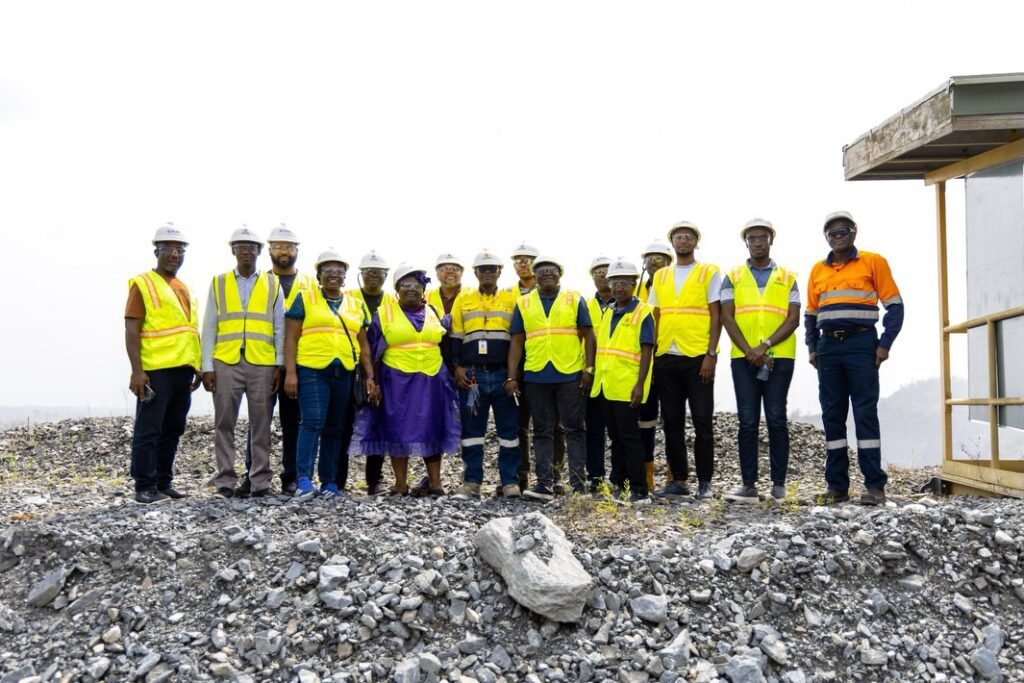
Hon. Armah Kofi Buah noted that seeing a heavily mined-out site successfully transformed into a lush botanical setting proves that major extraction companies possess the technical capabilities to fully restore natural ecosystems.
He stressed that foreign commercial firms operating in Ghana must view environmental remediation as an essential core duty rather than an optional secondary requirement.
In-depth industry research reveals that improper mine closures and abandoned concessions across West Africa have long triggered severe soil infertility, river siltation, and widespread ecological disruption.
Hon. Armah Kofi Buah indicated that previous environmental impact assessments highlight the critical need for progressive land reclamation where environmental restoration occurs simultaneously with active mineral extraction rather than waiting for concession depletion.
By compelling multinational firms to maintain their globally recognized operational standards locally, the government aims to protect community public health, safeguard agricultural livelihoods, and secure long-term ecological integrity for future generations.
Bridging Industrial Growth and Ecological Preservation
Achieving a balanced compromise between maximizing national foreign exchange revenues from mineral exports and protecting natural environmental habitats remains a central pillar of Ghana’s updated extractive sector governance policy.
The Lands Minister affirmed that while Ghana welcomes foreign direct investment in its gold, bauxite, and lithium sectors, such commercial investments must strictly adhere to high environmental standards.
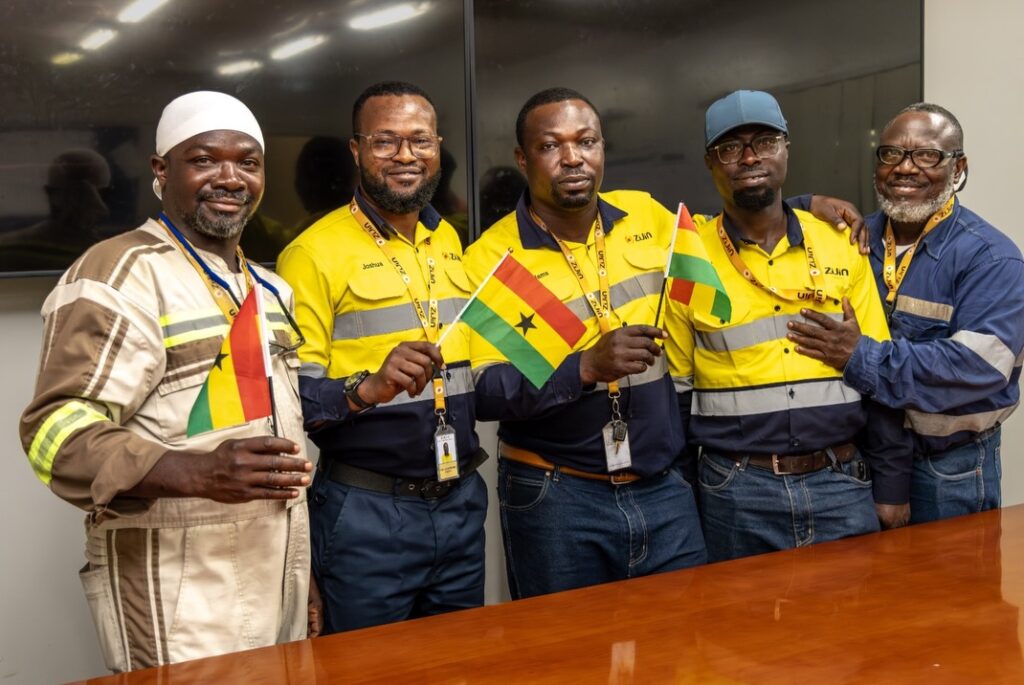
Reclaiming heavily disturbed lands into functional green spaces offers a practical, sustainable model for how resource extraction in Ghana can generate national wealth while simultaneously preserving terrestrial biodiversity.
Moreover, applying these sustainable standards helps resolve longstanding social friction between commercial mining enterprises and local host communities.
Disputes regarding destroyed farmlands and polluted water sources can be significantly minimized when host populations observe visible, continuous land restoration.
The Minister observed that operational transparency and dedicated environmental stewardship cultivate vital social license, building stronger, mutually beneficial relationships between multinational corporations and local citizens.
Strategic Policy Alignment for Sustainable Resource Management
To ensure these high ecological standards are integrated into domestic mining operations, the Ministry of Lands and Natural Resources is strengthening regulatory oversight and enforcement across all active concessions nationwide.
Through coordinated efforts between the Minerals Commission and the Environmental Protection Authority, state regulators will closely monitor compliance with mandatory reclamation schedules.
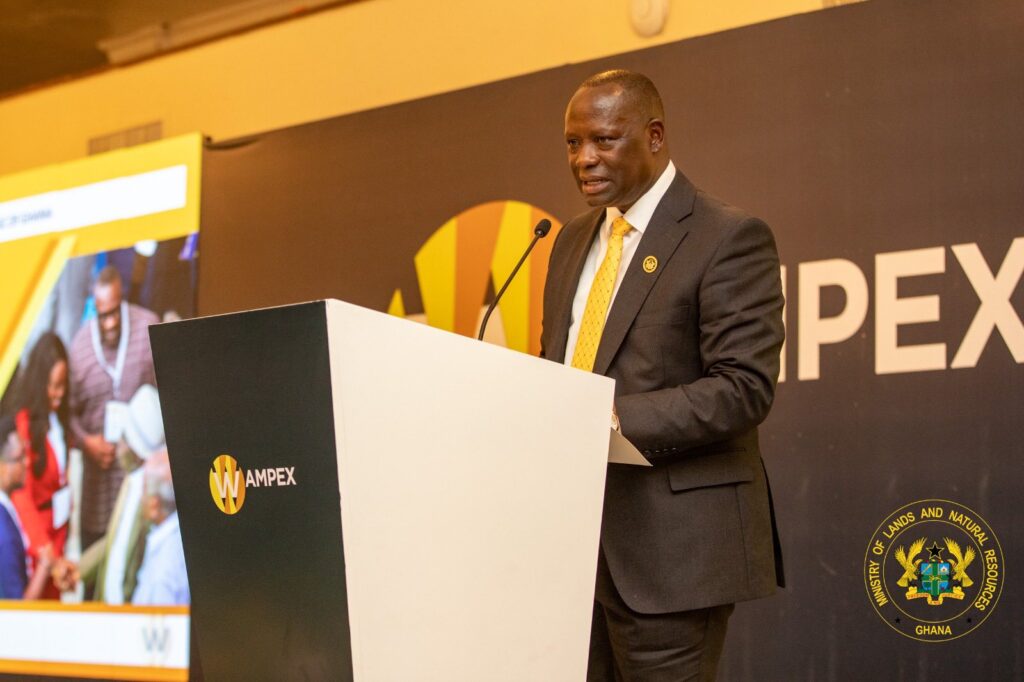
International working visits enable technical knowledge exchange, capacity building for local mine inspectors, and strict enforcement of environmental management guidelines.
Hon. Armah Kofi Buah reaffirmed the government’s steadfast commitment to creating a transparent, highly predictable regulatory climate that encourages responsible mining investors.
By encouraging global extraction leaders to model their best green practices in Ghana, the nation is setting a high standard for sustainable resource management across the West African sub-region.
READ ALSO: Asiedu Nketiah: Political Parties Must Prepare to Govern, Not Just Win