The Global Shea Alliance (GSA), in collaboration with the Cocoa Research Institute of Ghana (CRIG), has intensified efforts to strengthen women’s participation in the regeneration of shea parklands through technical support and nursery development under the Shea Industry Next Gen. Empowerment (SHINE) Programme.
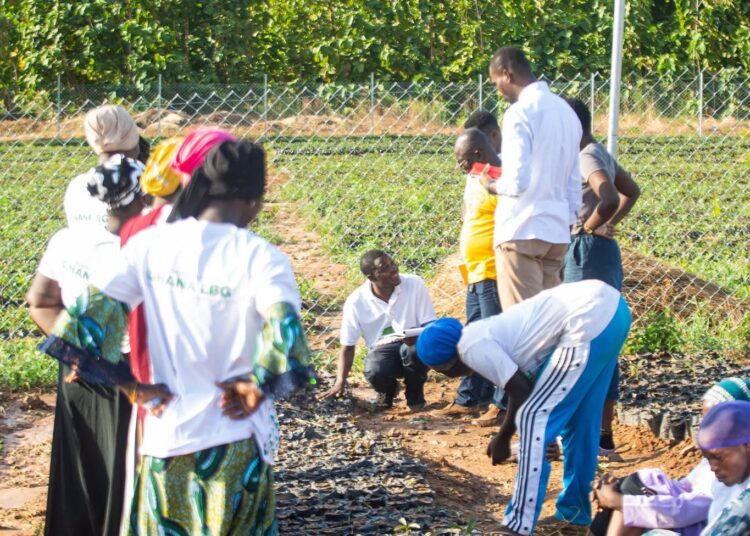
The initiative follows a series of monitoring visits to six nurseries across five regions of northern Ghana, where programme partners assessed seedling production, evaluated nursery infrastructure and engaged women participating in the initiative.
The visits, undertaken with technical support from CRIG and represented by Dr Michael Barnor, focused on improving the quality and survival of shea and other tree seedlings through practical guidance on soil preparation, watering techniques, grafting and effective nursery management.
“Strengthening women’s technical knowledge and participation in nursery management is essential to building a sustainable foundation for the future of Ghana’s shea parklands.”
Shea Industry Next Gen. Empowerment (SHINE)
The exercise also provided an opportunity to identify operational challenges affecting the nurseries and establish practical measures to improve their performance, particularly in seedling development and long term sustainability.
Women Strengthen Nursery Management Skills
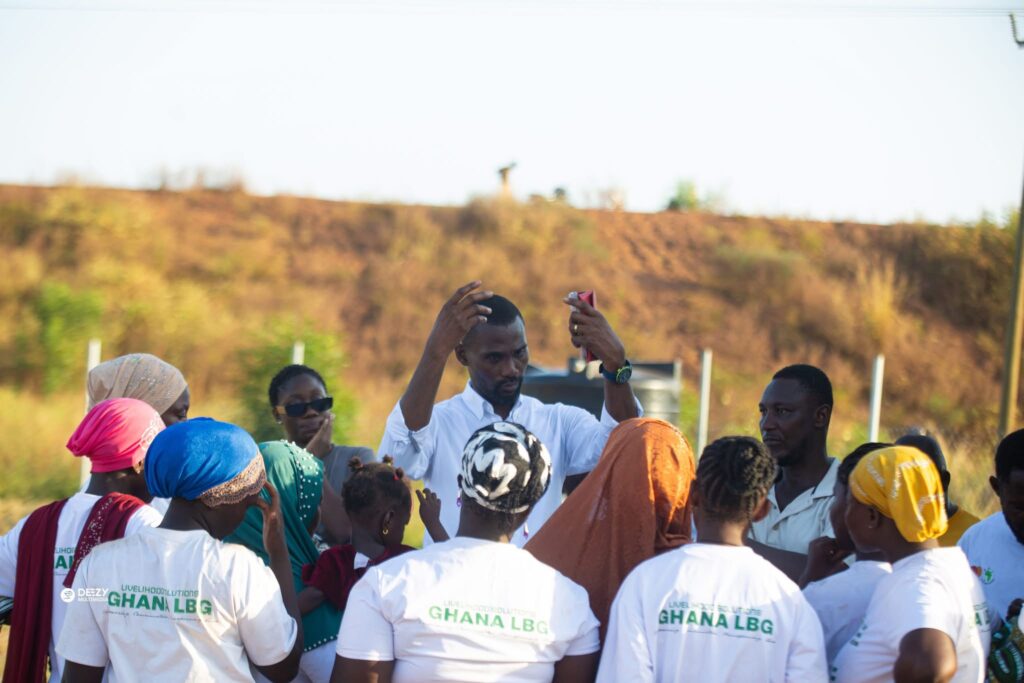
The assessment highlighted progress across the six nurseries, with participating women and programme partners making improvements in seedling production, nursery infrastructure and the technical management of operations.
A major component of the intervention is building the capacity of women to independently manage nursery activities, from preparing suitable growing environments to ensuring seedlings receive appropriate care during their early stages of development.
Technical guidance provided during the visits covered critical aspects of nursery management, including soil preparation, appropriate watering, grafting techniques and general seedling maintenance.
Shea Regeneration Supports Rural Livelihoods
The development of functional nurseries comes at an important time for Ghana’s shea industry, which provides significant economic opportunities for women, particularly in the country’s northern communities.
According to a June 2026 publication by the United Nations Development Programme (UNDP), Ghana produces between 130,000 and 150,000 metric tonnes of shea nuts annually, with an estimated value of approximately US$118 million.
The sector provides livelihoods for hundreds of thousands of women involved in collecting, processing and trading shea nuts and butter. Its economic importance extends beyond household income to employment, local enterprise development and the growing market for shea based products.
However, the long-term sustainability of the industry depends significantly on the availability and preservation of healthy shea trees.
Research published in 2025 on shea agroforestry systems in northern Ghana identified land use changes, wildfires and other environmental pressures as threats to natural tree regeneration.
“The sustainability of the shea value chain depends not only on production and processing but also on protecting and regenerating the natural resource that supports the industry.”
Shea Industry Gen. Empowernment
UNDP estimates that Ghana’s Northern Savannah Zone contains nearly 400 million shea and other trees within traditional farming systems.
However, the organisation has also highlighted substantial forest cover losses in the landscape, reinforcing the need for restoration and sustainable land management.
Consequently, investments in seedling production and women’s participation in tree management could contribute to both environmental conservation and the long term economic security of communities that depend on shea.
Building Women’s Leadership in the Shea Industry
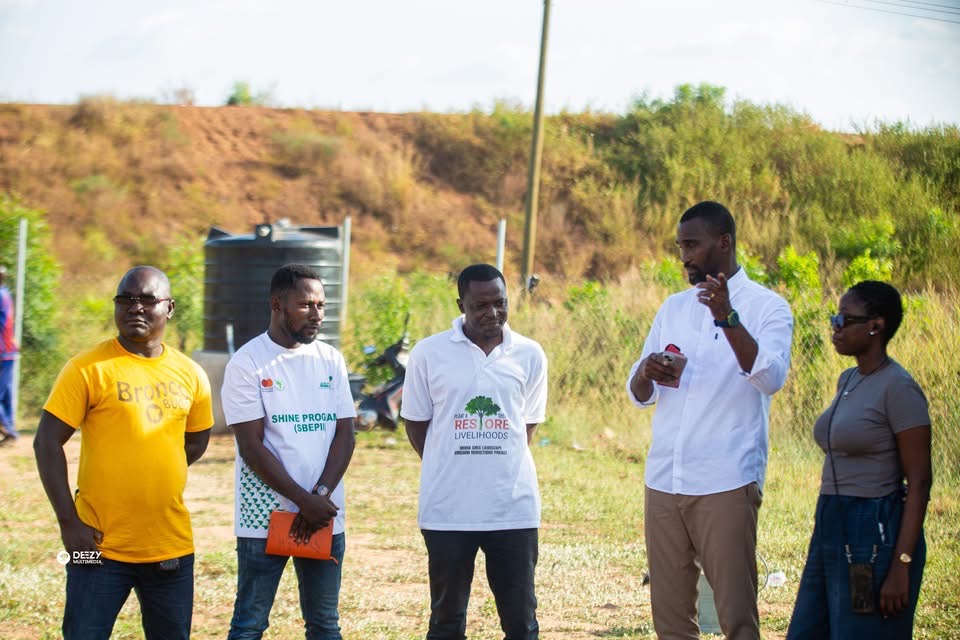
Through SHINE, the Global Shea Alliance and its partners are positioning women not only as participants in the shea value chain but also as active contributors to the development and management of the natural resources on which the industry depends.
This approach recognises the important role women play in shea collection, processing and trading, while creating opportunities for them to acquire additional technical skills in nursery management and tree propagation.
The programme’s focus on developing women’s capacity also aligns with broader efforts to improve their economic participation and strengthen the sustainability of rural enterprises.
The SHINE nursery intervention addresses an important dimension of this challenge by expanding women’s technical responsibilities beyond traditional production activities into seedling development and the management of tree-growing operations.
“Empowering women with practical knowledge, technical skills and the capacity to manage nursery operations creates opportunities for stronger participation in the future of the shea industry.”
Shine Industry Gen. Empowernment
The latest monitoring exercise also provides an opportunity for partners to track implementation challenges and determine where additional technical assistance and infrastructure improvements are required.
Ultimately, the success of the SHINE initiative will depend on translating nursery improvements into healthy, established trees and ensuring that women remain actively involved in managing the resources that sustain their livelihoods.
READ ALSO:New Economy Plan to Unlock GH¢30bn in Public Investment – Theo Acheampong