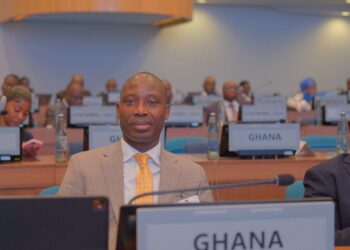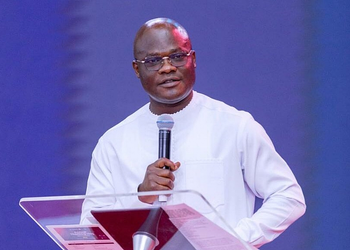
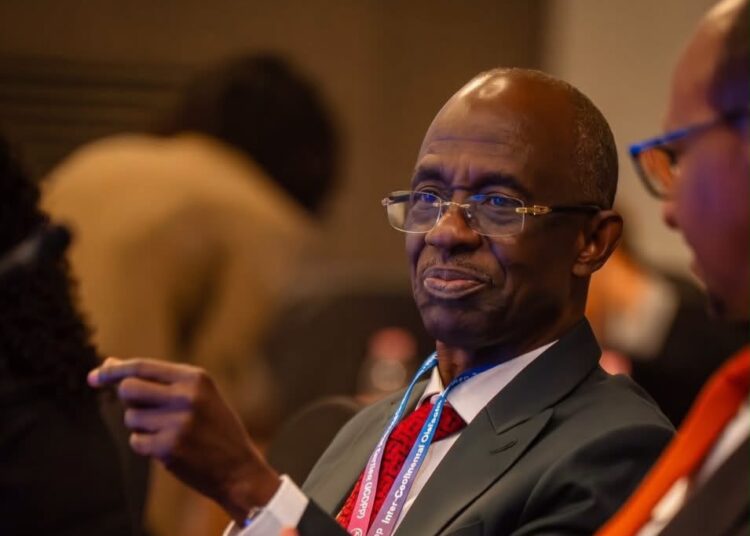
The ruling National Democratic Congress (NDC) National Chairman Johnson Asiedu Nketiah, popularly known as General Mosquito, addressed the inaugural Inter-Continental Dialogue on Political Parties in Seoul, Republic of Korea, on Monday, September 7, 2026, arguing that the quality of any government is determined inside political parties long before candidates ever reach office.
Speaking on behalf of the African Political Parties Initiative, Hon Asiedu Nketiah used the platform to examine a dimension of governance he said is rarely scrutinised directly: the internal culture and standards of political parties themselves, rather than the more familiar terrain of elections, policy platforms or government performance.
Parties Decide Who Gets Opportunity
Hon Asiedu Nketiah framed political parties as the true gatekeepers of governance quality, arguing that the decisions parties make about candidate selection and internal standards shape outcomes long before any vote is cast.
“Political parties are not only built to win elections but to govern effectively,” he said, positioning that distinction as central to his address. He warned that a party’s electoral success does not automatically translate into competent governance if the party neglects the harder task of preparing its people to actually run institutions once in office.
“A party that is excellent at winning elections but unserious about preparing people to govern will discover the cost of that gap later in government,” he said, framing the warning as a caution applicable well beyond any single country or party.
Every Decision Reaches a Family Somewhere
Hon Asiedu Nketiah grounded his argument in the everyday consequences of governance decisions, insisting that policy is never abstract for the people it touches.
“Every decision taken in public office eventually reaches a family somewhere, in the food they can afford, the work they can find, the education available to their children and the dignity with which they are able to live,” he said, a formulation that tied his broader argument about party quality directly to material outcomes in ordinary households.
Hon Asiedu Nketiah offered a definition of leadership legacy centred on what it enables rather than what it accumulates.
“The true legacy of leadership is found in the possibilities it leaves behind, whether people can dream boldly, work with dignity and believe that their children will inherit a better country,” he said, extending his address beyond party mechanics into a broader philosophy of what political power is ultimately meant to achieve.
The Test of a Mature Party
Asiedu Nketiah offered a specific standard for judging when a political party has reached genuine maturity, tying that maturity directly to how a party weighs its own interests against the country’s.
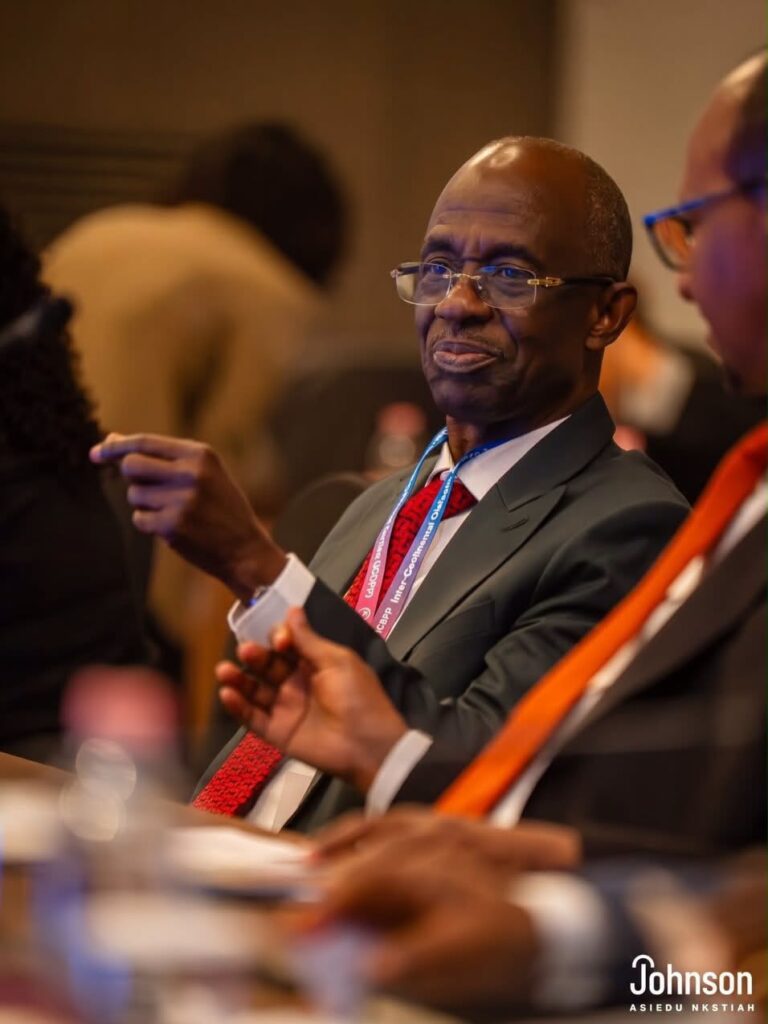
“The maturity of a political party is revealed when the future of the country weighs more heavily on its decisions than the immediate advantage of the party,” he said, a formulation that places long-term national interest above short-term partisan calculation as the defining marker of a serious political organisation.
Hon Asiedu Nketiah pointed to a familiar cycle he said erodes public trust in political institutions more than any single failure: the gap between campaign promises and lived experience.
“Public confidence begins to collapse when people hear the promise of progress in every election but encounter hardship in the ordinary routines of their lives,” he said, identifying repeated disappointment as a structural threat to democratic legitimacy rather than a one-off grievance.
Elections as a Moment, Governance as the Judgement
Hon Asiedu Nketiah closed his central argument by distinguishing between the temporary authority an election grants and the lasting judgement history renders on how that authority was used.
“An election gives a leader a mandate for a moment. The enduring judgement is whether that mandate left the country more secure, more capable and more hopeful about its future.”
NDC National Chairman, Johnson Asiedu Nketiah
That framing tied together the full arc of his address, from the internal discipline of political parties through the everyday impact of governance decisions to the ultimate historical verdict on any leader’s time in office, positioning party readiness to govern as the thread connecting all three.
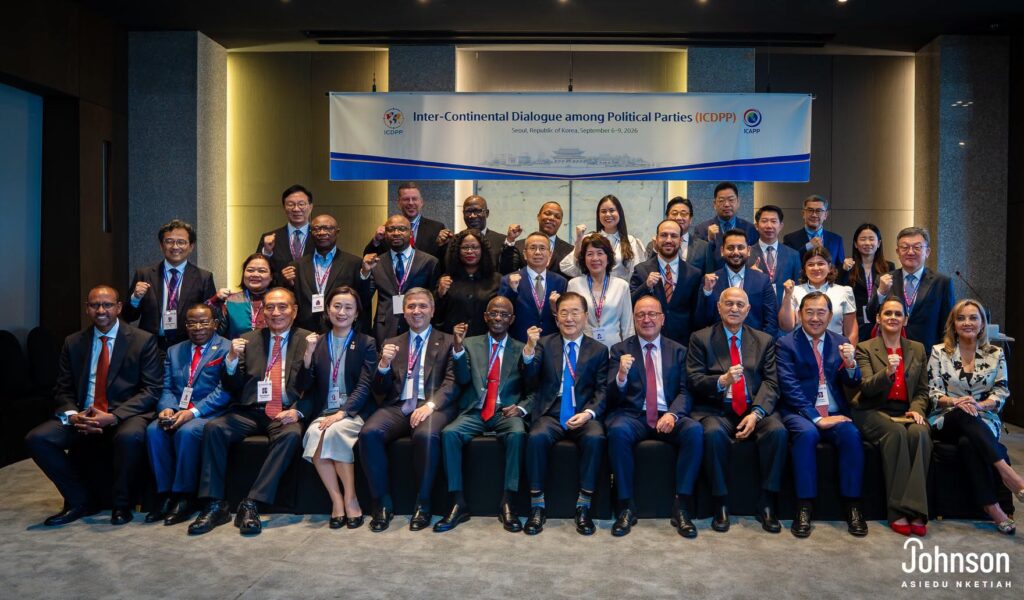
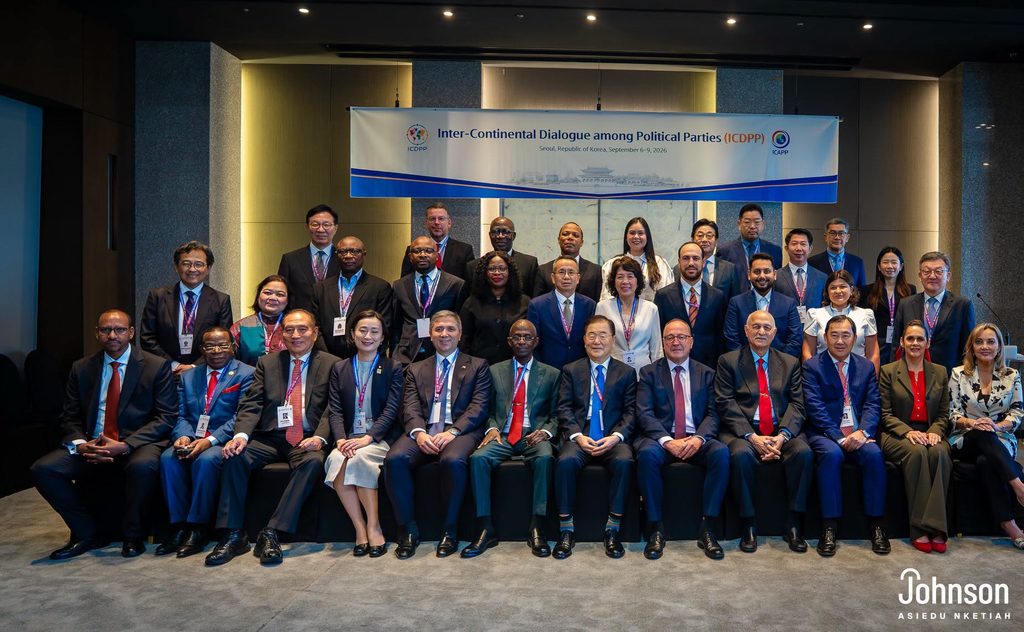
The Inter-Continental Dialogue on Political Parties, held in Seoul on September 7, 2026, brought together political party representatives from across continents for its inaugural session, with Asiedu Nketiah representing the African Political Parties Initiative in a forum designed to exchange perspectives on party governance and democratic practice across different regional contexts.
His remarks positioned Ghana’s own governing party experience within that wider international conversation about what distinguishes parties capable of winning power from those equally capable of exercising it well.
READ ALSO: NDPC Oversight Raises Stakes for Ghana’s US$10bn New Economy