Category: Finance

  • Euromoney Names Access Bank Ghana Best for SMEs

    Euromoney Names Access Bank Ghana Best for SMEs

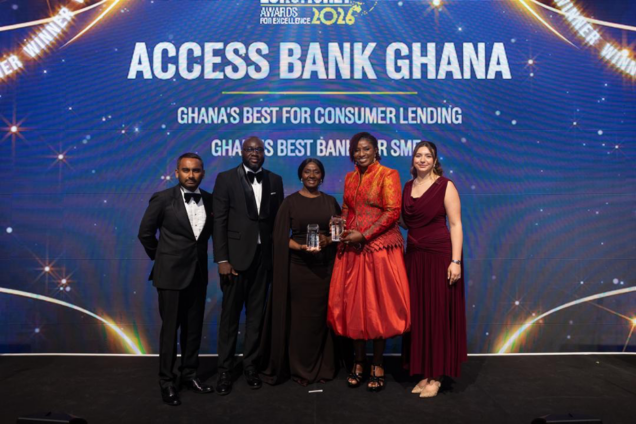
    Access Bank Ghana Plc has strengthened its position as one of Ghana’s leading financial institutions after being named Best Bank for SMEs at the prestigious Euromoney Awards for Excellence 2026. 

    The bank also secured the coveted Best Bank for Consumer Lending award, marking a remarkable double victory that highlights its growing influence in Ghana’s banking sector.

    The international recognition places Access Bank Ghana among the continent’s top performing financial institutions and underscores its unwavering commitment to empowering businesses, supporting individuals and driving economic growth through innovative financial solutions.

    The dual honours formed part of an impressive haul of 16 awards won by the Access Bank Group across its African operations, further cementing the Group’s reputation as one of Africa’s most customer focused banking institutions.

    Global recognition for customer driven banking

    For more than three decades, the Euromoney Awards for Excellence have remained one of the banking industry’s most respected honours. The awards celebrate institutions that demonstrate excellence in leadership, governance, innovation, customer service, strategic execution and long term value creation.

    Winning the Best Bank for SMEs award is particularly significant at a time when small and medium sized enterprises continue to play a vital role in Ghana’s economy. SMEs account for a substantial share of employment and business activity, making access to finance and business support critical to their success.

    Access Bank Ghana’s recognition reflects years of investment in products and services specifically designed to address the unique challenges faced by entrepreneurs and growing businesses.

    Supporting businesses beyond financing

    While access to credit remains essential for business expansion, Access Bank Ghana has adopted a broader strategy that extends well beyond lending.

    The bank has built a robust SME ecosystem through strategic collaborations with organisations including the International Finance Corporation (IFC), DHL Group, Deloitte Ghana and Birmingham City University.

    These partnerships offer entrepreneurs much more than funding. Business owners gain access to advisory services, international trade opportunities, business development programmes, capacity building initiatives and valuable global networks that help them compete in increasingly demanding markets.

    This integrated approach has positioned Access Bank Ghana as a trusted partner for businesses seeking sustainable growth rather than simply a source of financing.

    Innovative products transforming lives

    The bank has continued expanding access to finance through an extensive range of consumer and business lending solutions.

    Its flagship products include Pick Now Pay Later, Pay Day Loan, Retail Personal Loan, Fly Now Pay Later, Mortgage Facility, Auto Loan and tailored SME financing packages.

    These solutions are designed to meet the everyday financial needs of customers while making credit more accessible for individuals, families and businesses across Ghana.

    Whether helping a young professional purchase a first vehicle, supporting a family through an important life milestone or providing entrepreneurs with capital to expand operations, Access Bank Ghana continues to focus on practical financial solutions that create real impact.

    The institution believes banking extends beyond transactions and financial products. Its objective is to empower customers to achieve their personal and business ambitions.

    Board celebrates milestone achievement

    Reacting to the recognition, Board Chair of Access Bank (Ghana) Plc, Ama Bawuah, described the awards as a reflection of the bank’s unwavering commitment to customers and stakeholders.

    She stated, “These awards reflect our unwavering commitment to the customers and businesses we exist to serve. As a Board, we have remained focused on building a strong, well-governed institution that creates sustainable value for all our stakeholders.”

    “We are proud that this recognition affirms not only our strategic direction but also our commitment to supporting Ghanaian families, entrepreneurs and businesses as they pursue their ambitions and contribute to national development.”

    Ama Bawuah

    Her remarks highlight the bank’s emphasis on responsible governance and sustainable growth while maintaining a strong customer focus.

    Customers remain at the centre

    Managing Director of Access Bank (Ghana) Plc, Ms Pearl Nkrumah, said the awards represent much more than corporate success.

    According to her, “Everything we do begins with our customers. Every solution we design, every product we introduce, and every innovation we pursue is driven by one purpose: helping our customers thrive.”

    “Being recognised as Best Bank for Consumer Lending and Best Bank for SMEs is a powerful validation of that commitment and reflects our determination to empower individuals, support businesses, and create opportunities that contribute to Ghana’s economic growth.”

    Ms Pearl Nkrumah

    Expressing appreciation, she said, “We are honoured by this recognition from Euromoney and deeply grateful to our customers for their trust, our partners for their collaboration, and our dedicated colleagues, whose passion, commitment, and unwavering focus on our customers make achievements like this possible.”

    Building the future of Ghana’s banking industry

    The latest honours reinforce Access Bank Ghana’s growing reputation as a financial institution committed to innovation, customer satisfaction and sustainable development.

    Across Africa, the Access Bank Group’s Euromoney Awards recognised excellence in customer experience, SME banking, sustainable finance, digital banking, corporate responsibility and market leadership.

    For Access Bank Ghana, however, the awards represent more than a celebration of past achievements. They provide fresh momentum for the bank to continue introducing innovative financial solutions that respond to the evolving needs of customers and businesses.

    As Ghana’s economy continues to expand and entrepreneurs seek new opportunities for growth, Access Bank Ghana appears determined to remain a trusted financial partner, delivering products, expertise and support that help customers transform ambitions into reality.

  • UMB and Prudential Emerge Stronger After Full Recapitalisation

    UMB and Prudential Emerge Stronger After Full Recapitalisation

    Ghana’s banking sector has received another major boost after the government announced the successful recapitalisation of UMB Bank and Prudential Bank, marking a significant milestone in efforts to strengthen confidence in the country’s financial system.

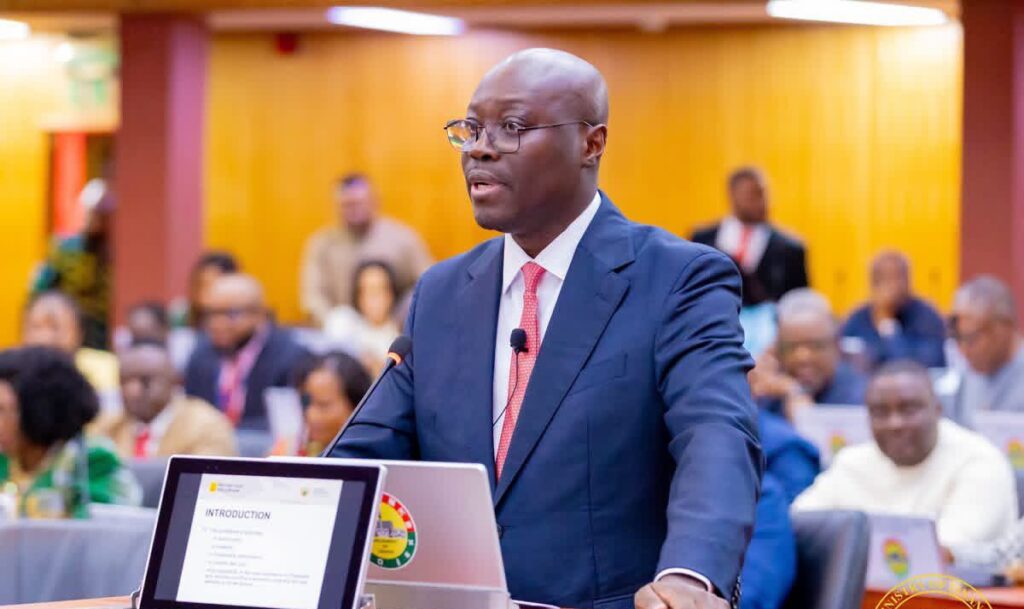
    Presenting the 2026 Mid-Year Budget Review in Parliament, Finance Minister Dr Cassiel Ato Forson disclosed that government interventions, together with private sector participation, have restored the financial strength of key indigenous banks while laying the foundation for a more resilient banking industry.

    The announcement comes at a time when Ghana continues to rebuild its financial sector following the challenges created by the Domestic Debt Exchange Programme and the wider economic crisis. The latest developments are expected to reassure businesses, investors and depositors that the country’s banking system is becoming stronger and better positioned to support economic growth.

    UMB and Prudential Fully Capitalised

    According to the Finance Minister, the government has continued to act decisively to restore confidence in the banking sector.

    He reminded Parliament that the government had already recapitalised the National Investment Bank, the Agriculture Development Bank and the Consolidated Bank.

    “The government acted decisively in July 2025 to restore confidence and stability in Ghana’s banking sector by fully recapitalising the National Investment Bank, the Agriculture Development Bank and the Consolidated Bank.” 

    Finance Minister Dr Cassiel Ato Forson

    The Minister revealed that the latest success involved UMB Bank and Prudential Bank.

    “Last week the Ghana Amalgamated Trust, GAT, completed the full recapitalisation of UMB Bank.”

    Finance Minister Dr Cassiel Ato Forson

    He further explained that the government also “facilitated the full capitalisation of the Prudential Bank through a private sector led approach.”

    These interventions represent another important chapter in Ghana’s efforts to reinforce indigenous banks and ensure they remain competitive in an increasingly demanding financial environment.

    Banks Ready to Serve Customers

    The government believes the recapitalisation exercise has placed both institutions in a strong position to expand lending, improve customer confidence and support economic activity.

    The Finance Minister declared, “UMB and Prudential Bank today stands fully capitalised and primed for business.”

    He also used the opportunity to encourage the public to support the revitalised banks.

    “We want to use this opportunity to encourage individuals, businesses and institutions to take advantage of the revitalised UMB and Prudential Bank and bank with them.” 

    Finance Minister Dr Cassiel Ato Forson

    The statement reflects the government’s confidence that the two banks are now financially stronger and capable of meeting the needs of customers across the country.

    Industry observers believe stronger capital positions will enable the banks to increase financing for businesses, particularly small and medium sized enterprises that continue to drive employment and economic expansion.

    UMB and Prudential Emerge Stronger After Full Recapitalisation
    Minister for Finance, Dr Cassiel Ato Forson

    Bank of Ghana Also Receives Major Support

    The Mid Year Budget Review also highlighted the government’s commitment to restoring the financial health of the Bank of Ghana.

    According to the Minister, the 2023 Domestic Debt Exchange Programme had serious consequences for the central bank’s financial position.

    “The 2023 Domestic Debt Exchange Programme had a significant adverse impact on the Bank of Ghana’s balance sheet, substantially weakening its capital and resulting in a negative net equity position.” 

    Finance Minister Dr Cassiel Ato Forson

    To address the situation, the government and the Bank of Ghana signed a Memorandum of Understanding on January 6, 2025 to gradually restore the institution’s capital.

    The Minister disclosed that the government has already fulfilled a major part of that commitment.

    “The government issued a recapitalisation bond to the Bank of Ghana of $5 billion as Cedis to the Bank of Ghana in March 2026 to strengthen the Bank’s equity base.”

    Finance Minister Dr Cassiel Ato Forson

    The massive capital injection is expected to reinforce the central bank’s financial position while enhancing confidence in Ghana’s monetary authorities.

    Long Term Recovery Strategy Unveiled

    Government has also committed itself to supporting the Bank of Ghana over the coming years until its financial position is fully restored.

    The Finance Minister announced, “Going forward, the Government of Ghana will make annual provision to capitalise the Bank of Ghana until the Bank’s equity is fully restored in accordance with the Bank of Ghana Amendment Act 2025 Act 1158.”

    Beyond financial support, the central bank itself will undertake internal reforms aimed at improving efficiency and long term sustainability.

    The Minister noted that “the Bank itself will undertake a comprehensive operational efficiency review to reduce costs, strengthen financial management and rebuild its long term financial sustainability.”

    These measures are expected to improve operational performance while ensuring the central bank remains financially resilient for years to come.

    Confidence Returns to Ghana’s Financial Sector

    The recapitalisation of UMB Bank, Prudential Bank and the continued strengthening of the Bank of Ghana demonstrate government’s determination to restore stability across the financial sector.

    With stronger banks, renewed investor confidence and sustained regulatory reforms, Ghana’s financial system appears to be entering a new phase of recovery.

    The successful capital restoration of several key institutions also sends a strong signal that authorities remain committed to protecting depositors, supporting businesses and maintaining financial stability.

    As the banking sector continues its transformation, customers, investors and financial markets will closely watch how these revitalised institutions translate their stronger balance sheets into expanded lending, improved services and greater support for Ghana’s economic recovery.

  • BoG Issues Final Warning to Illegal Loan Operators

    BoG Issues Final Warning to Illegal Loan Operators

    The Bank of Ghana (BoG) has sent a strong message to unlicensed Digital Credit Service Providers (DCSPs), warning that regulatory action is imminent against operators that continue to offer digital lending services without obtaining the required licence.

    The warning comes after the expiration of the June 30, 2026 deadline set by the central bank for all existing mobile loan applications and digital credit providers operating without licences to regularise their operations.

    With the grace period now over, the Bank of Ghana says it is preparing to enforce the law against entities that have ignored its directive, marking a significant step in its efforts to strengthen oversight of Ghana’s rapidly growing digital lending industry.

    Deadline Expires as Compliance Window Closes

    In a statement, the central bank made it clear that the period granted for operators to obtain the necessary licences has officially ended.

    According to the Bank of Ghana, any Digital Credit Service Provider that failed to comply with the licensing requirement could face regulatory action under the country’s applicable laws and regulations.

    The announcement signals a tougher regulatory stance aimed at ensuring that every digital lender operating in Ghana meets the standards required to protect consumers and maintain confidence in the financial system.

    The rise of digital lending platforms has made access to credit easier for many Ghanaians. However, concerns have also grown over the activities of unlicensed operators, some of whom have been accused of unfair lending practices, excessive charges, aggressive debt collection methods and misuse of customer data.

    By insisting that all providers become licensed, the central bank hopes to promote responsible lending while creating a safer digital financial environment.

    Public Urged to Deal Only with Licensed Providers

    As part of its latest advisory, the Bank of Ghana has urged members of the public to exercise caution when seeking loans through digital platforms.

    The central bank advised customers to engage only with Digital Credit Service Providers that have been duly licensed by the Bank of Ghana.

    This caution is intended to protect consumers from fraudulent operators and reduce the risks associated with borrowing from unregulated platforms.

    Consumers are encouraged to verify the legitimacy of any digital lender before submitting personal information or accepting loan offers.

    The Bank believes that dealing with licensed providers offers greater protection because such institutions are subject to regulatory oversight and must comply with established operational standards.

    Licensed Providers List to Be Published

    To improve transparency, the Bank of Ghana announced that it will soon publish and regularly update a list of all licensed Digital Credit Service Providers on its official website.

    The publication of this list is expected to make it easier for consumers, businesses and other stakeholders to identify legitimate operators.

    The move will also provide greater visibility for compliant firms while making it more difficult for illegal operators to attract unsuspecting customers.

    Industry observers believe that maintaining a publicly accessible register of licensed providers will strengthen trust in Ghana’s digital credit ecosystem and encourage higher compliance across the sector.

    FAQs Released to Guide the Public

    Recognising that many consumers and operators may have questions about the new regulatory requirements, the Bank of Ghana has also published a comprehensive set of Frequently Asked Questions on its website.

    The FAQs are designed to explain the licensing framework in clear language and help both businesses and customers understand their rights and obligations.

    Among the issues covered are the licensing requirements for Digital Credit Service Providers, the process for verifying licensed operators and the implications for entities that fail to comply with the regulations.

    The guidance also explains what customers should know when dealing with digital lenders and highlights the importance of using only authorised service providers.

    The central bank is encouraging everyone with an interest in digital lending to visit its official website to review the FAQs and stay informed about the latest regulatory developments.

    Strengthening Ghana’s Digital Financial System

    The latest warning reflects the Bank of Ghana’s broader commitment to promoting a secure, transparent and well regulated digital financial sector.

    As digital financial services continue to expand across the country, regulators are increasingly focused on ensuring that innovation is matched with strong consumer protection measures and effective supervision.

    By enforcing licensing requirements, the central bank aims to eliminate illegal operators, improve accountability and create a more trustworthy lending environment for individuals and businesses.

    The expected regulatory action could reshape Ghana’s digital lending sector, encouraging greater professionalism among service providers while protecting consumers from potential abuse.

  • MoMo and GhIPSS Champion National Development by Digitising Informal Transport Payments

    MoMo and GhIPSS Champion National Development by Digitising Informal Transport Payments

    MobileMoney Fintech LTD (MoMo) has launched the Ride with MoMo campaign to support national development by helping commercial drivers transition from cash-based transactions to safer, traceable and more formal digital payment practices.

    Launched in partnership with Ghana Interbank Payment and Settlement Systems (GhIPSS) through the GhQR platform, the campaign began in Accra and continued with a roadshow in Ho, the Volta Regional capital. It brought together ride-hailing drivers, transport unions, the Driver and Vehicle Licensing Authority, the Motor Traffic and Transport Department, the National Communications Authority, financial institutions and other stakeholders to promote the MoMo Merchant Wallet and GhQR as practical tools for bringing transport payments into the formal digital economy.

    Speaking at the launch in Accra, Chief Executive Officer of MobileMoney Fintech LTD, Shaibu Haruna, said the campaign was designed to solve real challenges drivers face in handling cash while helping them build more structured and better-documented businesses.

    “Ride with MoMo is more than convenience. It is about helping drivers separate personal and business income, keep proper records, and build a transaction history that can support future access to financial services,” Mr Haruna said.

    He said the campaign will bring ride-hailing, haulage and Pragya drivers into the MoMo Merchant network, giving them a formal business payment channel through which passengers can pay seamlessly by scanning a GhQR code using the MoMo App or any application that supports GhQR.

    “When passengers pay by scanning a QR code, drivers receive the exact fare instantly. It reduces cash risks, removes the challenge of change and makes daily transactions simpler for both drivers and passengers.” 

    Shaibu Haruna

    The Value of Collaboration 

    Chief Business Officer of GhIPSS, Akosua Blay, said the initiative reflects the value of collaboration in expanding Ghana’s shared digital payment infrastructure to everyday businesses.

    “GhQR gives drivers one simple code through which they can receive payments from bank accounts, mobile money wallets and fintech wallets. This is how we make digital payments practical, inclusive and accessible for small businesses across the country.”

    Akosua Blay

    She added that the partnership with MobileMoney Fintech LTD will help more informal businesses enter formal payment channels and support Ghana’s transition to a more inclusive digital economy.

    A representative of ride-hailing drivers in Accra welcomed the initiative, noting that digital payments would make their work safer and more efficient. “Receiving fares directly into a merchant wallet helps us reduce cash handling, avoid disputes over change and keep better records of our daily sales,” he said.

    In Ho, where the campaign is targeting Pragya riders and other commercial transport operators, a representative of the riders said the solution would help them serve customers who increasingly prefer digital payments. “Many passengers do not always carry cash. With GhQR, they can pay easily, and we can also keep better track of our business,” he said.

    The Ride with MoMo campaign forms part of MobileMoney Fintech LTD’s broader contribution to national development by driving financial inclusion, supporting safer transport payments and helping commercial drivers move from informal cash-based transactions to more structured digital business practices.

  • Banks Dump GH¢883.7 Million in Bad Loans

    Banks Dump GH¢883.7 Million in Bad Loans

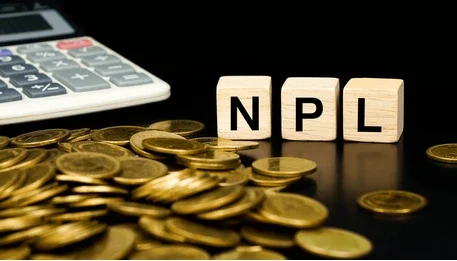
    Ghana’s banking sector has written off a staggering GH¢883.7 million in bad loans within the first four months of 2026, highlighting the enormous cost of loan defaults even as the industry records signs of improving asset quality.

    Fresh figures from the Bank of Ghana’s Domestic Money Banks Income Statement reveal that the amount written off between January and April 2026 represents a sharp 35.1 percent increase compared to the GH¢654.2 million recorded during the same period in 2025. The development underscores the persistent challenges banks continue to face in recovering loans from borrowers despite broader improvements in credit risk indicators.

    The latest data paints a picture of a banking sector that is making progress in cleaning up its balance sheets while simultaneously absorbing significant financial losses from loans that have become virtually impossible to recover.

    Bad Loan Write-Offs Hit Record Levels

    The GH¢883.7 million write-off reflects an aggressive effort by banks to remove defaulted and uncollectable loans from their books. According to the Bank of Ghana, the total provisions made by banks covered loan losses, depreciation, and other related items.

    Loan write-offs are a standard accounting practice used by financial institutions when borrowers fail to repay their obligations over an extended period, typically after more than 180 days of default. Rather than keeping these non-performing assets on their balance sheets indefinitely, banks remove them to present a more accurate picture of their financial health.

    While such write-offs improve the quality of banks’ balance sheets, they also represent real financial losses that can affect profitability and capital levels if they continue to rise.

    The more than GH¢883 million written off within just four months demonstrates the scale of the credit challenges that still exist in parts of Ghana’s economy.

    Asset Quality Shows Encouraging Improvement

    Despite the surge in loan write-offs, the Bank of Ghana’s report also offers encouraging news regarding the overall quality of bank assets.

    The industry’s Non-Performing Loans ratio declined significantly to 18.0 percent in April 2026 from 23.6 percent recorded in April 2025. This marks a substantial improvement in the proportion of loans that have fallen into default.

    The improvement becomes even more pronounced after adjusting for fully provisioned loan losses. Under this measure, the adjusted NPL ratio declined from 9.0 percent a year earlier to just 5.6 percent in April 2026.

    These figures suggest that banks have strengthened their credit risk management practices while actively addressing legacy problem loans that accumulated over previous years.

    For investors and depositors, the declining NPL ratio signals that Ghana’s banking industry is becoming more resilient despite continuing challenges in specific sectors.

    Banks Dump GH¢883.7 Million in Bad Loans

    Total Bad Loans Continue to Decline

    Another positive development emerging from the central bank’s report is the reduction in the total stock of non-performing loans across the banking sector.

    The value of bad loans declined to GH¢20.7 billion in April 2026 from GH¢21.7 billion recorded during the same period last year. Although the reduction may appear modest, it represents meaningful progress considering the difficult operating environment faced by many businesses.

    The decline indicates that banks are gradually recovering from previous credit shocks while strengthening loan recovery efforts and improving lending standards.

    It also reflects the impact of stricter supervision by the Bank of Ghana and more disciplined risk management across financial institutions.

    Private Sector Dominates Loan Defaults

    The report also reveals where the bulk of Ghana’s bad loans are concentrated.

    The private sector continues to account for almost all non-performing loans within the banking industry. According to the data, 98.2 percent of all bad loans originated from private sector borrowers in April 2026, compared to 96.5 percent a year earlier.

    Meanwhile, the share attributed to the public sector declined sharply from 3.5 percent to just 1.8 percent over the same period.

    The figures suggest that while government-related credit exposure has improved, businesses and private borrowers remain the primary source of credit risk for banks.

    Given that private enterprises account for the largest share of total bank credit, the trend is not entirely surprising. However, it reinforces the need for stronger credit assessment, improved financial management among businesses, and enhanced loan monitoring.

    Agriculture Emerges as the Biggest Concern

    Although most sectors experienced improvements in asset quality, one sector continues to raise red flags.

    According to the Bank of Ghana, the agriculture, forestry and fishing sector recorded a worsening loan performance during the review period.

    The sector’s Non-Performing Loans ratio climbed from an already alarming 62.1 percent in April 2025 to an even higher 66.1 percent in April 2026.

    The increase makes agriculture the only major sector where asset quality deteriorated over the past year.

    This trend could reflect several challenges affecting agricultural borrowers, including climate-related risks, rising production costs, fluctuating commodity prices, and limited access to modern farming technologies that affect productivity and repayment capacity.

    The continued deterioration in agricultural loan performance may prompt banks to tighten lending standards for the sector unless additional risk-sharing mechanisms and policy interventions are introduced.

    Banking Sector Balances Recovery with Caution

    Although the surge in loan write-offs may appear alarming, the broader data presents a more balanced outlook for Ghana’s banking industry.

    Banks are actively cleaning up their balance sheets by removing long-standing bad debts while simultaneously recording lower non-performing loan ratios and reducing the overall stock of troubled loans.

    This suggests that financial institutions are becoming more disciplined in managing credit risk, even as they absorb substantial losses from legacy defaults.

    Going forward, maintaining this momentum will require stronger loan recovery strategies, prudent lending practices, and continued improvements in the financial health of businesses across key sectors of the economy.

    The latest figures demonstrate that while Ghana’s banking sector is steadily strengthening, the battle against bad loans is far from over.

  • ADB and GHIB Chart New Frontiers for International Banking and Trade Finance

    ADB and GHIB Chart New Frontiers for International Banking and Trade Finance

    The Agricultural Development Bank PLC (ADB) and Ghana International Bank (GHIB) have reaffirmed their commitment to strengthening cooperation in international banking, trade finance and cross-border financial services to support Ghanaian businesses and accelerate economic growth.

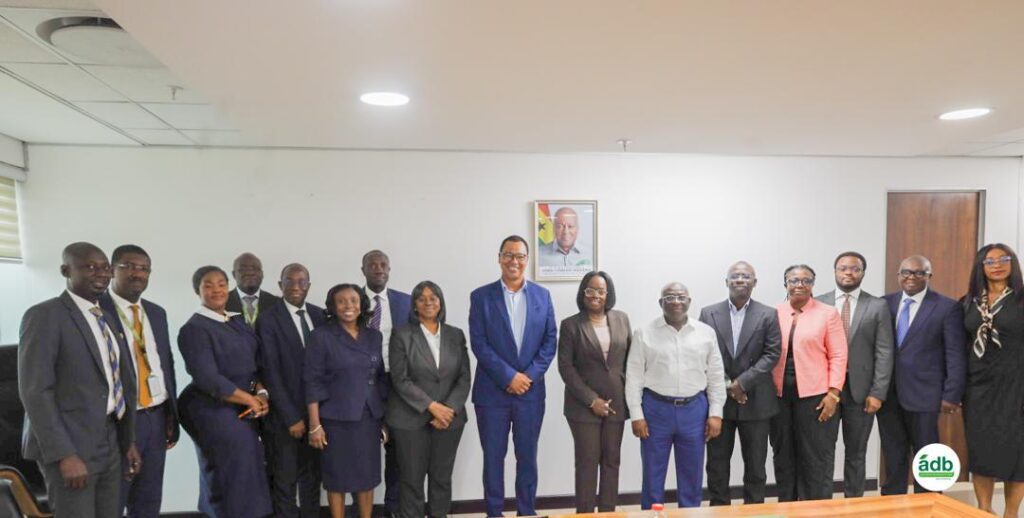
    This followed a courtesy call by the new Managing Director of GHIB, Ian Greenstreet, on the Managing Director of ADB PLC, Edward Ato Sarpong.

    The high-level engagement provided an opportunity for the two institutions to review their existing relationship and explore new areas of collaboration aimed at improving access to international financial markets, facilitating trade transactions and providing innovative funding solutions to businesses.

    Discussions focused on strengthening correspondent banking arrangements, trade finance, treasury services, foreign exchange transactions, international payments, and other financial solutions required to support Ghana’s growing import and export sectors.

    Welcoming the delegation, Mr. Ato Sarpong expressed appreciation to the GHIB Managing Director for the visit and underscored the importance of strategic partnerships between domestic banks and reputable international financial institutions.

    He noted that ADB’s ongoing transformation requires strong partnerships capable of connecting its customers to global markets and providing the financial solutions needed to expand their operations.

    According to him, international banking partnerships are particularly important for businesses operating in agriculture, agribusiness, manufacturing, commodities, infrastructure and other productive sectors of the economy.

    “ADB remains committed to supporting businesses across the entire value chain and creating opportunities that extend beyond Ghana’s borders,” the ADB MD stated. 

    “Our collaboration with Ghana International Bank will strengthen our ability to facilitate international trade, support our customers and provide innovative financial solutions that contribute to sustainable economic growth.” 

    Mr. Ato Sarpong

    He said ADB would continue to leverage strategic relationships with international institutions to improve its service offerings, expand access to global financing and support businesses seeking to participate competitively in regional and international markets.

    Mr. Ato Sarpong further emphasised that the Bank’s renewed strategic direction is focused on building a strong, resilient and customer-centred institution capable of delivering value to shareholders, customers and the wider Ghanaian economy.

    On his part, Ian Greenstreet (GHIB MD) commended ADB for its significant contribution to Ghana’s financial sector and its longstanding role in supporting agribusiness and commercial activities.

    He reaffirmed GHIB’s commitment to working closely with ADB to deepen trade finance cooperation and develop financial solutions that address the evolving needs of businesses.

    Mr. Greenstreet noted that GHIB remains strategically positioned to facilitate trade flows, international payments and investment between Ghana, the United Kingdom and other global markets.

    He indicated that the Bank was prepared to leverage its international network, market expertise and financial capabilities to support ADB’s customers and contribute to the growth of Ghanaian enterprises.

    “We remain committed to working with ADB to provide efficient international banking and trade finance solutions that enable businesses to grow and compete effectively,” the GHIB MD said.

    The courtesy call ended with a shared commitment to translate the discussions into practical initiatives.

    The engagement marks another significant step in ADB’s drive to leverage strategic local and international partnerships that support its ambition of becoming a leading financial institution while delivering on its promise of going beyond traditional banking to create lasting value for customers and the Ghanaian economy.

  • Access Bank Sells Major Stake to Ghanaian Investors

    Access Bank Sells Major Stake to Ghanaian Investors

    Access Bank Ghana has completed a major share transaction that is set to reshape its ownership structure and deepen Ghanaian participation in one of the country’s leading banking institutions.

    The bank has successfully sold 12,085,318 ordinary shares, representing 7.44 per cent of its issued shares, to a diversified group of investors on the Ghana Stock Exchange (GSE). The transaction marks a significant step in strengthening local ownership while improving market liquidity and broadening the bank’s shareholder base.

    The sale, executed by Access Bank PLC, the parent company of Access Bank Ghana, followed all required regulatory approvals, including a no-objection from the Bank of Ghana. The completion of the transaction highlights the growing confidence investors have in Ghana’s financial sector and the long-term prospects of the banking industry.

    Strong Investor Appetite Drives Access Bank Share Sale

    The share sale attracted strong participation from pension funds, institutional investors, and high-net-worth individuals, reflecting renewed interest in Ghana’s capital market.

    Market observers believe the successful transaction demonstrates the increasing appetite among domestic investors for quality financial sector assets. As Ghana’s banking sector continues to recover from previous challenges and adapt to changing market conditions, institutions with strong balance sheets and regional footprints are attracting greater attention from investors.

    Access Bank Ghana’s ability to attract a broad range of investors through the transaction signals confidence in its future growth strategy and its role within Ghana’s financial ecosystem.

    The participation of pension funds is particularly significant as it indicates growing institutional investment in listed equities. Pension fund managers have increasingly sought opportunities that provide sustainable returns while supporting the development of Ghana’s capital market.

    Management Highlights Commitment to Local Ownership

    Commenting on the successful completion of the transaction, the Managing Director of Access Bank Ghana, Ms Pearl Nkrumah, said the move aligns with the bank’s commitment to expanding local participation and creating long-term value for stakeholders.

    “This transaction reflects our continued commitment to deepening local ownership and liquidity in our shares, consistent with the strategic priorities. We remain focused on converting the scale we have built into sustained value for all our stakeholders.”

    Ms Pearl Nkrumah

    The transaction supports Access Bank Ghana’s broader objective of strengthening its connection with local investors while ensuring that more Ghanaians participate in the ownership of a major financial institution.

    By increasing the number and diversity of shareholders, the bank is expected to improve trading activity around its shares and enhance investor engagement on the Ghana Stock Exchange.

    Access Bank Sells Major Stake to Ghanaian Investors
    Pearl Nkrumah, Managing Director, Access Bank (Ghana) Plc

    Boosting Ghana’s Capital Market Development

    The successful completion of the transaction comes at a time when Ghana’s capital market is undergoing renewed growth, driven by increased investor participation and efforts to deepen domestic investment.

    The Ghana Stock Exchange has seen growing interest from institutional and retail investors seeking opportunities beyond traditional investment instruments. The expansion of local ownership in listed companies is considered essential for building a stronger and more resilient capital market.

    Financial sector analysts have noted that transactions such as Access Bank Ghana’s share sale can contribute to increased market confidence by improving liquidity and encouraging more companies to consider the stock market as a platform for raising capital.

    The move also aligns with broader efforts to promote Ghanaian ownership of strategic businesses operating within the country.

    Access Bank Ghana Strengthens Position in Banking Sector

    Access Bank Ghana remains one of the key players in the country’s banking sector, offering a wide range of services to corporate institutions, businesses, retail customers, and public sector organisations.

    As a member of the Access Group, one of Africa’s largest banking groups, the bank benefits from regional expertise, international networks, and financial strength.

    The institution has continued to invest in expanding its operations, improving customer experience, and delivering innovative banking solutions to meet the evolving needs of customers.

    The latest share transaction further reinforces the bank’s position as a major financial institution committed to growth and stakeholder value creation.

    IC Securities Facilitates Strategic Transaction

    IC Securities served as the adviser and executing broker for the transaction, supporting the successful completion of the share sale.

    The involvement of a local investment firm highlights the important role Ghana’s capital market institutions play in facilitating major investment activities and connecting businesses with investors.

    With increased participation from domestic investors, the transaction is expected to contribute to greater activity on the Ghana Stock Exchange while strengthening Access Bank Ghana’s relationship with its shareholders.

    The successful sale of the 7.44 per cent stake represents more than a change in ownership structure. It reflects a growing movement toward stronger local participation, deeper capital markets, and increased confidence in Ghana’s banking sector.

    As investors continue to seek opportunities in high-performing institutions, Access Bank Ghana’s latest milestone positions the bank for further growth while reinforcing its commitment to creating sustainable value for shareholders and customers.

  • BoG Applauds IMF, World Bank for Banking Transformation

    BoG Applauds IMF, World Bank for Banking Transformation

    The Bank of Ghana (BoG) has praised the International Monetary Fund (IMF), the World Bank, and other international development partners for playing a crucial role in transforming Ghana’s rural banking sector into what is now known as Community Banking.

    The recognition comes as the Central Bank intensifies reforms aimed at strengthening financial inclusion, improving local financial intermediation, and positioning community banks as powerful engines of economic development across the country.

    The First Deputy Governor of the Bank of Ghana, Dr. Zakari Mumuni, described Ghana’s rural banking story as one of the nation’s greatest achievements in expanding access to financial services.

    According to him, the evolution of rural banks into community banks represents far more than a simple change in identity. It reflects a renewed commitment to empowering local economies, supporting businesses, and bringing formal financial services closer to millions of Ghanaians.

    Community Banking Celebrated as a National Success Story

    Dr. Mumuni stressed that financial inclusion in Ghana cannot be discussed without acknowledging the enormous contribution made by rural banks over the past five decades.

    He described the sector as one of the country’s most successful financial innovations, noting that it has consistently provided banking services to communities that traditional commercial banks have often struggled to reach.

    According to him, Ghana now boasts one of the largest and most vibrant community banking sectors on the African continent, making it a model for inclusive finance across the region.

    “We can confidently say that this sector has come of age and there couldn’t have been an appropriate moment to undertake the transition from rural banking to community banking,” he said.

    His remarks reinforce the Central Bank’s conviction that community banks will play an even greater role in supporting local enterprises, agriculture, small businesses, and household savings in the years ahead.

    More Than a New Name

    The Bank of Ghana has consistently maintained that the transition from rural banks to community banks is part of a broader strategy to deepen financial inclusion while modernising the microfinance landscape.

    The reform is backed by the Guidelines on the Revised Microfinance Sector Framework 2026, which seeks to strengthen governance, improve operational standards, and build more resilient financial institutions capable of serving communities effectively.

    Dr. Mumuni explained that the transformation should not be viewed as a cosmetic exercise. “This is more than a change of name, but rather a renewal of purpose,” he stated.

    He noted that the reforms are designed to strengthen institutions, improve business models, enhance operational efficiency, and expand economic opportunities for communities across Ghana.

    The Central Bank believes stronger community banks will accelerate local development by mobilising savings, expanding access to credit, supporting entrepreneurship, and stimulating economic activity at the grassroots.

    Deadline Set for Nationwide Transition

    As part of the regulatory reforms, the Bank of Ghana has directed all existing rural banks to complete their statutory name changes, corporate rebranding exercises, and every required regulatory alignment by the end of December 2026.

    The transition is expected to create a unified identity for the sector while reflecting the broader role these institutions now play beyond serving only rural communities.

    Industry observers believe the move will also strengthen public confidence, attract new customers, and position community banks to compete more effectively within Ghana’s evolving financial system.

    The rebranding is expected to be accompanied by improvements in governance, technology adoption, customer service, risk management, and operational efficiency.

    IMF and World Bank Earn BoG’s Praise

    A major highlight of Dr. Mumuni’s address was his recognition of the international institutions that have supported Ghana’s financial sector reforms over the years.

    He singled out the IMF, the World Bank, and the German Development Corporation for their unwavering support in strengthening community banking across the country.

    According to him, their contributions have extended well beyond financial assistance.

    “They walked this journey with us through financial support, technical assistance, institutional capacity building, and policy development,” Dr. Mumuni stated.

    He emphasised that these collaborative efforts have significantly improved the resilience and effectiveness of Ghana’s community banking sector.

    Their technical expertise and sustained engagement have helped build stronger institutions capable of delivering essential financial services to underserved populations while promoting sustainable economic development.

    A Stronger Future for Financial Inclusion

    The Bank of Ghana, meanwhile, remains optimistic that the transition to community banking will unlock new opportunities for individuals, businesses, and local economies.

    Dr. Mumuni expressed confidence that stronger partnerships with development institutions will continue to support innovation, institutional growth, and broader financial inclusion across the country.

    He concluded by acknowledging that the contributions of Ghana’s development partners have been instrumental in shaping the sector’s impressive journey over the past five decades.

    As community banking enters a new era, the Central Bank believes the reforms will not only modernise financial institutions but also strengthen the foundations for inclusive growth, community development, and long term economic prosperity throughout Ghana.

  • Government Extends Bank of Ghana Recapitalisation Into 2027

    Government Extends Bank of Ghana Recapitalisation Into 2027

    The government has announced plans to introduce another budgetary allocation in the 2027 Budget to continue the recapitalisation of the Bank of Ghana (BoG), signalling a renewed commitment to rebuilding the financial strength of the central bank after recent balance sheet pressures.

    The announcement, made by Deputy Finance Minister Thomas Nyarko Ampem, highlights the government’s determination to implement a long-term recapitalisation strategy expected to run until 2032.

    According to Mr. Ampem, the move forms part of a broader economic reform agenda designed to protect the independence of the Bank of Ghana, strengthen confidence in monetary policy and support Ghana’s ongoing economic recovery.

    Speaking during the official transition of Rural and Community Banks into Community Banks, the Deputy Finance Minister said the government believes a financially strong central bank remains critical to maintaining economic stability.

    Government Targets Stronger BoG Balance Sheet

    The Bank of Ghana has faced significant financial challenges in recent years, including losses that weakened its capital position and raised concerns about the institution’s balance sheet strength.

    In response, the government has launched a phased recapitalisation programme aimed at restoring the central bank’s financial capacity.

    Mr. Ampem disclosed that the first major step was taken in March 2026 when the government issued a GH¢5 billion bond to support the recapitalisation exercise.

    “Government has backed that commitment with action. In March this year, government issued a GH¢5 billion bond for the recapitalisation of the Bank of Ghana,” he stated.

    He explained that the bond issuance represents the beginning of a wider strategy that will involve continued financial support through successive national budgets.

    The Deputy Finance Minister stressed that the programme will continue until the Bank of Ghana’s financial position is fully restored by 2032.

    2027 Budget To Provide Additional Support

    The government’s latest announcement means the 2027 Budget will include another allocation specifically targeted at strengthening the central bank.

    “In next year’s budget, we will make another allocation to further recapitalise the central bank,” Mr. Ampem revealed.

    The planned allocation demonstrates government’s commitment to ensuring that the Bank of Ghana has adequate financial resources to execute its mandate effectively.

    A stronger balance sheet is expected to improve the central bank’s ability to manage monetary policy operations, respond to economic shocks and maintain confidence among investors and financial market participants.

    Economic Stability Gains Boost Government Confidence

    Mr. Ampem said Ghana’s economic fundamentals are showing signs of improvement, crediting stronger coordination between fiscal authorities and the central bank for recent gains.

    He noted that improved cooperation between the Ministry of Finance and the Bank of Ghana has helped reinforce macroeconomic stability through disciplined fiscal management and a supportive monetary policy direction.

    “Ghana’s economic fundamentals are strengthening. Improved coordination between the Ministry of Finance and the Bank of Ghana has reinforced macroeconomic stability through disciplined fiscal policy and a complementary monetary policy stance.”

    Thomas Nyarko Ampem

    The Deputy Finance Minister explained that government’s fiscal discipline, combined with monetary policy measures by the central bank, has helped reduce economic pressures following a difficult period marked by high inflation, exchange rate volatility and fiscal constraints.

    Central Bank Independence Remains Key Priority

    The recapitalisation programme is not only focused on improving the Bank of Ghana’s finances but also on strengthening confidence in the institution’s independence.

    A financially stable central bank is considered essential for effective monetary policy implementation, particularly in maintaining price stability and managing inflation expectations.

    Mr. Ampem argued that restoring the central bank’s financial strength will help safeguard Ghana’s financial sector and improve investor confidence.

    He added that a stronger Bank of Ghana will be better positioned to promote a sound financial system and support sustainable economic growth.

    Community Banking Reforms Take Centre Stage

    The announcement came during Ghana’s 50th anniversary celebration of rural banking, which also marked the official conversion of Rural and Community Banks into Community Banks.

    The reform, introduced under a new regulatory framework by the Bank of Ghana, is expected to modernise the operations of community-based financial institutions across the country.

    The transition aims to improve governance structures, strengthen operational efficiency and expand access to financial services, especially in communities that remain underserved by traditional banking institutions.

    Community Banks are also expected to play a greater role in supporting agriculture, small businesses and local economic development.

    The government believes the reforms will deepen financial inclusion and create stronger financial institutions capable of contributing to grassroots economic transformation.

    Long Road Ahead For BoG Recovery

    The continued recapitalisation of the Bank of Ghana represents one of the government’s major financial sector interventions aimed at restoring confidence after years of economic difficulties.

    With additional allocations planned beyond 2026, authorities are signalling that rebuilding the central bank’s financial foundation will require sustained commitment and careful implementation.

    As Ghana continues its economic recovery programme, the strength of the Bank of Ghana will remain central to efforts to maintain inflation control, protect financial stability and support long-term growth.

    The 2027 Budget allocation is therefore expected to become another significant milestone in the government’s broader mission to restore the central bank’s resilience and credibility.

  • BoG Hails Community Banking’s 50-Year Success Story

    BoG Hails Community Banking’s 50-Year Success Story

    The Governor of the Bank of Ghana (BoG), Dr Johnson Pandit Asiama, has praised Ghana’s community banking model as one of the country’s greatest financial inclusion success stories, crediting it with transforming the lives of millions of Ghanaians over the past five decades.

    Speaking at the Rural Banking@50 celebration and Transition to Community Banking event held at Bank Square in Accra on Thursday, July 16, Dr Asiama said community banking has become a powerful tool for reducing poverty, supporting entrepreneurship and bringing financial services closer to ordinary citizens.

    According to him, expanding financial inclusion remains central to Ghana’s economic development agenda because greater access to banking services empowers individuals and businesses to improve their livelihoods.

    “It is well established that improving access to finance across the population helps lift people out of poverty. That is why the concept of bringing banking to the doorstep of ordinary people remains as relevant today as it was 50 years ago.” 

    Dr Johnson Pandit Asiama

    From Rural Banking to a National Movement

    Dr Asiama explained that the rural banking concept was introduced in 1976 to bridge a major gap in Ghana’s financial system at a time when thousands of farmers, traders and small business owners had little or no access to formal banking services.

    He noted that before rural banks were established, many cocoa farmers, artisans and market women lived several kilometres away from the nearest commercial bank, forcing them to rely on informal methods of saving and borrowing.

    “A farmer could produce crops that earned foreign exchange for the country and still live a day’s journey from the nearest banking counter. A trader could feed an entire town and yet remain invisible to the financial system.” 

    Dr Johnson Pandit Asiama

    Rather than extending commercial bank branches into rural communities, Ghana adopted a unique model that allowed communities to establish and own their own financial institutions.

    “The rural banking programme did not propose sending banks into communities. It proposed that communities should own their own banks,” Dr Asiama explained.

    He added that the Bank of Ghana supported the initiative by providing seed capital for many of the early institutions while also creating the regulatory framework that enabled them to operate effectively.

    Nyakrom Sparked a Financial Revolution

    The Governor traced the origins of the movement to Nyakrom in the Central Region, where Ghana’s first rural bank was established.

    He said what began as a bold decision by one community has evolved into a nationwide network that continues to play a critical role in Ghana’s financial system.

    “What we are celebrating today began with one community deciding to own its own bank. Everything else, the 147 institutions, the more than eight million customers and the nationwide presence, grew from that single decision.”

    Dr Johnson Pandit Asiama

    The success of the Nyakrom initiative inspired many other communities to establish their own banks, creating opportunities to mobilise local savings while financing agriculture, trading and small businesses across the country.

    Supporting Farmers, Traders and Small Businesses

    Dr Asiama highlighted the important role community banks have played in supporting Ghana’s agricultural sector, particularly during the introduction of the Ghana Cocoa Board’s Akuafo Cheque Scheme in the 1980s.

    He explained that community banks enabled cocoa farmers to cash their payment cheques within their own communities instead of travelling long distances to commercial banks.

    Beyond agriculture, the institutions also provided banking services to traders, artisans and households, allowing families to save securely, finance children’s education and invest in expanding their businesses.

    According to him, the establishment of the Association of Rural Banks and later ARB Apex Bank further strengthened the industry by providing operational support and connecting community banks to the broader financial system.

    An Industry Built on Trust

    Today, Ghana’s community banking sector has grown into a formidable financial network.

    Dr Asiama revealed that there are currently 147 licensed community banking institutions operating close to 1,000 branches nationwide. Together, they serve more than eight million customers and hold assets valued at approximately GH¢26 billion as of June this year.

    “The numbers are significant, but they represent much more than institutional growth. They demonstrate that the original idea worked.” 

    Dr Johnson Pandit Asiama

    Despite these impressive achievements, the Governor acknowledged that the sector has experienced setbacks over the years, particularly governance failures that resulted in the collapse of some institutions.

    “When a community bank failed, the loss was not simply recorded in a supervisory report. It affected people’s savings, their confidence and the trust they had placed in an institution carrying the name of their own community.”

    Dr Johnson Pandit Asiama

    He indicated that these experiences have informed ongoing reforms by the Bank of Ghana to strengthen governance and ensure the long-term sustainability of community banking.

    Honouring the Visionaries

    Dr Asiama paid tribute to individuals whose vision laid the foundation for Ghana’s community banking success.

    He recognised the late Dr Amon Nikoi, former Governor of the Bank of Ghana, for championing the rural banking concept in 1976 and helping reshape access to financial services across the country.

    He also honoured the late Mr Emmanuel Asiedu-Mantey, former Head of Banking Supervision at the central bank, describing him as one of the strongest advocates for community banking.

    The Governor recalled that Mr Asiedu-Mantey was his first supervisor when he joined the Bank of Ghana over three decades ago and later chaired the committee established in 2016 to review the rural banking framework.

    Although implementation of the committee’s recommendations was delayed, Dr Asiama disclosed that he revived the reform proposals after returning as Governor last year.

    “I wanted us to honour a man who devoted much of his professional life to strengthening community banking in Ghana,” he said.

    A New Era for Community Banking

    Looking ahead, Dr Asiama said the transition from rural banking to community banking reflects the changing nature of Ghana’s economy while preserving the original mission of serving local communities.

    He reaffirmed the Bank of Ghana’s commitment to ensuring that community banks continue to expand financial inclusion, support entrepreneurship and contribute meaningfully to national development.

    “The purpose remains the same: ensuring that ordinary Ghanaians have access to the financial services they need to improve their lives and contribute to economic growth.” 

    Dr Johnson Pandit Asiama