Category: UK

  • UK Prime Minister Opens No 10 North

    UK Prime Minister Opens No 10 North

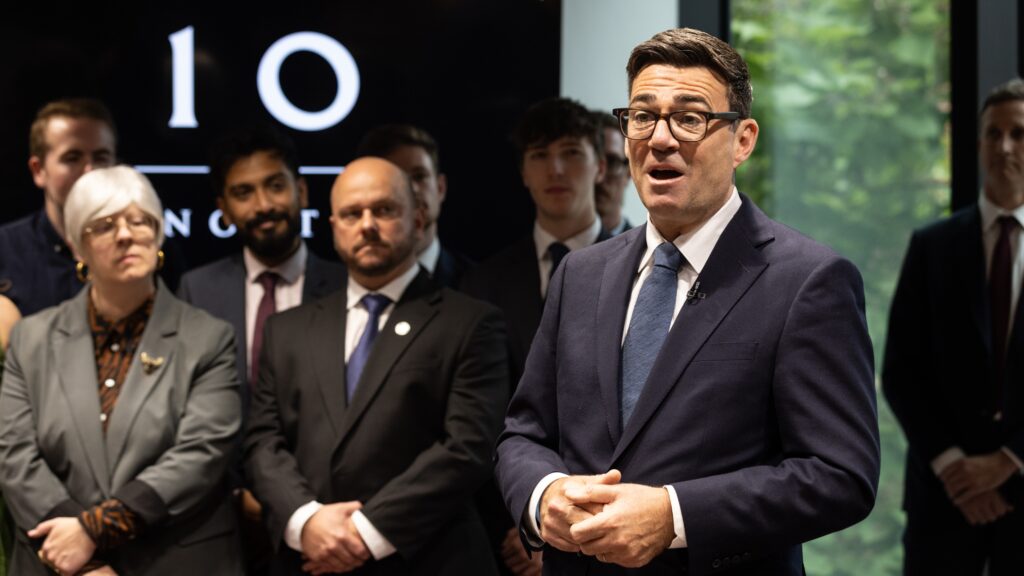
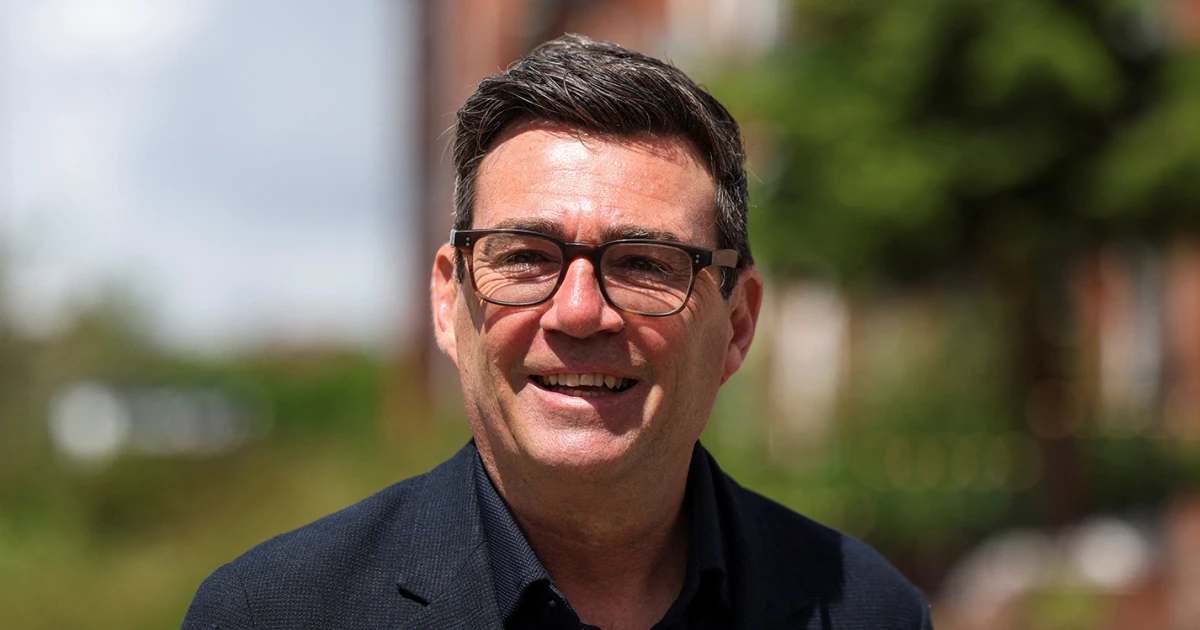
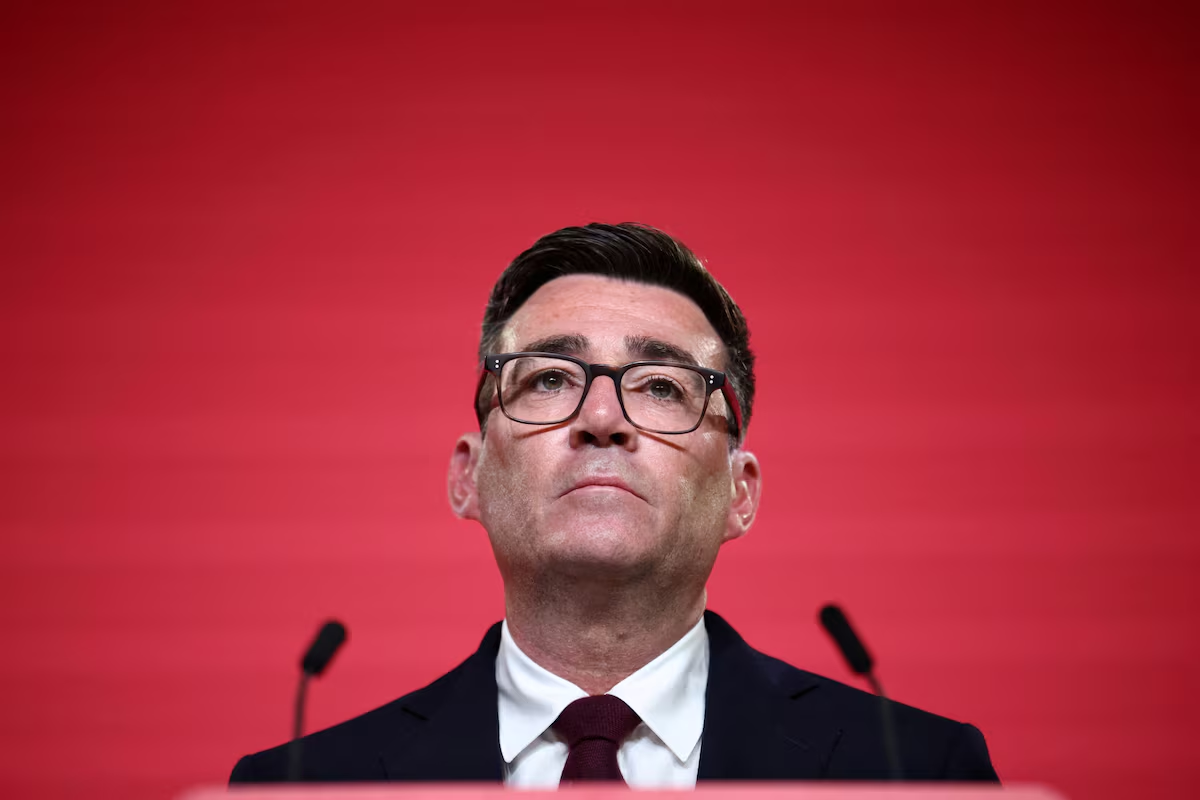
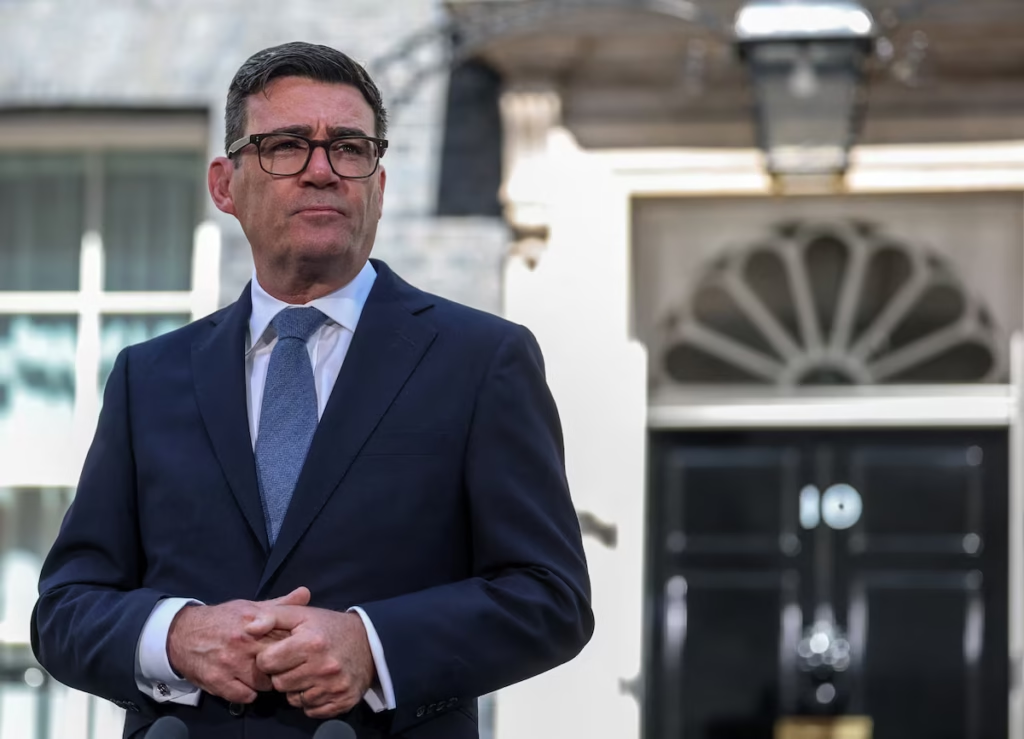
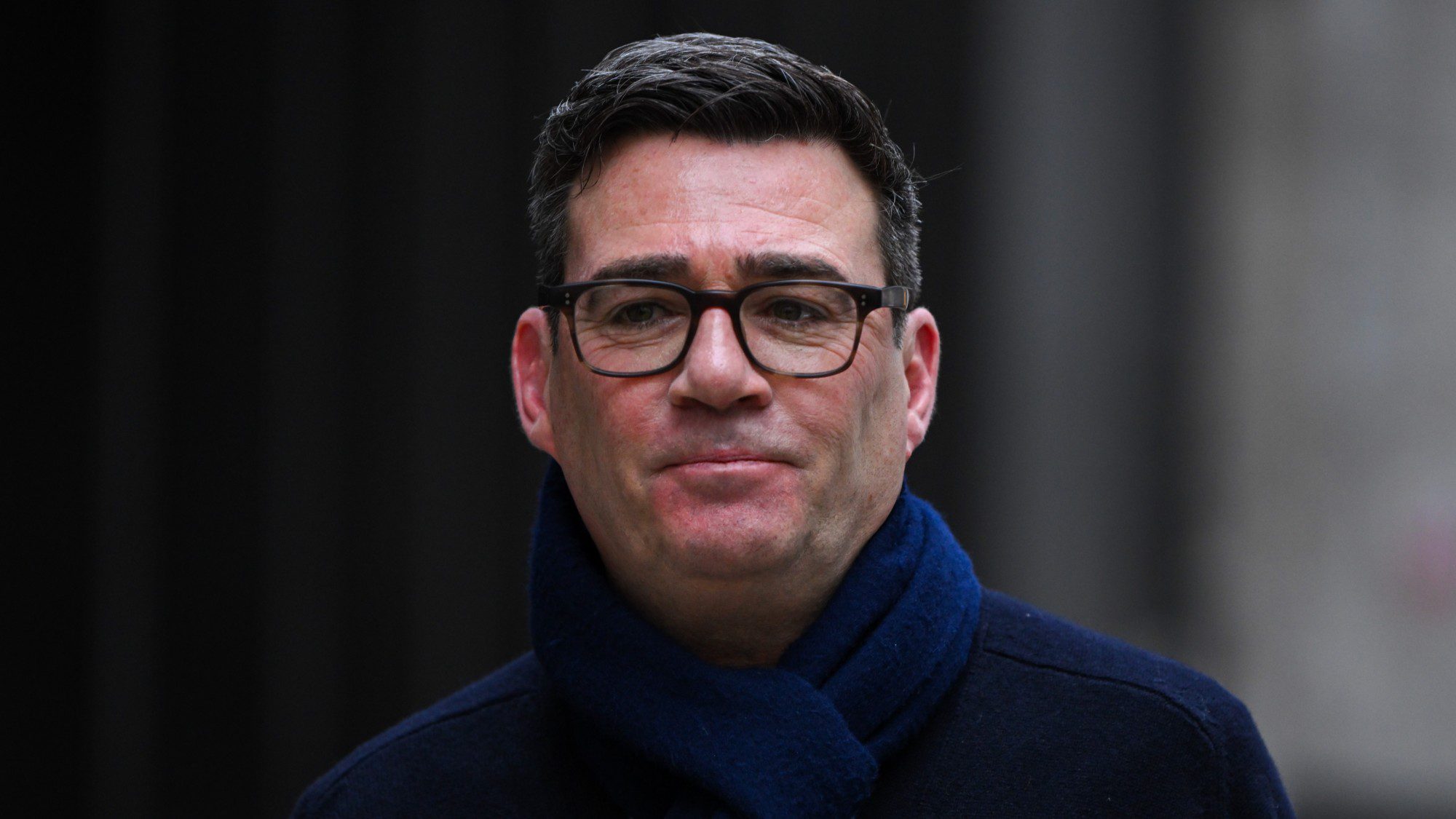
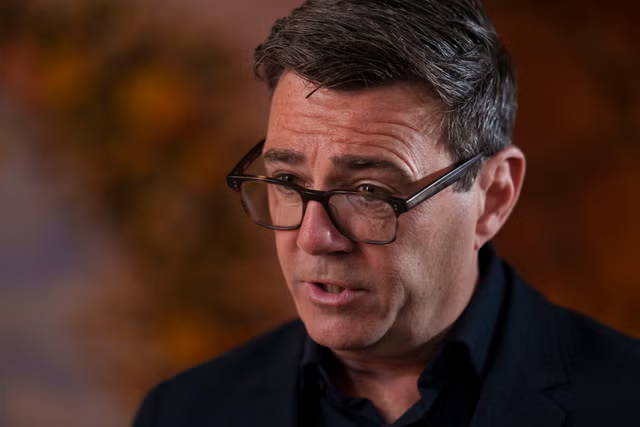
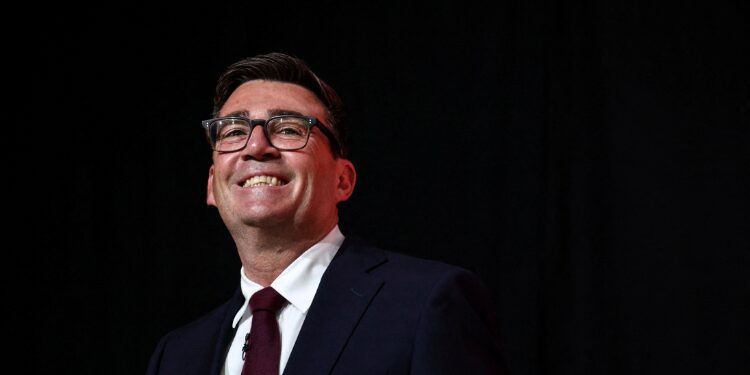
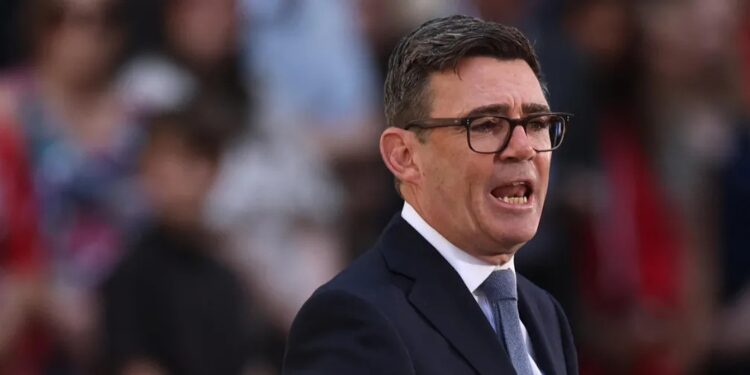
    UK Prime Minister, Andy Burnham has officially opened No 10 North in Manchester, describing the new government hub as a landmark step in his plan to redistribute political and economic power away from Westminster and deliver “growth in every corner of the country.”

    The opening of No 10 North, a satellite branch of Downing Street based in north-west England, marks one of the flagship initiatives of Burnham’s new Labour administration.

    The office is intended to bring senior government decision-making closer to communities outside London, reinforcing the Prime Minister’s long-standing commitment to devolving powers to regions and nations across the United Kingdom.

    According to the UK Prime Minister, the project signified considerably more than just a symbolic shift of government activities. Instead, it marks the start of a major shift in how Britain is governed, with more power being shifted from Whitehall to regional authorities.

    “It’s not just a new office. Through this place power is going to flow, energy is going to flow, new ideas are going to come through.”

    Andy Burnham

    The Prime Minister argued that successive governments had concentrated too much political influence in London, making it harder for communities elsewhere to shape national policy or secure investment tailored to local needs.

    According to Burnham, establishing No 10 North demonstrates his government’s determination to rebalance the country’s political landscape, noting that, “No 10 North is going to take that up to the next level.

    UK Prime Minister Andy Burnham

    The Prime Minister emphasised that, he understood that negotiations with London had been difficult in the past and ‘sometimes it’s felt like an argument with people in the centre of government’ due to the balance of power.

    “It’s sending a message to everybody here who has come in to No 10 North in its early days that you’ve got the full support of government from the very top – Prime Minister, Chancellor, first Secretary of State, that’s a very powerful message that we’re sending today, that the political commitment is there.”

    Andy Burnham

    Burnham stressed that the initiative was designed to benefit the entire United Kingdom rather than simply northern England, insisting that every region and nation would benefit from decisions being made closer to local communities.

    “There’ll be many voices out there, I can hear them all already, often London based, but not exclusively. They like to say, ‘Oh, this will just be the new levelling up, or another sort of short-lived gimmick’, and they’ll also say ‘What’s it going to cost?’”

    Andy Burnham

    He added, what does it cost for everybody to troop down to London every time there’s a meeting when you need to make an argument about something? What does that cost? So actually, isn’t it better that we have a North Pole that balances the South Pole of our country, where power will always be concentrated?”

    Opposition Questions Cost as Burnham Defends Decentralisation
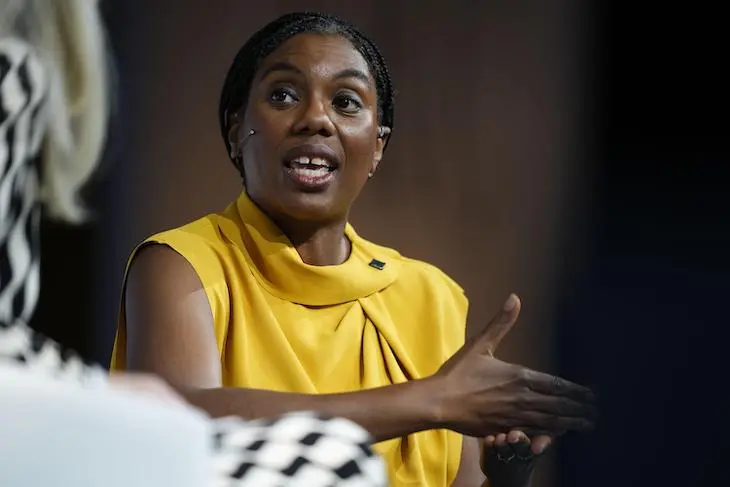
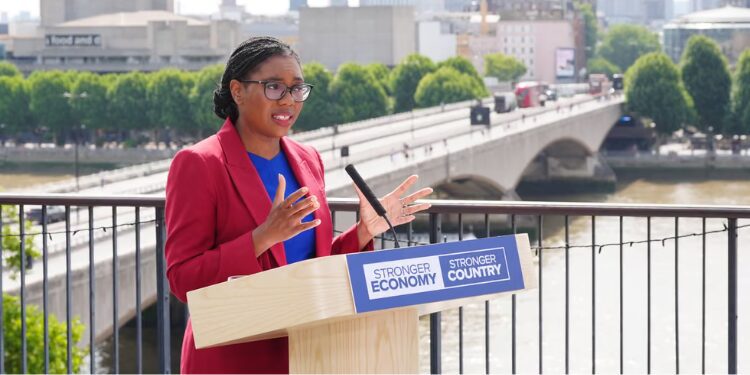
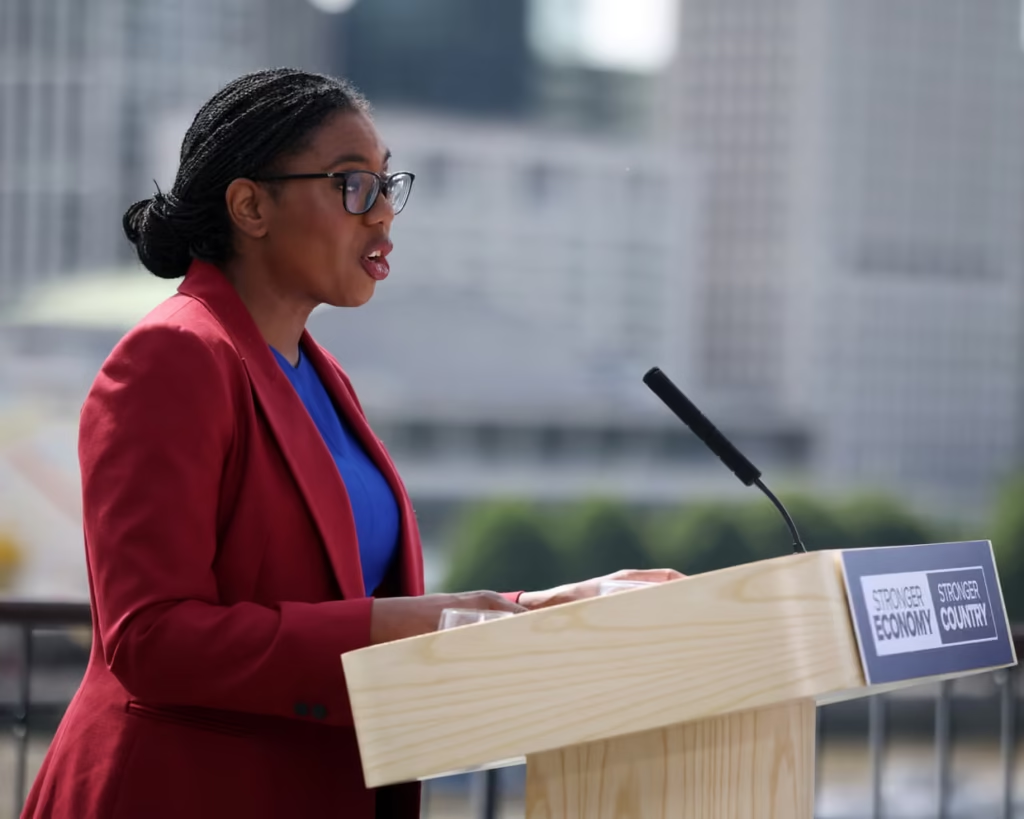
    Conservative Party leader Kemi Badenoch

    While the government has presented No 10 North as a major constitutional reform, opposition parties have questioned whether the new office will genuinely improve decision-making or simply create another layer of government bureaucracy.

    Conservative Party leader Kemi Badenoch dismissed the initiative as a political stunt.

    “No 10 North” was a “gimmick” she said, arguing that “it does not make decision-making any better, it’s just creating another branch of the civil service in a different place.

    Kemi Badenoch urged Burnham to focus on broader economic transformation rather than localised initiatives.

    “But he’s mostly talking about the little things bus fares. He’s not talking about AI, he’s not talking about how we create jobs.”

    Kemi Badenoch

    She also questioned the financial implications of the new office, indicating that any future Conservative government would first examine its costs before deciding whether to retain it.
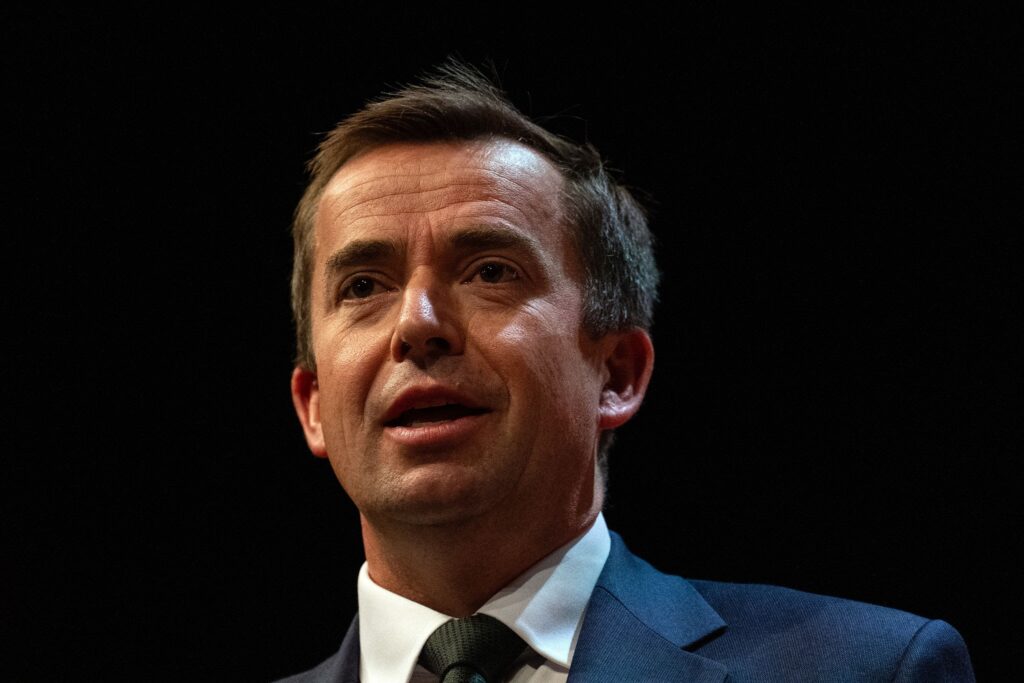
    Liberal Democrat MP Calum Miller

    Moreover, Liberal Democrat MP Calum Miller also called for the Manchester office to demonstrate tangible national benefits rather than serving as a convenient regional workplace for ministers.”

    He stated that No 10 North must be “more than just a convenient Friday working from home base for him and other Manchester MPs.”

    “He needs to demonstrate it’s more than just that and that this represents something for the whole country  that rural and coastal communities that have been really left behind are actually part of his plan for decentralisation.”

    Calum Miller

    The new government hub will initially operate from Heron House in central Manchester, a building shared with intelligence agencies, while a permanent government complex is being constructed in the Ancoats district.
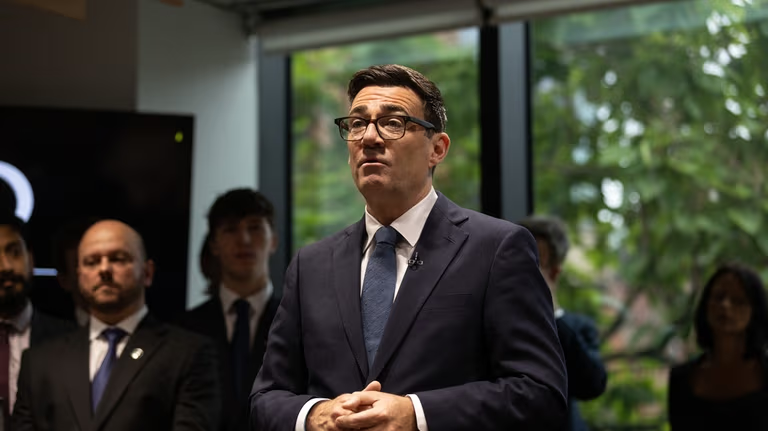
    UK Prime Minister Andy Burnham

    UK Prime Minister Andy Burnham is expected to work regularly from Manchester. Under the new arrangements, No 10 North will take on more responsibility for strategic devolution and regional economic growth decisions, while the Treasury and the Ministry of Housing, Communities, and Local Government will continue to contribute to policymaking.

    The establishment of No 10 North builds on broader efforts by successive British governments to decentralise the civil service. Recent figures indicate that only around one in five civil servants is now based in London, with the number continuing to decline as departments expand their presence across the country.

    For Burnham, however, the Manchester office represents more than relocating officials. It is intended to become the centrepiece of a wider effort to reshape Britain’s governance by ensuring that decisions affecting local communities are increasingly made closer to the people they impact.

    Whether No 10 North becomes a lasting symbol of constitutional reform or, as critics suggest, an expensive political experiment will depend largely on its ability to deliver the regional growth and stronger local decision-making that the Prime Minister has promised.

  • UK Takes Command of Multinational Force for Post-War Ukraine

    UK Takes Command of Multinational Force for Post-War Ukraine

    UK has taken command of the multinational force that would deploy to Ukraine after hostilities end, as Britain strengthens its role in preparing long-term security arrangements for Kyiv following Russia’s ongoing aggression.

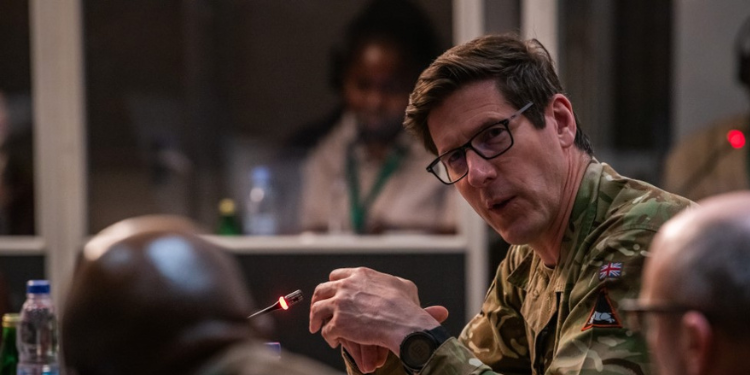
    At a formal ceremony in Paris, a senior British Officer, Lieutenant General Tom Bateman assumed leadership of the Multinational Force Ukraine (MNF-U), taking over from his French counterpart.

    The transfer of command comes as Britain reaffirms its commitment to Ukraine and its leadership role within the Coalition of the Willing, a group of international partners working to establish credible security guarantees for Ukraine once active fighting comes to an end.

    The MNF-U is designed to operate in a post-conflict environment, supporting Ukraine’s ability to defend its sovereignty while helping rebuild its armed forces and restore confidence among citizens, investors and international partners.

    According to Lieutenant General Tom Bateman, assuming leadership of the MNF-U at its Paris-based Operational Headquarters is “a privilege.”

     “Building on the excellent work of my predecessor and his multinational team, we will continue to work closely with our Ukrainian and international partners to prepare a force that will help support a just and lasting peace in Ukraine.”

    Lieutenant General Tom Bateman

    The appointment follows commitments made by leaders of the Coalition of the Willing, who confirmed that the MNF-U would conduct exercises in the coming months to demonstrate its readiness to operate once hostilities cease.

    British officials noted that the force represents a major part of efforts to ensure that any future peace agreement is supported by practical security measures rather than relying solely on diplomatic commitments.

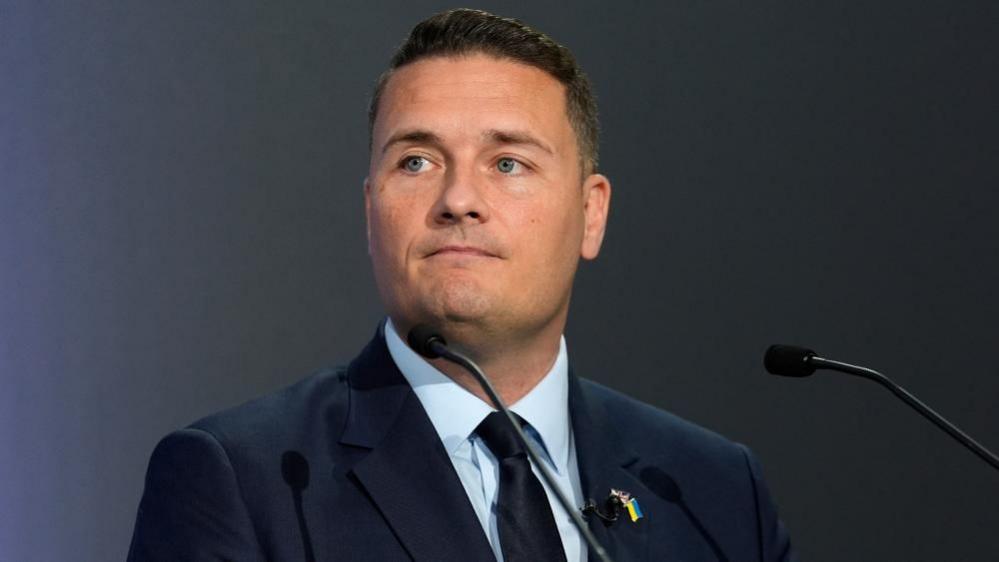
    According to Defence Secretary Wes Streeting, Britain’s support for Ukraine would continue both during the conflict and in preparations for a future peace.

    UK Defence Secretary, Wes Streeting

    “The frontline in Ukraine is the frontline for our freedom and democracy. Our commitment to supporting Ukraine both in the fight now, and in preparation to secure the peace we want to see remains steadfast and will not waver.”

    Wes Streeting

    He added, we are proud to take command of this multinational force, which demonstrates the leading role we will continue to play in supporting our Ukrainian friends.”

    The two primary goals of the MNF-U are regeneration and assurance.

    By promoting safer skies and seas, the force would contribute to Ukraine’s security under the reassurance mission, enabling the nation to resume commercial aviation, revive its economy, and draw in foreign investment.

    The regeneration element focuses on bolstering Ukraine’s armed forces through training, equipment support, and initiatives to restore military capabilities following years of conflict.

    UK and France Advance Security Plans for Post-War Ukraine

    United Kingdom & France

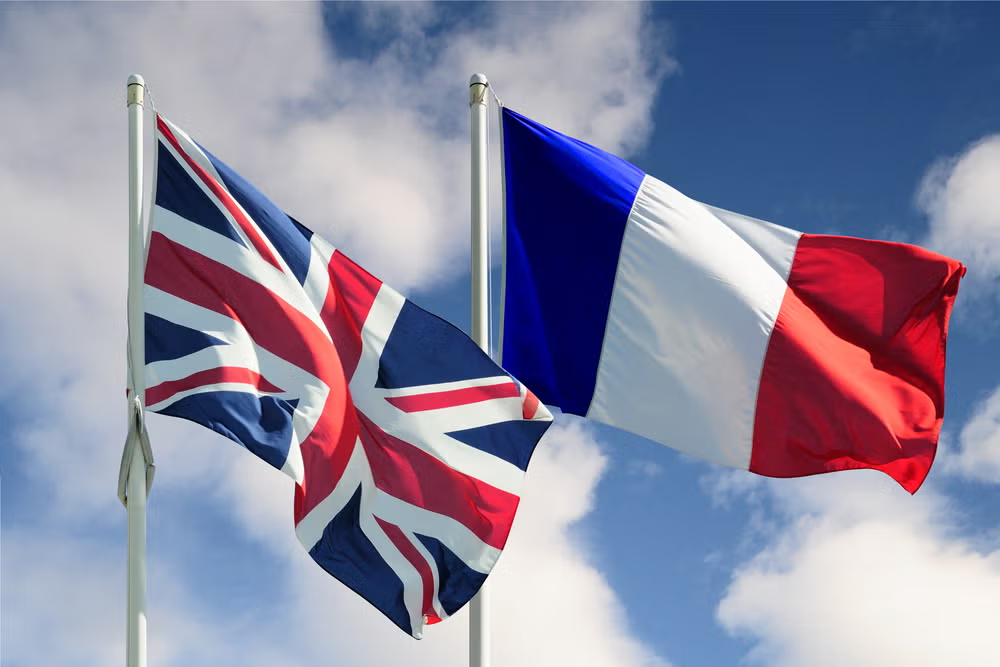
    Lieutenant General Bateman’s appointment is indicative of Britain and France’s ongoing collaboration in defining Ukraine’s future defence strategy.

    If deployed, the MNF-U would set up a headquarters in Kyiv so that foreign soldiers could collaborate closely with Ukrainian officials and military leaders.

    According to officials, the force would help Ukraine’s military forces heal and strengthen their capacity to fend off future aggression rather than replace them.

    Lieutenant General Bateman indicated that, at time of continued Russian aggression against Ukraine, our work demonstrates the enduring commitment of participating nations to Ukraine’s long-term security, sovereignty and stability.

    “I am honoured to work side by side with the new French Deputy Commander to provide continued British and French leadership to this important Multinational Force which has been declared ‘Ready to Operate’ at the recent Coalition of the Willing summit.”

    Lieutenant General Tom Bateman

    According to the British Ministry of Defence, the change in leadership was a component of the agreement reached between London and Paris, which reflects the shared accountability of both nations for directing the global endeavour.

    The action comes as Ukraine is under increasing pressure from its foreign allies to get ready for a peace deal that can withstand future threats due to the ongoing Russian missile and drone attacks.

    Members of the Coalition of the Willing have emphasised that any resolution to the crisis must assure Ukraine’s long-term security and stop future aggression.

    The Multinational Force for Post-War Ukraine (MNF-U) is anticipated to be a key player in those agreements by upholding an international presence, assisting with military recuperation, and bolstering Ukraine’s capacity for self-defence.

    The force, according to British officials, builds on the results of recent coalition talks in which leaders reiterated their dedication to reaching a long-lasting peace that ensures Ukraine’s future within the framework of European security.

    With Lieutenant General Bateman taking over, Britain is putting itself at the forefront of initiatives to influence Ukraine’s post-war destiny, with the MNF-U anticipated to play a significant role in international assistance if hostilities inevitably cease.

  • Kemi Badenoch Challenges Andy Burnham Over UK Economic Plans

    Kemi Badenoch Challenges Andy Burnham Over UK Economic Plans

    Conservative Leader, Kemi Badenoch has challenged Prime Minister Andy Burnham’s vision for Britain, arguing that his early policy agenda lacks the ambition needed to confront the country’s economic, security and geopolitical challenges.

    The Conservative leader launched one of her most powerful attacks since Burnham took office, claiming that modest cost-of-living measures are insufficient to address Britain’s deep structural issues.

    She insisted that rather than increasing government spending without clear funding plans, the nation’s future success rests on generating income, reducing corporate costs, and bolstering national resilience.

    The speech comes days after Burnham formally became Prime Minister following his unopposed election as Labour leader, succeeding Keir Starmer. Since taking office, Burnham has unveiled a package of policies aimed at easing pressure on households, including extending the £2 bus fare cap, reducing energy bills and proposing reforms to local government, housing and public services.

    While acknowledging Burnham’s popularity and personal appeal, Badenoch questioned whether his proposals matched the scale of the issues facing United Kingdom.

    “So, Andy Burnham. Seems like a nice guy. I’ve enjoyed his dodgy dancing and even the shocking revelation that he puts the milk first in his tea. I’m glad he’s got a sense of humour. It’s needed in his job. But when I look at the plans that he’s announced for the country, I find myself asking, is that it?”

    Kemi Badenoch

    Badenoch pointed to global instability, wars in Europe and the Middle East, threats to critical infrastructure, rapid technological competition between major world powers, illegal migration and demographic pressures as challenges demanding comprehensive long-term solutions.

    She argued that policies such as subsidised bus fares and temporary reductions in household energy costs would not resolve the deeper structural issues affecting Britain’s economy.

    “Britain is the fifth largest economy in the world. There are wars in Europe and the Middle East. Hostile states are attacking our critical infrastructure. China and America are racing ahead in artificial intelligence, energy and space.”

    Kemi Badenoch

    Despite government action, the Conservative leader claimed that British families were still struggling with growing living expenses, housing affordability, and dwindling economic possibilities.

    Badenoch believes that rather than implementing short-term price controls, government policy should concentrate on addressing the root reasons of growing expenses.

    She opposed Labour’s strategy, claiming that funding one sector of the economy merely shifts costs to other sectors.

    “Government has made nearly everything more expensive. But Andy Burnham’s answer is to cap one price and send the bill somewhere else. But somewhere else is always someone else.”

    Kemi Badenoch

    Moroever, Kemi Badenoch questioned how Labour intended to finance its spending commitments and warned that higher taxes could ultimately fall on workers and businesses.

    Badenoch Urges Growth, Defence Investment and Business Reform


    Conservative Leader, Kemi Badenoch

    Throughout her address, Badenoch repeatedly contrasted Conservative economic priorities with those announced by the new Labour administration, arguing that Britain should concentrate on improving competitiveness rather than expanding state intervention.

    She called for lower energy costs, reduced regulation and policies that encourage investment, saying British manufacturers currently face electricity prices significantly above those paid by competitors in other countries.

    The Conservative leader recounted a recent conversation with a Greater Manchester employer who, she noted, had chosen to build a new factory in the United States instead of Britain because of taxation and regulatory pressures.

    “Unfortunately, the new factory is not in Greater Manchester. He is opening it in America because taxes here are too high and regulations make it too hard to hire staff.”

    Kemi Badenoch

    In addition to criticising proposals she attributed to Burnham, such as plans for a National Care Service, increased council house construction, and possible tax changes, she said that these decisions demonstrated the need for reforms that make Britain more appealing to businesses and job creation.

    She claimed that the government had not provided an explanation of how these policies would be funded, stating, “Andy Burnham needs to rule out tax rises to pay for his spending spree.”

    The Conservative Leader warned that increasing taxes on businesses could discourage investment and reduce employment opportunities.

    She added, money needs to be made before it can be spent. Businesses are not cash machines for politicians.”

    Badenoch also focused heavily on national security, with the Conservative leader arguing that Britain needs to increase defence spending in light of escalating international tensions.

    She urged the Prime Minister to give military readiness top priority and stated that there was an £8 billion funding gap in the government’s Defence Investment Plan.Protecting the nation is the government’s primary responsibility.

    According to Badenoch, in order for Britain to stay competitive in the global market, it should concentrate on energy security, artificial intelligence, advanced manufacturing, and space technology.

    She argued that nationalisation would not address infrastructure issues and criticised plans to increase state ownership, noting, “nationalisation is not a solution. It’s just a process.”

    Rather, she highlighted that, governments should establish policies that enable companies to make investments, innovate, and create jobs

  • UK Prime Minister Cuts Business Rates for Pubs and Social Clubs

    UK Prime Minister Cuts Business Rates for Pubs and Social Clubs

    UK Prime Minister, Andy Burnham has announced a major reduction in business rates for pubs, social clubs and live music venues across England, as part of a wider government plan aimed at revitalising local high streets, supporting small businesses and creating economic growth across communities.

    The new measures, which will take effect from April next year, are expected to benefit nearly 32,000 pubs, clubs and live music venues, providing financial relief to businesses that the government says are central to the social and economic life of towns and cities.

    According to the Prime Minister, “for too long, governments have stood by while cherished venues have disappeared from our local high streets. So today I am changing that.”

    “This government will back the businesses that people want to see in their communities. I said I would protect pubs and local high streets, the beating heart of our communities and that’s what we will do. What we’re announcing today is just the start as we work to bring back hope across the country.”

    Andy Burnham

    The announcement forms part of Burnham’s broader commitment to deliver what he describes as “good growth in every postcode” by reducing pressures on local businesses, encouraging investment and helping communities recover from years of challenges facing traditional high streets.

    For many communities across England, pubs, social clubs and music venues have long served as gathering spaces where residents meet, celebrate events and build social connections. However, rising costs, changing consumer habits and economic pressures have contributed to the closure of many establishments, leaving empty buildings and declining town centres.

    According to the government, the new business rate cuts are intended to stop further declines and provide companies looking to invest, grow, and create jobs more assurance.

    The package is anticipated to save the average pub about £1,100 in the upcoming fiscal year, providing further assistance to companies facing operational challenges.

    As stated by to the government, the package would be entirely financed by changes meant to make the business rates system more equitable. This involves examining current relief programs for companies, such as vape shops, that officials contend offer little benefit to the community.

    The government will also implement policies to deal with companies that use internet markets but don’t pay their taxes. According to the government, these enterprises give themselves an unfair edge over companies who follow tax regulations.

    In order to stop sellers from evading their tax requirements, a consultation on expanding the responsibilities of online marketplaces is currently in progress. More information will be revealed later, according to officials, and the money raised from these changes will be used to enhance the larger corporate rates system.

    Government Backs Local Businesses in Drive for Economic Recovery

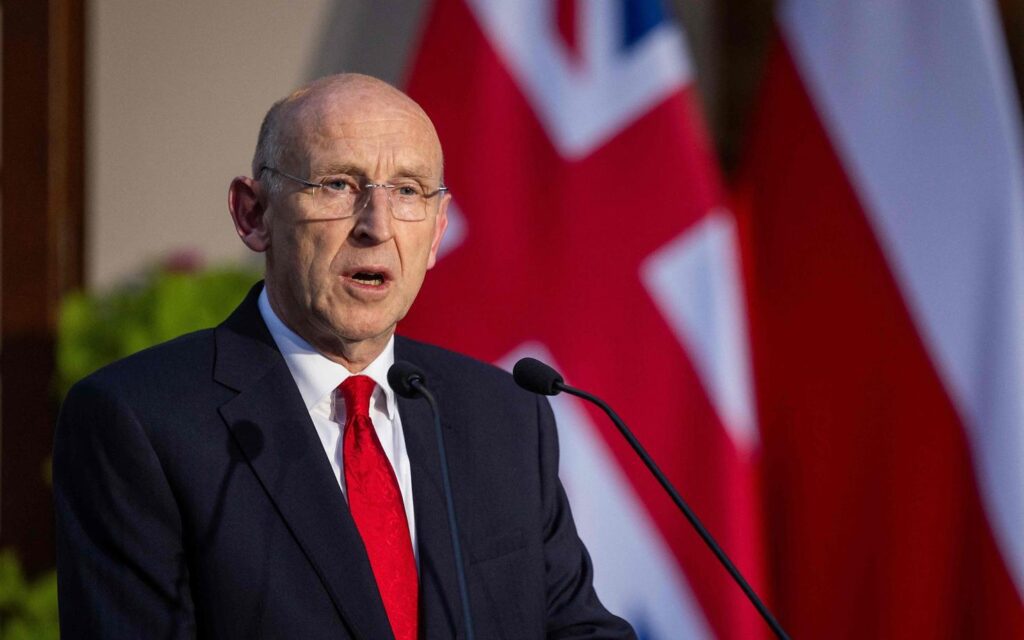
    Chancellor of the Exchequer, John Healey

    The government’s latest attempt to change a system that businesses have criticised for putting significant financial strain on high streets is represented by the new business rates package.

    Pubs, clubs, and live music venues, according to Chancellor of the Exchequer John Healey, are crucial for bolstering communities, sustaining employment, and maintaining town centers’ vitality.

    “Pubs, clubs and live music venues are at the heart of communities across UK. They help make a place what we love. They bring people together, support local jobs and help keep high streets and town centres busy which is why we will back them all the way.”

    John Healey

    He added, we are determined to bring hope back, give businesses the support they need and generate growth in every postcode.”

    According to the government, the most recent declaration expands upon earlier business rates reforms implemented during the current Parliament.

    Former Chancellor Rachel Reeves declared a permanent five-pence decrease in business rate multipliers for over 750,000 retail, hospitality, and recreational properties at the 2025 Budget. A higher multiplier applied to the most costly 1% of properties was used to finance the measure.

    Additionally, the government provided £4.3 billion in assistance to prevent business rates bills from rising in response to shifts in property values. As pandemic-era relief programs ended and new valuations took effect, officials argued the actions assisted companies in controlling growing expenses.

    Pubs and live music venues received more relief in January, including a 15% cut in their business rates bills for 2026–2027 and a promise to keep bills in real terms for an additional two years.

    In addition to the current policies, bars, clubs, and live music venues will receive an additional 20% discount starting in 2027–2028.

    However, the government confirmed that the largest live music venues will not qualify for the additional discount, with further details expected during the Budget.

    Business leaders and community groups have repeatedly warned that rising costs have placed significant pressure on hospitality and entertainment businesses. Many venues have faced increased energy prices, higher staffing costs and reduced consumer spending.

    The government argues that supporting these businesses is not only about protecting individual companies but also about preserving the character and economic activity of local communities.

    By reducing costs for thousands of venues, the government hopes the measures will help prevent closures, encourage investment and restore confidence in high streets across England.

    However, the long-term impact of the reforms will depend on whether businesses are able to convert financial relief into sustainable growth, employment and continued community services.

  • British-Based Millionaires Call on Burnham to Tax the Wealthiest

    British-Based Millionaires Call on Burnham to Tax the Wealthiest

    British-based millionaires have called on Prime Minister Andy Burnham to introduce higher taxes on the country’s wealthiest citizens, arguing that those with the greatest fortunes should contribute more towards rebuilding Britain’s economy, strengthening public services and tackling widening inequality.

    More than 100 wealthy individuals, including former England footballer and broadcaster Gary Lineker, screenwriter Richard Curtis, crime novelist Val McDermid and former City trader Gary Stevenson, signed an open letter on urging Burnham’s newly installed Labour government to pursue a comprehensive wealth tax as part of its wider economic reform agenda.

    The appeal comes just days after Burnham took office as Prime Minister, having already unveiled a series of headline policy commitments aimed at easing the cost-of-living crisis.

    His administration has announced a £2 cap on most bus fares across England and pledged an £850 million reduction in electricity bills, measures that have prompted questions from political opponents over how the government intends to finance its spending plans.

    The group, organised by Patriotic Millionaires UK, argued that asking Britain’s wealthiest citizens to contribute more through taxation would provide a fair and sustainable way of funding those commitments while reducing economic inequality.

    “We want you to tax us. We can afford it. We’re not talking about higher taxes on those who get up and go to work for their income every day, but on the very richest whose income is derived from the wealth they hold.”

    Patriotic Millionaires UK

    The letter describes the signatories as patriotic citizens who believe stronger public finances and fairer taxation are essential for Britain’s future.

    It tells Burnham that millionaires are a “patriotic bunch” who “love this country and we want it to succeed”.

    “As we embrace this new road, please consider taxing us properly as our contribution to it. We love this country. It’s time for a better Britain; it’s time for everyone here to feel Great Britain. It’s time to tax us, the super rich.”

    Patriotic Millionaires UK

    The intervention adds momentum to an increasingly prominent debate over wealth taxation in the United Kingdom, with economists, campaigners and political leaders offering competing proposals on how to balance public finances while addressing growing inequality.

    Burnham has previously proposed that the tax system be changed to ensure that individuals with the broadest shoulders contribute more to national priorities, even if he has not committed to enacting a wealth tax.

    In an interview with Gary Lineker earlier this month, Burnham indicated his government would “ask for a little more,” but he declined to rule out additional wealth taxes.

    His remarks have fuelled speculation that Labour could consider introducing a levy on high-value assets as part of a broader overhaul of the tax system designed to finance investment in transport, healthcare, energy and public services.

    Among the proposals attracting growing support is a two percent annual tax on wealth above £10 million, an idea that campaigners believe would generate billions of pounds in additional government revenue without affecting the overwhelming majority of taxpayers.

    Gary Lineker stated that the country’s wealthiest citizens arguably have the ability and responsibility to contribute more.

    “Paying your fair share is a basic British value, but so many ordinary people are already paying more than they can afford. Our richest people can do more and most want to. To live up to our national values our new government must raise taxes on extreme levels of wealth for a fairer, better, more hopeful Britain.”

    Gary Lineker

    Burnham’s Government Faces Funding Questions Amid Wealth Tax Debate

    UK Prime Minister Andy Burnham

    The renewed calls for a wealth tax come as Burnham’s government faces increasing scrutiny over how it plans to finance its ambitious policy programme.

    Since entering Downing Street, the Prime Minister, Andy Burnham has announced measures intended to reduce living costs for households while promising wider economic reforms aimed at boosting regional growth and improving public services.

    However, opposition politicians and some economists have questioned whether sufficient funding has been identified to support those commitments.

    Former Treasury minister Darren Jones, a close ally of former Prime Minister, Keir Starmer, argued that the government’s proposed electricity bill tax cut lacked a clear funding strategy.

    The government has responded by stating that a portion of the financing will come from scrapping Sir Keir’s proposed national digital identity initiative.

    Officials estimate that discontinuing the initiative would save around £600 million per year for three years, but critics contend that the savings would still fall short of covering the entire cost of the government’s energy support package.

    Sir Mel Stride, the Conservative Shadow Chancellor, added that ministers need to be more transparent about their financial objectives.

    “And in the context of a very constrained economy at the moment, in terms of debt, debt servicing costs, and so on, and a very fragile fiscal situation, you cannot be a government that goes out there and makes lots of spending commitments without being able to explain exactly how those commitments are going to be funded.”

    Sir Mel Stride

    One potential approach, according to proponents of wealth taxes, is to tax the wealthiest households in the nation.

    A 2% annual tax on wealth above £10 million has been proposed by Patriotic Millionaires UK. According to the organization, this tax could bring in about £24 billion annually.

    The campaign group also supports changes to capital gains taxation, such as matching income tax rates with capital gains tax rates, which it estimates could generate an extra £12 billion a year.

    According to Julia Davies, a British-Based Millionaire and a member of Patriotic Millionaires UK, “we millionaires are here to be taxed more and we urge our new PM to grab this opportunity with both hands and tax our wealth.”

    “This is a fresh opportunity for our country. A chance for the prime minister to help rebalance power, reduce the shocking levels of wealth inequality which intensifies the cost of living crisis, and raise much-needed revenue for our public services, improving life for everyone.

    Julia Davies
  • Burnham’s Economic Agenda Hinges on Growth and Fiscal Discipline – Political Scientist

    Burnham’s Economic Agenda Hinges on Growth and Fiscal Discipline – Political Scientist

    UK Prime Minister Andy Burnham faces the daunting challenge of leading Britain through one of its toughest economic periods in decades, with his ability to foster growth, uphold fiscal discipline and raise living standards expected to define the success of his premiership, according to a leading UK political scientist.

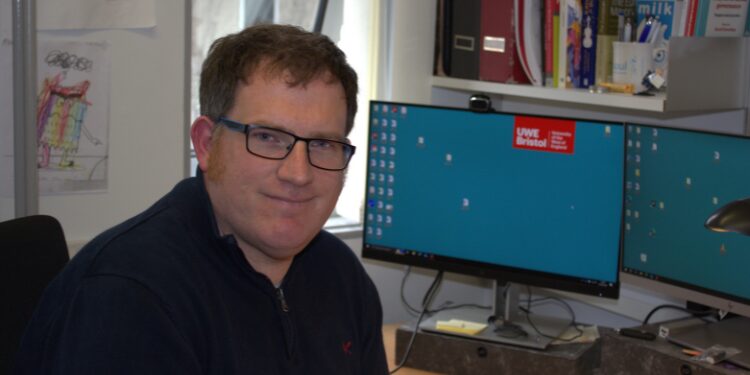
    Speaking exclusively to the Vaultz News, Dr Thom Oliver, Senior Lecturer in Politics at the University of the West of England, explained that the success of Burnham’s government will depend on whether it can craft a coherent economic strategy capable of rebuilding public trust and addressing the deep-rooted structural challenges facing the UK economy.

    “Burnham should reject the idea that economic growth, fiscal responsibility and improving living standards are entirely separate objectives.

    “His central challenge is to devise policies that advance all three. In the context of today’s politics, that’s not an aspiration, it is a requirement if this Labour government is going to survive.”

    Dr Thom Oliver

    According to Dr Oliver, Britain’s strained public finances leave the government with limited room to manoeuvre, meaning any economic strategy pursued by Burnham’s administration will face intense scrutiny from financial markets.

    Dr Oliver explained that the new administration cannot ignore Britain’s challenging financial circumstances, with rising borrowing costs and pressures from debt, healthcare, pensions and an ageing population placing limits on government spending.

    However, he added that “a loss of confidence in the government’s fiscal strategy would also raise borrowing costs and make every other objective harder to achieve.”

    He also cautioned against relying solely on fiscal restraint, arguing that such an approach would undermine investment and economic recovery.

    “At the same time, a policy of permanent restraint is unlikely to generate the investment, productivity or public confidence required for recovery.

    “The key distinction could be between poorly targeted current spending and investment that expands the economy’s productive capacity.”

    Dr Thom Oliver

    Dr Oliver indicated that Burnham’s government could prioritise investment in housing, transport, skills, energy and industry to create jobs in the short term and strengthen the economy over time.

    Reflecting on Burnham’s record as Mayor of Greater Manchester, Dr Oliver suggested that the Prime Minister will look to scale up the place-based investment model that shaped his mayoralty and apply it across UK.

    “His approach has generally been to use public authority to coordinate private, local and national investment around particular places.

    “Applied nationally, this would mean giving city regions, devolved governments and local authorities greater control over long-term investment rather than requiring them constantly to compete for short-term grants.”

    Dr Thom Oliver

    However, Dr Oliver cautioned that decentralisation should not be viewed as a standalone solution to Britain’s fiscal difficulties. He argued that shifting powers to local areas without providing reliable funding would merely transfer financial pressures rather than resolve them.

    Addressing the cost-of-living crisis, Dr Oliver noted that Burnham’s government should move beyond temporary financial assistance and instead tackle the structural factors driving household costs.

    “The cost-of-living crisis will require more than temporary subsidies. Britain needs to address the structural factors that make essential goods and services expensive: insufficient housing supply, high energy costs, insecure work, weak public transport and the limited bargaining power of many workers.”

    Dr Thom Oliver

    According to Dr Oliver, the government’s ambitions for increased investment could require difficult decisions on taxation. He stated that any revision of Labour’s tax plans would need to be clearly justified, transparent and guided by fairness rather than broad-based increases.

    Dr. Oliver argues that the Prime Minister has a chance to present voters with a more understandable and sympathetic political story.

    “Starmer suffered from a lack of a clear ‘Labour’ story. His mandate may have delivered electoral numbers, but it didn’t deliver a narrative that voters could understand. Burnham is often candid, and like his predecessors he will lean upon a need to be honest that there are no painless options.”

    Dr Thom Oliver

    Burnham’s First 100 Days Will Test Labour’s Ability to Deliver

    UK Prime Minister, Andy Burnham

    Assessing the early test of leadership facing Burnham, Dr Oliver highlighted that the Prime Minister’s priority should be to create a sense of competence and strategic clarity, laying the foundations for long-term reform rather than pursuing immediate solutions to every issue.

    “The first 100 days should establish direction, competence and political priorities rather than attempt to solve every national problem.”

    Dr Thom Oliver

    Furthermore, he stated that an early fiscal statement will be necessary to clarify how the administration plans to strike a balance between ambitious changes and constrained public funds.

    Beyond the economics, Dr. Oliver contends that Burnham’s administration will be characterised by decentralisation. Nevertheless, he cautioned that decentralisation must benefit every region of the country.

    “He must ensure that devolution benefits the whole country, including the South West, the Midlands, eastern England and rural areas, rather than appearing to transfer power primarily from London to Manchester.”

    Dr Thom Oliver

    Dr Oliver also anticipates a series of early measures designed to ease pressure on households.

    “These may include reviewing tax thresholds, accelerating housing construction, addressing household energy costs or introducing measures intended to improve access to healthcare and social care. These will aim to be tangible changes which are felt in wage packets, energy bills, and the cost of weekly shopping.”

    Dr Thom Oliver

    While Burnham has sought to distinguish himself through a more direct and empathetic style of leadership, Dr Oliver stressed that communication alone will not determine the government’s success.

    He also warned against creating unrealistic public expectations.

    “His greatest danger is overpromising. He has inherited the same economic constraints, administrative machinery and international pressures that confronted his predecessor. A change of leader does not produce a new state overnight; changing the driver of the car does not remove the potholes from the road.”

    Dr Thom Oliver

    Looking beyond the opening months of the new administration, Dr Oliver believes Burnham has an opportunity to redefine how Britain is governed, provided his government can translate political ambition into practical reform.

  • UK Prime Minister Slashes Electricity Bill Tax to Give Households Relief

    UK Prime Minister Slashes Electricity Bill Tax to Give Households Relief

    UK Prime Minister Andy Burnham has moved quickly to address the country’s cost-of-living pressures by announcing a major tax cut on electricity bills, in one of his first decisions after entering Downing Street.

    The new government has confirmed that VAT on domestic electricity bills will be reduced from five percent to zero from October 1, a move expected to provide financial relief to millions of households struggling with rising energy costs ahead of the winter months.

    The statement, which comes after Burnham promised to offer families “breathing space” as households continue to cope with the effects of high living expenses, inflation, and rising energy prices, is one of his first significant interventions since taking office as Prime Minister.

    The immediate action, according to the administration, is intended to ease the burden on household budgets while assisting in the control of inflation. Customers will be able to take advantage of cheaper electricity bills during the colder months when energy use usually increases thanks to the policy, which will be implemented prior to the next Ofgem energy price cap.

    The cost of implementing the VAT reduction for the current financial year will be funded through the cancellation of the government’s Digital ID programme, which had been expected to cost approximately £1.8 billion over three years.

    According to UK government, any future energy-related measures will be taken into account during the Budget along with an updated economic forecast from the Office for Budget Responsibility (OBR), and the savings generated by terminating the program will enable the government to reallocate funds towards immediate household support.

    According to UK Prime Minister Andy Burnham,“Westminster has not been working for people for too long, with families struggling with the cost of living.”

    UK Prime Minister Andy Burnham

    “That needs to change. I said I wanted to give people breathing space, and that’s what I’m announcing on my second day as Prime Minister. We’re taking immediate action to cut taxes on energy bills, put more money in people’s pockets and bring back hope.”

    Andy Burnham

    The VAT reduction is expected to lower the annual Ofgem price cap by around £45 from October, adding to the £150 reduction in energy costs announced during the previous Budget.

    Following years of pressure on British consumers due to the sharp increase in global energy costs brought on by Russia’s invasion of Ukraine, the intervention has taken place. Officials also cited broader global volatility, such as the Middle East conflict, as a factor in the ongoing unpredictability of the energy markets.

    The administration stated that immediate action was required to assist families that were struggling financially, even while longer-term issues will be handled through future fiscal planning.

    John Healey, Chancellor of the Exchequer, stated that the strategy would reassure households getting ready for another challenging winter..

    John Healey, Chancellor of the Exchequer

    “For too long, too many people have struggled with the cost of living, Today’s energy tax cut will give families some breathing room on bills, and provide some reassurance this winter.”

    Andy Burnham

    He added that, This measure is funded this year from cancelling the Digital ID programme, and it will help bring down inflation while supporting households in every postcode.”

    Government Targets Inflation and Energy Costs

    UK Prime Minister Andy Burnham

    The electricity VAT cut forms part of Burnham’s wider effort to establish his government’s economic direction immediately after taking office.

    According to government estimates, removing VAT from electricity bills will reduce the Consumer Prices Index (CPI) inflation rate by approximately 0.10 percentage points and the Retail Prices Index (RPI) by around 0.14 percentage points.

    The policy is expected to cost about £850 million during the 2026-27 financial year, although the final figure will be updated during the Budget when the government presents its wider spending plans.

    Energy suppliers are expected to pass the full VAT reduction on to consumers, including households on fixed tariffs. The government said suppliers had previously implemented similar reductions when £150 was removed from energy costs during the last Budget.

    The support package will not only benefit households but will also extend to certain organisations and smaller businesses. Small businesses eligible for domestic energy VAT relief but not registered for VAT, as well as charities and residential care homes that qualify for reduced energy rates, will also receive support.

    UK Prime Minister, Andy Burnham

    Concerns regarding homes in Northern Ireland, where alternative VAT procedures apply due to the terms of the UK’s exit from the European Union, have also been addressed by the government.

    The European Union’s consent would be needed to implement the VAT cut in Northern Ireland because EU VAT regulations still apply to commodities, including energy. The Northern Ireland Executive will receive comparable funding to offer cost-of-living support in order to guarantee that households in Northern Ireland receive comparable assistance.

    Burnham’s choice to discontinue the Digital ID initiative in order to fund the energy tax cut is probably going to serve as an early litmus test for his government’s public spending policies.

    The government argues that redirecting resources towards immediate household support demonstrates a shift in priorities, moving funding away from long-term administrative projects and towards policies that directly affect people’s daily lives.

    However, questions remain over how the administration intends to balance short-term relief measures with broader commitments on economic growth, public services and fiscal responsibility.

  • Burnham Must Translate Strong Mandate Into Public Trust – Political Scientist

    Burnham Must Translate Strong Mandate Into Public Trust – Political Scientist

    Andy Burnham’s arrival in Downing Street begins from a position of strength, with Labour firmly behind him and a decisive parliamentary majority at his disposal, but rebuilding public trust will be the defining challenge of his premiership, according to a British political analyst.

    Dr. Thom Oliver, Senior Lecturer in Politics at the University of the West of England, stated in an exclusive interview with the Vaultz News that Burnham takes office at a critical juncture in British politics, inheriting not only the expectations of his parliamentary colleagues but also a nation that is becoming more doubtful of governments’ ability to improve people’s lives.

    Andy Burnham becomes Britain’s new Prime Minister after rapidly securing Labour’s leadership following Keir Starmer’s resignation, ending what could have become a divisive contest within the governing party.

    His swift ascent has been widely interpreted as a sign of Labour’s determination to reset its political direction after disappointing local election performances and growing pressure from within its parliamentary ranks.

    For Dr. Oliver, Burnham’s emergence was not simply the product of party politics but the result of Labour MPs searching for a leader capable of reconnecting with voters while preserving unity within the governing party.

    “Andy Burnham has emerged as the consensus choice because he appeared to offer Labour three things it urgently needed: electoral appeal, a clearer political identity and the prospect of internal unity.”

    Dr. Thom Oliver

    He argues that dissatisfaction with Labour’s political trajectory under Starmer intensified after poor local election results earlier this year, prompting many MPs to conclude that the party required a leader who could communicate more effectively with voters who feel economically insecure, politically disillusioned or increasingly attracted to Reform UK.

    “Starmer had come into power little over two years ago following a landslide election victory, on a poorly defined narrative of change but over the last two years, that change has not been felt by voters in their day-to-day lives.”

    Dr. Thom Oliver

    Burnham’s record as Mayor of Greater Manchester, he explained, allows him to cultivate an image distinct from Westminster politics by focusing on public service delivery and local governance.

    “His leadership style is more emotionally expressive and politically intuitive than Keir Starmer’s, which may bolster Labour’s capacity to connect, while his experience in both national and regional government reassured MPs that he was not an untested outsider.”

    Dr. Thom Oliver

    According to Dr. Oliver, Burnham’s pragmatic approach to governing also enabled him to attract support from across Labour’s ideological spectrum.

    “Burnham comes from Labour’s soft left, but he has generally governed pragmatically, working with local authorities, businesses, universities and civil-society organisations. That allowed MPs from different parts of Labour to see something in his candidacy.”

    Dr. Thom Oliver

    Moreover, the political scientist indicated that, Burnham’s promise to preserve Labour as a “broad church,” combined with MPs’ desire to avoid a prolonged leadership battle, helped generate overwhelming parliamentary support.

    However, he cautioned that parliamentary backing should not be mistaken for a fully established democratic mandate.

    “I would therefore describe it as a powerful but incomplete mandate. He possesses the constitutional authority to govern, but he will need to build broader democratic legitimacy through delivery.”

    Dr. Thom Oliver

    Dr. Oliver noted that unlike Prime Ministers who secure office through a general election victory, Burnham assumes power without having personally led Labour into a national electoral contest.

    He warned that Burnham would need to govern carefully within the broad framework of Labour’s existing electoral commitments to avoid mounting pressure for an early general election.

    Burnham’s Premiership Hinges on Economy, Public Services and Political Trust

    British Prime Minister Andy Burnham

    As Burnham begins his tenure, Dr Oliver pointed to three immediate issues that could shape the direction of his government and its efforts to rebuild trust in British politics.

    “Put simply the three most pressing challenges are economic insecurity, the condition of public services and the erosion of political trust.”

    Dr. Thom Oliver

    He argues that economic management should dominate Burnham’s opening months in office, warning that Britain faces sluggish economic growth, historically high levels of public debt and extremely limited room for additional public spending.

    Citing the Office for Budget Responsibility, Dr. Oliver noted that debt-interest payments now consume around £110 billion annually, making them the third-largest area of government expenditure after health and welfare.

    He also pointed to unresolved questions surrounding defence spending, social care and welfare reform as examples of competing demands that will stretch the new government’s finances.

    “The recent battle over the long awaiting Defence Investment Plan led to damaging resignations within Keir Starmer’s government. Many will already be asking how a Burnham government might address the funding shortfall, and do so without raising the tax burden.”

    Dr. Thom Oliver

    While some political voices may advocate reducing welfare expenditure, Dr. Oliver suggested such decisions would present particular difficulties for a Labour administration that also wishes to strengthen public services and reform social care.

    Public services, he argues, represent Burnham’s second major challenge.

    “The National Health Service, social care, local government, housing and other public institutions are dealing with accumulated pressures that cannot be solved by a change of leadership alone.”

    Dr. Thom Oliver

    Given Burnham’s reputation as a defender of public services during his tenure as Mayor of Greater Manchester, expectations for rapid improvements are likely to be exceptionally high.

    Dr. Oliver noted that, “the public will therefore expect visible improvements, not merely a new narrative.”

    Perhaps the greatest political test, however, lies in rebuilding trust between government and citizens after years of political turbulence.

    “Many voters no longer believe that governments can materially improve their lives. Burnham must demonstrate that democratic politics can still deliver practical change while also restoring a sense of direction and political honesty.”

    Dr. Thom Oliver

    Although strengthening economic growth remains essential, Dr. Oliver stressed that voters judge economic performance not through headline statistics but through everyday living conditions.

    “Politically and day to day people experience the economy through wages, rents, mortgages, food prices, energy costs, public transport and the availability of secure employment.”

    Dr. Thom Oliver

    He argues that Burnham’s success will ultimately depend on making economic improvements tangible for ordinary households while balancing immediate relief with longer-term structural reforms.

    In conclusion, Dr Oliver noted that the lack of a divisive leadership battle gives Burnham an immediate opportunity to govern decisively, but it also places greater pressure on him to deliver, adding that, “ He is being presented not simply as another Labour Prime Minister, but as the politician capable of changing Labour’s direction, rebuilding trust and confronting the rise of populist opposition. That is a considerable burden to carry.”

  • Burnham Opens Premiership With Plan to Rebuild Britain

    Burnham Opens Premiership With Plan to Rebuild Britain

    British Prime Minister Andy Burnham is set to unveil his first package of government measures aimed at easing the country’s cost-of-living crisis, marking the opening phase of an administration that has promised to restore public confidence in politics and deliver tangible improvements to living standards after years of economic pressure and political upheaval.

    The announcement comes less than 24 hours after Burnham officially entered Downing Street, where he claimed to serve as a “circuit breaker” for British politics after a decade in which seven prime ministers held the country’s highest position.

    Determined to set his government apart from previous administrations, Burnham has stated that his first days in office will be spent giving immediate financial assistance to people while laying the groundwork for larger economic and public sector improvements.

    Speaking after his appointment, Andy Burnham acknowledged that millions of families continue to struggle with rising living costs and insisted that his government would move rapidly to demonstrate that political leadership can produce meaningful change.

    “I can do something to give people some breathing space now, some help with the cost of living. And I will set out some of those measures including how we pay for them.”

    Andy Burnham

    Although Burnham acknowledged that the measures alone would not solve Britain’s economic difficulties, he argued they would signal a clear shift in the government’s priorities by placing ordinary citizens at the centre of policymaking.

    Burnham’s rise to power has been unusually swift. Having returned to Westminster only weeks ago after winning a parliamentary by-election, he secured overwhelming support in Labour’s leadership contest before replacing Sir Keir Starmer as party leader and prime minister.

    His arrival in Downing Street has been widely interpreted as an attempt by Labour to reconnect with voters after disappointing electoral performances and growing concerns about the government’s political direction.

    Known widely as the “King of the North” for his advocacy on behalf of Greater Manchester during his tenure as mayor, Burnham has repeatedly argued that government should focus more directly on improving everyday life, particularly outside London. His administration is expected to pursue policies that strengthen regional economies, expand devolved powers and reduce inequalities between different parts of the United Kingdom.

    His first speech as Prime Minister reflected those priorities, identifying the elimination of rough sleeping as one of his government’s earliest ambitions while promising that families would begin to experience practical benefits from Labour’s new approach.

    Burnham Reshapes Cabinet in Bold Break With Starmer

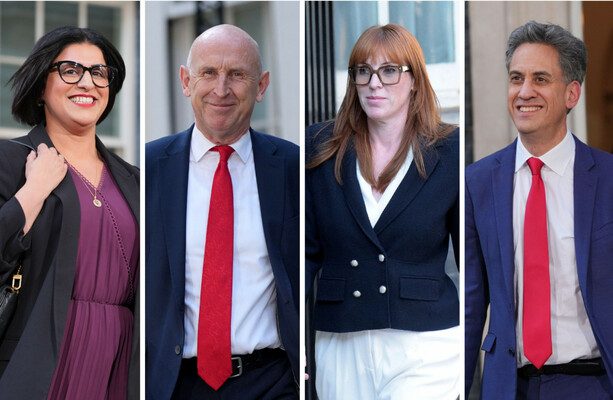
    Shabana Mahmood, John Healey, Angela Rayner, Ed Miliband

    Alongside preparations for his first policy announcements, Burnham has undertaken one of the most significant Cabinet reshuffles in recent British political history, replacing numerous senior figures associated with former Prime Minister, Keir Starmer in a move designed to establish his own authority over government.

    The changes amounted to a decisive restructuring of Labour’s leadership team, with more than nine ministers closely aligned with Starmer leaving government. High-profile departures included David Lammy, Rachel Reeves, Darren Jones and Peter Kyle, while several other ministers were either reassigned or promoted to key positions.

    Among the most notable appointments is former Defence Secretary John Healey, who becomes Chancellor of the Exchequer and will oversee the government’s economic strategy during a period of continued financial pressure.

    Former Energy Secretary Ed Miliband takes over as Foreign Secretary, while Louise Haigh assumes the influential roles of First Secretary of State, Chancellor of the Duchy of Lancaster and Minister for the Cabinet Office.

    Shabana Mahmood remains Home Secretary, Yvette Cooper takes charge of the Health and Social Care, and Pat McFadden assumes responsibility for Work and Pensions.

    In addition, Angela Rayner remains responsible for Communities, Housing and Local Government, while Jonathan Reynolds becomes Secretary of State for Business, Innovation, Science and Trade. Lucy Powell has been appointed Education Secretary, and Anneliese Midgley takes on the role of Chief Whip.

    Several experienced ministers have retained their previous positions, including Heidi Alexander as Transport Secretary, Douglas Alexander as Secretary of State for Scotland, Lisa Nandy as Secretary of State for Digital, Culture, Media and Sport, Bridget Phillipson as Minister for Women and Equalities, and Sir Alan Campbell as Leader of the House of Commons.

    Burnham has also established new ministerial roles that reflect growing policy concerns. Kanishka Narayan has been designated Minister for Artificial Intelligence, emphasising the government’s commitment to putting technical innovation at the heart of economic development, while Hamish Falconer will supervise intergovernmental and European ties.

    The Cabinet composition clearly demonstrates Burnham’s desire to blend senior ministers with emerging political leaders while marking a significant shift from the previous administration.

    Burnham’s initial policies, together with the performance of his newly constituted Cabinet, are expected to provide the first indication of whether his promise to deliver a “new approach to politics” can translate into long-term advantages for households across the United Kingdom.

  • Burnham Assumes Office as UK Prime Minister, Promises Transformational Change

    Burnham Assumes Office as UK Prime Minister, Promises Transformational Change

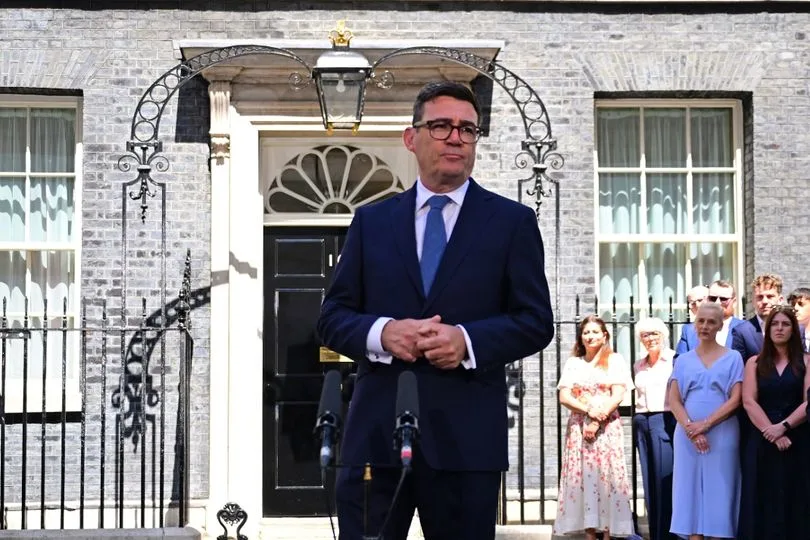
    Andy Burnham has formally taken office as United Kingdom’s Prime Minister, promising to usher in the “biggest changes” to British politics in four decades while pledging that his first act in government will be to end rough sleeping across the country.

    Burnham arrived at Downing Street moments after accepting King Charles III’s invitation to form a government in the traditional “kissing hands” ceremony, presenting himself as a leader determined to restore stability, rebuild public confidence, and end years of political uncertainty.

    The Labour leader, whose remarkable rise to the country’s highest political office occurred within weeks of returning to Parliament following a by-election victory in Makerfield, used his inaugural speech to acknowledge widespread dissatisfaction with Britain’s political establishment while promising a different style of leadership centred on public service and practical reforms.

    “In doing so I am acutely conscious that I am the sixth person in the last 10 years to walk up this street. The seventh prime minister since 2016, making this a moment for reflection and new resolution.”

    Andy Burnham

    The new Prime Minister argued that Britain’s recent political instability should serve as a wake-up call for elected leaders across the political spectrum, adding that, it requires my generation of politicians to raise our game and rise to the challenge.”

    “I know people at home are fed up with politics. I hear you and I need to be honest – we have not been good enough. We will make this moment a circuit breaker for Britain.”

    Andy Burnham

    Throughout his speech, Burnham repeatedly returned to themes that have defined his political career, including social justice, community empowerment and restoring confidence in public institutions.

    He argued that Britain had become accustomed to accepting problems that should instead be confronted through determined political action.

    The clearest example of that philosophy came with his first major policy announcement as Prime <inister. Burnham declared that immediately after entering Downing Street he would instruct his government to begin work on eliminating rough sleeping nationwide.

    “I will soon go through that door behind me and issue my first instruction to end rough sleeping in our country.”

    Andy Burnham

    The plan builds on Burnham’s record as Mayor of Greater Manchester, when homelessness was one of his signature issues. During his tenure as mayor, he gave 15% of his salary to homelessness projects and consistently advocated for more national action to address housing insecurity.

    Before heading to Buckingham Palace to see King Charles, Burnham spent part of the morning at The Passage, a homeless refuge in Victoria, central London. Speaking with workers, volunteers, and service users, he described eradicating rough sleeping as a goal that would necessitate collaboration at all levels of government and society.

    Pointing to the successful “Everyone In” programme introduced during the COVID-19 pandemic to provide emergency accommodation for homeless people, Burnham stated, we did it then, we can do it now.”

    Burnham also promised that further measures designed to give families and businesses “more breathing space” would be announced within days, while indicating that a comprehensive ten-year national development plan would be published later this year.

    New Cabinet, Bold Agenda Expected as Burnham Takes Charge

    UK Prime Minister, Andy Burnham

    With the ceremonial transition of power complete, attention is now turning to the composition of Burnham’s first Cabinet and the policy programme expected to define the opening weeks of his premiership.

    Senior Labour figures are expected to receive ministerial appointments later today as the Prime Minister assembles a team tasked with delivering the ambitious reforms promised during his leadership campaign.

    Among the measures reportedly under consideration is the scrapping of the previous government’s controversial digital identity scheme, a proposal that had attracted criticism from privacy campaigners and sections of Labour’s parliamentary party.

    The new administration is also expected to review Britain’s energy strategy, with reports suggesting ministers may consider allowing additional oil and gas exploration in the North Sea alongside continued investment in renewable energy as part of a broader approach to energy security and economic growth.

    Although Burnham chose not to outline the full details of his legislative programme during his first address, he made clear that his government intends to pursue a different governing philosophy based on restoring trust between politicians and the public.

    “It’s about putting the right values and the right standards at the heart of government. I will put the care of people at the heart of everything I do. I will give this my all and I ask you all to pull with me.”

    Andy Burnham

    Burnham purposefully presented his leadership as a chance to end the years of instability that have caused Britain to see an exceptionally high turnover of national leaders since 2016, according to political watchers.

    His focus on social responsibility, competence, and continuity is part of a larger effort to reassure voters during a protracted era of political turmoil, economic strains, and waning public trust in governmental institutions.

    Attention has also been drawn to the symbolism of his first policy commitment. Burnham chose homelessness as the focal point of his first hours in office rather than announcing immediate tax changes or constitutional reforms.

    This choice reinforced an image he had developed over his years as Mayor of Greater Manchester that places social welfare and community wellbeing at the center of his politics.