UK government has appointed the world’s first special representative for climate security, in a move aimed at strengthening the country’s preparedness for national security threats arising from climate change and environmental degradation.
Dame Madeleine Alessandri, Chair of the Joint Intelligence Committee (JIC), is expected to assume the new role following an announcement by Prime Minister Andy Burnham at COP31 in Antalya, Türkiye.
According to the Prime Minister, “we should all recognise the summer was not normal. The climate crisis is upon all of us now. We saw that with the wildfires that devastated lives and livelihoods everywhere.”
Climate Change Emerges as a National Security Threat
The appointment follows growing concerns within UK’s intelligence and security community that climate change and ecosystem collapse could pose serious threats to national stability, particularly through their effects on food supplies, migration and international security.
The concerns are reflected in a JIC assessment prepared under Alessandri’s leadership, which warned that UK could begin experiencing national security consequences within five years as overseas ecosystems collapse under the combined pressures of climate change and the overexploitation of natural resources.
The assessment identified potential consequences including food shortages, rising food prices, mass migration and conflict involving nuclear-armed countries.
Dame Madeleine Alessandri stressed that “climate change and nature loss are increasingly shaping the security environment in which the UK operates, placing additional pressure on resources, economies and communities around the world.”
“The best time to address these risks is before they develop into crises. In this role, I will work with partners across government and internationally to strengthen our understanding of climate threats, build resilience and ensure we are better prepared for the challenges ahead.”
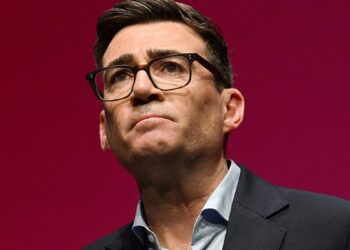
Dame Madeleine Alessandri
The security implications of climate change featured in the work of Foreign Secretary Ed Miliband.
Speaking at COP31, Ed Miliband indicated that, “national security is the next frontier of the fight for climate action the scenarios once of science fiction are now regular occurrences in the daily news.”
“Climate breakdown is one of the greatest national security threats we face: food security, threats to infrastructure and population movements are resulting from the climate crisis. Those who seek to stick their heads in the sand on climate are putting our national security at risk.”
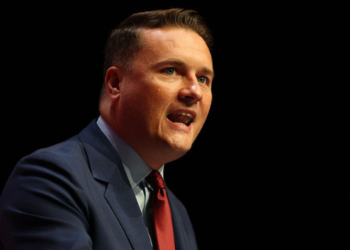
Ed Miliband
UK Reaffirms Net Zero and Clean Energy Commitments
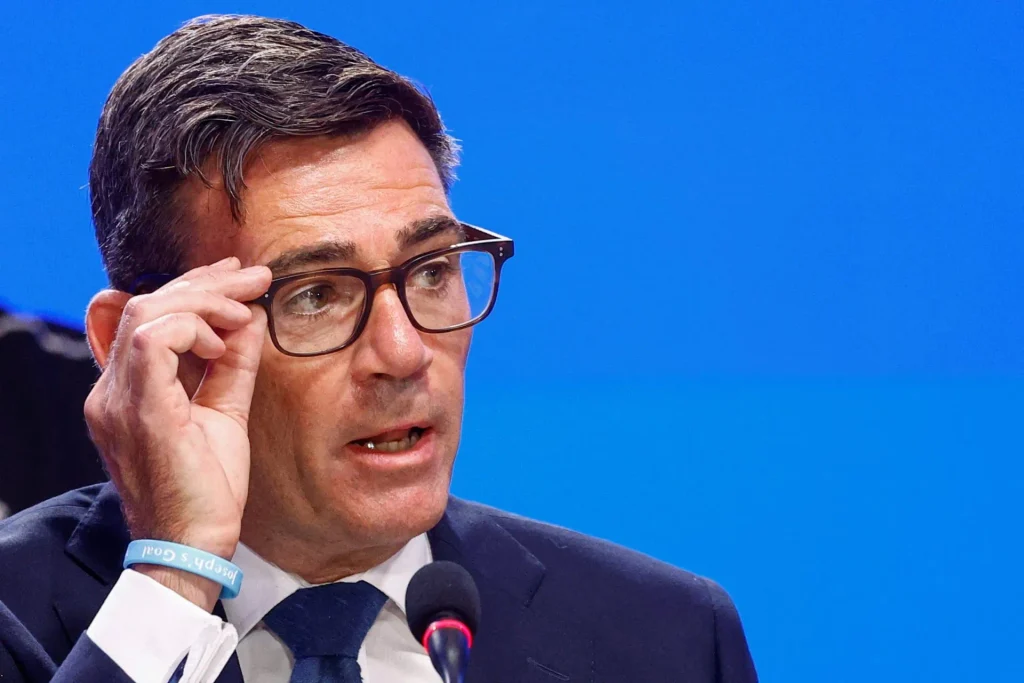
Prime Minister, Andy Burnham is set to reaffirm UK’s commitment to achieving net-zero emissions by 2050 and strengthening international cooperation on clean energy development.
“The message I carry here, in my first COP as Prime Minister, is that the UK remains determined to reach net zero by 2050 and to work with our partners to build a clean energy future. The world has changed. The consensus we once enjoyed on science and climate action has broken down.
Andy Burnham
He added, “we will not stand by, and that’s why I’ve pledged a new era of British leadership over the next decade.”
The Prime Minister is also expected to confirm the UK’s support for a proposed global target to achieve 35% electrification by 2035.
The government will further contribute to efforts to mobilise £5 billion in private finance for clean energy projects worldwide, as countries seek to accelerate the transition towards more sustainable energy systems.
Campaigners Question Britain’s Climate Credibility

Despite the government’s renewed commitments, environmental campaigners have challenged the consistency of its climate policies, arguing that its international leadership ambitions are undermined by decisions to maintain or expand fossil fuel production at home.
The government is reportedly considering a significant relaxation of its electric vehicle targets. It has also approved the Jackdaw gasfield in the North Sea while weighing the development of the Rosebank oilfield west of Shetland.
Mohamed Adow, Director of the Power Shift Africa think tank, criticised UK’s approach to climate action, particularly in its expectations of developing countries.
“What we’re seeing in part is double standards. We can’t have Britain preaching a clean development gospel but expanding fossil fuels back at home. You cannot expect one set of rules for Africa and another for Britain.”
Mohamed Adow
Asad Rehman, Chief Executive of Friends of the Earth England, Wales and Northern Ireland, also questioned whether the government’s actions matched its climate commitments, describing the country’s credibility as “crumbling.”
“The Prime Minister’s first climate talks should be an opportunity to demonstrate he means business. But if this is all the UK has to offer, then the questions piling in about his climate credibility are more than justified.”
Asad Rehman
Concerns have also been raised over the UK’s climate financing commitments to vulnerable countries. Like several other wealthy nations, Britain has significantly reduced its climate finance, redirecting resources towards military spending.
READ ALSO: Ghana Stocks Deliver Mixed Signals as Trading Activity Plummets