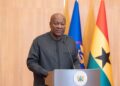

Finance Minister Dr Cassiel Ato Forson has emerged as the leading choice among card-bearing members of the National Democratic Congress (NDC) in the party’s prospective 2028 flagbearer contest, securing 40 per cent support in Global InfoAnalytics’ September 2026 tracking poll.
The findings, disclosed by the firm’s Executive Director, Mussa Dankwa, place Dr Forson 11 percentage points ahead of NDC National Chairman Johnson Asiedu Nketia, who records 29 per cent, with Education Minister Haruna Iddrisu occupying third position at 15 per cent.
Mr Dankwa attributes the changing dynamics of the contest partly to the NDC’s decision to fully implement a Supreme Court ruling on the election of its flagbearer. He argues that the development may have significantly affected the prospects of candidates seeking to lead the governing party into the 2028 general election.
“The poll shows Ato Forson, the finance minister, leads with 40% of support, followed by Asiedu Nketia, 29%, Haruna Iddrisu, 15%.”
Mussa Dankwa, Executive Director for Global InfoAnalytics
The results suggest that although Dr Forson has established a lead in the overall preference figures, Asiedu Nketia remains a major contender, while Iddrisu maintains a substantial share of support among the party’s card-bearing membership.
Forson Leads in Six Regions as Contestants Split Support
The regional breakdown of the September poll shows Dr Forson leading in Ashanti, Central, Greater Accra, Volta, Western and Western North regions. Asiedu Nketia leads in Ahafo, Bono and Oti, while Iddrisu commands the highest support in the North East, Northern, Savannah, Upper East and Upper West regions.
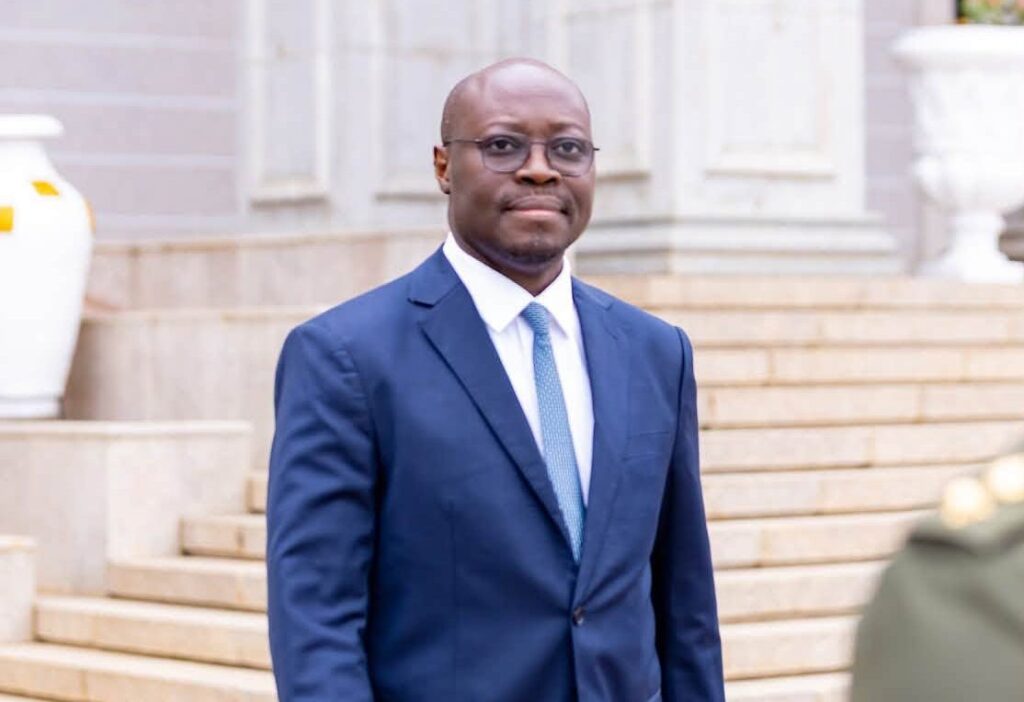
The two leading contenders are virtually tied in Bono East and Eastern regions, indicating that support for them remains closely divided in those areas. The regional distribution highlights the different geographical bases of support among the leading candidates.
While Dr Forson leads in several regions, Asiedu Nketia retains an advantage in others, and Iddrisu’s strong showing across the northern regions gives him a distinct position in the wider contest.
The figures also indicate that the overall national lead does not translate into dominance across all 16 regions, with the three leading contenders each commanding support in different parts of the country.
Forson Opens 57% to 43% Lead in Runoff Scenario
A separate hypothetical runoff between Dr Forson and Asiedu Nketia gives the Finance Minister a more substantial advantage, with 57 per cent support against 43 per cent for the NDC National Chairman.
According to Mr Dankwa, Dr Forson leads in eight of the 16 regions in the two-candidate contest, while Asiedu Nketia leads in six. The remaining two regions, Eastern and Upper West, are virtually tied, although Dr Forson records a narrow advantage within the poll’s margin of error.
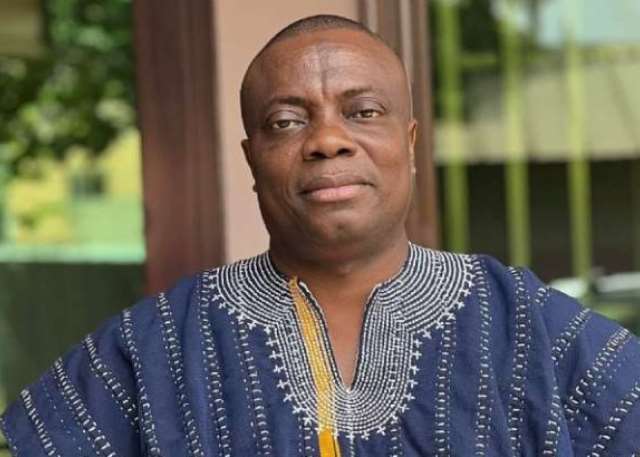
The runoff figures differ from the regional distribution in the broader contest, where Iddrisu also features as a potential candidate. With the field narrowed to two contenders, support is redistributed between Dr Forson and Asiedu Nketia, changing the regional picture.
The 57–43 per cent result therefore points to a stronger position for Dr Forson in a direct contest against the NDC chairman than the 40–29 per cent figures suggest in the wider field. However, the results remain a snapshot of preferences among the card-bearing members sampled and do not determine the eventual outcome of the party’s flagbearer election.
Alliance-Building Could Decide NDC Flagbearer Race
Despite Dr Forson’s lead in both the overall preference figures and the hypothetical runoff, Mr Dankwa cautions that neither he nor Asiedu Nketia commands sufficient support to secure the flagbearer position in a first-round contest.
He argues that the two leading candidates will need to build alliances with other contenders to strengthen their numbers and secure the support required to emerge as the party’s presidential candidate.
The position places particular importance on the support held by Haruna Iddrisu, whose 15 per cent in the overall poll makes him the third most preferred candidate, as well as the support commanded by the other potential contenders.
Vice-President Professor Naana Jane Opoku-Agyemang records seven per cent, followed by Chief of Staff Julius Debrah with four per cent. Professor Joshua Alabi and Eric Opoku each obtain two per cent, while Emmanuel Armah Kofi-Buah records one per cent.

Mr Dankwa’s assessment is that the distribution of support makes coalition-building central to the contest, rather than allowing either of the two leading candidates to rely solely on their existing support base. He concludes that the ability to forge alliances could determine which contender crosses the threshold needed to secure the party’s flagbearer position.
NDC Contest Remains Open Ahead of 2028
The September findings present Dr Forson as the current leading choice among the sampled card-bearing members, with Asiedu Nketia and Haruna Iddrisu following in the preference rankings.
Yet the regional distribution and runoff scenario demonstrate that the contest involves different concentrations of support that could shape negotiations and alliances as the party’s internal election approaches.
For Mussa Dankwa, the central question is no longer simply which candidate leads the poll, but which contender can bring together enough support to secure victory.
READ ALSO: Ghana Targets 60% Ownership in Medium-Scale Mining