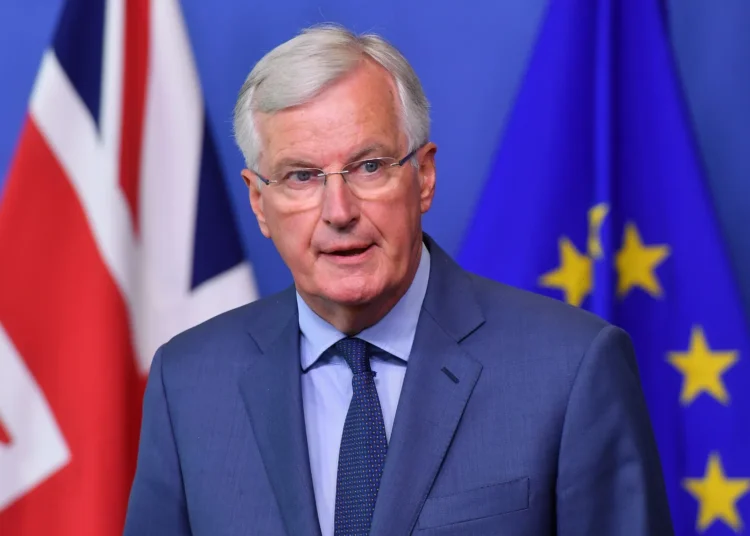
Former EU chief Brexit negotiator Michel Barnier has stated that the United Kingdom could rejoin the European Union without adopting the euro but would have to accept freedom of movement as a condition of accessing the bloc’s single market, outlining the obligations that would shape any future negotiations over British membership.
He noted that “it would be possible to negotiate a new relationship without this obligation.”
However, he ruled out selective participation in the single market, stressing that its four fundamental freedoms the movement of people, goods, services and capital were inseparable and non-negotiable.
“But what is, and what remains non-negotiable, is the condition to join the single market. There is no negotiation possible. No possible negotiation on any kind of cherry-picking or the single market ‘a la carte’. The UK knows quite perfectly the conditions to be part of and to rejoin the single market and the customs union.”
Michel Barnier
He reiterated that freedom of movement would remain an essential requirement, stating: “As far as the freedom of movement is concerned, I can only repeat that the four freedoms are linked together and are not negotiable.”
This came amid growing pressure on the British government to reconsider the country’s relationship with the EU, as Labour figures advocate closer ties and public support for reversing Brexit increases.
Addressing the recent political discourse, Barnier maintained that any decision to pursue renewed membership negotiations rested with the British public, describing it as “the choice of the UK people” to determine whether the government should seek a new agreement to rejoin the bloc.
He added that he did not “want to intervene” in the debate over Britain’s future relationship with the EU
Barnier Welcomes Burnham’s Push for Closer UK-EU Relations
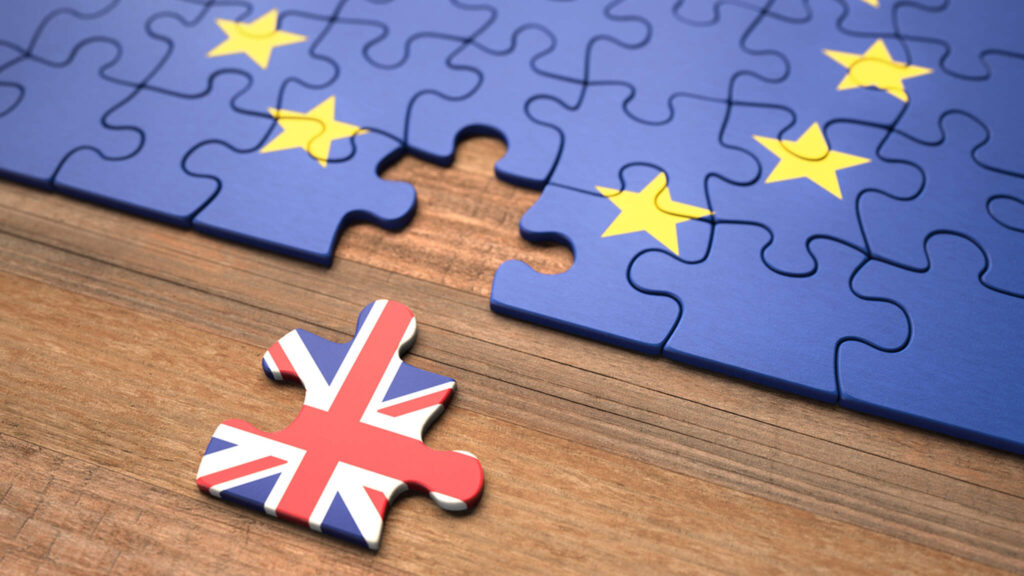
Former European Union chief Brexit negotiator Michel Barnier also welcomed Andy Burnham’s call for closer relations between the United Kingdom and the European Union, identifying opportunities for cooperation in artificial intelligence, foreign policy, intelligence and defence.
Barnier expressed support for UK Prime Minister’s proposal to improve Britain’s relationship with the bloc, arguing that both sides share common interests that extend beyond negotiations over single-market access and the customs union.
Barnier disclosed that he had listened carefully to Burnham’s speech at the Labour Party conference, where the mayor criticised the outcome of Brexit and called for UK to explore alternative arrangements with the European Union.
“I warmly welcome his will and his proposal to increase and to improve the current relations between the EU and the UK. And I think I always thought that we have many, many fields where we can improve this relationship, independently of the single market and the customs union,”
Michel Barnier
He maintained that closer engagement would serve the interests of both sides, adding: “It would be our common interest to work more frequently and increase our relations.”
Barnier Calls on Europe to Focus on Its Own Strategic Interests

Also, Former EU chief Brexit negotiator Michel Barnier, on the political implications of the US midterm elections, urged European leaders to concentrate on the continent’s strategic priorities rather than allowing developments in Washington to determine its direction.
He stressed that Europe must strengthen its independence, protect its sovereignty and establish a clear framework for future cooperation with the United States.
“I think we have to focus on what we want to do for Europe, for our independence, for our future cooperation with the US, and for our sovereignty.”
Michel Barnier
Barnier also highlighted the economic pressures facing European industries and agricultural producers, urging the bloc to strengthen its capacity to compete amid trade tensions involving Washington and Beijing.
He indicated that European governments must direct their collective efforts towards protecting domestic production and safeguarding strategic economic sectors against external trade pressures.
“I think we have to focus our energy and our goodwill on what we need for Europe to defend our industry, to defend our agriculture, not only facing the aggression of Mr Trump, but also facing the trade aggression of the Chinese.”
Michel Barnier
UK’s European Ties Return
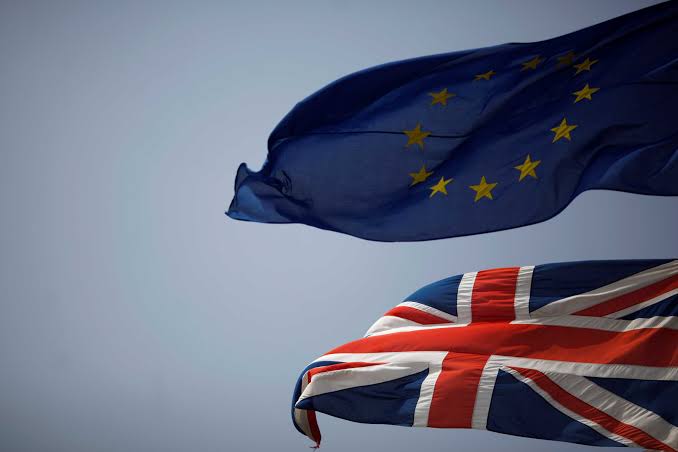
The former Brexit negotiator’s intervention follows recent discussion in Britain over freedom of movement and the possibility of rebuilding closer relations with the European Union.
UK Prime Minister recently denied proposing the restoration of freedom of movement between Britain and the EU, maintaining that the public should determine the country’s future relationship with the bloc.
Former Prime Minister Keir Starmer has also called for an “honest discussion” about the consequences of Brexit, particularly the replacement of temporary European migration with larger numbers of people settling in Britain permanently.
“But I want to be really clear on this issue. I will not run ahead of public opinion. The public need to be the boss when it comes to whatever happens with Brexit.”
Meanwhile, support for rejoining the European Union has reached 61 percent, its highest level since the 2016 referendum, according to polling figures.
READ ALSO: Cristiano Ronaldo Calls Time on International Football