The government of Ghana has been urged by extractive experts and stakeholder to draw vital lessons from international resource management frameworks to maximize long-term benefits from its natural endowments.
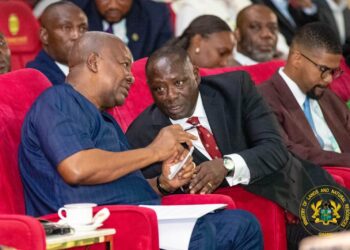
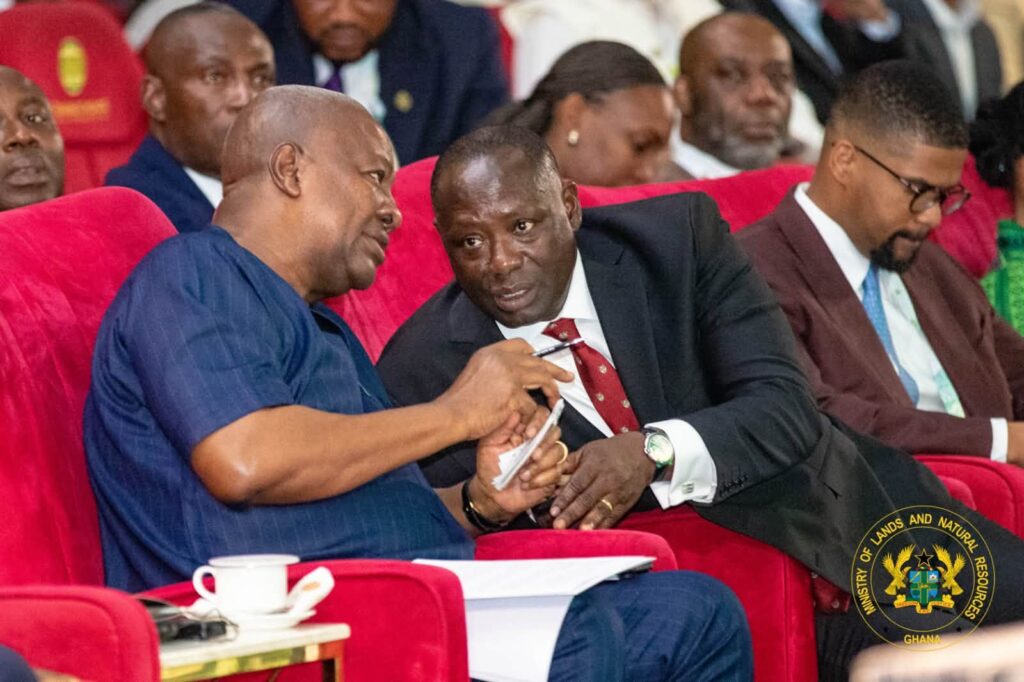
The former Lands and Natural Resources, Hon. Inusah Fuseini in an interview with The Vaultz News emphasized that the nation must look closely at successful global models to determine whether current administrative structures can effectively emulate international best practices.
The call underscores an urgent national need to bridge existing legislative gaps by critically analyzing foreign successes alongside domestic policy frameworks to build a resilient, sustainable extractive economy.
“We looked at other countries and how they have done it and whether we can emulate it. Because on this effort there are just a few things remaining which are undone. The experiences of other countries and how they have managed their natural resources to be a guide.”
Hon. Inusah Fuseini
Expanding on the imperative for comprehensive legal reforms, the Hon. Inusah Fuseini highlighted comparative case studies from sovereign nations that have successfully leveraged their natural wealth for sustained economic transformation.
His analysis focused on evaluating the Constitutional Review Committee’s recommendations against the government’s official stance, particularly examining the rationality of executive positions set out in government policy documents.
By contrasting the Constitutional Review Committee’s preference of proposals with the government’s position paper on Land and Natural Resources, the presentation highlighted the necessity of alignment between legal policy and national development goals to prevent value leakage and ensure equitable resource distribution.
Comparative Analysis of Global Resource Models
Ghana’s extractives sector stands at a critical juncture where policy formulation directly influences socio-economic development and generational equity.
Examining global benchmarks provides actionable insights into how state-owned resource revenues can be structured, reinvested, and protected against economic volatility.
Countries like the United Arab Emirates and Botswana offer compelling examples of resource governance through institutional foresight and strict regulatory enforcement.
Botswana’s governance model demonstrates how early legislative foresight, transparent diamond mining joint ventures, and disciplined sovereign wealth fund management can shield a nation from Dutch disease while funding infrastructure and health infrastructure.
Similarly, the United Arab Emirates transformed finite hydrocarbon reserves into long-term global financial assets by institutionalizing capital preservation via specialized investment vehicles.
For Ghana, emulating these models requires assessing whether current statutory arrangements provide sufficient safeguards to convert sub-soil mineral wealth into tangible, enduring national capital.
Historical Evaluation of Ghana’s Mineral Regime
Evaluating national natural resource management requires a thorough historical analysis of how statutory controls over land, gold, oil, and critical minerals have evolved since independence.
State management of natural resources has navigated complex shifts between centralized state ownership, private concessions, and modern regulatory statutory bodies.
Historical precedents reveal that administrative gaps and fragmented legislative mandates frequently undermine the state’s capacity to retain optimum financial value from commercial extractions.

The historical development of natural resource legislation reveals a persistent structural tension between short-term fiscal monetization and long-term socio-economic governance.
Traditional oversight mechanisms have repeatedly struggled to keep pace with rapid developments in the international extractive industry.
Analyzing past statutory frameworks demonstrates how revenue losses often stem from inadequate monitoring systems, poor royalty collection mechanisms, and weak regulatory institutions.
Addressing these recurring institutional defects is vital if modern legislative reforms are to protect public financial interests and secure equitable outcomes for local communities.
Constitutional Review Proposals vs Government Position
The debate surrounding the recommendations of the Constitutional Review Committee highlights fundamental policy differences between independent constitutional advisors and executive authorities.
At the core of the debate is the government’s position paper on Land and Natural Resources dated July 28, 2026, which outlines official state responses to proposed structural modifications.

The public discourse centers on evaluating whether government positions remain rational when weighed against progressive reforms designed to institutionalize transparency and parliamentary oversight.
Evaluating the preference of proposals put forward by the Constitutional Review Committee against the executive branch’s counter-arguments provides clarity on state priorities.
Key constitutional proposals aim to limit executive discretion, enhance public disclosure of extractive contracts, and mandate direct public accounting of mineral revenue streams. Conversely, government position papers often prioritize executive administrative flexibility and operational expediency.
Achieving a rational balance between efficient state administration and rigid constitutional safeguards remains essential to ensuring that Ghana’s natural endowments deliver maximum, sustainable returns for all citizens.
READ ALSO: Cristiano Ronaldo Calls Time on International Football