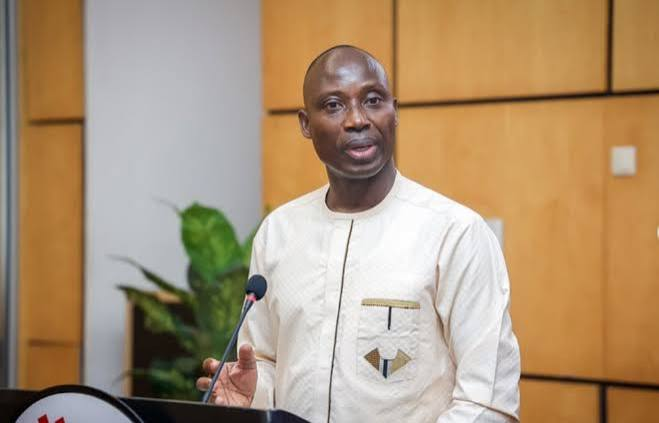
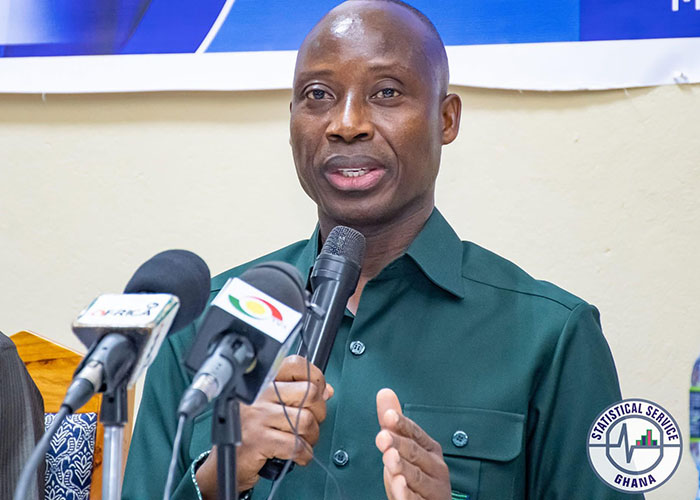
Ghana’s population could double in approximately 33 years if its current annual growth rate of 2.1 per cent persists, Government Statistician Dr Alhassan Iddrisu has disclosed, warning that the country’s changing demographic profile carries significant implications for national development.
Speaking in an interview, Dr Iddrisu placed Ghana’s population at about 33.7 million, with between 500,000 and 700,000 people added annually.
He linked slower growth to a longer doubling period, while the youthful population and urbanisation demand sustained planning for future national development.
“Ghana risks facing increased pressure on jobs, healthcare, education and infrastructure if population growth is not matched with effective national planning.”
Government Statistician Dr Alhassan Iddrisu
Dr Iddrisu explained that Ghana’s annual population growth rate currently stands at 2.1 per cent, a decline from previous years that has slowed the pace at which the population expands.
At a growth rate of 2.7 per cent, the country’s population would have doubled in about 26 years. However, the 2.1 per cent rate recorded between 2010 and 2021 extended the estimated doubling period to approximately 33.3 years.
Ghana’s population rose from 18 million in 2000 to 21 million in 2005, 24 million in 2010 and 30 million in 2020.
Large Youth Population Presents Development Challenge
Dr Iddrisu also highlighted the youthful structure of Ghana’s population, noting that children aged between zero and four account for 12.8 per cent, while those aged 10 to 19 represent about 20 per cent.
Together, people aged zero to 19 make up almost 34 per cent of the population. This presents an opportunity to build a productive future workforce, but only if young people receive the education, skills and employment opportunities needed to participate in the economy.
A failure to make those investments could increase the number of young people classified as NEET, meaning they are not in education, employment or training.
Urbanisation Increases Demand for Essential Services
Ghana’s population distribution has also shifted steadily towards urban areas. In 2010, the urban population overtook the rural population for the first time, with 50.9 per cent of residents living in urban communities and 49.1 per cent in rural areas.
“The country’s youthful and increasingly urban population presents both opportunities and challenges that require urgent attention to education, employment and infrastructure.”
Government Statistician Dr Alhassan Iddrisu
The 2021 census recorded 56.7 per cent of Ghanaians in urban areas and approximately 43 per cent in rural communities. Current projections put the urban share at about 60 per cent, representing roughly 20 million people out of the estimated 33.7 million population.
Urban concentration increases demand for water, electricity and roads. Migration from rural communities to urban centres in search of opportunities is among the factors driving the trend.
Fertility Declines as Life Expectancy Improves
Ghana’s demographic indicators also show changes in fertility and life expectancy. The average number of children per woman has fallen from approximately 6.4 in 1988 to about four.
Life expectancy, meanwhile, has increased from 40.3 years in 1960 to 61.8 years in 2010. The 2021 Population and Housing Census recorded life expectancy at 65.1 years, an improvement of about 24 years compared with the 1960 figure.
Improved healthcare access has contributed to this progress, alongside wider access to essential services. Active membership of the National Health Insurance Scheme has increased from approximately 30 per cent to 66.6 per cent.
Access to improved water stands at about 92 per cent, while electricity coverage is estimated at 86.3 per cent. Sanitation coverage, however, remains lower at about 69 per cent.
Regional Distribution Highlights Population Concentration
Greater Accra accounts for the largest share of Ghana’s population, at approximately 18 per cent, followed by Ashanti with 17 per cent.
The Central Region represents 9.4 per cent, followed by the Eastern and Northern regions, while the remaining population is distributed across the other regions.

Migration, particularly movement towards urban centres in search of better opportunities, contributes to Greater Accra’s population concentration.
Ghana’s demographic outlook presents opportunities, but the benefits will depend on how effectively the country responds to the demands of a growing and increasingly urban population.
Investments in jobs, education, healthcare, sanitation and infrastructure will be important in ensuring that population growth supports national development.
READ MORE: Deputy Minister of Health Pushes Compulsory Insurance for Government Vehicles