Deputy Minister for Health and Essikado-Ketan MP, Prof. Dr. Grace Ayensu-Danquah, has backed calls for government vehicles to be covered by compulsory third-party insurance, warning Parliament that gaps in insurance coverage can delay emergency treatment, put lives at risk and prevent avoidable emergency treatment delays.
Contributing to a parliamentary statement on the exemption of state-owned vehicles from compulsory third-party insurance, she explained that uninsured patients and vehicles can create complications when accident victims reach hospitals.
She linked the concern to the Golden Hour of Injury, arguing that delays during the first 60 minutes after trauma can determine whether patients survive or suffer lasting complications.
“We have something called the golden hour of injury, and that golden hour is the moment of injury to the first sixty minutes. Decisions we make within that golden hour determine whether the person lives or dies.”
Deputy Minister for Health and Essikado-Ketan MP, Prof. Dr. Grace Ayensu-Danquah
Dr Ayensu-Danquah supported a statement presented by Minority Chief Whip Frank Annoh-Dompreh on the exemption of government-owned vehicles from compulsory third-party insurance.

Government Vehicle Insurance and Emergency Healthcare
She drew attention to the difficulties hospitals encounter when accident victims arrive without insurance or the financial means to pay for urgent interventions.
In her account, the risks extend beyond the injured person to the ambulance crew and the vehicle transporting the patient.
“Imagine a scenario where an ambulance picks up a patient who is not insured, the ambulance is not insured, the people in the ambulance are not insured, and that ambulance gets an accident. When they arrive at the hospital, it leads to a lot of delays,”
Deputy Minister for Health and Essikado-Ketan MP, Prof. Dr. Grace Ayensu-Danquah
Golden Hour Makes Timely Treatment Critical
The Deputy Minister explained that the first 60 minutes after a traumatic injury are critical because decisions made during that period can influence a patient’s survival across emergency healthcare services nationwide.
She urged Parliament to consider how insurance arrangements affect the speed with which emergency care can be delivered.
She noted that stabilising a patient does not necessarily end the need for urgent treatment. Some patients require further investigations and specialised procedures, and delays in securing the resources to provide them can affect recovery.

Among the interventions she identified were CT scans, admission to an Intensive Care Unit, orthopaedic surgery for broken bones and specialised neurosurgical procedures for people with serious head injuries.
Dr Ayensu-Danquah warned that postponing such procedures could allow treatable injuries to result in permanent disabilities and long-term health complications. Patients should not lose the opportunity for timely treatment because families or hospitals are struggling to secure funds.
Uninsured Patients Place Pressure on Hospitals
She also highlighted the financial and emotional strain families face when they have to find money for emergency procedures while relatives remain in critical condition.
According to the Deputy Minister, hospitals are affected when patients cannot settle their medical bills. Facilities may have to absorb treatment costs, diverting resources that could otherwise support other essential services.
She argued that these pressures reinforce the need to address insurance gaps before they create further obstacles to emergency care. The issue concerns not only compensation after a road crash but also whether patients can obtain medical attention without avoidable delays.
She stressed that emergency treatment should not be compromised by financial difficulties, particularly when prompt intervention can determine the outcome for an injured person.
Calls for Urgent Action
Dr Ayensu-Danquah expressed full support for the statement brought before Parliament by Annoh-Dompreh and called for action on the concerns raised.
“I stand strongly behind this statement, and I believe that something ought to be done. The reality, Mr. Speaker, is that we don’t have a lot of time, and this issue is an emergency,”
Deputy Minister for Health and Essikado-Ketan MP, Prof. Dr. Grace Ayensu-Danquah
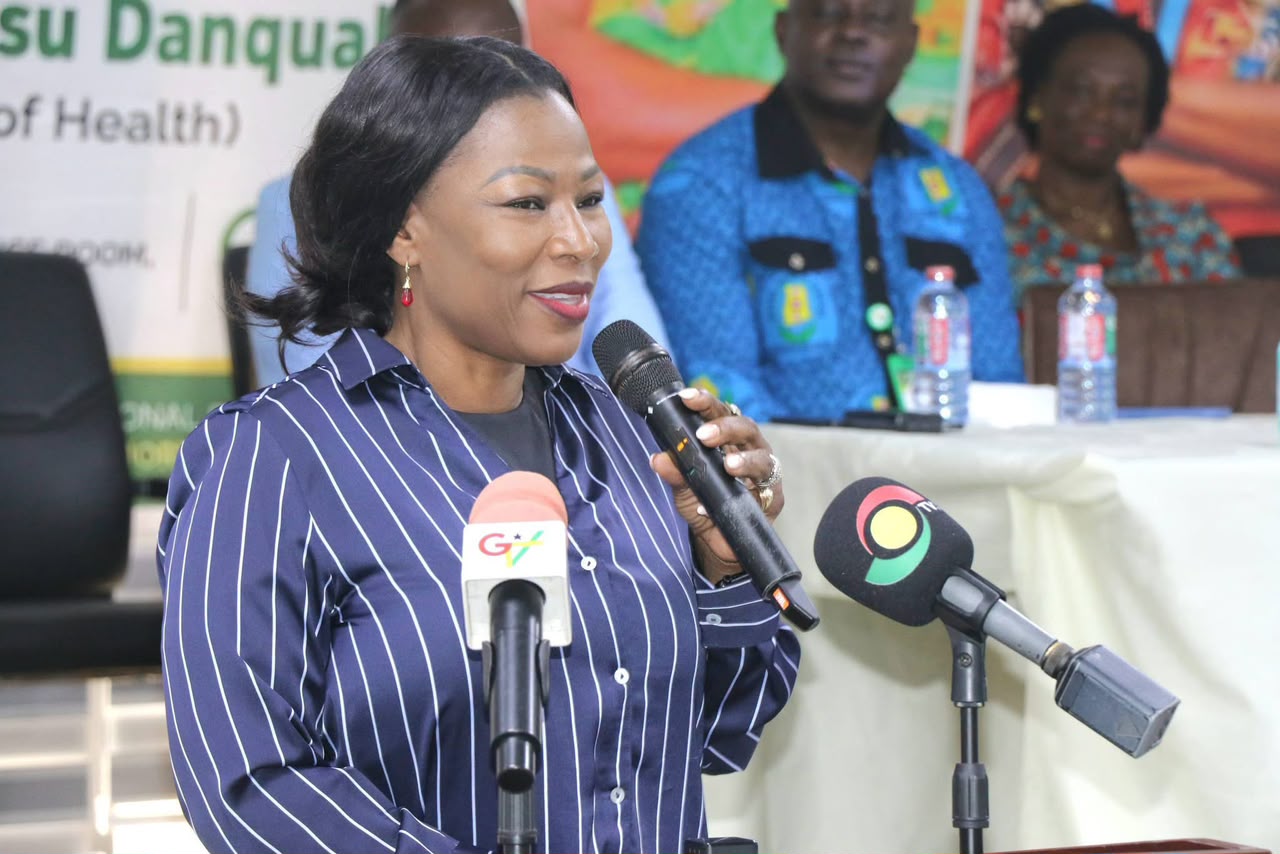
Her contribution underscored the relationship between vehicle insurance and emergency healthcare financing, particularly where ambulances and other state-owned vehicles are involved in road accidents.
She maintained that financial and administrative barriers should not stand between accident victims and lifesaving interventions. Her appeal was for concerns surrounding government vehicle insurance to be addressed urgently, given the consequences that delays can have for patients, families and hospitals.
The parliamentary discussion focused on the exemption of state-owned vehicles from compulsory third-party insurance.
Dr Ayensu-Danquah brought the healthcare implications into focus, arguing that insurance protection must be considered alongside the needs of people requiring emergency treatment.
For the Deputy Minister, the central concern is the time-sensitive nature of trauma care. When patients need scans, intensive care or surgery, delays in arranging payment can have lasting consequences. She urged action to ensure that insurance gaps do not obstruct urgent medical services.
READ MORE: NHIA Pays GH¢2.325bn Claims, Cautions Providers Over Illegal Fees