
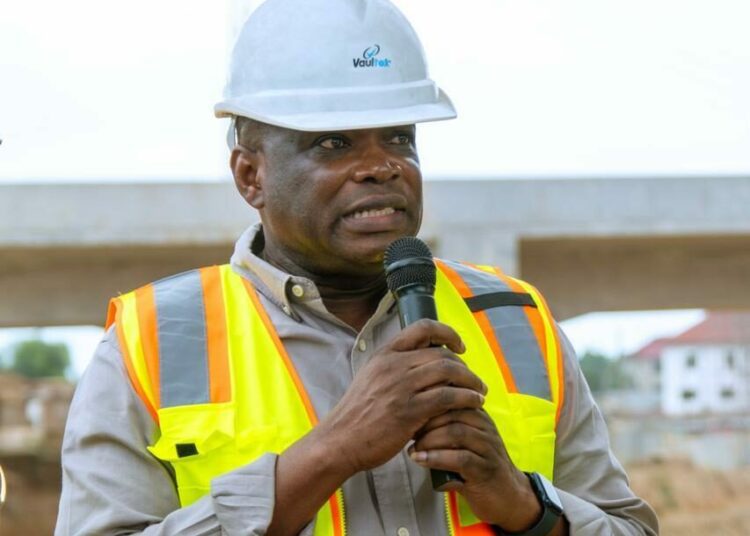
Roads and Highways Minister Governs Kwame Agbodza has warned contractors executing projects under the government’s Big Push programme that failure to deliver could result in contract termination, irrespective of their size or political connections.
He issued the warning during parliamentary debate on the 2027 Budget, insisting that contractors must demonstrate measurable progress on projects financed with public funds. Hon. Agbodza disclosed that the ministry’s performance assessments had identified contractors whose on-site delivery did not correspond with payments received.
He maintained that the government would no longer tolerate prolonged delays, warning that contractors who fail to meet expectations would be replaced as the ministry intensifies efforts to accelerate road construction and improve accountability.
“As long as I remain, no contractor shall be bigger than the government or the state. You are our employee and you must either work or step aside.”
Roads and Highways Minister Governs Kwame Agbodza
Agbodza Threatens Termination of Underperforming Contractors
The Roads and Highways Minister explained that his decision followed an assessment of project performance and payments made to contractors under the ministry’s supervision.
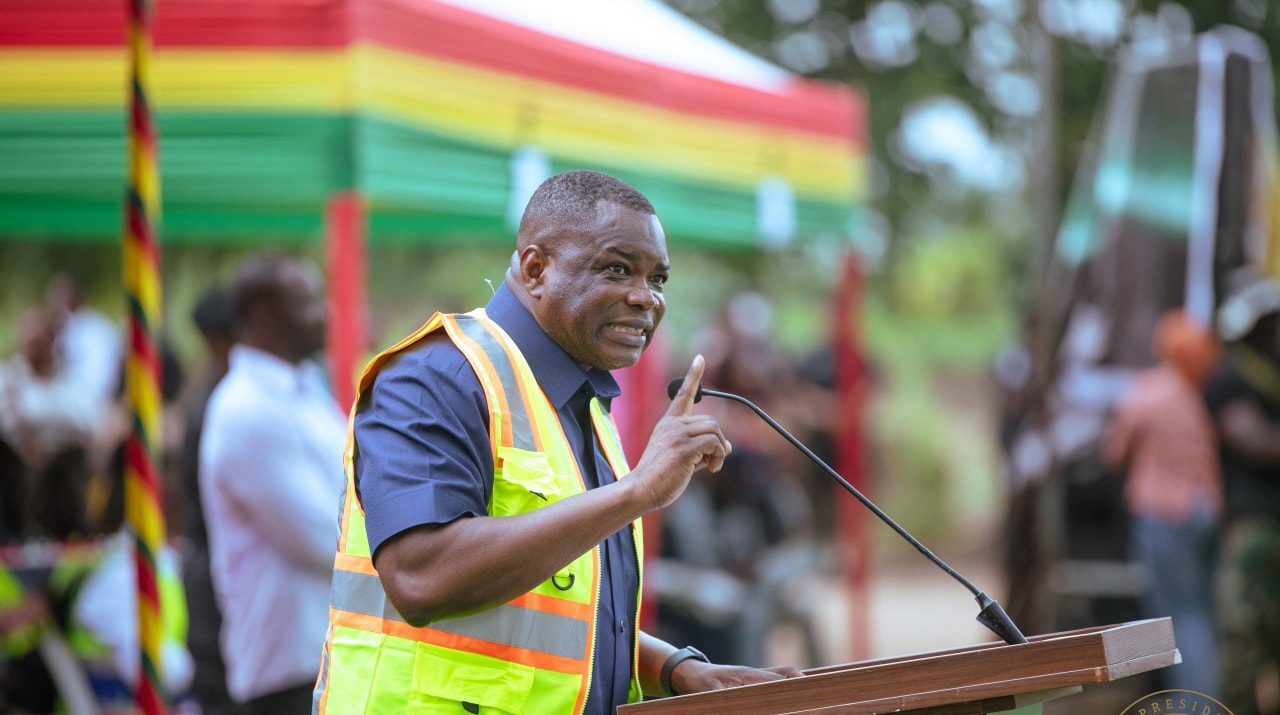
He disclosed that some contractors had received payments despite delivering less work than expected at construction sites, prompting the ministry to adopt a tougher approach towards project execution.
Hon. Agbodza stressed that the government’s willingness to terminate contracts would not be influenced by the size of contractors or their relationships with political figures.
“Irrespective of their size, their association with any political leader, we shall terminate. Because the projects are not yours. They are public projects.”
Roads and Highways Minister Governs Kwame Agbodza
He maintained that road construction contracts represented obligations to the state and the public, rather than opportunities for contractors to benefit from government financing without fulfilling their responsibilities.
The minister further warned that the ministry would no longer repeatedly visit construction sites to accommodate excuses and delays, insisting that contractors must either deliver or relinquish their projects.
Minister Cites Persistent Delays Under Previous Governments
Hon. Agbodza acknowledged that he did not want to describe the situation as deliberate sabotage but argued that Ghana’s road construction sector had developed a pattern of contractors abandoning or delaying projects until subsequent governments returned to repackage them.
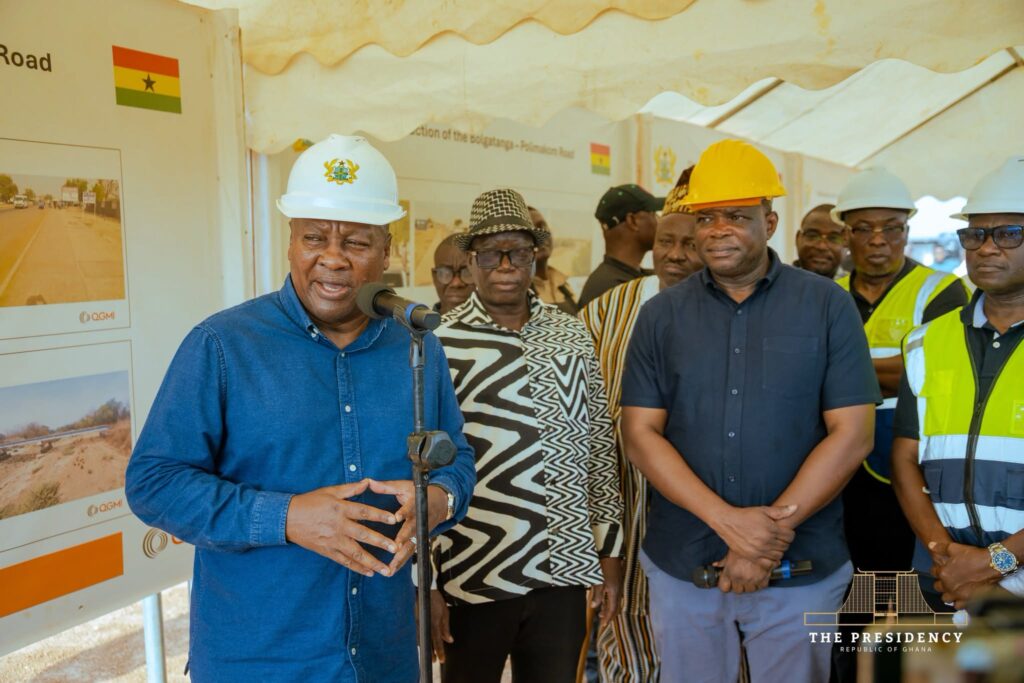
He recalled the previous administration’s Year of Roads programme, arguing that political commitment alone could not guarantee successful project completion when contractors failed to execute their obligations. “There has been a culture where big contractors take jobs, do nothing, and wait for the next government to repackage that job.”
The minister suggested that such delays often generated political disputes between successive administrations, despite the underlying responsibility resting with contractors who failed to deliver.
He urged Parliament to support efforts to address the practice, arguing that prolonged construction delays undermine public investment and the credibility of government infrastructure programmes.
More Than 7,000 Contractors Available for Projects
Hon. Agbodza disclosed that more than 7,000 contractors were registered with the ministry, many of whom were seeking opportunities to undertake road construction projects. He argued that the availability of contractors meant the government could replace firms that failed to perform rather than allow projects to remain stalled indefinitely.
The minister warned that contractors whose performance had become problematic would not receive unlimited opportunities to continue working on public projects. He reiterated that the ministry would prioritise delivery and enforce contractual obligations as the Big Push programme progresses.
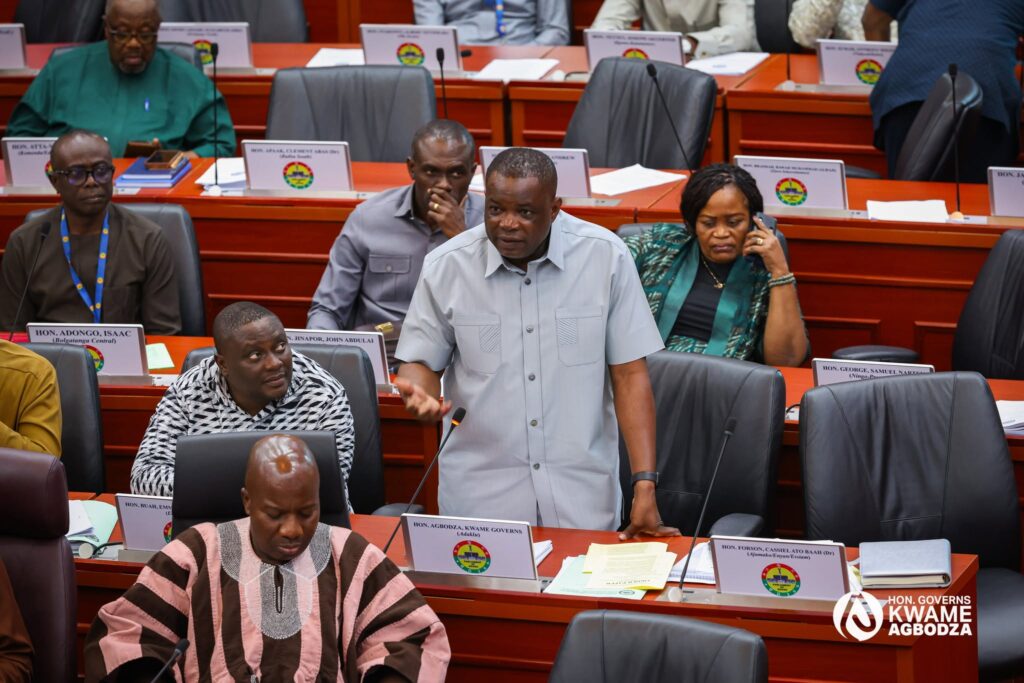
The minister also referenced a previous road project towards Walewale from Tamale, alleging that an Indian contractor received US$29 million in mobilisation payments under an earlier administration but failed to commence meaningful construction before leaving the project.
He did not identify the company, and the allegation was not independently substantiated in his parliamentary remarks. Hon Agbodza contrasted the alleged failure with the government’s commitment to commence construction on the Tamale-Bolgatanga stretch before the end of 2026.
The Big Push programme has generated broader discussions about its economic impact, with proponents arguing that infrastructure spending should stimulate activity across sectors, as reflected in calls for the programme to benefit every sector of the economy.
Beneficial Ownership Disclosure and Citizen Monitoring
Hon. Agbodza also outlined plans to improve transparency surrounding road construction contracts, including identifying the beneficial owners of companies executing projects. He rejected the use of anonymous corporate identities that obscure the individuals behind construction firms, arguing that project ownership should be publicly identifiable.
The minister encouraged contractors to face cameras during site inspections and maintained that public recognition should accompany successful project delivery, while failures should also attract scrutiny.
He commended young Ghanaians who visit construction sites, record progress and monitor the number of workers present, describing citizen monitoring as an important contribution to accountability.
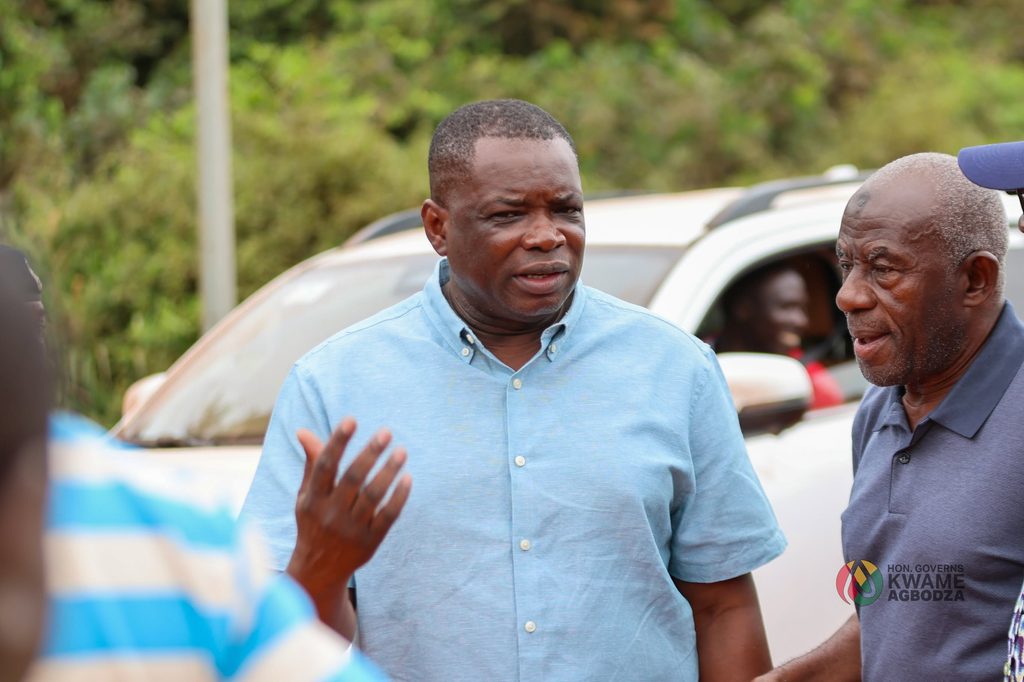
He further urged Members of Parliament and district chief executives to regularly inspect projects within their jurisdictions instead of limiting oversight to parliamentary proceedings.
Roads Must Last At Least 20 Years
The minister also emphasised construction quality, arguing that roads financed with public funds should withstand prolonged use rather than deteriorate shortly after completion.
He maintained that roads should last at least 20 years and challenged contractors to meet the standards expected of infrastructure projects. Hon. Agbodza acknowledged criticism of the ministry’s performance and invited lawmakers to identify areas requiring improvement.
The government’s 2027 Budget has allocated significant capital expenditure to infrastructure development, including the Big Push programme, as outlined in the GH¢98.3 billion capital expenditure plan.
Hon. Agbodza’s warning places renewed emphasis on the relationship between public spending, contractual performance and infrastructure quality. Whether the ministry proceeds with terminating underperforming contracts will provide a practical test of its commitment to enforcing accountability within the Big Push programme.
READ ALSO: World Bank Launches US$245m Bold Ghana Investment Push to Create Jobs