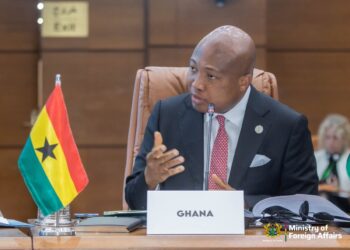
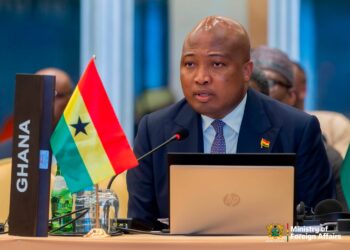
Minister for Education and MP for Tamale South, Hon. Haruna Iddrisu, has defended government’s economic performance since President John Dramani Mahama took office, while urging that resources under the flagship Big Push infrastructure programme be extended beyond roads to sectors such as agriculture, health and water, arguing that no single area of the economy should be left behind.
Reflecting on government’s record against its manifesto commitments, Hon. Iddrisu said the “Reset” agenda championed by President Mahama has made measurable progress in stabilising the economy and expanding infrastructure, even as he acknowledged that unemployment and underemployment remain unresolved challenges requiring urgent attention.
Hon. Iddrisu situated the current administration’s performance within the context of the mandate President Mahama received in the 2024 elections, which he attributed to what he described as mismanagement of the economy under the previous NPP government.
He called for a comparative, evidence-based assessment of economic management under the two administrations, arguing that such analysis would clearly demonstrate the scale of improvement recorded since January 2025.
To support his argument, Hon. Iddrisu pointed to specific economic indicators he said reflected significant improvement under the current government. He noted that inflation stood at around 53 to 54 percent as at December 2024, a figure he said has since declined considerably, while debt as a percentage of GDP had reached between 75 and 80 percent, a level that prompted the World Bank and IMF to declare Ghana’s debt situation unsustainable and place the country in high debt distress.
Concession on Jobs and Government Size
He also highlighted movements in the currency market, recalling that the cedi had depreciated sharply against major currencies including the US dollar, the British pound and the euro, before noting that recent months have brought greater stability to the country’s foreign exchange regime.
Despite his generally positive assessment of the economy, Hon. Iddrisu was candid in acknowledging that improved macroeconomic indicators have not yet translated into meaningful job creation, describing this gap as a challenge government must still resolve.
He said this concern remains one of the more pressing unfinished tasks facing the administration, even as other economic fundamentals show signs of recovery.
On government size, he defended President Mahama’s record on downsizing the size of the executive, noting that the number of ministers had been reduced to between 58 and 60, in line with an earlier campaign promise. He added that the President has gone further by proposing, through the ongoing constitutional review process, a constitutional cap limiting the total number of ministers to sixty going forward.
Praise for Road Infrastructure, With a Call for Balance
Hon. Iddrisu commended the pace of road infrastructure development under the Big Push programme, describing the investment as substantial and highlighting improvements he had personally observed while accompanying the President on visits to the Upper East, Savannah and Volta regions.
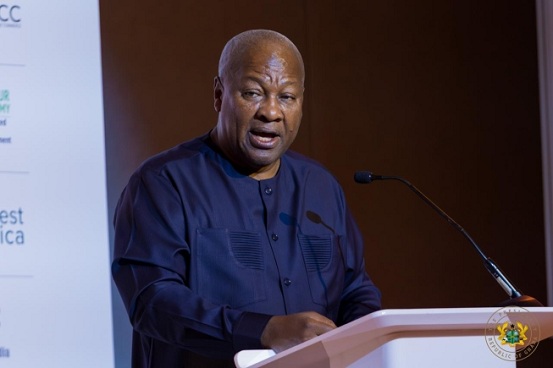
However, he was firm in arguing that infrastructure investment should not be confined to roads alone, insisting that other critical sectors deserve a share of Big Push resources as well.
“Some of the money of the Big Push must also benefit other areas of the economy, like agriculture. Some money should go into irrigation development, health, some money should go into Agenda 111, and regions without hospitals must also benefit from the Big Push.”
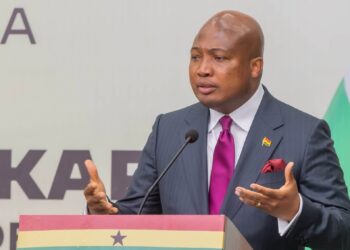
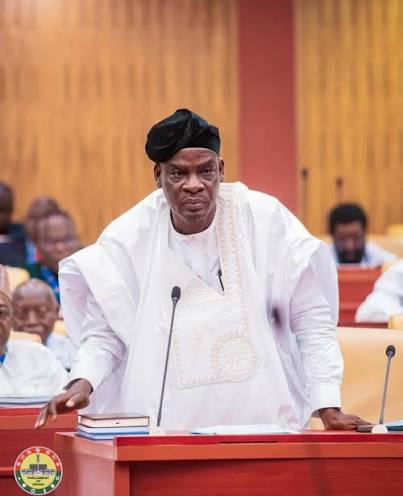
Hon. Haruna Iddrisu, Minister of Education
Speaking specifically to the needs of his own constituency and the wider northern region, Hon. Iddrisu called for Big Push resources to address the long-standing water crisis affecting Tamale, Damongo and Yendi, suggesting that resolving this issue would earn the President significant goodwill among residents.
He further called for attention to housing and flooding challenges in the area, arguing that these too should be considered legitimate targets for Big Push investment, alongside the road projects that have so far dominated the programme’s visible output.
Reflecting on the broader value of continued road investment, Hon. Iddrisu lamented the economic inefficiency created by Ghana’s historically poor road networks, noting the unusually long travel times many Ghanaians have had to endure on journeys that should ordinarily take a fraction of the time.
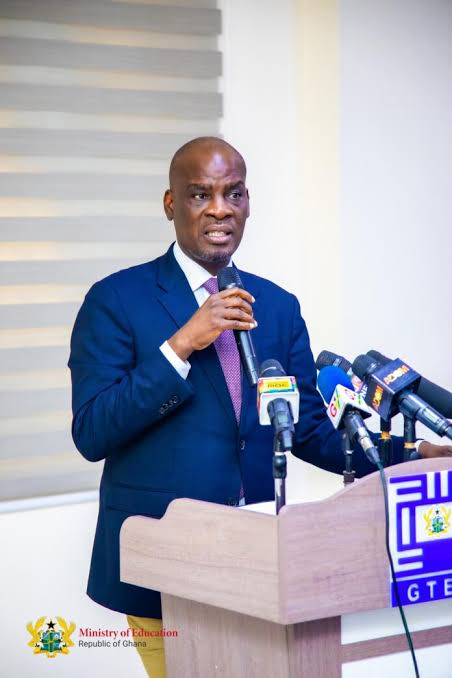
“It’s only in Ghana we don’t measure the cost of travelling a journey that will take you one hour, if you spend three, four hours.”
Hon. Haruna Iddrisu
Balanced Assessment With Conditions Attached
Taken together, Hon. Iddrisu’s remarks reflect a broadly supportive assessment of government’s economic record, tempered by specific calls for the Big Push programme to expand its reach beyond road construction into agriculture, health, water and housing.
His comments suggest that while government points to improved macroeconomic indicators as evidence of progress, sustained public confidence will likely depend on whether infrastructure investment and economic stability translate into visible improvements across a wider range of sectors, and ultimately, into more jobs for Ghanaians still waiting to feel the benefits of the country’s economic recovery.
READ MORE: Education Committee Begins Three-Day Oversight Training Programme