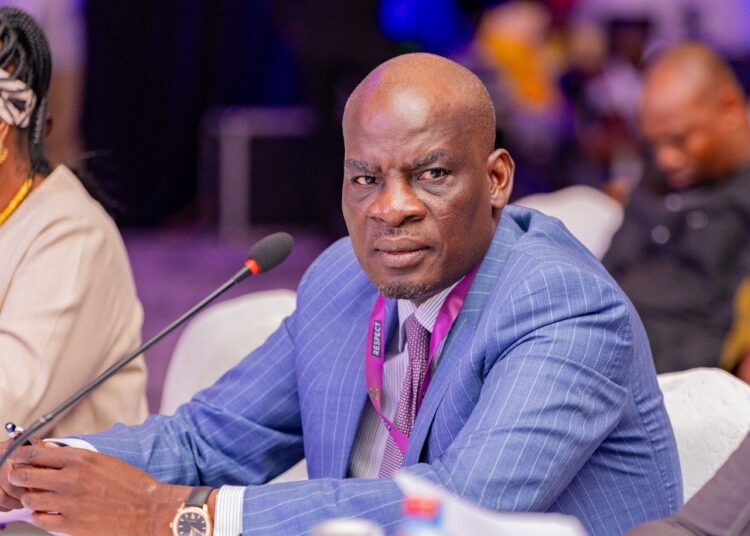
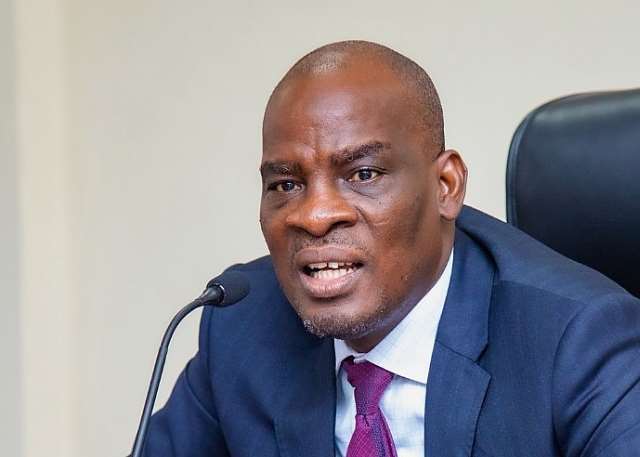
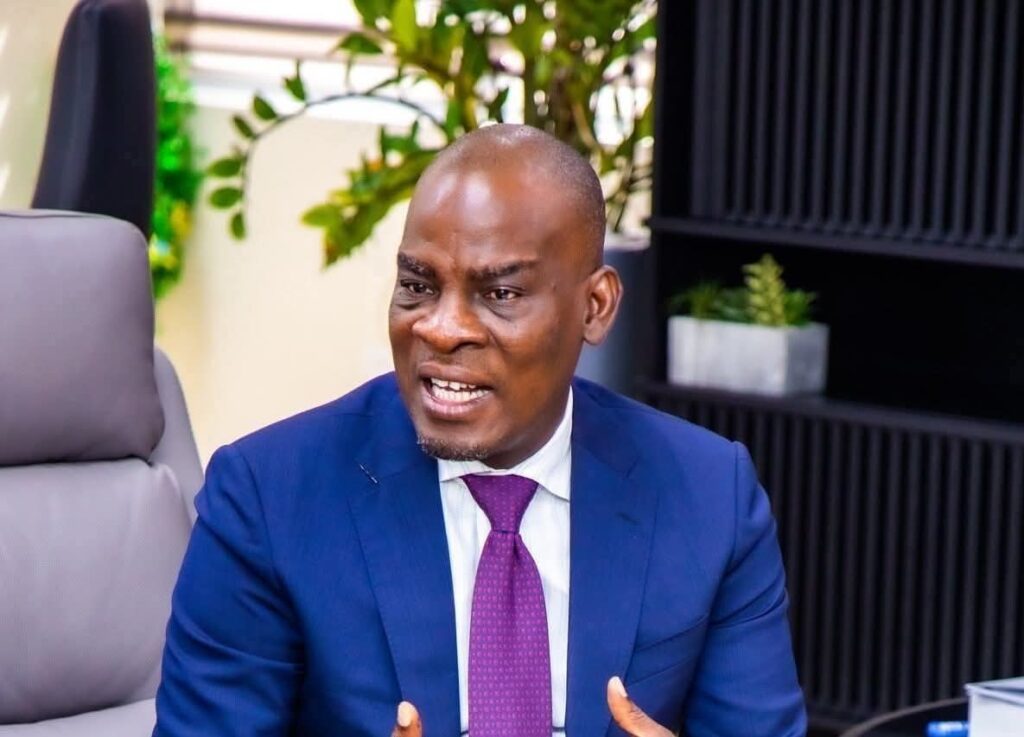
The Minister for Education, Hon. Haruna Iddrisu, has disclosed that government has earmarked $256 million, roughly GHS2.5 billion, for the infrastructure component of the J-STAR project, a major investment aimed at closing longstanding gaps in classrooms, dormitories and laboratories across the country’s senior high schools.
Speaking on an interview, the Minister said the funding forms part of a broader push to end the double-track system within the next 24 months, even as he faced pointed questions over how the 210 schools currently benefiting from the infrastructure support were selected.
Hon. Iddrisu explained that the double-track system, introduced years ago to manage overcrowding under the Free SHS policy, had limited the quality of engagement between students and teachers by reducing the time available on school campuses.
He cited examples of schools that have already made the transition or signalled their readiness to do so, noting that St. Peter’s SHS in the Eastern Region had already moved to a single track, while Prempeh College had formally requested to do the same.
He said many schools were simply waiting on furniture supplies to complete their transition, adding that success would depend on closer coordination among the key institutions responsible for delivery.
Questions Raised Over School Selection Criteria
The Minister’s assurances were met with sharp questioning from the host, who raised concerns about the criteria used to select the 210 schools benefiting from infrastructure support under the J-STAR project.
The host cited the case of Fetiman Senior High School, built in 2013, which reportedly still lacks a toilet facility and dining hall, with a toilet project abandoned in 2019 before a local chief stepped in to construct a 20-unit facility for the school.
The line of questioning suggested that despite the scale of government’s infrastructure ambitions, some schools with clear and visible needs may have been left out of the current support package, raising broader concerns about how transparent and data-driven the selection process had actually been.
Responding to the specific case raised, Hon. Iddrisu did not dispute the account but instead committed to having the school reassessed, indicating openness to expanding the list of beneficiary schools where clear infrastructure gaps are identified.
The response signals some flexibility in how the J-STAR infrastructure list is being administered, though it also implicitly acknowledged that the initial selection process may not have captured every school with urgent needs across the country.
Multi-Year Project With a Tight Infrastructure Deadline
While the infrastructure works themselves are targeted for completion within 24 months, the Minister clarified that the broader J-STAR project runs until 2029, suggesting that infrastructure delivery represents only one phase of a considerably longer-term programme.
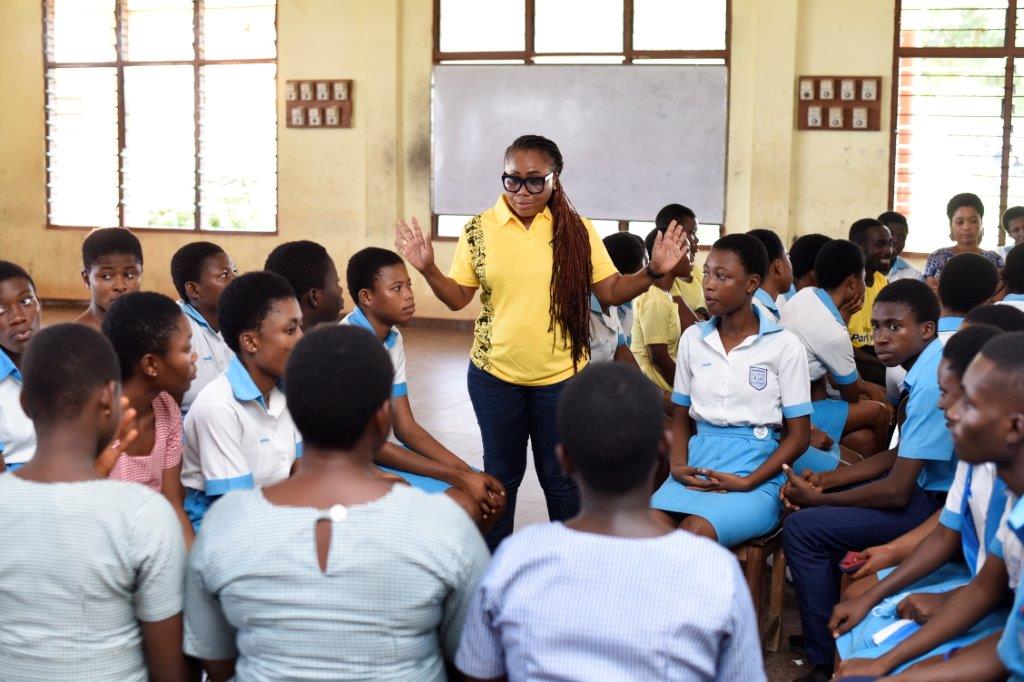
He said the $256 million allocated to infrastructure was specifically meant to support the expansion of classrooms, dormitories and laboratories in step with the sharp rise in student admissions recorded under the Free SHS policy.
Hon. Iddrisu was direct in framing the infrastructure push as a corrective measure against what he described as a shortfall under the previous government, arguing that admission numbers under Free SHS had expanded without corresponding investment in physical infrastructure.
“That is what the previous government did not do, in terms of matching the increase in admission numbers with adequate classroom, dormitory and laboratories. Many of the laboratories across the country are not in very good shape, and we need to fix that.”
Hon. Haruna Iddrisu
He said the mismatch between rising student numbers and static infrastructure had left many schools, including science laboratories nationwide, in poor condition, and framed the current investment as a deliberate attempt to close that gap once and for all.
Broader Conversation on Basic Education Still Unfolding
As the interview moved toward a discussion of basic education and the government’s secondary school plans, the exchange was cut short, leaving several threads of the conversation, including further detail on the Ministry’s basic education strategy, unresolved.
The unfinished segment suggests the conversation around infrastructure equity, school selection criteria and the pace of the double-track phase-out is likely to continue in subsequent public engagements.
With government targeting an end to double-track within 24 months and a $256 million infrastructure programme running through 2029, attention will likely turn to how quickly schools still waiting on furniture and construction, including those like Fetiman SHS that were initially left off the beneficiary list, are brought into the fold.
The Minister’s willingness to order a fresh assessment suggests the list of supported schools may not yet be final, leaving room for adjustments as government works toward its infrastructure and single-track targets in the months ahead.
READ MORE: Mahama Hosts First Female Archbishop of Canterbury in Historic Visit