The Chief Executive Officer of the Millennium Development Authority (MiDA), Alexander Kofi-Mensah Mould, has called on African leaders to ensure that the continent’s vast critical mineral resources serve as a catalyst for peace, inclusive development, and shared prosperity, rather than a catalyst for conflict.
Speaking at the opening ceremony of the High-Level Conference on Governance, Critical Minerals and Conflict in Africa a three-day event taking place the MiDA chief emphasized that Africa’s vast resource wealth must be managed with a renewed focus on democratic governance, transparency, and community equity.
“The question before us, therefore, is not simply how Africa governs this great era. It is whether this era becomes a foundation for peace, democracy, governance and inclusion, or whether it becomes another source of tension and missed opportunity.”
Alexander Kofi-Mensah Mould

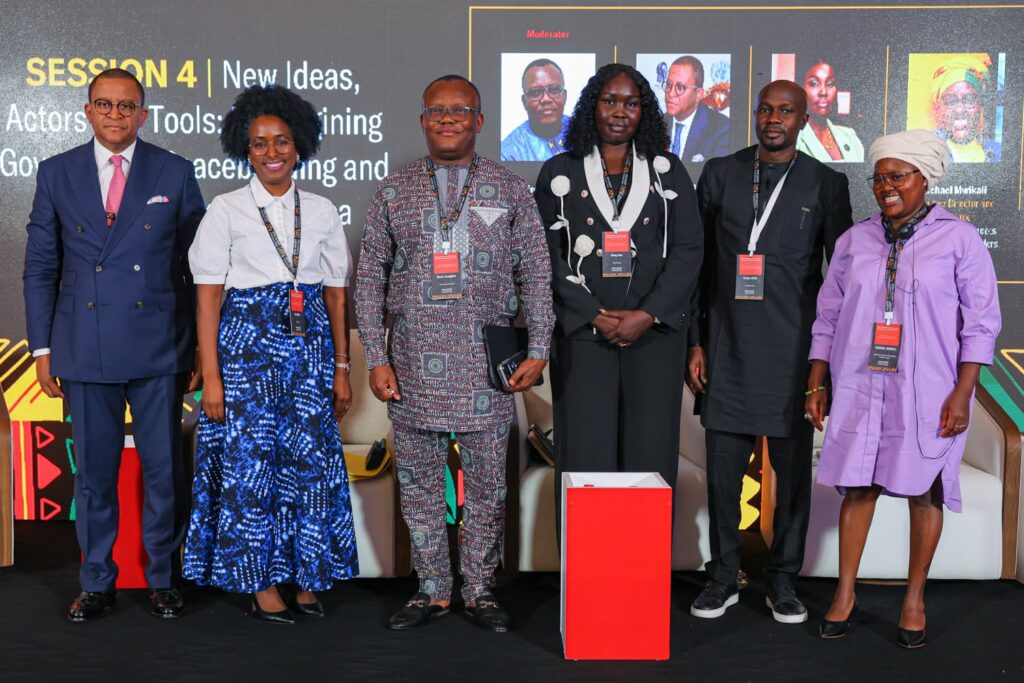
Organized by the Open Society Foundations, the Accra conference brings together key policymakers, civil society leaders, academic researchers, peacebuilding practitioners, and private sector representatives to address responsible governance amid surging global demand for clean energy inputs.
Mr. Mould noted that as the global transition to green technologies accelerates, Africa finds itself positioned squarely at the center of the world’s critical minerals supply chain.
Consequently, the quality of institutional governance will decide whether this unprecedented market opportunity translates into lasting socioeconomic development or succumbs to the structural failures of past resource booms.
Navigating the Resource Curse and Conflict Dynamics
The geopolitical and economic imperative to view critical minerals such as lithium, cobalt, nickel, manganese, and rare earth elements as foundations for peace stems directly from the continent’s history with resource exploitation.

Historically, the discovery and extraction of high-value natural resources across various African regions have frequently correlated with institutional fragility, environmental degradation, local disenfranchisement, and violent conflict a phenomenon widely recognized as the “resource curse.”
When mineral governance lacks transparency, local communities often bear the severe environmental costs of extraction while remaining excluded from its financial revenues, creating fertile ground for civil unrest, illegal mining networks, and armed insurgency.
To break this historical cycle, critical mineral frameworks must address the root causes of resource-fueled instability.
Natural resource endowment does not inherently guarantee economic prosperity; rather, stability depends heavily on the strength of domestic institutions and the fair distribution of wealth.
When governments fail to manage public expectations or neglect local land rights, mineral-rich zones risk transforming into conflict arenas where competing interest groups clash over revenue distribution.
By prioritizing human rights protection, transparent revenue management, and multi-stakeholder dialogue, African states can systematically de-escalate tension and transform mining zones into stable economic centers.
Institutional Governance and Value-Chain Localisation
A vital pathway to preventing conflict and building sustainable peace lies in shifting national policy away from the simple extraction and export of raw ores toward domestic industrial processing and value-chain integration.
Mr. Mould urged African governments to redirect their strategic focus toward “building local industries, developing technology, strengthening skills and promoting African-owned enterprises across the mineral value chain.”
Relying strictly on raw material exports leaves host nations vulnerable to global commodity price volatility while depriving young populations of meaningful employment opportunities.
Developing local refining, processing, and manufacturing capabilities retains economic value within the continent, generating sustainable jobs and dampening the socioeconomic frustration that typically fuels civil unrest.
Furthermore, democratic governance, civic participation, and anti-corruption mechanisms serve as indispensable pillars in ensuring resource security.
When resource contracts, environmental impact assessments, and royalty disbursements are made fully transparent to the public, community trust in public institutions increases.
Protecting the rights of host communities and incorporating local content regulations ensures that those living nearest to extraction sites directly benefit from infrastructure, education, and healthcare investments.
Strengthening institutional capacity ensures that foreign direct investment aligns seamlessly with national development blueprints rather than extractive exploitation.
A Defining Moment for Africa’s Resource Future
The ongoing conference in Accra continues to examine how critical mineral governance can actively advance democratic practices, economic justice, and conflict prevention across resource-rich regions.
The global clean energy transition offers African nations an unprecedented opportunity to redefine their standing in the international political economy.
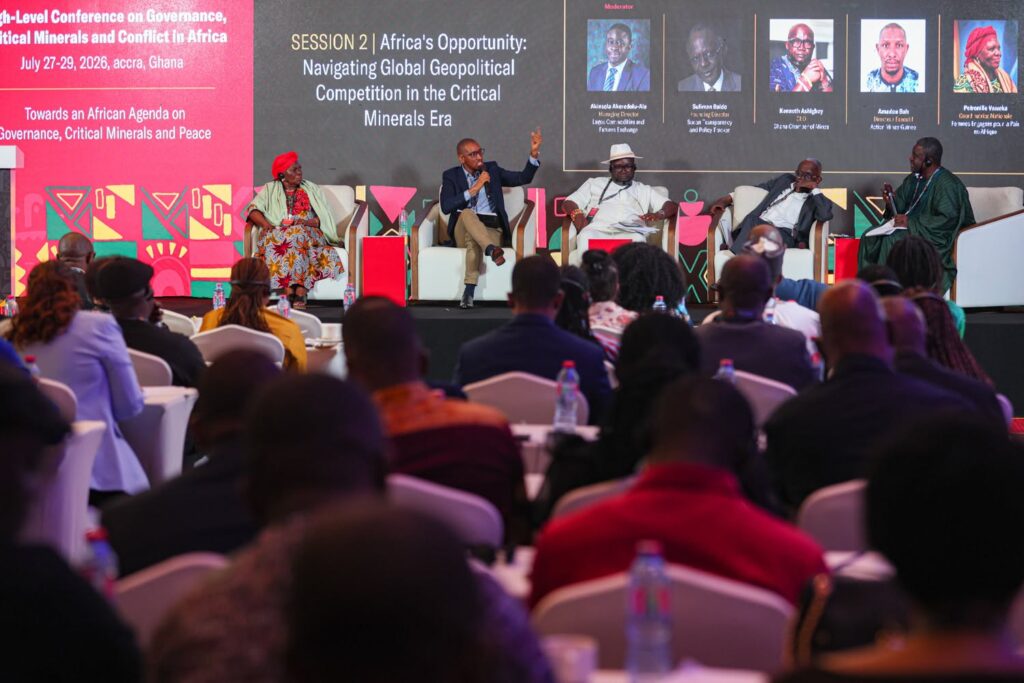
However, as conference delegates deliberate over practical frameworks for policy reform, the central message remains clear: the realization of Africa’s potential depends entirely on institutional integrity, strategic foresight, and political will.
As Mr. Mould eloquently concluded in his address, “Future generations will not judge us by the abundance of the resources we inherit.
They will judge us by the wisdom with which we govern them.” Ultimately, whether Africa’s critical minerals ignite fresh instability or secure a stable, prosperous future depends on the commitment of its leaders to implement transparent, inclusive, and forward-looking governance models today.
READ ALSO: Government Commits $256 Million J-STAR Funding to Secondary School Infrastructure